Published: 05 February 2026. The English Chronicle Desk. The English Chronicle Online.
A major long-term health study has found that the Mediterranean diet may significantly lower stroke danger across all major types. Researchers report that people who closely follow the Mediterranean diet show up to a 25 percent lower stroke risk over time. The findings come from a two-decade analysis involving more than one hundred thousand participants. The results add strong weight to growing scientific support for the Mediterranean diet and brain health protection.
The research was published in Neurology Open Access, a peer reviewed journal of the American Academy of Neurology. Investigators tracked dietary patterns and long-term health outcomes among women living in California for over twenty years. Participants were middle aged at the start and had no previous stroke history recorded. Scientists compared eating habits with later stroke outcomes using detailed health and lifestyle adjustments.
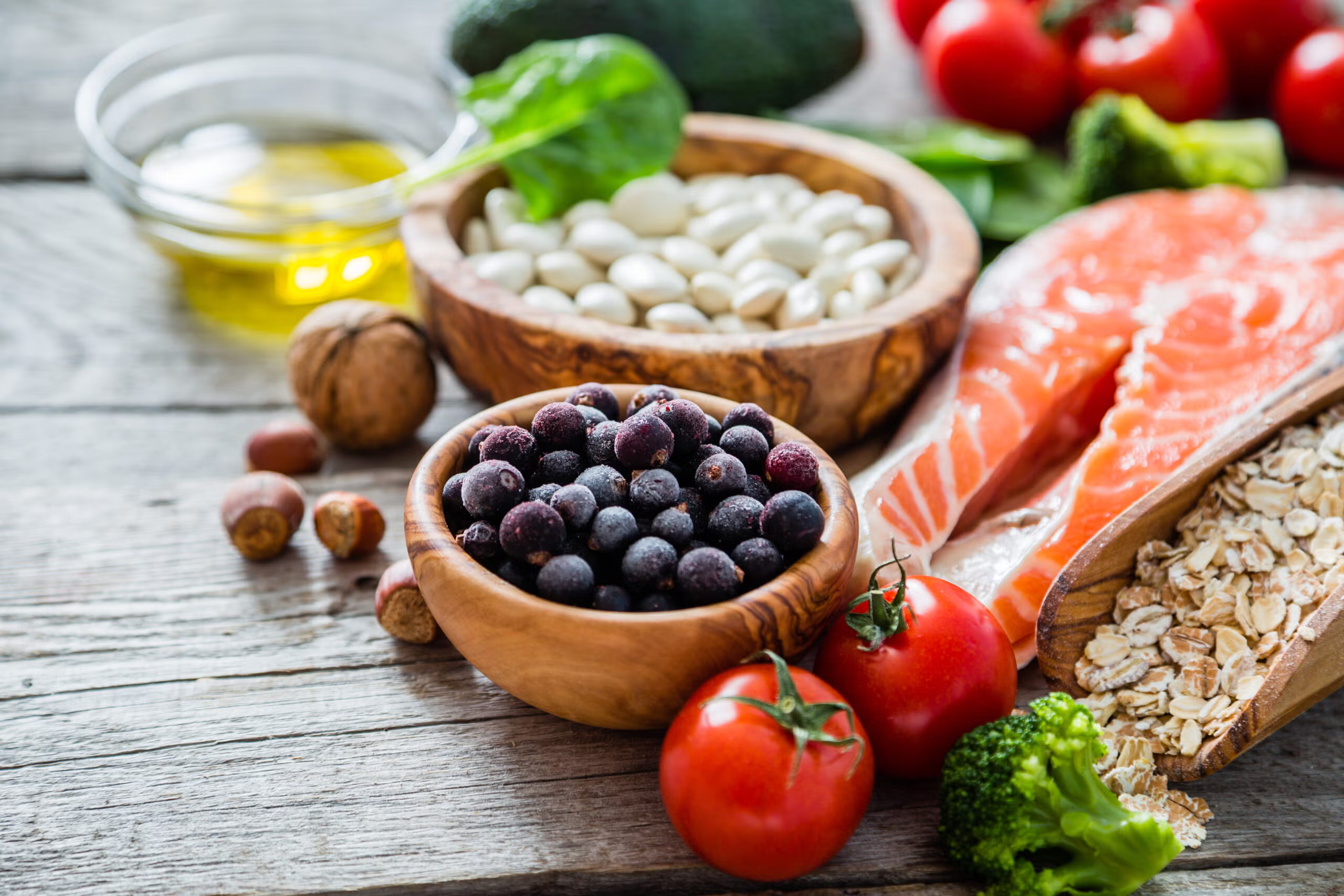
The Mediterranean diet pattern centers on olive oil, nuts, fish, whole grains, beans, fruits, and vegetables. It also limits red meat, processed food, and high fat dairy products. Moderate alcohol intake, often from wine with meals, is included in many versions. This balanced approach has already been linked with heart protection and lower inflammation levels. The new data strengthens its connection with stroke prevention across different stroke categories.

Researchers used a scoring system to measure how closely each participant followed this eating pattern. Scores ranged from zero to nine, based on intake across several food groups. Higher scores meant more vegetables, legumes, fish, and whole grains consumed regularly. Lower scores reflected greater intake of red meat and high fat dairy foods. About thirty percent of participants ranked in the highest diet adherence group overall.
Over an average follow up period of twenty one years, stroke cases were carefully recorded and verified. Scientists then adjusted results for smoking, exercise levels, blood pressure, and other medical factors. After those adjustments, the difference between dietary groups remained clearly visible in final outcomes. Those with the strongest diet scores experienced notably fewer strokes during the study period.
Participants in the highest scoring group showed an eighteen percent lower overall stroke risk. When experts separated stroke types, protective links remained consistent across both major forms. Ischemic stroke, caused by blocked blood flow to the brain, was reduced by sixteen percent. Hemorrhagic stroke, caused by bleeding in the brain, showed the largest reduction at twenty five percent. That result drew particular interest because fewer nutrition studies examine hemorrhagic stroke patterns.
Lead study author Sophia Wang from City of Hope Comprehensive Cancer Centre explained the importance carefully. She noted that healthy dietary patterns appear increasingly central to long term stroke prevention strategies. She also highlighted that hemorrhagic stroke has received less research attention in past nutrition studies. Seeing meaningful association there suggests broader dietary influence than previously confirmed by large population work.
The authors stressed that the study shows association rather than direct cause and effect proof. Dietary data came from participant self reports, which can introduce measurement error over long periods. The sample also included only women, which limits how widely results can be generalized. Even with those limits, outside experts described the findings as highly valuable and directionally convincing.
Stroke remains one of the leading global causes of death and long term disability today. Worldwide, more than fifteen million people suffer a stroke each year according to health estimates. Roughly five million die and another five million live with permanent disability afterward. Prevention strategies therefore receive major attention from doctors, charities, and public health planners globally.
UK and international stroke specialists welcomed the results as both practical and encouraging for everyday prevention. Juliet Bouverie, chief executive of the Stroke Association, said most strokes are considered preventable through lifestyle change. She emphasized that diet quality plays a central role alongside blood pressure control and physical activity. Nutritional guidance based on recognizable eating patterns is often easier for the public to follow.
She explained that cardiovascular protection from this eating style has long been recognized by clinicians. The new evidence connecting it with multiple stroke types strengthens existing dietary recommendations further. Hemorrhagic stroke is less common but often more severe when it happens clinically. Evidence of reduced risk there offers reassurance and motivation for broader dietary improvement campaigns.
Nutrition researchers say the biological explanation is likely multi layered rather than driven by one nutrient. Olive oil and nuts provide healthy fats that support blood vessel function and reduce harmful inflammation. Fish intake adds omega three fatty acids linked with improved vascular stability and clot regulation. High fiber foods help control cholesterol and blood sugar, both key stroke risk drivers. Together, these elements create a protective metabolic environment over many years.
Public health experts caution that no single diet guarantees complete stroke prevention for every individual. Genetics, medical history, and environmental exposure still influence personal risk in complex ways. However, consistent dietary patterns remain among the most modifiable long term health factors available. That makes food choice a powerful and accessible prevention tool for most populations.
Doctors also note that dietary change works best when combined with other protective daily habits. Regular movement, tobacco avoidance, and blood pressure monitoring remain essential prevention pillars. Sleep quality and stress management also contribute to long term vascular health outcomes. A combined lifestyle approach produces stronger benefits than any single change alone.

Researchers involved in the project called for further studies across mixed gender and multi ethnic populations. They also want more controlled trials to explore biological mechanisms behind the observed protection levels. Understanding those pathways could help design even more targeted prevention guidance in future years. For now, the evidence trend strongly supports whole pattern eating instead of isolated nutrient focus.
Health agencies increasingly promote food pattern models rather than strict diet labels or short term plans. The Mediterranean diet model fits that shift because it describes a flexible, sustainable way of eating. It allows cultural adaptation while preserving core nutritional principles linked with better outcomes. That flexibility improves long term adherence compared with highly restrictive diet frameworks.
Clinicians say gradual substitution works better than sudden complete dietary overhauls for most people. Replacing butter with olive oil and adding vegetables to daily meals are simple starting steps. Choosing fish several times weekly instead of processed meat also improves dietary quality steadily. Small consistent changes accumulate meaningful protective effects over extended time periods.
The study adds another substantial piece to the growing scientific picture around diet and brain health. While more research will refine exact guidance, direction of evidence appears increasingly consistent. Long term eating patterns matter deeply for vascular and neurological outcomes across populations. That message continues gaining strength across international medical literature and prevention policy discussions.
Related News:
 Mother dies after black market weight loss injection
 Hospice Cuts Raise Alarm Across England Amid Funding Crisis
 How Bringing Forests Into Preschools Boosts Children’s Health
 The diet that can significantly ease symptoms of IBS
 Celebrities and Charities Demand UK Government Act on Child Poverty
 Long A&E waits causing heartbreaking suffering, charity says
 Experts Warn on Home Birth Risks, Call for Skilled Midwives
 Lancashire council plans to close care homes and day centres
 Experts Urge Legal Right to Timely Cancer Care
 Patients to Test Health at Home to Ease NHS Winter Pressure
 London’s Childlessness Crisis: Schools Closing as Families Shrink
 North Sea oil workers must lose weight or face job loss
 Crisis charity to become landlord amid UK housing emergency
 No link found between paracetamol in pregnancy and autism
 NHS frontline staff forced to cover gaps as managers remain scarce
 Seven Conditions That Automatically Qualify You for a Free Bus Pass
 Understanding Missing Children: Facts vs. Myths
 UK Disability Pay Gap Means Millions Work for Free From Today
 Shouting Works Best to Deter Gulls, UK Study Finds
 Reeves rejects £1bn plea for NHS redundancy payouts
 Leading doctors issue warning amid ‘bad’ flu season
 UK Centres Used Risky Heart Pump Despite Safety Fears
 Reeves Rejects £1bn NHS Payout Plea from Streeting
 Working-Class Men with Prostate Cancer Left Behind by NHS
 Senator John Fetterman Hospitalized After Fall from Heart Flare-Up, Keeps Sense of Humor
 New AI tool could cut wasted efforts in organ transplants
 From Baby Teeth to Bioengineering: The Future of Self-Healing Teeth
 Stroke Patient Mistaken for Drunk, Care Delayed
 107-Year-Old Veteran Credits Whiskey for Longevity
 ‘Traumatic Wait’: Northern Ireland Women Face Breast Cancer Delays
 Healthy Habits in Your 30s That Boost Life in Your 70s
 Woman Meets Boy Whose Life She Saved with Kidney
 Boris Johnson Oversaw Toxic No 10 Culture, Covid Inquiry Finds
 Scottish Families Take Legal Action Over School CO Leak
 Welsh Government Christmas 2020 Lockdown Criticised
 Coffins Now Too Large to Cremate Amid Rising Obesity Crisis
 Thinktank Urges Smaller Hospitals to End NHS ‘Permacrisis’
 NHS paediatric leave parents waiting months for answers
 Catherine urges end to stigma around addiction
 Vicki Fears Losing Motability Car
 Delhi’s Toxic Air Crisis Leaves Children Sick and Vulnerable
 Five-Year-Old Dies After Rare Tonsil Surgery Complication
 Fibromyalgia Patients Struggle as NHS Fails to Provide Care
 More Patients Now Contacting GPs Online, Data Shows
 Streeting launches review into mental health and ADHD diagnoses
 Flu cases in Scotland more than double in a week
 Kenya Signs $2.5bn Health Deal with US Amid Data Concerns
 People in England’s Poorest Areas Face Higher Lung Health Emergencies
 MND Patients Die Waiting for Home Adaptations in England
 Damien Martyn in Induced Coma After Meningitis Diagnosis
 Minor A&E Visits Surge Across England as Hospitals Face Pressure
 Children to Receive Home Vaccines as England Acts
 Ethnic Minorities Face Gaps in Diabetes Tech Access
 Childhood Hypertension Sparks Urgent UK Testing Calls
 UK children to get chickenpox jab with MMRV vaccine
 Salt Intake England: Crisps Comparison Sparks Health Alarm
 Weight Loss Jabs Linked to Rapid Weight Regain, New Study Shows
 Patients Collapsing in NHS Corridors, Watchdog Warns
 Offenders to Receive Health Support During Probation Appointments
 NHS Violence Crisis: Staff Face Daily Assaults
 Celebrity Campaign Highlights SMA Screening Failures
 Google Removes Some AI Health Summaries Over Safety Concerns
 NHS corridor care crisis sparks fears over patient safety
 Polycrisis Anxiety Leaves Many Feeling Trapped in the Present
 UK Glaucoma Rise Signals Looming Eye Health Crisis by 2060
 UK ADHD medication use triples over 13 years, landmark study finds
 Reform UK Health Plan ‘Would Cost £1.7bn’, Streeting Says
 NHS boosts bowel screening accuracy with FIT reform
 UK loses measles-free status amid deaths and jab decline
 Nottingham survivor warns of repeat attacks without mental health reform
 UK vets face reforms to tackle high pet care costs
 UK Mothers Overloaded: Mental Health Pressures Worsen
 AstraZeneca China Investment Signals Strategic Shift Abroad
 Genes May Hold the Secret to Long Life, Scientists Find
 Small risk warning raised over weight-loss jabs in UK review
 AI breast screening cuts later cancer diagnoses by 12%, study finds
 Study Finds One in Seven England Takeaways Are Dark Kitchens
 Deadly Cancer Postcode Lottery Limits NHS Care
 James Valentine Retires from ABC After Cancer Battle
 Pneumonia Surge Pushes England Emergency Cases Higher