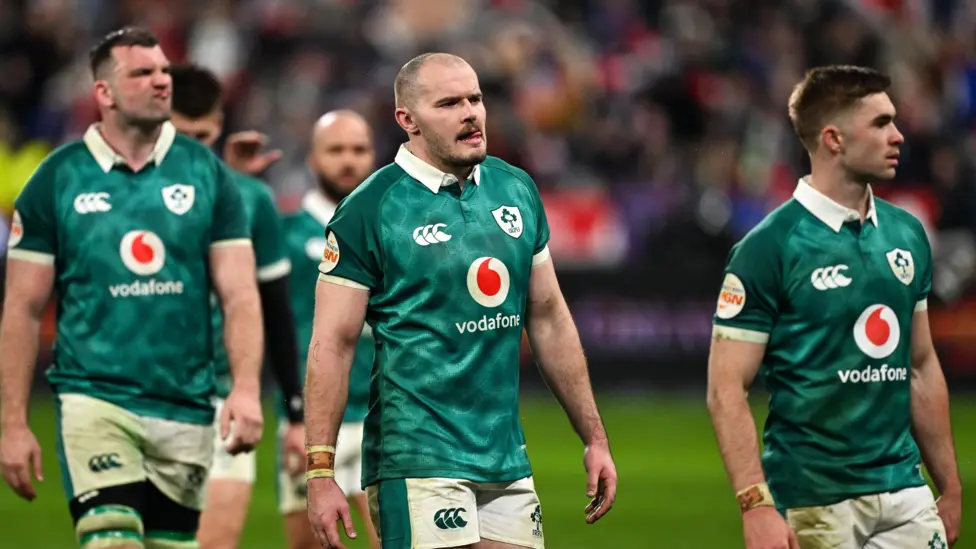
In a stark assessment of Ireland’s current form on the rugby field, former international Rob Kearney has said that scrutiny and pressure on Irish has reached new level following a damaging defeat to France in the opening round of the Six Nations Championship, highlighting unprecedented expectations and intense public and media focus on Andy Farrell’s men as they strive to rediscover their best form.
Ireland’s 36‑14 loss to France at the Stade de France was a sobering start to their campaign, leaving questions over defensive cohesion, strategic direction, and the squad’s overall rhythm. In the aftermath, Kearney — one of the nation’s most respected former players — said this period represents one of the most challenging in recent memory for a group long admired for its attacking skill, tactical discipline and consistency at the top level.

A Humbling Defeat Alters Narrative
The French team’s dominance — scoring five tries and showcasing a blend of speed, precision and physicality — left Ireland’s defence exposed and their attack sporadic, particularly in the first half. Heading into the match, Ireland were expected to compete strongly, but instead found themselves under extreme pressure and trailing for much of the game. That dynamic, combined with mounting external expectations, has fuelled discussion among pundits and supporters alike about where this legendary side now stands in international rugby’s elite.
Kearney said the level of scrutiny reflects both the ambitions attached to the current squad and its recent history of success under head coach Andy Farrell. “This is the first time this team have come under real pressure and real scrutiny,” he told analysts after the loss, arguing that Ireland must now grapple with mounting external narratives about form, fitness and tactical clarity as they prepare for upcoming fixtures.
Expectations Versus Reality
What once might have been seen as a minor setback has instead become a focal point for debate among supporters and rugby commentators. Ireland’s ambitious setup and a strong roster mean that losses — even to top‑tier opponents like France or South Africa — are dissected in detail, with critics quick to point to defensive lapses or strategic missteps. In Paris, missed tackles and a lack of effective contest at the breakdown underscored the challenges facing Farrell and his coaching staff.
Kearney, reflecting on the broader landscape, suggested that part of the unease stems from how high expectations had soared — but how quickly confidence can appear shaken when performances fall short. The tight link between Ireland’s recent form and their projections for major tournaments like the Rugby World Cup means every early championship result now carries added weight in public perception.
Injuries and Depth Issues Adding Fuel to Pressure
Compounding the scrutiny is Ireland’s growing list of unavailable players, particularly those affected by injuries since the British & Irish Lions tour and the autumn internationals. With key names sidelined, Farrell has been forced to test combinations and depend on younger or less experienced players, a process that has its risks in high‑stakes international fixtures.
In his comments, Kearney acknowledged that squad depth and continuity are significant factors in how teams cope with adversity over a long season. However, the intensity of public questioning — driven by passionate fan bases, extensive media analysis, and social media discourse — means that players and coaches alike are operating under magnified pressure as they head into subsequent Six Nations matches.

Road Ahead: Italy and Beyond
Despite the harsh spotlight, Ireland’s Six Nations journey is far from over. Their next match, scheduled against Italy in Dublin, is being framed not just as an opportunity for redemption but as a critical test of character and resilience. For Farrell’s side, a strong response could alleviate some of the scrutiny and reaffirm belief within the squad and among supporters.
Yet the reality remains that the opening defeat has reshaped narratives, placing Ireland in a position where improvements must be not only genuine but also visible and convincing. The challenge for the squad will be to balance tactical adaptations, regain momentum and navigate the very real pressure and scrutiny that now define this phase of their international campaign.
Publication Details
Published: 7 February 2026
The English Chronicle Desk
The English Chronicle Sports
Related News:
 Tottenham shine at Everton but Frank wary of title push
 Sarr Double Sinks Young Liverpool in Carabao Cup
 Nwaneri and Saka Secure Arsenal Win Over Brighton
 Woltemade Hot Streak Fires Newcastle Past Spurs
 Salah & Gravenberch Lead Liverpool to Win Against Villa
 Dyche Criticises Corner Decision as Forest Draw with United
 Caicedo Shines as Chelsea Edge Spurs in Chaotic Derby
 Granit Xhaka Rescue Earns Everton Draw at Sunderland
 Liverpool Edge Real Madrid 1-0 in Champions League Thriller
 Burn and Joelinton Head Newcastle to Victory Over Bilbao
 Foden shines as Man City dismantle Dortmund in dominant display
 Garnacho Spares Chelsea From Shock Champions League Loss in Baku
 Tension and Turmoil at Aston Villa v Maccabi Match
 Bellingham has ‘the edge’ among England No 10s
 Man City Masterclass on Guardiola’s Milestone Day Exposes Liverpool Woes
 Lando Norris Dominates Brazil GP to Strengthen F1 Title Bid
 England cannot afford to be in awe of the All Blacks, warns Jamie George
 VAR Must Rein Its Neck In to Save Football’s Spirit
 Trescothick Hints Pope Will Keep Number Three Spot
 Ronaldo Confirms Final World Cup and Plans Retirement
 Mary Earps’s Manchester United Return Faces Mixed Reception
 Sam Kerr Stars in Chelsea Return with Champions League Double
 This kid is something else: Alex Scott’s rise to England call-up
 UK and Ireland Announce Venues for Euro 2028 Tournament
 England Maintain Perfect World Cup Qualifying Record with Win Over Serbia
 Saka Solidifies Role as Tuchel’s Key England Lieutenant
 Former Lion Heskey Warns of Shortage of England Strikers
 Australia Mourns Paralympic Champion Paige Greco
 Irish Hero Parrott Says Goal Brought First Tears in Years
 Nigeria Misses World Cup Again After Play-Off Loss
 From heartbreak to glory: Scotland’s dramatic return to the World Cup
 Tiny Curacao Makes History as Smallest Nation to Reach World Cup
 Haiti Qualifies for World Cup Despite Coach Never Visiting Country
 Major League Baseball Scores New Broadcast Deals Through 2028
 Barcelona Returns to Camp Nou vs Athletic Bilbao
 Moyes Defends Gueye After Dramatic Everton Bust-Up
 Kids Football Coach Removed Over Suspected ‘Drugs Menu’
 Mbappe Scores 4 as Real Madrid Edge Olympiakos
 Man City Lose, Champions League Risk
 Jac Morgan to Miss Six Nations Start After Surgery
 Alexander Isak ends drought as Liverpool stop rot with win at West Ham
 Mbappe rescues Real Madrid with a penalty at Girona
 Barcelona, Atletico set for decisive La Liga showdown
 Maxwell withdraws from IPL 2026 after 13 seasons
 Mbappe stars as Real Madrid thrash Athletic, close on Barca
 Trump to attend 2026 FIFA World Cup draw in Washington
 Australia Face Big Changes as Cummins and Lyon Ruled Out of Ashes
 Van de Ven Tackle Leaves Isak with Fractured Leg
 City Set to Land Semenyo After Chelsea Exit from Transfer Race
 Arrizabalaga Sends Arsenal Through in Dramatic Shootout
 Ashes Shock: Boland Admits Struggle Bowling With Keeper Up
 Alex Sarama: How a 30-Year-Old Englishman Became WNBA Coach
 ECB powerless to halt England’s recurring Ashes failures
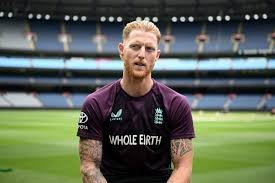 Stokes urges empathy for England players amid Ashes struggles
 Damien Martyn in Induced Coma After Meningitis Diagnosis
 Spin Bowling Struggles as Pace Dominates 2025 Ashes Series
 Anthony Joshua Released After Nigeria Car Crash
 Chelsea Sack Looms: Enzo Maresca Relationship Collapses
 Africa’s Superpowers Shine in Cup of Nations Quarter-Finals
 Amorim’s United Future Uncertain Amid Wilcox Tension
 Raducanu Battles Injury as Britain Exit United Cup
 Australia Dominates England: Smith, Head Crush Bowlers in Sydney
 Australian Open Prize Money Hits Record $111.5m
 Nick Kyrgios Faces Singles Struggles at Brisbane Tennis Return
 Nottingham Forest Deny West Ham in Dramatic Late Win
 Manchester United Fan Group Targets Jim Ratcliffe Over Club Chaos
 Morocco sail into Afcon semis after Díaz inspires win
 Wrexham stun Nottingham Forest with Okonkwo FA Cup heroics
 Salah Shines as Egypt Knock Out Ivory Coast at Afcon
 Israeli fans ban questioned after Dutch police dispute evidence
 Semenyo Shines for City – Winners and Losers of Transfer
 Geopolitical football: Iran, Trump and the World Cup clash
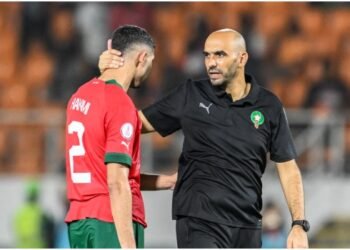 Regragui condemns Afcon final chaos after dramatic defeat
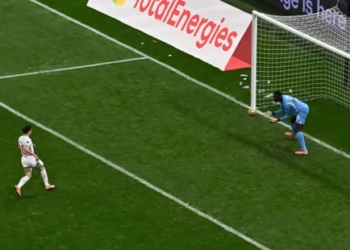 Brahim Díaz’s Panenka Fail Highlights Penalty Risks
 Madison Keys’ Australian Open defence tested as Ukrainian debutant dazzles
 ‘A long time coming’: US table tennis finds its moment
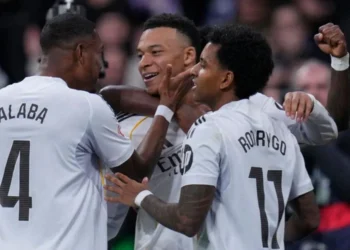 Mbappé’s Late Penalty Lifts Real Past Nine-Man Rayo
 Women’s FA Cup Could Introduce Seeded Teams from Last 32
 Yamal and Rashford Shine as Barcelona Reach Copa Semis
 Newcastle fans face bleak reality under Saudi ambitions