Published: 06 February 2026. The English Chronicle Desk. The English Chronicle Online.
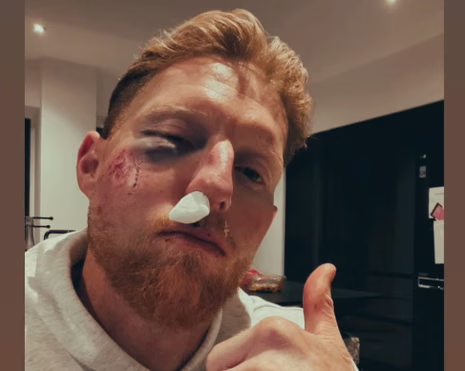
England captain Ben Stokes injury news spread quickly after he shared a striking facial photo online. The all-rounder revealed he had been hit hard by a cricket ball, leaving his eye swollen and bruised. His light-hearted response drew attention across social media, where fans reacted with both concern and relief. The moment showed his trademark humour, even after a painful incident that could alarm any professional cricketer. Early reactions focused on his condition, recovery timeline, and possible effect on upcoming England fixtures this year.
Stokes posted the image on his official Instagram account, showing a heavily swollen right eye and cuts. A visible graze marked his cheek and lip, while a bandage was packed inside his nose. Despite the severity of the facial impact, his caption turned the moment into a joke for followers. He wrote that people should see the state of the cricket ball instead, not his face. The remark quickly circulated among cricket supporters and sports media outlets across the United Kingdom and beyond.

The Ben Stokes injury moment arrives at a sensitive time for England’s red-ball cricket structure and leadership debate. The national side recently completed a difficult Ashes campaign that ended with a heavy series defeat overseas. That result triggered strong criticism from former players, analysts, and supporters across broadcast and digital platforms. Many questioned tactical choices, squad balance, and long-term planning within the current team management framework. Stokes, as captain, naturally faced a share of that scrutiny following the disappointing series outcome.
Team insiders indicate the incident with the ball happened during practice rather than competitive match conditions. Training sessions often involve high-intensity drills, where reaction time is short and risk always remains present. Even experienced internationals can misjudge pace or bounce when facing repeated deliveries at close range. Protective gear reduces danger, yet facial areas still remain partly exposed during certain net scenarios. That reality makes such accidents rare but not entirely preventable in elite professional cricket environments today.
Medical experts familiar with sports injuries say facial swelling after ball impact can appear dramatic at first. Bruising around the eye often spreads quickly because of dense blood vessels in that region. Immediate treatment usually includes cooling, compression, and careful monitoring for fractures or deeper internal damage. So far, there has been no official statement suggesting structural injury in this Ben Stokes injury case. Observers noted that his ability to joke publicly suggests he avoided more serious complications from the blow.
England head coach Brendon McCullum recently addressed the wider criticism surrounding the Ashes tour performance. He described parts of the public reaction as excessive and not fully reflective of internal team efforts. According to his comments, players and staff remain focused on rebuilding momentum ahead of the next cycle. Preparation is already underway for upcoming white-ball commitments, including a major global tournament fixture very soon. Leadership stability remains a discussion point, yet management signals continued trust in the current captaincy group.
The Ben Stokes injury update also connects with his expected appearances in domestic county cricket this season. Reports indicate he could feature for Durham during the early rounds of the County Championship schedule. Such matches often help international players regain rhythm, match fitness, and technical sharpness after demanding tours. Selectors typically watch those performances closely when shaping squads for the home Test summer program. England are set to begin their next marquee Test series against New Zealand at Lord’s in June.
Stokes has built a reputation for physical resilience throughout his international career across formats and conditions. He has previously played through pain barriers and recovered from multiple injuries affecting knees and workload balance. His aggressive playing style and all-round responsibilities naturally increase physical stress compared with specialist players. Even so, team staff usually manage his schedule carefully to avoid overload across Test, one-day, and T20 commitments. This latest Ben Stokes injury episode appears accidental rather than linked to chronic workload concerns.
Fan response online blended humour with worry, reflecting his status as one of England’s most influential cricketers. Many replies echoed his joke, while others urged caution and proper medical assessment before any return. Supporters recognise his central role with both bat and ball, plus his tactical influence on the field. That importance makes even minor injury scares headline news across British and international cricket coverage channels. Social engagement metrics show the post reached large audiences within hours of being published publicly.
Former professionals speaking on sports radio noted that humour often masks the immediate shock after sudden impact. They explained that athletes sometimes downplay pain publicly while waiting for full medical evaluation behind the scenes. Still, they agreed that his visible condition did not automatically indicate long-term absence from competition. Short recovery windows are common with soft tissue facial injuries when no fracture or vision issue exists. Updates from team medical staff in coming days will clarify any selection implications if required.

Within the England dressing room, Stokes is widely regarded as a motivational and emotional leader figure. Teammates often describe his presence as calming during pressure moments and decisive during turning points in matches. That leadership dimension extends beyond statistics and shapes how management evaluate his overall contribution to the side. Therefore, any Ben Stokes injury story naturally raises questions about dressing-room balance as well as on-field output. So far, no signals suggest disruption to planned leadership structures for upcoming scheduled series.
Cricket safety protocols have improved steadily, with better helmets and facial guards now standard at professional levels. However, not every training scenario uses full match protective equipment, depending on drill type and coaching goal. Fast reflex sessions, slip catching, and close-range batting drills sometimes carry elevated accidental impact risk. Coaches continuously review these methods to balance skill development with player welfare and modern safety expectations. Incidents like this often renew discussion around protective standards during high-speed practice routines worldwide.
For now, the Ben Stokes injury episode stands as a painful but contained moment with a humorous public twist. His message reassured supporters while keeping focus away from alarm and toward perspective and recovery. England’s schedule remains busy, and attention will soon shift back to selection, tactics, and tournament preparation. If medical checks confirm only superficial damage, his playing timeline should remain largely unaffected this season. Until then, supporters will watch closely for official updates and possible county match appearances soon.
Related News:
 Tottenham shine at Everton but Frank wary of title push
 Sarr Double Sinks Young Liverpool in Carabao Cup
 Nwaneri and Saka Secure Arsenal Win Over Brighton
 Woltemade Hot Streak Fires Newcastle Past Spurs
 Salah & Gravenberch Lead Liverpool to Win Against Villa
 Dyche Criticises Corner Decision as Forest Draw with United
 Caicedo Shines as Chelsea Edge Spurs in Chaotic Derby
 Granit Xhaka Rescue Earns Everton Draw at Sunderland
 Burn and Joelinton Head Newcastle to Victory Over Bilbao
 Foden shines as Man City dismantle Dortmund in dominant display
 Garnacho Spares Chelsea From Shock Champions League Loss in Baku
 Tension and Turmoil at Aston Villa v Maccabi Match
 Bellingham has ‘the edge’ among England No 10s
 Man City Masterclass on Guardiola’s Milestone Day Exposes Liverpool Woes
 Lando Norris Dominates Brazil GP to Strengthen F1 Title Bid
 England cannot afford to be in awe of the All Blacks, warns Jamie George
 VAR Must Rein Its Neck In to Save Football’s Spirit
 Trescothick Hints Pope Will Keep Number Three Spot
 Ronaldo Confirms Final World Cup and Plans Retirement
 Mary Earps’s Manchester United Return Faces Mixed Reception
 Sam Kerr Stars in Chelsea Return with Champions League Double
 This kid is something else: Alex Scott’s rise to England call-up
 UK and Ireland Announce Venues for Euro 2028 Tournament
 England Maintain Perfect World Cup Qualifying Record with Win Over Serbia
 Saka Solidifies Role as Tuchel’s Key England Lieutenant
 Former Lion Heskey Warns of Shortage of England Strikers
 Australia Mourns Paralympic Champion Paige Greco
 Irish Hero Parrott Says Goal Brought First Tears in Years
 Nigeria Misses World Cup Again After Play-Off Loss
 From heartbreak to glory: Scotland’s dramatic return to the World Cup
 Tiny Curacao Makes History as Smallest Nation to Reach World Cup
 Haiti Qualifies for World Cup Despite Coach Never Visiting Country
 Major League Baseball Scores New Broadcast Deals Through 2028
 Barcelona Returns to Camp Nou vs Athletic Bilbao
 Moyes Defends Gueye After Dramatic Everton Bust-Up
 Kids Football Coach Removed Over Suspected ‘Drugs Menu’
 Mbappe Scores 4 as Real Madrid Edge Olympiakos
 Man City Lose, Champions League Risk
 Jac Morgan to Miss Six Nations Start After Surgery
 Alexander Isak ends drought as Liverpool stop rot with win at West Ham
 Mbappe rescues Real Madrid with a penalty at Girona
 Barcelona, Atletico set for decisive La Liga showdown
 Maxwell withdraws from IPL 2026 after 13 seasons
 Mbappe stars as Real Madrid thrash Athletic, close on Barca
 Trump to attend 2026 FIFA World Cup draw in Washington
 Australia Face Big Changes as Cummins and Lyon Ruled Out of Ashes
 Van de Ven Tackle Leaves Isak with Fractured Leg
 City Set to Land Semenyo After Chelsea Exit from Transfer Race
 Arrizabalaga Sends Arsenal Through in Dramatic Shootout
 Ashes Shock: Boland Admits Struggle Bowling With Keeper Up
 ECB powerless to halt England’s recurring Ashes failures
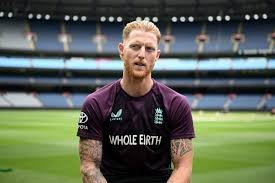 Stokes urges empathy for England players amid Ashes struggles
 Damien Martyn in Induced Coma After Meningitis Diagnosis
 Spin Bowling Struggles as Pace Dominates 2025 Ashes Series
 Anthony Joshua Released After Nigeria Car Crash
 Chelsea Sack Looms: Enzo Maresca Relationship Collapses
 Africa’s Superpowers Shine in Cup of Nations Quarter-Finals
 Amorim’s United Future Uncertain Amid Wilcox Tension
 Raducanu Battles Injury as Britain Exit United Cup
 Australia Dominates England: Smith, Head Crush Bowlers in Sydney
 Australian Open Prize Money Hits Record $111.5m
 Nick Kyrgios Faces Singles Struggles at Brisbane Tennis Return
 Nottingham Forest Deny West Ham in Dramatic Late Win
 Manchester United Fan Group Targets Jim Ratcliffe Over Club Chaos
 Morocco sail into Afcon semis after Díaz inspires win
 Wrexham stun Nottingham Forest with Okonkwo FA Cup heroics
 Salah Shines as Egypt Knock Out Ivory Coast at Afcon
 Israeli fans ban questioned after Dutch police dispute evidence
 Semenyo Shines for City – Winners and Losers of Transfer
 Geopolitical football: Iran, Trump and the World Cup clash
 Regragui condemns Afcon final chaos after dramatic defeat
 Brahim Díaz’s Panenka Fail Highlights Penalty Risks
 Madison Keys’ Australian Open defence tested as Ukrainian debutant dazzles
 ‘A long time coming’: US table tennis finds its moment
 Mbappé’s Late Penalty Lifts Real Past Nine-Man Rayo
 Women’s FA Cup Could Introduce Seeded Teams from Last 32
 Yamal and Rashford Shine as Barcelona Reach Copa Semis
 Newcastle fans face bleak reality under Saudi ambitions
 ICC Men’s T20 World Cup – Everything You Need to Know
 ‘Scrutiny and Pressure on Irish Has Reached New Level’ — Rugby Faces Brutal Spotlight After France Defeat