Published: 18 February 2026. The English Chronicle Desk. The English Chronicle Online
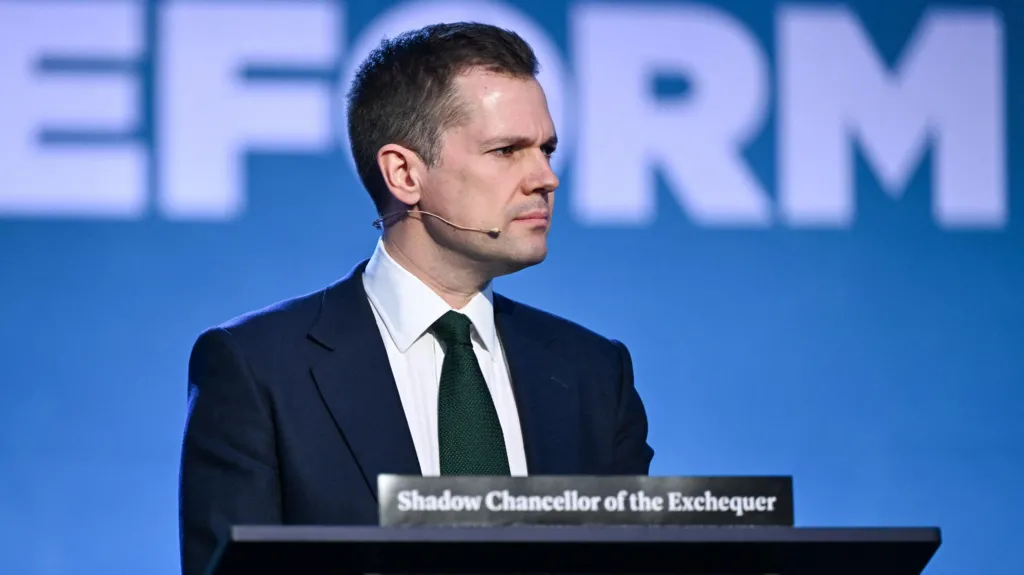
In a significant policy announcement on Wednesday, the populist political party Reform UK pledged that it would retain the Office for Budget Responsibility (OBR) — the United Kingdom’s independent fiscal watchdog — if it wins power in the next general election, aiming to reassure financial markets and the business community. The broadcaster BBC reported the development today as part of Reform’s broader economic strategy, signaling a shift from earlier comments by party leaders suggesting the body might be scrapped.
The OBR, established in 2010, produces independent forecasts on the economy and government finances that accompany annual budgets and fiscal statements. Its assessments are widely respected by markets and policymakers for adding credibility and transparency to public spending plans. Reform’s announcement — made by its newly appointed economic spokesman, Robert Jenrick — underscores a commitment to uphold fiscal discipline, even as the party seeks to reshape parts of the UK’s economic framework.

The pledge to retain the OBR contrasts with earlier remarks from Reform UK leader Nigel Farage, who acknowledged earlier this year that he was “giving serious thought” to scrapping the watchdog, describing it as a body that can “dictate” to elected politicians. Jenrick’s comments reflect an effort to balance political appeal with financial credibility, particularly as Reform seeks to broaden its appeal to investors, pension funds, and markets concerned about fiscal stability.
Under Reform’s plans, the Bank of England would also remain independent, preserving its role in setting monetary policy. However, the party intends to reform aspects of fiscal and economic governance, such as proposing ways to diversify and open up the OBR’s forecasting panels to external experts. Critics argue some of Reform’s broader economic plans on taxation and public spending lack detail, but the OBR pledge marks an attempt to reassure businesses and international observers that fiscal oversight would continue even under new leadership.
The commitment comes amid broader debates in UK politics about how much influence independent watchdogs should wield over elected government policy. Proponents of the OBR say its forecasts help guard against unsustainable budgets and protect long‑term economic stability. Opponents, including some Reform figures, have argued that strict adherence to its forecasts can limit political flexibility. Reform’s latest stance seeks a middle ground by keeping the watchdog while promising internal reforms and greater scrutiny of its methodologies.

As the UK approaches future elections, the role of independent fiscal institutions like the OBR — and how political parties commit to their independence and function — is likely to remain a central issue. For now, Reform UK’s pledge to retain the OBR sets it apart from earlier rhetoric within its own ranks and may influence debates about fiscal governance across the political spectrum.
Related News:
 George Osborne Warns UK Is Falling Behind in Global Cryptocurrency Race
 David Lammy Faces Possible Legal Challenge Over Foreign Office Secondment Scheme
 Grant Shapps Cleared to Join Defence Startup Despite Ethical Concerns
 Chancellor Rachel Reeves Pushes for Sweeping Changes to Environmental Protections to Accelerate Development
 Scotland Bans Arms Firms Supplying IDF from Receiving Financial Support
 Government Launches £338m Scheme to Support Sick and Disabled People Back into Work
 Starmer Urged to Champion Workers’ Rights Amid Low Public Awareness
 Rachel Reeves Hosts Top UK and US Financial Executives as Trump’s State Visit Begins
 Donald Trump’s UK State Visit Kicks Off Amid Major Tech Investments and Business Engagements
 Farage’s Reform UK Receives £100,000 from Design Firm with Past Tax Issues
 Rachel Reeves Faces Criticism Over Appearance at Gambling Industry Event Amid Tax Review
 King Charles Earns Over £1 Million from Duchy Land Linked to Scrapped HS2 Project
 Gatwick Secures Approval for £2.2bn Second Runway Expansion
 Labour to Unveil Ambitious Plan for 12 New Towns to Tackle England’s Housing Crisis
 Senior Tories Condemn Badenoch’s Vow to Repeal Climate Change Act as Catastrophic
 Labour Faces Budget Dilemma as Reeves Urged to Break Manifesto Promises
 Kemi Badenoch Unveils ‘Golden Rule’ to Halve Spending Cuts for Deficit Reduction at Tory Conference
 Richard Tice’s Business Record Contrasts with His ‘Net Stupid Zero’ Criticism
 UK Labour Market Shows Signs of Stabilising After Job Losses
Rachel Reeves urged to consider welfare cuts to boost fiscal credibility
UK Labour Market Shows Signs of Stabilising After Job Losses
Rachel Reeves urged to consider welfare cuts to boost fiscal credibility
 Lucy Powell urged ministers to reconsider costly legal case for Labour donor’s firm
 Miliband Promises New Nuclear Stations if SNP Ousted
 Tories Push to Dilute Labour’s Workers’ Rights Bill
 Rachel Reeves to lead UK trade push in Saudi Arabia amid rights debate
 Trump’s UK Ambassador Urges North Sea Drilling to Strengthen US Ties
 Rachel Reeves Set to Break Labour Pledge and Raise Income Tax
 Thinktanks Urge Rachel Reeves to Reform UK Tax System
 Company linked to Michelle Mone owes £39m in tax
MPs Press Rachel Reeves to Hike Gambling Taxes
Company linked to Michelle Mone owes £39m in tax
MPs Press Rachel Reeves to Hike Gambling Taxes
 Cuts to home insulation funding threaten UK climate goals
 Millionaires group urge Reeves to introduce wealth tax to ‘lift kids out of poverty’
 PM Highlights UK Business at G20 in South Africa
 English Mayors Set to Introduce Tourist Taxes
 Starmer Says Labour’s Economic Plan Needs Years to Deliver
BBC bosses ‘right to stick by their guns’ against Trump, says minister
Starmer Says Labour’s Economic Plan Needs Years to Deliver
BBC bosses ‘right to stick by their guns’ against Trump, says minister
 China Dependence Threatens UK Energy Supply Chains and Jobs
 MPs warn AI financial risks threaten UK stability
 MPs warn AI financial risks threaten UK stability
 UK Government Borrowing Drops to £11.6bn in December
 Labour Must Revive High Streets to Avoid Election Collapse
 Barclays drops Global Counsel after Mandelson link scrutiny
 Unsustainable gaps in franchise policing, MPs warn
 Could Manchester Lead the UK’s Economic Revival?
 Robert Jenrick to Be Unveiled as Reform UK’s Treasury Spokesman, Reports Say
 UK shelves £110m border project amid trade strain
 UK Must Act with Courage and Clarity on Israel-Palestine Conflict, Says Foreign Affairs Committee Report
 Radioactive Leak at UK’s Nuclear Warhead Base Sparks Outcry Over Safety and Secrecy
 Is the UK Ready to Put Boots on the Ground in Ukraine? Assessing Military Capacity and Challenges
 Police Scotland Spends £500,000 Compensating Officers Over Trump Visit
 Urgent Action Needed on Windrush Compensation as Survivors Speak of “Waiting to Die”
 Tanni Grey-Thompson Faces Abuse Over Opposition to Assisted Dying Bill
 TfL Invites RMT to Resume Talks as London Tube Strikes End
 Nigel Farage Unveils Controversial Immigration and Welfare Plans at Reform UK Press Conference
 Great Britain’s Energy Operator Commits to Strengthening Grid to Prevent Blackouts
 Ed Miliband Warns UK Government on X, Citing Elon Musk as a “Dangerous Influence”
UK House Price Growth Slows as Buyers Exercise Caution Ahead of Autumn Budget
Ed Miliband Warns UK Government on X, Citing Elon Musk as a “Dangerous Influence”
UK House Price Growth Slows as Buyers Exercise Caution Ahead of Autumn Budget
 UK border officers deployed to Balkans to tackle migrant smuggling
 UK MPs warn of repeat riots over online misinformation
 New V-Level qualification to transform post-16 education
 Real living wage set to rise nearly 7% for UK workers in 2026
 Army Barracks to House Migrants as Hotels Phase Out
Reeves Faces Setback as Labour May Miss Homes Target
M&S Profits More Than Halve After Cyber-Attack
Army Barracks to House Migrants as Hotels Phase Out
Reeves Faces Setback as Labour May Miss Homes Target
M&S Profits More Than Halve After Cyber-Attack
 Reeves rejects £1bn plea for NHS redundancy payouts
 PM Condemns Leaks, Vows Loyalty to Ministers and Stability
 Major Rent Reform Ends No-Fault Evictions in England
 England delays four mayoral elections amid criticism
 Historic £100-Weekly Pension Boost Brings Relief for UK Mineworkers
 UK Ministers Drop Foreign Student Targets for Global Education Push
 No Gas Boiler Ban as UK Warm Homes Plan Backs Heat Pumps
 Shinzo Abe’s killer receives life sentence in Japan
 Police response times face strict new national limits
 Labour policing overhaul sparks fears over growing central control
 Starmer warns of toxic division politics in Reform challenge
 UK New Car Discounts Near £6,000 as Prices Are Slashed
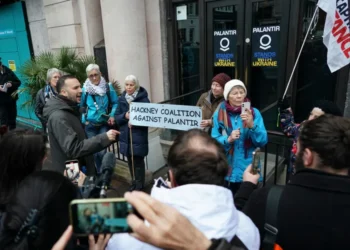 Palantir contracts face UK halt calls over transparency
 Pound Sinks and Borrowing Costs Rise as Starmer Fights for Job
 Major UK Clothing Firm Collapses into Administration — 109 Jobs at Risk
 Starmer Weighs Fast-Tracking Defence Boost
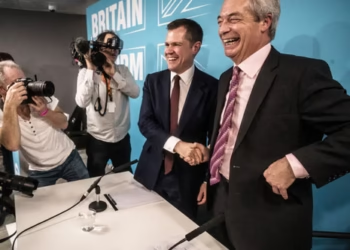 Farage to Name Jenrick as Reform Chancellor Pick