Published: 18 February 2026. The English Chronicle Desk. The English Chronicle Online.
Calls to prohibit Brazilian Butt Lifts have intensified after MPs warned of a dangerous cosmetic free-for-all. A cross-party group has urged the Government to outlaw high-risk liquid Brazilian Butt Lifts without delay. The recommendation follows a nine-month parliamentary inquiry examining serious failures within Britain’s cosmetic sector. Evidence gathered from medical experts, victims, and regulators paints a troubling picture of unsafe practice. The report concludes that Brazilian Butt Lifts, particularly non-surgical versions, pose an unacceptable threat to public safety.
The Women and Equalities Committee, chaired by Sarah Owen, described the current landscape as a “wild west” industry operating beyond meaningful oversight. MPs found that individuals with no medical qualifications are performing invasive treatments in makeshift settings. Procedures have reportedly taken place in garden sheds, rented flats, hotel rooms, and even public toilets. Such environments lack clinical hygiene standards, increasing the risk of infection, sepsis, and permanent injury.
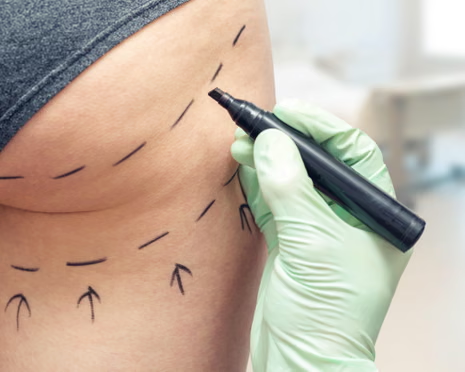
A Brazilian Butt Lift, commonly known as a BBL, is marketed as a body-enhancing procedure designed to reshape and enlarge the buttocks. In surgical settings, fat is transferred from one part of the body to another. However, the inquiry focused heavily on liquid Brazilian Butt Lifts, where dermal fillers are injected to increase volume. These injections can migrate, block blood vessels, and cause fatal complications. Medical professionals told MPs that this variation carries particularly high mortality risks.

The committee’s findings were shaped by harrowing personal testimonies. One woman described being admitted to intensive care after contracting sepsis following a botched procedure. She spent weeks in hospital recovering from life-threatening complications. Another case involved 33-year-old Alice Webb, a mother of five from Gloucestershire, who died after undergoing a liquid BBL in 2024. Her death sent shockwaves through communities and intensified scrutiny of cosmetic regulation.
MPs concluded that the regulatory framework has failed to keep pace with the industry’s rapid expansion. Currently, there is no mandatory licensing scheme governing who can perform non-surgical cosmetic procedures. Treatments such as fillers, botulinum toxin injections, laser therapy, and chemical peels can legally be administered by individuals without formal medical training. This regulatory gap has enabled unqualified practitioners to operate freely, often advertising aggressively on social media platforms.
Sarah Owen stated that high-risk interventions like liquid Brazilian Butt Lifts should be banned immediately, without further consultation. She argued that sufficient evidence already demonstrates their danger. The committee further recommended the urgent introduction of a licensing system for lower-risk cosmetic procedures. Under such a system, only trained and accredited professionals would be permitted to perform specific treatments. MPs warned that continued delay risks further preventable injuries and deaths.
The Department of Health and Social Care responded by acknowledging the seriousness of the findings. Officials confirmed the Government would review the recommendations carefully and respond formally in due course. A spokesperson emphasised that ministers are committed to tackling unsafe cosmetic practices. Proposed measures include tightening restrictions so that only qualified healthcare professionals may perform the most dangerous procedures. However, campaigners argue that action must be swift and decisive to prevent further harm.
The inquiry also examined broader social factors driving demand for cosmetic enhancements. MPs heard evidence that body image pressures, intensified by social media filters and edited imagery, are influencing younger people disproportionately. Influencers often promote dramatic transformations without disclosing risks or medical realities. This online culture can normalise procedures such as Brazilian Butt Lifts, presenting them as routine beauty treatments rather than invasive medical interventions.
Medical experts told the committee that complications from liquid filler injections can be catastrophic. When filler enters a blood vessel, it may cause tissue death or embolism. In severe cases, patients can suffer organ failure or fatal outcomes. Unlike regulated surgical environments, many unlicensed settings lack emergency equipment or trained staff capable of responding to complications. This absence of safeguards dramatically increases risk when procedures go wrong.
The committee’s report stressed that voluntary self-regulation within the cosmetic sector has proven ineffective. Despite previous warnings from healthcare leaders, enforcement mechanisms remain fragmented. More than a decade ago, the head of the NHS cautioned that individuals seeking non-surgical cosmetic treatments had little legal protection. Today, MPs argue that the situation has worsened as demand has grown and oversight has stagnated.
Campaigners supporting stricter controls believe that banning Brazilian Butt Lifts in their liquid form would send a strong signal. They argue that prohibiting the most dangerous procedures could prevent exploitative operators from targeting vulnerable clients. Many victims are drawn in by low prices and persuasive online marketing. In some cases, treatments are offered at a fraction of standard clinical costs, raising questions about product quality and practitioner competence.
Critics of an outright ban caution that prohibition may drive the practice underground. However, MPs counter that the current lack of regulation already resembles an unregulated underground market. They contend that clear legal boundaries, combined with robust licensing, would create safer pathways for those choosing cosmetic treatments. Enforcement, they say, must accompany legislative reform to ensure compliance.

Public health advocates have welcomed the committee’s intervention. They argue that cosmetic procedures should be treated as medical acts rather than beauty services. This distinction carries implications for training, insurance, and accountability. By recognising procedures such as Brazilian Butt Lifts as high-risk medical interventions, regulators could impose stricter safety standards and oversight.
Families affected by complications hope the report will catalyse meaningful change. For them, the debate is not abstract policy but lived tragedy. They describe enduring emotional and financial consequences long after hospital discharge. In fatal cases, loved ones are left grieving losses they believe were preventable.
The committee concluded that urgent legislative action is required within the current parliamentary term. Delaying reform, MPs warned, fosters complacency and emboldens unsafe operators. They urged ministers to prioritise patient safety over commercial interests. Without decisive intervention, they cautioned, Britain risks further erosion of trust in cosmetic healthcare.
As the Government prepares its formal response, the future of Brazilian Butt Lifts in the UK remains uncertain. Yet the message from Parliament is clear. High-risk cosmetic procedures cannot continue unchecked. The safety of patients, particularly young women influenced by social media ideals, must come first. Whether through an immediate ban or sweeping regulatory reform, MPs insist that the era of cosmetic lawlessness must end.
Related News:
 Mother dies after black market weight loss injection
 Young Woman Missed 13 Times by GPs Before Bowel Cancer Diagnosis
 Hospice Cuts Raise Alarm Across England Amid Funding Crisis
 How Bringing Forests Into Preschools Boosts Children’s Health
 The diet that can significantly ease symptoms of IBS
 Celebrities and Charities Demand UK Government Act on Child Poverty
 Long A&E waits causing heartbreaking suffering, charity says
 Experts Warn on Home Birth Risks, Call for Skilled Midwives
 Lancashire council plans to close care homes and day centres
 Britain could face worst flu season on record, NHS warns
 Experts Urge Legal Right to Timely Cancer Care
 Patients to Test Health at Home to Ease NHS Winter Pressure
 London’s Childlessness Crisis: Schools Closing as Families Shrink
 NHS Takes Over Nuffield Hospital in ‘Windfall’ for London Care
 North Sea oil workers must lose weight or face job loss
 Crisis charity to become landlord amid UK housing emergency
 No link found between paracetamol in pregnancy and autism
 UK Disability Pay Gap Means Millions Work for Free From Today
 Shouting Works Best to Deter Gulls, UK Study Finds
 Reeves rejects £1bn plea for NHS redundancy payouts
 NHS trust fined after woman takes life in mental health unit
 Leading doctors issue warning amid ‘bad’ flu season
 UK Centres Used Risky Heart Pump Despite Safety Fears
 Reeves Rejects £1bn NHS Payout Plea from Streeting
 New Campaign Trains Vets to Spot Farmers’ Health Risks
 Stroke Patient Mistaken for Drunk, Care Delayed
 ‘Traumatic Wait’: Northern Ireland Women Face Breast Cancer Delays
 Boris Johnson Oversaw Toxic No 10 Culture, Covid Inquiry Finds
 Welsh Government Christmas 2020 Lockdown Criticised
 Coffins Now Too Large to Cremate Amid Rising Obesity Crisis
 Thinktank Urges Smaller Hospitals to End NHS ‘Permacrisis’
 David Cameron Reveals Prostate Cancer Diagnosis, Advocates Screening
 NHS paediatric leave parents waiting months for answers
 Catherine urges end to stigma around addiction
 11 Best Supermarket Wines Chosen by Experts and Sommeliers
 Inquiry Opens Into Disgraced Surgeon Eljamel Scandal
 Five-Year-Old Dies After Rare Tonsil Surgery Complication
 Fibromyalgia Patients Struggle as NHS Fails to Provide Care
 More Patients Now Contacting GPs Online, Data Shows
 Streeting launches review into mental health and ADHD diagnoses
 Flu cases in Scotland more than double in a week
 People in England’s Poorest Areas Face Higher Lung Health Emergencies
 MND Patients Die Waiting for Home Adaptations in England
 Minor A&E Visits Surge Across England as Hospitals Face Pressure
 Children to Receive Home Vaccines as England Acts
 UK children to get chickenpox jab with MMRV vaccine
 UK Enforces Junk Food Ad Ban Before 9pm
 Salt Intake England: Crisps Comparison Sparks Health Alarm
 Weight Loss Jabs Linked to Rapid Weight Regain, New Study Shows
 Patients Collapsing in NHS Corridors, Watchdog Warns
 Offenders to Receive Health Support During Probation Appointments
 NHS Violence Crisis: Staff Face Daily Assaults
 Celebrity Campaign Highlights SMA Screening Failures
 NHS corridor care crisis sparks fears over patient safety
 Jess’s Rule Urges GPs to Rethink Persistent Symptoms
 UK Glaucoma Rise Signals Looming Eye Health Crisis by 2060
 UK ADHD medication use triples over 13 years, landmark study finds
 Reform UK Health Plan ‘Would Cost £1.7bn’, Streeting Says
 NHS boosts bowel screening accuracy with FIT reform
 UK loses measles-free status amid deaths and jab decline
 Nottingham survivor warns of repeat attacks without mental health reform
 UK vets face reforms to tackle high pet care costs
 Small risk warning raised over weight-loss jabs in UK review
 Study Finds One in Seven England Takeaways Are Dark Kitchens
 Deadly Cancer Postcode Lottery Limits NHS Care
 Pneumonia Surge Pushes England Emergency Cases Higher
 Streeting moves on doctor pay to end strike dispute
 UK reports baby formula toxin poisoning cases across the country
 Children of Close-Relative Parents Face Higher Mortality Risk in England
 North London measles outbreak hits young children
 Kate Winslet to Narrate Film Highlighting King’s Environmental Mission
 Trump’s UK Ambassador Urges North Sea Drilling to Strengthen US Ties
 UK Bans Fake Numbers: Scammers Lose Their Trick
 Millionaires group urge Reeves to introduce wealth tax to ‘lift kids out of poverty’
 PM Condemns Leaks, Vows Loyalty to Ministers and Stability
 Inside the Helpline Protecting Missing Children in the UK
 PlayStation PS5 Deals Hit Lowest Prices Ahead of Black Friday
 Starmer Says Labour’s Economic Plan Needs Years to Deliver
 Cambridge College Faces Backlash Over Private School Recruitment
 Bereaved Fathers Gain New Paternity Leave Rights in UK