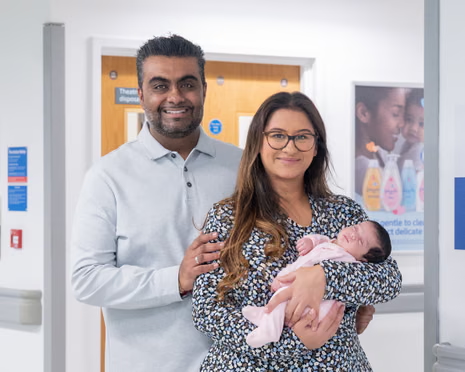
Published: 18 February 2026. The English Chronicle Desk. The English Chronicle Online.
Amisha Adhia has launched a campaign urging the NHS to improve early diagnosis of placenta accreta, highlighting serious gaps in maternity care. Placenta accreta, a rare but potentially fatal pregnancy complication, occurs when the placenta grows too deeply into the uterine wall, obstructing normal separation during childbirth. The condition can trigger catastrophic bleeding within minutes if undetected. Adhia, whose condition was missed by five hospitals, emphasises that timely recognition is essential for saving lives. Early identification of placenta accreta allows specialists to plan delivery safely, avoiding emergency hysterectomies and severe maternal blood loss.
The campaign, named Action for Accreta, was co-founded by Adhia and her husband, Nik, following her harrowing pregnancy experience. Adhia, 36, learned she had placenta accreta only after a consultant obstetrician at Queen’s Hospital in Romford correctly diagnosed her condition. Earlier assessments had falsely assured her of negligible risk because her placenta was high rather than low lying. “I was reassured into danger,” she said. “I felt unheard and feared for both my life and my daughter’s.” Her delivery of Ishaani last September was carefully managed, preventing serious complications despite significant blood loss.

Placenta accreta spectrum (PAS) primarily affects women with prior caesarean sections or those who have undergone IVF treatment. Experts warn that rates are rising in England as C-section deliveries now outnumber vaginal births slightly, at 45% versus 44%. Current NHS estimates suggest that between one in 300 and one in 2,000 pregnancies are affected, though the true prevalence may be higher, as evidenced by international studies indicating one in 111 pregnancies could involve PAS. Lack of consistent national recording means exact figures are unavailable, leaving many women vulnerable.
Adhia’s campaign has attracted widespread support from maternity and maternal health organisations. Birthrights, the Birth Trauma Association, and major charities like Tommy’s and Sands have endorsed the initiative. Their joint statements highlight gaps in awareness, surveillance, and learning surrounding serious pregnancy complications, advocating for improved diagnosis, monitoring, and training for clinicians. Adhia and Nik also provided testimony to Valerie Amos’s inquiry into maternity care, requesting NHS guidelines explicitly address atypical forms of placenta accreta.
Dr Chineze Otigbah, the consultant obstetrician who diagnosed Adhia, warns that insufficient specialist coverage in hospitals increases the risk of PAS being overlooked. “The main risk factors are rising C-section rates and IVF treatments, yet NHS practices have not fully adapted to this reality,” she said. Adhia’s experience of being repeatedly dismissed by multiple hospitals underscores the urgent need for comprehensive training in identifying the condition.
Placenta accreta occurs when the placenta embeds too deeply in the uterine wall, sometimes covering or blocking the cervix. Without anticipation, the separation of the placenta during birth becomes extremely difficult, often leading to severe haemorrhage. Emergency hysterectomy is frequently required, and maternal mortality can result from rapid blood loss. Early detection via imaging scans and specialist oversight is critical to manage delivery safely and reduce risks to both mother and child.
The Royal College of Obstetricians and Gynaecologists (RCOG) notes that PAS, including placenta praevia, is associated with high maternal and neonatal morbidity and mortality. Their guidance confirms that prevalence is increasing due to higher maternal age, assisted reproductive technologies, and C-section rates. RCOG plans to update its guidelines later this year, emphasising the importance of specialist teams in hospitals equipped to manage high-risk pregnancies.
Despite public concern, NHS England has not directly responded to campaign demands. Prof Donald Peebles, national clinical director for maternity, highlighted that while PAS is rare, it can cause life-threatening haemorrhage, making early identification of high-risk women crucial. Maternity teams receive training to identify warning signs, and patients with prior C-sections are referred to specialist centres as necessary. However, the lack of nationwide data recording leaves some women at risk of being overlooked.
Amisha Adhia and her husband stress that raising awareness of PAS could prevent future tragedies. Their campaign seeks to influence updated NHS guidance, ensuring that even atypical cases are recognised promptly. Adhia recalls how early misdiagnosis left her feeling ignored and endangered, a scenario she believes is not unique. Around 40 women have contacted the couple after experiencing undiagnosed placenta accreta during pregnancy or labour, demonstrating the pressing need for improved detection and care.

Medical experts reiterate that identifying PAS before labour is vital. Planned delivery in specialised settings with multidisciplinary teams greatly reduces maternal and neonatal complications. Advances in ultrasound imaging, MRI scans, and collaborative obstetric protocols offer a pathway to safer pregnancies for women at risk. Public campaigns like Action for Accreta aim to bridge the gap between clinical expertise and patient awareness, promoting timely diagnosis and empowering women to seek second opinions when necessary.
As the NHS prepares updated guidelines, the Adhias continue their advocacy for systemic change. Their story highlights how rare pregnancy complications can be missed, and the consequences of under-recognition can be life-threatening. The campaign underscores the urgent need for better education among healthcare professionals, robust monitoring systems, and the inclusion of atypical PAS presentations in standard maternal health protocols.
In conclusion, Action for Accreta shines a spotlight on the importance of recognising placenta accreta early, ensuring appropriate specialist care, and preventing avoidable maternal morbidity and mortality. As more women undergo C-sections and IVF procedures, the campaign warns that undiagnosed PAS will continue to pose significant risks unless systemic improvements are implemented across NHS maternity services. Amisha Adhia’s experience serves as a powerful call for vigilance, proactive diagnosis, and comprehensive support for at-risk mothers.
Related News:
 Mother dies after black market weight loss injection
 Young Woman Missed 13 Times by GPs Before Bowel Cancer Diagnosis
 Hospice Cuts Raise Alarm Across England Amid Funding Crisis
 How Bringing Forests Into Preschools Boosts Children’s Health
 The diet that can significantly ease symptoms of IBS
 Celebrities and Charities Demand UK Government Act on Child Poverty
 Long A&E waits causing heartbreaking suffering, charity says
 Experts Warn on Home Birth Risks, Call for Skilled Midwives
 Lancashire council plans to close care homes and day centres
 Britain could face worst flu season on record, NHS warns
 Experts Urge Legal Right to Timely Cancer Care
 Patients to Test Health at Home to Ease NHS Winter Pressure
 London’s Childlessness Crisis: Schools Closing as Families Shrink
 NHS Takes Over Nuffield Hospital in ‘Windfall’ for London Care
 North Sea oil workers must lose weight or face job loss
 Crisis charity to become landlord amid UK housing emergency
 No link found between paracetamol in pregnancy and autism
 UK Disability Pay Gap Means Millions Work for Free From Today
 Shouting Works Best to Deter Gulls, UK Study Finds
 Reeves rejects £1bn plea for NHS redundancy payouts
 NHS trust fined after woman takes life in mental health unit
 Leading doctors issue warning amid ‘bad’ flu season
 UK Centres Used Risky Heart Pump Despite Safety Fears
 Reeves Rejects £1bn NHS Payout Plea from Streeting
 New Campaign Trains Vets to Spot Farmers’ Health Risks
 Stroke Patient Mistaken for Drunk, Care Delayed
 ‘Traumatic Wait’: Northern Ireland Women Face Breast Cancer Delays
 Boris Johnson Oversaw Toxic No 10 Culture, Covid Inquiry Finds
 Welsh Government Christmas 2020 Lockdown Criticised
 Coffins Now Too Large to Cremate Amid Rising Obesity Crisis
 Thinktank Urges Smaller Hospitals to End NHS ‘Permacrisis’
 David Cameron Reveals Prostate Cancer Diagnosis, Advocates Screening
 NHS paediatric leave parents waiting months for answers
 Catherine urges end to stigma around addiction
 11 Best Supermarket Wines Chosen by Experts and Sommeliers
 Inquiry Opens Into Disgraced Surgeon Eljamel Scandal
 Five-Year-Old Dies After Rare Tonsil Surgery Complication
 Fibromyalgia Patients Struggle as NHS Fails to Provide Care
 More Patients Now Contacting GPs Online, Data Shows
 Streeting launches review into mental health and ADHD diagnoses
 Flu cases in Scotland more than double in a week
 People in England’s Poorest Areas Face Higher Lung Health Emergencies
 MND Patients Die Waiting for Home Adaptations in England
 Minor A&E Visits Surge Across England as Hospitals Face Pressure
 Children to Receive Home Vaccines as England Acts
 UK children to get chickenpox jab with MMRV vaccine
 UK Enforces Junk Food Ad Ban Before 9pm
 Salt Intake England: Crisps Comparison Sparks Health Alarm
 Weight Loss Jabs Linked to Rapid Weight Regain, New Study Shows
 Patients Collapsing in NHS Corridors, Watchdog Warns
 Offenders to Receive Health Support During Probation Appointments
 NHS Violence Crisis: Staff Face Daily Assaults
 Celebrity Campaign Highlights SMA Screening Failures
 NHS corridor care crisis sparks fears over patient safety
 Jess’s Rule Urges GPs to Rethink Persistent Symptoms
 UK Glaucoma Rise Signals Looming Eye Health Crisis by 2060
 UK ADHD medication use triples over 13 years, landmark study finds
 Reform UK Health Plan ‘Would Cost £1.7bn’, Streeting Says
 NHS boosts bowel screening accuracy with FIT reform
 UK loses measles-free status amid deaths and jab decline
 Nottingham survivor warns of repeat attacks without mental health reform
 UK vets face reforms to tackle high pet care costs
 Small risk warning raised over weight-loss jabs in UK review
 Study Finds One in Seven England Takeaways Are Dark Kitchens
 Deadly Cancer Postcode Lottery Limits NHS Care
 Pneumonia Surge Pushes England Emergency Cases Higher
 Streeting moves on doctor pay to end strike dispute
 UK reports baby formula toxin poisoning cases across the country
 Children of Close-Relative Parents Face Higher Mortality Risk in England
 North London measles outbreak hits young children
 UK MPs Demand Ban on Brazilian Butt Lifts
 Cambridge College Faces Backlash Over Private School Recruitment
 Bereaved Fathers Gain New Paternity Leave Rights in UK
 Woman Jailed for Life After Killing E-Bike Rider in Tragic Mistaken Identity Case
 No Gas Boiler Ban as UK Warm Homes Plan Backs Heat Pumps
 Police response times face strict new national limits
 Devon hosts first high-density hydro power system
 AI breast screening cuts later cancer diagnoses by 12%, study finds
 Most Statin Side-Effects Are Not Caused by Drugs, Study Confirms
 Send spending gap leaves deprived areas behind