Published: 20 February 2026. The English Chronicle Desk. The English Chronicle Online.
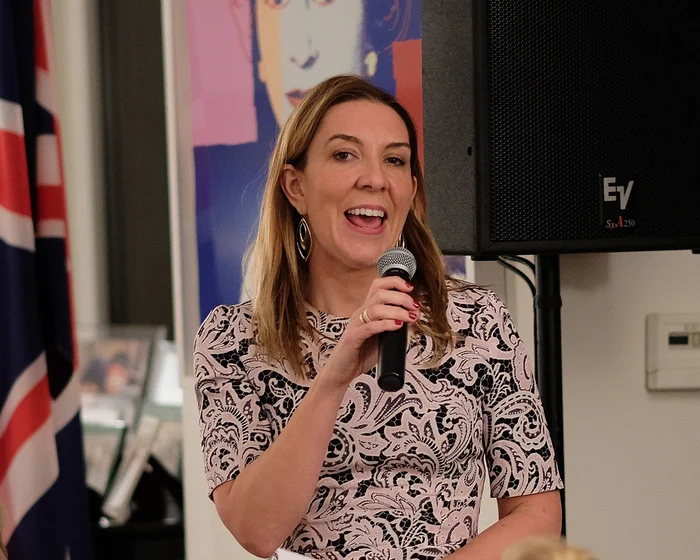
The Antonia Romeo appointment as cabinet secretary has ignited fierce debate across Whitehall. The decision by Keir Starmer to elevate her to the civil service’s top role drew sharp reactions. Several former colleagues have expressed concern about past allegations linked to her diplomatic service. Their complaints, first raised nearly a decade ago, have resurfaced following her promotion. The controversy now shadows what is otherwise a historic moment for the British civil service.
Sir Keir confirmed the Antonia Romeo appointment on Thursday, praising her long public service career. He described her as an outstanding official with a record of delivery. The prime minister said she would drive reform and strengthen government efficiency. Supporters argue she has repeatedly shown determination and strategic clarity in complex roles. They note her experience spans the Foreign Office and senior Cabinet Office positions.
However, critics question the judgment behind the Antonia Romeo appointment. They point to formal complaints made in 2017 during her tenure in New York. At that time, she served as Britain’s consul general in the United States. Several colleagues accused her of bullying and intimidation in workplace disputes. The allegations were investigated but later dismissed by senior managers.

Those who complained say they feel overlooked and disappointed by the outcome. Some former staff members described her management style as harsh and threatening. They alleged she warned individuals their careers would suffer after disagreements. One complaint claimed she labelled a refusal to follow instructions a “career-limiting move”. Another said she threatened to damage a colleague’s professional reputation in London.
The investigation was led by senior diplomat Tim Hitchens. He conducted a week-long review into the allegations. His findings reportedly concluded there was a case to answer regarding management style. However, he did not uphold claims concerning financial matters. Ultimately, the Cabinet Office dismissed the complaint and cleared her of wrongdoing.
The financial allegations included questions about redecorating her official residence. It was claimed that paint company Farrow & Ball supplied materials worth over $100,000 in exchange for publicity. There was also scrutiny of a taxi expense claim to a football match. These matters were reviewed and found not to warrant disciplinary action. Officials at the time concluded no formal breach had occurred.
Despite those conclusions, the Antonia Romeo appointment has reignited tensions. Former complainants have reportedly contacted the Cabinet Office again in recent weeks. They argue that due diligence should have been more thorough before confirmation. Some believe that past concerns risk undermining trust within the civil service. Others warn that morale could be affected if grievances appear ignored.
The controversy gained public attention after comments from Simon McDonald. The former head of the Foreign Office urged greater scrutiny before final approval. He suggested the prime minister should consider the wider implications carefully. His remarks added pressure during an already sensitive selection process.
Downing Street insists proper vetting procedures were followed. Officials state that previous assessments were revisited during the selection stage. They also confirmed consultation with Gisela Stuart. According to No 10, the civil service commissioner advised that a full rerun of the process was unnecessary. Government sources argue the allegations were historic and formally resolved.
Sir Keir defended the Antonia Romeo appointment publicly, expressing full confidence in her leadership. He highlighted her 25 years of service across challenging departments. He said she understands the need for reform and accountability. The prime minister framed her leadership as central to national renewal. His remarks sought to shift focus toward future priorities.
Romeo herself described the role as a profound honour. She praised the civil service as a remarkable institution serving the public good. In her statement, she emphasised delivery, efficiency, and innovation. She pledged to implement the government’s agenda effectively and responsibly. Her words aimed to reassure staff during a turbulent week.
Supporters argue she is dynamic and willing to challenge entrenched systems. They believe her decisiveness can accelerate long-delayed reforms. Allies describe her as focused, strategic, and results-driven. They say strong leadership sometimes generates discomfort during change. From their perspective, her record reflects determination rather than hostility.
Critics remain unconvinced by those explanations. They argue that leadership style matters as much as policy outcomes. Some former colleagues say the culture within teams suffered under pressure. They believe respect and collaboration are essential qualities for the cabinet secretary. For them, the Antonia Romeo appointment raises concerns about tone at the top.
The cabinet secretary holds a uniquely influential position in British governance. The role oversees the civil service and advises the prime minister. It also shapes the relationship between ministers and officials. As the first woman appointed to this office, Romeo’s selection carries symbolic weight. Many recognise the milestone for gender representation in senior leadership.
Yet symbolism alone does not settle the debate. Observers note that trust in public institutions depends on transparency. They argue that unresolved perceptions can erode confidence. In recent years, scrutiny of senior appointments has intensified. Public accountability remains central to Whitehall’s credibility.
The renewed focus on past allegations reflects broader cultural shifts. Workplaces across Britain increasingly examine historic complaints with fresh eyes. Standards of conduct have evolved significantly over the past decade. Behaviour once dismissed as robust management may now attract stronger criticism. This context shapes the reaction to the Antonia Romeo appointment.

Government insiders emphasise that formal procedures cleared her at the time. They caution against reopening settled matters without new evidence. Some argue that revisiting decade-old cases risks politicising civil service roles. They stress that institutional memory includes due process outcomes. According to this view, fairness requires respecting earlier investigations.
Nevertheless, the discussion highlights tensions between reform and reassurance. The prime minister seeks rapid change within Whitehall structures. Critics warn that speed should not override careful evaluation. Balancing urgency with diligence remains a delicate task for any administration. The Antonia Romeo appointment illustrates how leadership choices can spark wider debate.
Political analysts suggest the issue may fade if her tenure proves effective. Successful reform could quiet critics over time. Conversely, any future controversy might revive earlier allegations. Much depends on how she navigates internal relationships during her early months. Staff morale and communication will be closely watched.
For now, the government stands firmly behind its decision. Sir Keir appears determined to project confidence and stability. His team argues that experience and capability outweigh historic complaints. Whether that calculation proves wise remains uncertain. Public opinion may shift as developments unfold.
The story resonates beyond individual careers. It reflects ongoing conversations about accountability, power, and workplace culture. The Antonia Romeo appointment sits at the intersection of those themes. As Britain enters a new political chapter, leadership standards will remain under scrutiny. Whitehall’s future direction may hinge on trust as much as policy.
Related News:
 British Woman in Iran ‘Losing Hope’ Amid Ongoing Detention
 BBC Journalist Held and Interrogated in Vietnam
 Green Party Surges Past Labour in Latest UK Poll
 Celebrities and Charities Demand UK Government Act on Child Poverty
 Trump’s UK Ambassador Urges North Sea Drilling to Strengthen US Ties
 FBI Director Kash Patel Defends Girlfriend Amid Government Jet Claims
 French Taxi Driver Cleared in David Lammy Theft Case After Fare Dispute
 MPs Press Rachel Reeves to Hike Gambling Taxes
 Boris Johnson accused of undermining BBC leadership
 ‘Reckless’ cuts to victims’ services will cost more than they save
 Millionaires group urge Reeves to introduce wealth tax to ‘lift kids out of poverty’
 Starmer Faces Growing Dissent as Labour MPs Weigh Leadership Challenge
 Reeves rejects £1bn plea for NHS redundancy payouts
 Farage appointee to lead Reform youth accused of anti-British views
 Politics latest: Starmer ‘will fight any leadership coup’ as Streeting denies attempt to oust Labour PM
 PM Condemns Leaks, Vows Loyalty to Ministers and Stability
 Major Rent Reform Ends No-Fault Evictions in England
 Peers Flood Assisted Dying Bill with 942 Amendments
 England’s Special Needs Support Faces Breaking Point
 MoD warned over Excel risks before Afghan data breach
 UK Asylum Overhaul Sparks Debate Over Human Rights and Deportations
 UK Candidate Moved to Safe House After Election Threats
 Mahmood Defends Tough Overhaul of UK Asylum System
 UK Warns China After MI5 Issues Espionage Alert
 UK Vulnerable to Attack, Defence Committee Finds
 Labour Faces Historic Decline in Wales
 Rama Rebukes Mahmood for Targeting Albanian Families
 PM Highlights UK Business at G20 in South Africa
 Kate Forbes: Motherhood Harder Than Politics
 Welsh Government Christmas 2020 Lockdown Criticised
 Most Tories Expect to Support a Farage-Led Government
 Labour MP claims devolution bill is ‘blatant discrimination’ against Cornwall
 Millions Face Higher Taxes Under Reeves New Budget
 Peers Get Extra Time to Debate Assisted Dying Bill
 Planned Palestinian Flag Raising at Belfast City Hall Faces Delay Amid Legal Concerns
 Government righting decades-old injustice for miners
 Starmer Says Labour’s Economic Plan Needs Years to Deliver
 Culture secretary to review Telegraph takeover by Daily Mail owner
 Andy Burnham Apologises for Past LGBTQ+ Police Discrimination
 Reeves Slams Farage Over Two-Child Benefit Cap Opposition
 Plans to Limit Jury Trials Face Retreat After Mounting Opposition
 Jenrick Reform defection deepens Tory civil war
 China Dependence Threatens UK Energy Supply Chains and Jobs
 Right Must Unite After Jenrick Defection, Urges Rees-Mogg
 UK Ministers Drop Foreign Student Targets for Global Education Push
 MPs warn AI financial risks threaten UK stability
 MPs warn AI financial risks threaten UK stability
 No Gas Boiler Ban as UK Warm Homes Plan Backs Heat Pumps
 Hugh Grant Joins Call for Under-16 Social Media Ban in UK
 Shinzo Abe’s killer receives life sentence in Japan
 US Africa aid remarks spark anger after leaked State email
 Lords Vote Piles Pressure on Starmer Over Social Media Ban
 Planned Troubles Board Game Sparks Outrage in Northern Ireland
 Reform UK Health Plan ‘Would Cost £1.7bn’, Streeting Says
 Police response times face strict new national limits
 Labour policing overhaul sparks fears over growing central control
 Tories criticised after Braverman defection sparks mental health row
 Burnham Westminster return hopes fade amid Labour rift
 Starmer warns of toxic division politics in Reform challenge
 Starmer China visit raises human rights pressure on Beijing
 Labour Must Revive High Streets to Avoid Election Collapse
 Conservative Party Rejects Centrism Under Badenoch’s Leadership
 Calls Grow for King Charles to Apologise for Crown’s Role in Slavery
 Starmer Signals UK Return to EU Defence Pact Talks
 Starmer crisis deepens as Labour MPs turn on PM
 Palantir contracts face UK halt calls over transparency
 Labour Thinktank Row Deepens Over Journalist Probe Claims
 Morgan McSweeney downfall shocks Labour leadership
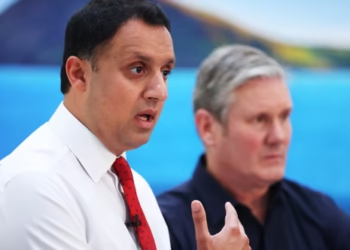 Sarwar call shakes Labour as No 10 calms fears
 Starmer Aide Loses Lords Role in Doyle Whip Row
 Labour Lord Doyle Apologises Over Paedophile Ties in Political Storm
 Palestine Action Verdict Sparks Debate on Activist Tactics
 Cabinet Secretary Shake-Up Triggers Due Diligence Warning
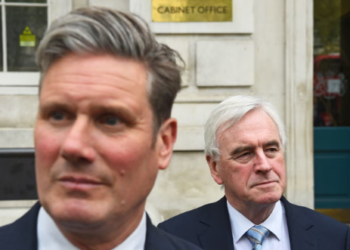 Starmer Faces Inquiry Calls Over Thinktank Probe
 Royal Mail Delivery Crisis Deepens Amid Weather Chaos
 Labour Together probe scandal sparks fresh Cabinet Office investigation
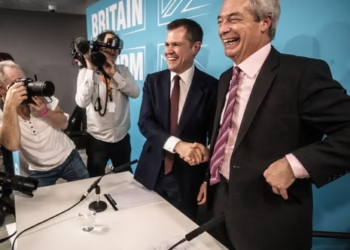 Farage to Name Jenrick as Reform Chancellor Pick
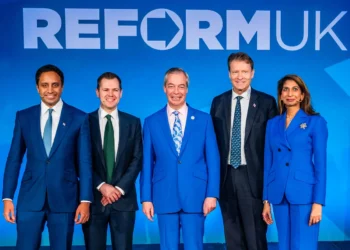 Farage Unveils Reform UK Frontbench Team
 NHS Negligence Ruling Raises Payout Costs
 Civil Service Pay: Union Urges Ministers to End ‘Barking Mad’ Limits