Published: 20 February 2026. The English Chronicle Desk. The English Chronicle Online
President Donald Trump finds his foreign policy under intense scrutiny as mounting tensions with Iran expose a profound strategic dilemma: how to balance diplomatic engagement with a formidable show of military force without triggering a wider Middle East conflict. With diplomacy faltering and warships, fighter jets and missile defence systems converging near Iranian waters, the stakes of Washington’s approach have never been higher.
In recent days, Trump has publicly set deadlines and ultimatums for Tehran to reach a “meaningful deal” on its contested nuclear programme, warning that “bad things will happen” if negotiations fail. His administration has deployed a massive US military presence — including two aircraft carrier strike groups and advanced combat aircraft — marking what analysts describe as the largest concentration of American military force in the region since the 2003 Iraq invasion.
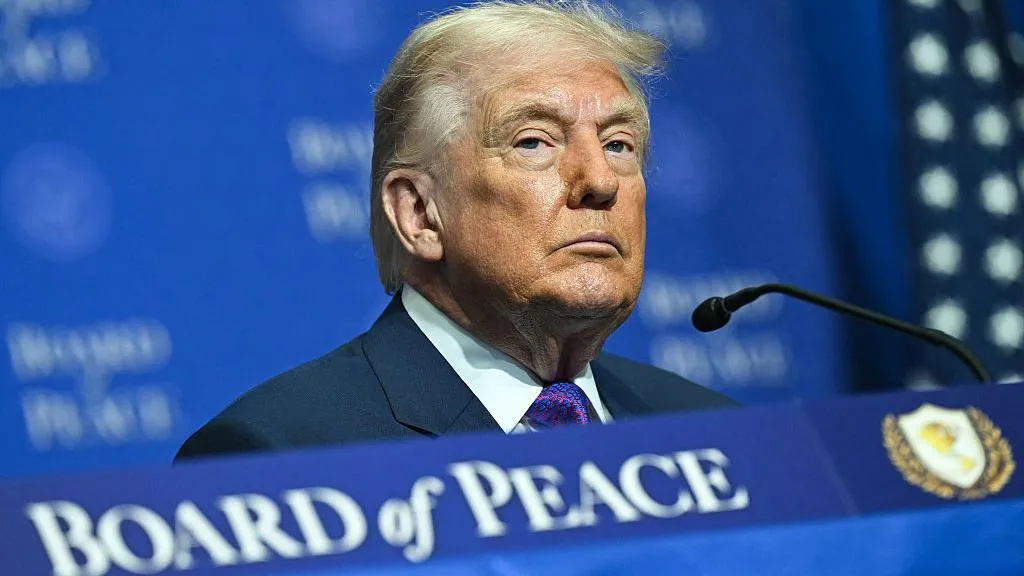
But while the buildup sends a clear signal of resolve, it also underscores the limits of Trump’s strategy. Diplomats in Geneva have reported limited progress in talks, yet key issues remain unresolved, particularly Iran’s refusal to negotiate aspects like its ballistic missile programme or regional activities. Tehran insists that nuclear dialogue must be confined strictly to nuclear matters, rejecting expanded demands as counterproductive.
The tension reflects deeper challenges in Trump’s foreign policy philosophy. On the one hand, he has emphasised a preference for diplomacy and negotiations; on the other, his threats of force and insistence on stringent terms have hardened Iran’s stance and encouraged reciprocal displays of military readiness. Last week Iran temporarily closed the Strait of Hormuz during live-fire drills — a dramatic move underscoring Tehran’s own strategic manoeuvring amid the standoff.
Iran has made clear that while it does not seek war, it will respond forcefully to any overt aggression. Its leadership has framed talks as contingent on removing threats and refraining from what Iranian diplomats call military coercion. The message complicates Washington’s efforts, signalling that pressure alone may not bring concessions but could instead harden Tehran’s resolve.
International reactions have been mixed. Russia has urged restraint from all parties, warning of “unprecedented escalation” and calling for diplomatic solutions to avoid widening conflict. Regional partners, from Gulf Arab states to European capitals, have similarly emphasised the need to avert direct confrontation, citing the risks to regional stability and global energy markets.
Domestically in the United States, Trump’s strategy has drawn criticism from both sides of the political aisle. Some legislators argue that any potential military action should have clear legal backing from Congress, not just presidential decree, while others caution that threatening major powers on short timelines could entangle the US in another costly conflict.

Analysts also note that Trump’s historical scepticism of long-term foreign intervention complicates matters. His reluctance to commit to large-scale warfare — paired with aggressive sanctions and military signalling — creates an uneasy mix of “maximum pressure” diplomacy without clear pathways to peaceful resolution. This duality has left both allies and adversaries uncertain of Washington’s next move.
At its core, the crisis highlights a paradox in Trump’s policy: pressing hard for concessions while preserving the possibility of dialogue. Whether that balance can hold — or whether escalating postures will give way to negotiation breakthroughs — remains to be seen. In the coming weeks, the world will be watching whether diplomacy prevails or if the United States and Iran edge closer to open conflict.
Related News:
 US Urges Iran to Make Deal as Military Presence Rises
 Putin Intensifies Territorial Demands Before US Talks
 Trump to Recheck Green Cards from 19 Nations After DC Attack
 Russia losses Ukraine war peace talks intensify amid rising deaths
 Trump Escalates Minnesota Immigration Surge Amid Rising Tensions
 Trump: US Stands Ready to Help Iran Find Freedom Amid Widespread Unrest
 US Conducts Large-Scale Strikes Against ISIS Targets Across Syria
 Trump Says US Will Act on Greenland ‘Whether They Like It or Not’
 Trump Administration Probe of Fed’s Powell Draws Pushback
 Greenland Faces Pivotal Summit Over Arctic Power Struggle
 Trump Threatens Strong Action If Iran Executes Protesters
 Trump Receives Machado’s Nobel Medal in White House Meeting
 Greenland Crisis Forces Europe to Draw a Line With Trump
 Iran Cannot Be Bombed Into Democracy, Only Helped There
 Historic Abu Dhabi Talks Bring US, Ukraine and Russia Together
 Trump Pulls Canada from His Controversial ‘Board of Peace’ Plan
 EU Says US Ties Have Suffered ‘Big Blow’ After Greenland Crisis
 Thousands Protest ICE Operations in Nationwide US Day of Action
 Epstein Files Reveal Trump Officials’ Emails with Financier
 Thousands Protest ICE in New York Against Trump Deportation Campaign
 Trump Praises ‘Terrific’ Petro After White House Talks
 US Must Be Prudent When Supplying Arms to Taiwan, Xi Tells Trump
 Fears of New Arms Race as US-Russia Nuclear Weapons Treaty Expires
 New Nuclear Talks Between US and Iran Begin in Geneva
 ‘He Did It for Us’: US Soldier Recalls Jesse Jackson’s Efforts to Free Him and Two Other POWs
 Under Pressure From Trump, Venezuela’s New President Has Aces Up Her Sleeve
 Iran Says ‘Guiding Principles’ Agreed With US at Nuclear Talks
 Stephen Colbert Says CBS Spiked Interview With Democrat Over FCC Fears
 US Pushes to Recruit Organised Crime Gangs into Gaza Police Force
 US to Withdraw Troops from Syria
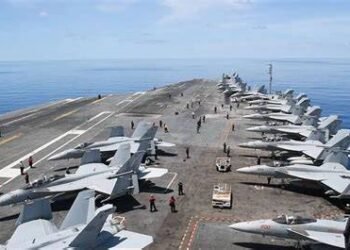 US Build-Up of Warships and Fighter Jets Tracked Near Iran
 Kinnock’s Rebuke Echoes Loudly as Corbyn Allies Launch Left-Wing Breakaway: “A Gift to Farage”
 Trump Administration Dismisses 17 Immigration Judges, Sparking Debate Over Judicial Independence
 UK Must Act with Courage and Clarity on Israel-Palestine Conflict, Says Foreign Affairs Committee Report
 Trump Threatens 100% Tariff on Nations Importing Russian Oil Amid India Standoff Over Ukraine War
 Radioactive Leak at UK’s Nuclear Warhead Base Sparks Outcry Over Safety and Secrecy
 Mutual Inconvenience: Why Alaska Was Chosen for the Trump-Putin Summit on Ukraine
 Hong Kong Summons UK and Australian Envoys Following Asylum Grants to Democracy Activists
 Is the UK Ready to Put Boots on the Ground in Ukraine? Assessing Military Capacity and Challenges
 Conservative Influencer Charlie Kirk Fatally Shot During University Debate
 Channel Crossings Surge: Over 1,000 People Arrive in the UK in Small Boats in a Single Day
 Widow of Charlie Kirk Forgives Killer at Emotional Memorial Service
 Yvette Cooper Signals Global Momentum Towards Gaza Peace Deal Amid Humanitarian Crisis
 Public Trust in SNP Hits Historic Low Amid NHS Concerns
 Johnson Suggests Mandelson Linked to China Spy Controversy
 Rachel Reeves signals welfare reform ahead of key budget
 Russia’s Latest Push to Win US Favors Shows Deep Desperation
 BBC to Apologise Over Edited Trump Speech Amid Backlash
 Britain deploys RAF specialists to assist Belgium with drone threats
 Trump Urges Herzog to Grant Netanyahu Full Pardon
 Indian authorities demolish Kashmir home linked to Red Fort blast
 Greene Pushes Epstein Files Amid Trump Fallout
 Trump Deploys DHS to Charlotte in Major Arrest Operation
 December Run-Off in Chile as Election Produces No Winner
 Canada Passes Carney’s First Budget in Tight Parliamentary Vote
 Shadow Fleet at Sea: Europe’s Battle Against Illicit Oil Shipping
 India’s COP30 Delay Raises Global Climate Concerns
 Two National Guard Soldiers Critically Injured Near White House
 Georgians Defy Government Crackdown After Year of Protests
 US National Guard Member Killed in DC Shooting
 American Mother Extradited From UK to U.S. on Murder Charges
 US Cities Erupt in Protests Against Trump’s Venezuela Military Action
 Albanese Opens Door to Bondi Royal Commission Amid Rising Pressure
 Iran Protesters Defy Crackdown as Violent Clashes Intensify
 Homeland security agents deployed amid Minneapolis protests
 Trump Weighs Response to Iran Crackdown as Tehran Says Communication Open With US
 US Clears Nvidia AI Chip Sales to China in Policy Shift
 EU weighs response amid Greenland tariff crisis with Trump
 Videos reveal earlier clash before Alex Pretti shooting
 Israel Moves to Bar MSF From Gaza Operations
 Nurses’ families fear breakup under UK immigration crackdown
 ‘Trump Will Be Gone in Three Years,’ Top Democrats Tell Europe
 After the Landslide: Can India Reset Ties with BNP Bangladesh?
 Australian Families Leave Syrian Camp for Home
 Starmer Weighs Fast-Tracking Defence Boost
 Trump Attacks UK-California Energy Pact
 US Civil Rights Leader Jesse Jackson Dies Aged 84
 ‘I Would Scream in My Sleep’: Alawite Women from Syria Tell of Kidnap and Rape
 Nine Arrested in France Over Death of Far‑Right Student
 Eight Skiers Found Dead After California Avalanche