Published: 20 February 2026. The English Chronicle Desk. The English Chronicle Online
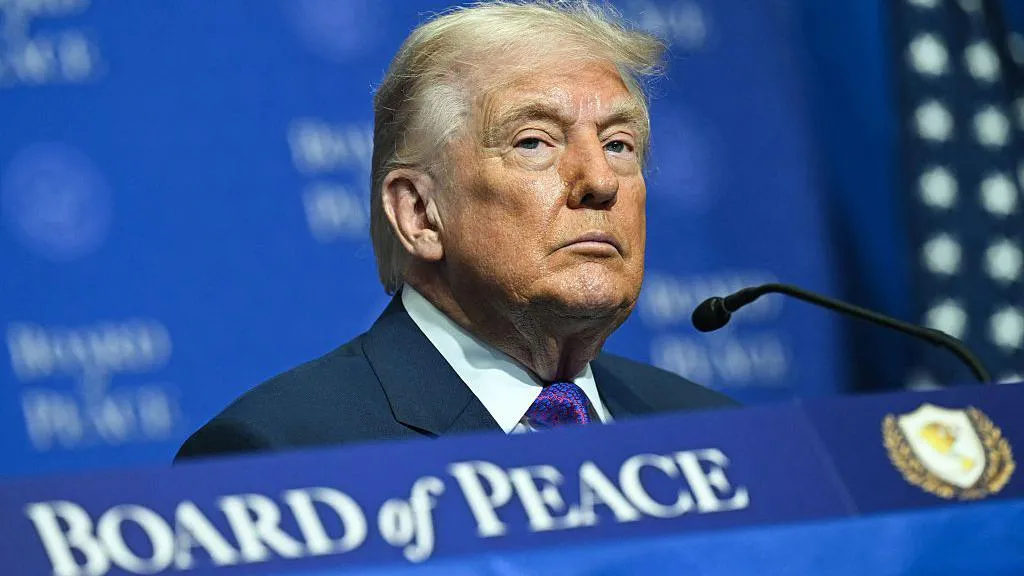
In a move that has ignited global curiosity and speculation, former US President Donald Trump has announced that he is directing the Pentagon and other federal agencies to begin identifying and preparing the release of government files related to alien life, extraterrestrial phenomena and UFOs—commonly referred to as unidentified aerial phenomena (UAP). The directive comes amid heightened public interest and widespread debate over whether the US government holds classified information about unexplained sightings and possible extraterrestrial encounters.
Trump’s announcement was posted on his social media platform, where he emphasised that the decision to push for disclosure stems from what he described as “tremendous interest shown” by the public in these topics. He said he will instruct the Secretary of Defense and other relevant agency heads to begin the process of finding and releasing all files and documents connected to alien and extraterrestrial life, UAPs and unidentified flying objects (UFOs).

Although Trump stopped short of confirming whether such files contain evidence of extraterrestrial contact, he criticised comments made by a predecessor, former President Barack Obama, who recently sparked controversy by saying aliens are “real” — remarks that Trump suggested might have unknowingly revealed classified information. Trump told reporters that he does not personally know whether aliens exist, but said he may “get [Obama] out of trouble” by declassifying information related to the topic.
The president’s directive represents one of the most ambitious pushes for government transparency on UFOs and extraterrestrial matters in decades. For years, the Pentagon and congressional committees have grappled with growing public demand for clearer records on UAPs. In 2022, military officials testified before Congress about hundreds of UAP reports collected by US forces, with a minority flagged for further study due to unusual movement characteristics. However, none of the investigations have produced verified evidence of alien visitation or non-human technology.
Trump’s directive does not immediately release classified documents, but starts a formal review process that could lead to significant public disclosure if files are declassified. His announcement follows renewed congressional and public interest in unidentified aerial phenomena — a topic that has gained traction since a series of leaked Navy videos in 2017 showed unidentified objects observed by military personnel.
Supporters of full disclosure have welcomed Trump’s move, arguing that the public deserves greater access to information about unexplained sightings and government knowledge. Critics, however, caution that the push may fuel conspiracy theories and misinformation, especially if files are released without context or clear scientific explanation.

Experts also note that previous government transparency efforts have shown that most UAP sightings are eventually attributed to conventional objects such as drones, aircraft, weather balloons or natural atmospheric phenomena. Yet a small percentage of cases remain unresolved due to insufficient data.
As the review process begins, both UFO enthusiasts and sceptics are watching closely. Some anticipate that any genuine revelations — if released — could reshape public understanding of aerial phenomena and bolster arguments for scientific investigation; others argue that long-held intrigue over “alien disclosure” may ultimately be satisfied with mundane explanations.
Trump’s directive underscores how fascination with UFOs and the search for extraterrestrial life continues to intersect with politics, science and public imagination — a blend that shows no signs of fading anytime soon.
Related News:
 Brace for Trump’s Brave New World of 1.7°C Global Warming
 Donald Trump’s UK State Visit Kicks Off Amid Major Tech Investments and Business Engagements
 Ed Davey Urges UK to Attract US Cancer Scientists Amid Funding Cuts Under Trump
 Digital ID Cards: A Useful Modern Tool or a Threat to Privacy and Security?
 UK Fighter Jet Purchase Could Breach Nuclear Treaty, Warns CND
 Russia repeatedly targets UK military satellites, warns Space Command chief
 Teen and Man Arrested Over Nursery Cyber Attack Exposing 8,000 Children
 Yvette Cooper Backs Digital ID Plan for UK Teens
 UK to Test Digital ID Scheme with Veteran Card
 Reform UK candidate fined £19,000 after using AI-generated cases to challenge election
 Starmer Defends Digital ID Plan Amid Growing Criticism
 Experts Warn Russia’s Burevestnik Missile Could Destabilise Arms Control
 Britain deploys RAF specialists to assist Belgium with drone threats
 Night after night, Belgium is on high alert.
 US National Guard Member Killed in DC Shooting
 Trump to Recheck Green Cards from 19 Nations After DC Attack
 Republicans Hold Tennessee Seat Despite Democratic Surge
 Franklin Turtle, Sabrina Carpenter Slam US Social Media Use
 Foreign AI Videos Threaten Ukraine Support, Warns Cooper
 Russia losses Ukraine war peace talks intensify amid rising deaths
 Trump Escalates Minnesota Immigration Surge Amid Rising Tensions
 Trump: US Stands Ready to Help Iran Find Freedom Amid Widespread Unrest
 US Conducts Large-Scale Strikes Against ISIS Targets Across Syria
 Trump Says US Will Act on Greenland ‘Whether They Like It or Not’
 Homeland security agents deployed amid Minneapolis protests
 Democrats Push Affordability to Challenge Trump Ahead of Votes
 Top Senate Republican Says Federal Probe of Powell Could Challenge Fed Nominees
 Trump Administration Probe of Fed’s Powell Draws Pushback
 US Senator Mark Kelly Sues Pentagon Chief Hegseth Over Demotion Threats
 Greenland Faces Pivotal Summit Over Arctic Power Struggle
 US Clears Nvidia AI Chip Sales to China in Policy Shift
 Trump Threatens Strong Action If Iran Executes Protesters
 Government Unveils Northern Powerhouse Rail Plans
 Trump press secretary attacks reporter over ICE question
 Kyrsten Sinema Faces High-Profile Lawsuit Over Marriage Interference
 Trump Receives Machado’s Nobel Medal in White House Meeting
 BP’s Influence Sparks Controversy in UK STEM Education
 Iran Signals Permanent Break From Global Internet, Activists Warn
 Greenland Crisis Forces Europe to Draw a Line With Trump
 China Halts Nvidia H200 Chips Despite US Export Approval
 Nasa Prepares Historic Round-the-Moon Artemis II Mission
 European Leaders Condemn Trump Tariff Threat Over Greenland
 Iran Cannot Be Bombed Into Democracy, Only Helped There
 ‘He Believed Help Was Coming’: Why Iran’s Protesters Feel Betrayed
 MPs warn AI financial risks threaten UK stability
 MPs warn AI financial risks threaten UK stability
 Trump Fed bid heads to Supreme Court
 Historic Abu Dhabi Talks Bring US, Ukraine and Russia Together
 Trump Pulls Canada from His Controversial ‘Board of Peace’ Plan
 EU Says US Ties Have Suffered ‘Big Blow’ After Greenland Crisis
 ‘Unfathomable’: Australian veterans rebuke Trump claims
 Trump officials continue false claims after Alex Pretti shooting
 ‘Evil is resilient’: Pressure Mounts on Stephen Miller
 Fulton election raid hits Georgia election office
 Partial US Government Shutdown Hits Homeland Security Funding
 Thousands Protest ICE Operations in Nationwide US Day of Action
 Epstein Files Reveal Trump Officials’ Emails with Financier
 Thousands Protest ICE in New York Against Trump Deportation Campaign
 Sinema payment row deepens after $9,000 transfer claim
 Trump Praises ‘Terrific’ Petro After White House Talks
 Starmer to Release Mandelson Files
 California Wins Supreme Court Approval for New Map
 US Must Be Prudent When Supplying Arms to Taiwan, Xi Tells Trump
 Fears of New Arms Race as US-Russia Nuclear Weapons Treaty Expires
 Nurses’ families fear breakup under UK immigration crackdown
 Trump Calls Democrats ‘Demented and Evil’ in Unhinged Tirade About Voter IDs
 ‘Trump Will Be Gone in Three Years,’ Top Democrats Tell Europe
 Starmer Targets AI Chatbots Over Child Safety Concerns
 Hillary Clinton Accuses Trump of Epstein Files ‘Cover-Up’ in BBC Interview
 US Civil Rights Leader Jesse Jackson Dies Aged 84
 New Nuclear Talks Between US and Iran Begin in Geneva
 ‘He Did It for Us’: US Soldier Recalls Jesse Jackson’s Efforts to Free Him and Two Other POWs
 Under Pressure From Trump, Venezuela’s New President Has Aces Up Her Sleeve
 Stephen Colbert Says CBS Spiked Interview With Democrat Over FCC Fears
 I Saw First‑Hand Why Trump Still Wants More from Greenland
 AI FOMO Warning as Osborne Urges Action
 US to Withdraw Troops from Syria
 US Urges Iran to Make Deal as Military Presence Rises
 Sanders Condemns Billionaire ‘Greed’ in California Tax Debate
 Trump’s Foreign Policy Dilemma Laid Bare by Iran Tensions