Published: 21 February 2026, The English Chronicle Desk, The English Chronicle Online
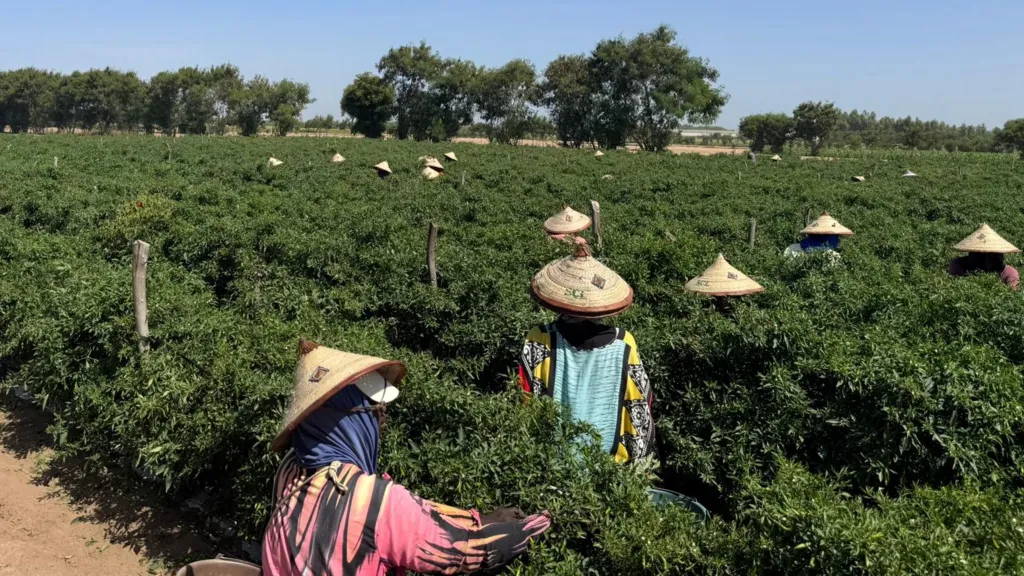
As winter grips the United Kingdom and domestic vegetable production slows, fresh produce continues to arrive on British supermarket shelves — much of it from two large farms in Senegal’s Saint‑Louis region that have become key suppliers to the UK market. These West African operations are helping fill the seasonal gap in fresh vegetables such as corn on the cob, green beans and spring onions that British consumers increasingly expect year‑round.
The two farms, run in partnership with UK agricultural firms including G’s Fresh and Barfoots, cover thousands of hectares and employ tens of thousands of workers, predominantly women. Together they produce vegetables during the UK winter — a season when cooler northern European climates cannot reliably supply these crops — and ship them by sea to major British retailers such as Tesco, Sainsbury’s, Asda, Aldi and Lidl.

The success of these Senegalese farms reflects broader changes in global food supply chains. With abundant sunshine, relatively low labour costs and irrigation fed by the Senegal River, the region is well‑suited for intensive vegetable farming. The operation founded by agronomists in the early 2000s has grown into a major production base, with produce making the six‑day sea journey to the UK in time for winter consumption.
Investment in infrastructure has also played a key role. British firms have invested tens of millions of pounds into Senegalese operations, building irrigation systems, packing facilities and transport links that support export‑oriented agriculture. While these farms generate employment and stimulate the local economy, they also illustrate how global demand influences agricultural land use in countries far from the final market.
For British consumers, vegetables grown in Senegal help keep supermarket shelves stocked and prices relatively stable during the colder months. For growers in Senegal, the relationship offers access to a major export market and long‑term commercial partnerships. However, reliance on imported produce also highlights challenges for domestic producers, who face higher labour costs and regulatory burdens that make year‑round production more difficult.

The story of these two Senegalese farms demonstrates how global trade and climate patterns shape what ends up on dinner tables thousands of miles away, connecting West African fields with everyday shopping in the UK.
Related News:
 Modi’s London Visit Seals Historic UK-India Trade Pact Amid Global Tensions
 Historic Trade Milestone: India and UK Sign Landmark Free Trade Agreement to Deepen Economic Ties
 Rubio Calls Russian Oil Imports a Strain on India-US Relations
 China’s crackdown on civil servant perks sparks economic concerns
 Shein UK Faces Allegations of Shifting Majority of Profits to Singapore to Reduce UK Tax
 British AI Startup Outshines Human Forecasters in Global Prediction Contest
 Indian Court Deals Legal Setback to Elon Musk’s X in Free Speech Battle
 China warns UK over delayed London mega embassy decision
 Rachel Reeves to lead UK trade push in Saudi Arabia amid rights debate
 UPS Cargo Plane Crash in Kentucky Kills Seven
 US private equity set to acquire UK online retailer Very Group
 Switzerland Rolls Out Charm Offensive to Cut Trump’s 39% Tariffs
 China Gained Military-Tech Access Through UK Investments
 Canada Passes Carney’s First Budget in Tight Parliamentary Vote
 India’s Labour Law Overhaul Sparks Fierce Debate
 Carney’s Alberta Pipeline Deal Sparks Immediate Pushback
 Austrian Airlines Halts Tehran Flights Amid Political Unrest
 Trump Administration Probe of Fed’s Powell Draws Pushback
 Trading Day: Trump Crosses Fed Rubicon, Market Shrugs
 Mark Carney Walks Diplomatic Tightrope on China Visit
 Wall Street shaken by Trump tariff shock as markets tumble
 ‘Black Tax’: Burden, Pride and Survival for African Workers
 ‘Repatriate the Gold’: Germany Debates Bringing Reserves Home
 UK New Car Discounts Near £6,000 as Prices Are Slashed
 Cuban Cigar Festival Cancelled Amid US-Linked Energy Crisis
 Coles Discounts Under Fire in Federal Court
 Tourism Is Booming in 2026 — Just Not Where You Think
 Historic trade deals put India on global stage – but challenges remain
 Netflix and Paramount Are Battling for Warner Bros. — Who Is Likely to Win?
 Live Markets Bet on Spring Rate Cut as Inflation Falls
 Japan Braces as Takaichi Begins New Term with Huge Mandate for Low‑Tax, Ultra‑Conservative Agenda
 The Chinese AI App Sending Hollywood Into a Panic
 US and Indonesia Finalise Deal to Cut Tariffs to 19%
 US Trade Deficit Hits Fresh High Despite Trump’s Tariffs
 Post Office Scandal Compensation Tops £1 Billion as Victims Finally See Justice
 UK Must Act with Courage and Clarity on Israel-Palestine Conflict, Says Foreign Affairs Committee Report
 Tottenham Takes On Newcastle
 Radioactive Leak at UK’s Nuclear Warhead Base Sparks Outcry Over Safety and Secrecy
 Terence Stamp, ’60s British Film Legend and Star of Superman, Dies at 87
 Hong Kong Summons UK and Australian Envoys Following Asylum Grants to Democracy Activists
 Is the UK Ready to Put Boots on the Ground in Ukraine? Assessing Military Capacity and Challenges
 Yvette Cooper Signals Global Momentum Towards Gaza Peace Deal Amid Humanitarian Crisis
 Chaos at Ibrox as Martin’s Rangers Era Comes to an End
 UK House Price Growth Slows as Buyers Exercise Caution Ahead of Autumn Budget
 Russia’s Latest Push to Win US Favors Shows Deep Desperation
 Reeves Faces Setback as Labour May Miss Homes Target
 Trump’s UK Ambassador Urges North Sea Drilling to Strengthen US Ties
BBC to Apologise Over Edited Trump Speech Amid Backlash
Trump’s UK Ambassador Urges North Sea Drilling to Strengthen US Ties
BBC to Apologise Over Edited Trump Speech Amid Backlash
 Millionaires group urge Reeves to introduce wealth tax to ‘lift kids out of poverty’
 Greene Pushes Epstein Files Amid Trump Fallout
 December Run-Off in Chile as Election Produces No Winner
 Zelenskyy Signs Fighter Jet Deal Amid Russian Drone Attacks
 Shadow Fleet at Sea: Europe’s Battle Against Illicit Oil Shipping
 Tiny Curacao Makes History as Smallest Nation to Reach World Cup
 India’s COP30 Delay Raises Global Climate Concerns
 US Suspends Afghan Immigration After White House Shooting
 Georgians Defy Government Crackdown After Year of Protests
 Starmer Says Labour’s Economic Plan Needs Years to Deliver
 ‘Extinct’ Antelope Returns to Sahara, Bringing Hope
 Historic £100-Weekly Pension Boost Brings Relief for UK Mineworkers
 Facebook Slow to Remove Bondi Attack Praise, Anti-Hate Group Claims
 Trump Weighs Response to Iran Crackdown as Tehran Says Communication Open With US
 US Clears Nvidia AI Chip Sales to China in Policy Shift
 Gulf states warn Trump Iran strikes risk wider Middle East war
 Sydney Shark Attack Surge Shocks Australia Beaches
 EU Says US Ties Have Suffered ‘Big Blow’ After Greenland Crisis
 US Dollar Hits Four-Year Low Amid Market Turmoil
 Portugal Election Delivers Socialist Win as Far Right Surges
 Pound Sinks and Borrowing Costs Rise as Starmer Fights for Job
 Major UK Clothing Firm Collapses into Administration — 109 Jobs at Risk
 BT Names New Openreach Chief Amid Major Fibre Expansion
 Is Dining Out Dying Out?
 Could Manchester Lead the UK’s Economic Revival?
 Australian Families Leave Syrian Camp for Home
 Starmer Weighs Fast-Tracking Defence Boost
 ‘I Would Scream in My Sleep’: Alawite Women from Syria Tell of Kidnap and Rape
 Snow and Rain Warnings as Cold Snap Continues in the UK
 Lloyds Boss Accepts Concern Over Use of Staff Data in Pay Talks
 Nine Arrested in France Over Death of Far‑Right Student
 Epstein Eyed Record Label Investment to Access Women, Files Suggest