Published: 23 February 2026 . The English Chronicle Desk. The English Chronicle Online
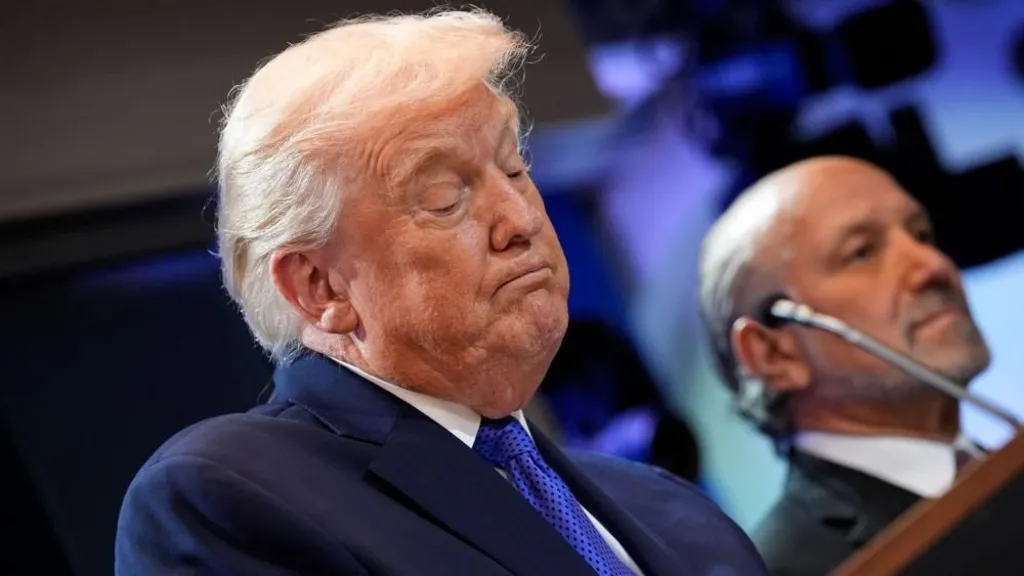
Recent shifts in U.S. trade policy under former President Donald Trump have injected new uncertainty into global supply chains, business planning and consumer prices. Trump’s tariff changes — aimed at protecting domestic industries — have prompted a mixed reaction from economists, corporations and shoppers both inside the United States and around the world. The broad ripple effects are still unfolding, leaving many companies and consumers wary about what comes next.

Tariffs — taxes imposed on imports — have long been a key instrument of Trump’s trade strategy. In his most recent policy revisions, the U.S. administration expanded or reintroduced levies on a wide range of imported goods including electronics, steel, agricultural products and certain consumer items from key trading partners. Trump and his supporters argue these measures are designed to strengthen American manufacturing and reduce reliance on foreign goods.
However, critics warn that higher tariffs can raise production costs, disrupt global supply chains, and ultimately push up prices for ordinary consumers. Many multinational companies now face difficult decisions about sourcing inputs and adjusting supply networks in response to shifting duties, especially as geopolitical tensions complicate trade relationships with China, the European Union and Southeast Asian partners.
Small and medium‑sized enterprises (SMEs) are among the most vulnerable. Unlike large corporations with diversified supply channels and financial reserves, many SMEs lack the flexibility to absorb higher costs or rapidly adapt sourcing strategies. For example, U.S. manufacturers reliant on imported components have reported increased lead times and material costs, which can squeeze profit margins and slow investment in new technologies.
Retailers, too, are grappling with uncertainty. Tariffs on finished goods such as consumer electronics and apparel increase the landed cost of products, forcing some businesses to either raise prices or accept slimmer profits. In an already inflation‑sensitive environment, many retailers worry that passing on higher costs to customers could dampen demand and erode market share.
For consumers, the knock‑on effects are tangible. Higher tariffs often translate into higher shelf prices — from clothing to kitchen electronics — as retailers adjust to new cost structures. Some economists predict that persistent tariff‑driven inflation could disproportionately burden lower‑income households, which spend a larger share of their income on goods affected by import taxes.
Internationally, the Trump tariff changes have stirred diplomatic and trade tensions. Countries targeted by higher duties are considering retaliatory measures, raising the spectre of trade “tit‑for‑tat” that could further disrupt exports and imports and slow economic growth. Trade analysts point to the risk of fragmented global markets, where businesses are forced to navigate a patchwork of tariffs rather than benefit from stable, predictable trade rules.
The manufacturing sector, already grappling with automation trends and workforce shortages, now faces additional instability. Investment decisions — from plant expansions to technology upgrades — hinge on confidence about future costs and access to foreign inputs. In many cases, uncertainty over tariff policy has delayed or cancelled planned investments, dampening growth prospects.
Some industries have responded by shifting supply chains to countries not subject to heightened duties — a process that takes time and capital. Southeast Asian nations, Mexico and parts of Eastern Europe have seen increased interest from firms seeking tariff‑friendly production locations. Yet relocating production lines is neither cheap nor swift, meaning businesses must balance short‑term disruptions with long‑term strategy.
Despite the challenges, some domestic producers have welcomed the tariff changes as a boost to their competitiveness. U.S. steel and certain agricultural sectors, for example, have seen increased demand for locally made products as imports become more costly. Supporters argue that over time, tariff protection could lead to greater self‑sufficiency in key industries.
Economists, however, caution that the benefits can be uneven and may come at a cost to overall economic efficiency. Higher input costs can reduce productivity, slow innovation and ultimately constrain economic growth. Historical evidence from past trade wars suggests that while specific firms may benefit, consumers and broader markets often bear the brunt of higher costs and uncertainty.
Policy analysts emphasise the importance of clarity and predictability in trade policy. “Businesses thrive on stable rules,” says Dr Lydia Cooke, a trade economist at the International Economic Institute. “Sudden tariff changes make long‑term planning very difficult. Whether you are a multinational corporation or a local retailer, uncertainty about future duties can hamper investment and hiring.”
For consumers, the economic outlook depends on how broadly tariff effects are absorbed by companies — whether through higher prices, lower wages or altered product availability. In the coming months, central banks and governments will be watching closely to see how tariff‑induced inflation feeds into broader economic indicators.

As uncertainty persists, firms are placing risk management and supply chain flexibility at the forefront of strategy. Many are investing in data analytics, diversified supplier networks and near‑sourcing options — all aimed at forward‑looking resilience. For policymakers, the challenge will be balancing protectionist impulses with the need for economic stability and international cooperation.
Ultimately, the full impact of Trump’s tariff changes will be measured over years rather than weeks. For now, the uncertainties facing businesses and consumers underscore the complex interplay between trade policy, global markets and everyday economic life.
Related News:
 Live Markets Bet on Spring Rate Cut as Inflation Falls
 Trump Announces Global Tariffs to Rise to 15%
 Canada-China trade gains momentum in new strategic partnership
 India-EU Free Trade Deal Marks Historic Economic Shift
 Keir Starmer meets Xi to strengthen UK-China economic relations
 UK Experts Raise Alarm Over Machinery Export to Armenian Firm
 Historic trade deals put India on global stage – but challenges remain
 City Bets on Rate Cuts as Unemployment Soars
 The Two Farms in Senegal That Supply Many of the UK’s Vegetables
 ‘We’re Still on Edge’: Toy Firms Look to US Supreme Court as Tariffs Hit Profits
 How Budget Fast Fashion Is Taking Small‑Town India by Storm
 Post Office Scandal Compensation Tops £1 Billion as Victims Finally See Justice
 Tensions Unfold in Market Harborough as Asylum Seeker Hotel Sparks Divisive Protests
 How to Exit Your Broadband Contract Without Paying Exit Fees
 Diageo Faces Profit Slump and Tariff Blow Amid Leadership Crisis
 China’s crackdown on civil servant perks sparks economic concerns
 Chancellor Rachel Reeves Pushes for Sweeping Changes to Environmental Protections to Accelerate Development
 Inflation Latest: Cost of Living Expected to Rise Again in Key Figures Released Today
 Retail Sales See Uptick Amid Errors and Delays as ONS Faces Scrutiny
Shein UK Faces Allegations of Shifting Majority of Profits to Singapore to Reduce UK Tax
Retail Sales See Uptick Amid Errors and Delays as ONS Faces Scrutiny
Shein UK Faces Allegations of Shifting Majority of Profits to Singapore to Reduce UK Tax
 Big Pharma Investment Freeze Puts UK Life Sciences Sector Under Strain
 Jaguar Land Rover Extends Production Halt Following Cyber-Attack
 Great Britain’s Energy Operator Commits to Strengthening Grid to Prevent Blackouts
 UK Government Backs Return of International Rail Travel to Kent Stations
 GSK Chief Executive Emma Walmsley to Step Down After Eight Years at the Helm
 Wetherspoon vows to keep prices low amid soaring energy and tax costs
 UK House Price Growth Slows as Buyers Exercise Caution Ahead of Autumn Budget
 Kemi Badenoch Unveils ‘Golden Rule’ to Halve Spending Cuts for Deficit Reduction at Tory Conference
 New V-Level qualification to transform post-16 education
 Real living wage set to rise nearly 7% for UK workers in 2026
 Reeves Faces Setback as Labour May Miss Homes Target
 Virgin Trains Moves Closer to Challenging Eurostar Monopoly
 Trump’s UK Ambassador Urges North Sea Drilling to Strengthen US Ties
 Ryanair Chief UK Economy ‘Doomed’ Under Labour
 M&S Profits More Than Halve After Cyber-Attack
 Earl of Yarmouth Faces £1.3m Legal Bill Over Family Estate
 Millionaires group urge Reeves to introduce wealth tax to ‘lift kids out of poverty’
 From Lego to Pokémon: How Adults Are Driving UK Toy Market Growth
 New laws to bolster UK’s defences against cyber attacks on NHS, transport and energy
 Canada Passes Carney’s First Budget in Tight Parliamentary Vote
 Starmer Says Labour’s Economic Plan Needs Years to Deliver
 Virgin Media Fined £23.8m Over Telecare Safety Failures
 Rising Water Bills Lift Troubled Thames Back to Profit
 Anglo American Scraps Bosses’ £8.5m Bonus Plan After Investor Fury
 Historic £100-Weekly Pension Boost Brings Relief for UK Mineworkers
 ACCA Ends Remote Exams Over AI Cheating Surge
 FTSE 100 Hits 10,000: UK Market Celebrates Record Year
 UK House Prices Fall Sharply at Year-End, Nationwide Reports
 Saudi Officials Report Zubaidi Flee Before Yemen Peace Talks
 UK Targets in New York Bomb Threat Hoax: Man Jailed
 Gambia Supreme Court Hears Case to Overturn FGM Ban
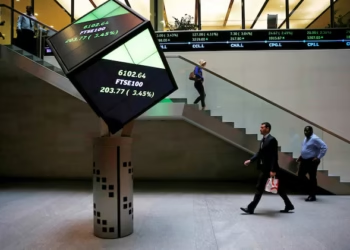 Metals and Mining Stocks Lift FTSE 100 to Record Close
 Trump targets Iran trade with 25% tariff warning
 US Senate rejects resolution limiting Trump military powers
 Gulf states warn Trump Iran strikes risk wider Middle East war
 Machado Trump medal gesture reshapes Venezuela power struggle
 Geopolitical football: Iran, Trump and the World Cup clash
MPs warn AI financial risks threaten UK stability
Geopolitical football: Iran, Trump and the World Cup clash
MPs warn AI financial risks threaten UK stability
 Shinzo Abe’s killer receives life sentence in Japan
 American democracy faces crisis after Trump’s return
 China General Under Investigation Amid Leadership Purge
 Philippines ferry disaster leaves 15 dead, dozens missing
 US Dollar Hits Four-Year Low Amid Market Turmoil
 Amazon mistakenly signals new global layoffs to employees
 Households in England Face Rising Water Bills in April
 UK New Car Discounts Near £6,000 as Prices Are Slashed
 Cambridge Faces Scrutiny Over Arms Investment Transparency
 Pound Sinks and Borrowing Costs Rise as Starmer Fights for Job
 London Loses Its Grip on Ambitious Young Workers
 Major UK Clothing Firm Collapses into Administration — 109 Jobs at Risk
 Telstra AI jobs cuts as automation drive expands
 BT Names New Openreach Chief Amid Major Fibre Expansion
 Concerns rise for Canberra boy amid Iran detention fears
 Is Dining Out Dying Out?
 Could Manchester Lead the UK’s Economic Revival?
 Iran Says ‘Guiding Principles’ Agreed With US at Nuclear Talks
 Lloyds Boss Accepts Concern Over Use of Staff Data in Pay Talks
 Indian University Kicked Out of AI Summit for Claiming Chinese Robot Dog as Its Own Invention
 Live Nation Sees Strong Ticket Sales as Monopoly Lawsuit Looms
 AI Coding Firm’s ‘Pride’ at Business Award Win