Published: 23 February 2026 . The English Chronicle Desk. The English Chronicle Online
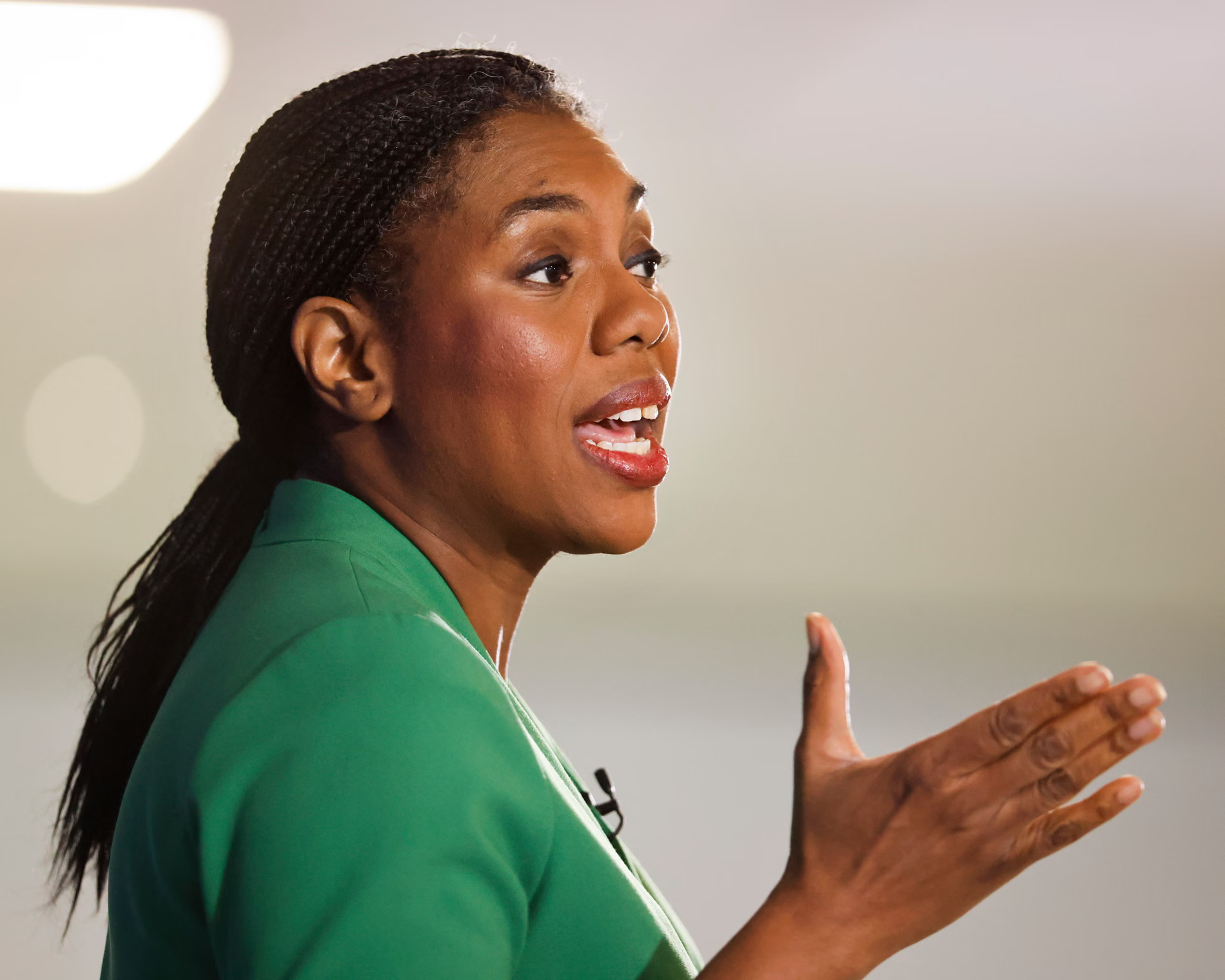
The Conservative Party has announced a major new pledge to tackle what its leadership describes as an “unfair debt trap” for millions of British graduates, vowing to scrap high interest rates on student loans and ease the financial burden on borrowers if elected to government. The proposal was set out by Kemi Badenoch, who said the current system leaves many paying more in interest than they ever reduce from the underlying balance.

Badenoch’s focus is on the so‑called Plan 2 student loans, taken out by an estimated 5.8 million borrowers who studied between 2012 and 2023. Under the present rules, interest on these loans is charged at the Retail Prices Index (RPI) plus up to three percentage points, meaning debts can grow even while graduates are making regular repayments. Critics argue this creates a situation where balances barely decrease over time, effectively trapping borrowers in long‑term debt.
Writing in the Sunday Telegraph, Badenoch said the Conservatives would cap interest at RPI only, removing the extra percentage points that push charges above broader measures of inflation and contribute to growing balances. She described the current arrangement as something that “increasingly feels like a scam” and said reducing interest would help more graduates see real progress in paying off their loans.
The announcement is part of a wider package dubbed a “new deal for young people”, which could also include cuts in some university places to fund apprenticeships and housing incentives for first‑time workers. Under this plan, the number of undergraduate places could be cut by about 100,000 a year, freeing up funds that Conservatives say would help support reduced student debt costs and boost alternative training pathways.
The pledge comes amid rising frustration over student loan repayments and the impact of recent budget decisions, including a freeze on the repayment salary threshold — meaning more graduates may begin repaying sooner or see slower reductions in their balances. Deputy Prime Minister and Shadow Education Secretary Laura Trott has echoed concerns about the fairness of current terms, particularly for younger workers who struggle to pay down debt while also facing rising costs of living and housing.
Labour ministers, however, have urged caution, arguing that addressing student debt requires careful prioritisation of public finances. Bridget Phillipson has acknowledged problems with the current system — especially high interest charges — but indicated the government would focus first on measures such as restoring maintenance grants for low‑income students, rather than immediate wholesale changes to loan terms.

Opposition parties including the Liberal Democrats have also weighed in, calling for broader reforms. They have urged the creation of an independent review to explore long‑term solutions, from adjusting interest measures entirely to increasing support mechanisms for all students.
With millions of borrowers still carrying large debts decades after graduation, student finance has become a politically potent issue. The Conservatives’ proposal — while framed as a remedy to unfairness — is likely to spark debate over funding priorities, the future of university access, and how best to balance support for graduates with broader economic objectives as the next election approaches.
Related News:
 China-Backed Confucius Institutes at UK Universities Face Uncertainty Under New Free Speech Rules
 University of Edinburgh Lecturers Launch Five-Day Strike Amid £140m Budget Cuts
 It Changed My View’: Campaign Encourages Pupils in Deprived Areas to Consider University
 UK Universities Warn Students Ahead of 7 October Pro-Palestine Protests
 Oxford Union president-elect ousted following Charlie Kirk scandal
 The debate over England’s compulsory reading test for 13-year-olds
 Bridget Phillipson Vows to Confront Unions Over Reading Tests
 England’s Special Needs Support Faces Breaking Point
 UK Ministers Drop Foreign Student Targets for Global Education Push
 Britain’s Special Needs Spending Crisis Will Be Labour’s Ruin
 Schools in England to Get Budget for Children with Special Needs as Part of SEND Overhaul
 UK Must Act with Courage and Clarity on Israel-Palestine Conflict, Says Foreign Affairs Committee Report
 Chancellor Faces Mounting Pressure Amid “Impossible Trilemma” Over Tax Rises
 Princess of Wales Launches Animated Video Series to Support Early Childhood Development
 Radioactive Leak at UK’s Nuclear Warhead Base Sparks Outcry Over Safety and Secrecy
 Mutual Inconvenience: Why Alaska Was Chosen for the Trump-Putin Summit on Ukraine
 UK Government Expands ‘Deport Now, Appeal Later’ Policy to 23 Countries
 Chancellor Rachel Reeves Pushes for Sweeping Changes to Environmental Protections to Accelerate Development
 Larger Families Could Gain Thousands if Labour Ends Two-Child Benefit Cap
 Is the UK Ready to Put Boots on the Ground in Ukraine? Assessing Military Capacity and Challenges
 Education Leaders Call for End to Compulsory GCSE Resits in English and Maths
 Palestine Action Ban Protesters Plan Tactic to Overwhelm Police at Next London Demonstration
 Police Scotland Spends £500,000 Compensating Officers Over Trump Visit
 Britain’s Migration Challenge: Rising Asylum Numbers and Hotel Pressures
 Elon Musk Sparks New Controversy by Backing Tommy Robinson Amid Farage Feud
 Thousands of New School Nursery Places to Be Rolled Out Across England
 Urgent Action Needed on Windrush Compensation as Survivors Speak of “Waiting to Die”
 Tanni Grey-Thompson Faces Abuse Over Opposition to Assisted Dying Bill
 TfL Invites RMT to Resume Talks as London Tube Strikes End
 Growing Crisis in UK Schools: One in Three Parents Seek Special Needs Assessments
 Zarah Sultana Seeks Legal Action After Bitter Clash with Jeremy Corbyn Over Party Membership Funds
 Nigel Farage Unveils Controversial Immigration and Welfare Plans at Reform UK Press Conference
 Mahmood Pledges Reform of Modern Slavery Laws After Court Blocks Deportation Appeal
 White Low-Income Pupils in England Show Lowest Levels of School Engagement, Study Finds
 Ed Miliband Warns UK Government on X, Citing Elon Musk as a “Dangerous Influence”
 Ed Miliband Urges Labour to Confront Billionaire-Backed Opposition to Net Zero Goals
 Digital ID Plans Ignite Debate Over £600m Treasury Tax Boost and Privacy Concerns
 Kemi Badenoch Unveils ‘Golden Rule’ to Halve Spending Cuts for Deficit Reduction at Tory Conference
 Public Trust in SNP Hits Historic Low Amid NHS Concerns
 Johnson Suggests Mandelson Linked to China Spy Controversy
 UK border officers deployed to Balkans to tackle migrant smuggling
 Ministry of Justice fails to file £11bn in spending receipts
 UK MPs warn of repeat riots over online misinformation
 Rachel Reeves signals welfare reform ahead of key budget
 New V-Level qualification to transform post-16 education
 Reform UK candidate fined £19,000 after using AI-generated cases to challenge election
 William Steps Up Over Prince Andrew Palace Response
 Army Barracks to House Migrants as Hotels Phase Out
 Trump’s UK Ambassador Urges North Sea Drilling to Strengthen US Ties
 French Taxi Driver Cleared in David Lammy Theft Case After Fare Dispute
 Millionaires group urge Reeves to introduce wealth tax to ‘lift kids out of poverty’
 Reeves rejects £1bn plea for NHS redundancy payouts
 PM Condemns Leaks, Vows Loyalty to Ministers and Stability
 Major Rent Reform Ends No-Fault Evictions in England
 Starmer Says Labour’s Economic Plan Needs Years to Deliver
 England delays four mayoral elections amid criticism
 Christmas Code-Crackers: GCHQ Unveils Annual Festive Puzzle Card
 Tory Free Schools Waste £325m on Failed Projects
 Reform Candidate Sparks Fury Over Loyalty Comments
 Cambridge College Faces Backlash Over Private School Recruitment
 Right Must Unite After Jenrick Defection, Urges Rees-Mogg
 No Gas Boiler Ban as UK Warm Homes Plan Backs Heat Pumps
 Shinzo Abe’s killer receives life sentence in Japan
 Police response times face strict new national limits
 Labour policing overhaul sparks fears over growing central control
 Starmer warns of toxic division politics in Reform challenge
 Palantir contracts face UK halt calls over transparency
 Diane Abbott Slams Applause for Keir Starmer as PM Vows to Stay On After Mandelson-Epstein Row
 Send spending gap leaves deprived areas behind
 Cabinet Secretary Shake-Up Triggers Due Diligence Warning
 Could Manchester Lead the UK’s Economic Revival?
 Starmer Weighs Fast-Tracking Defence Boost
 Farage to Name Jenrick as Reform Chancellor Pick
 Students Begin Covid Compensation Claim Against 36 More Universities
 With Scottish Freebies Under Threat, University Tuition Is on the ‘Hit List’
 Civil Service Pay: Union Urges Ministers to End ‘Barking Mad’ Limits
 Antonia Romeo appointment sparks criticism
 ‘Don’t Make Us Security Guards,’ Says Teacher Stabbed by Pupil
 Australian PM Says Former Prince Andrew Has Suffered ‘Extraordinary Fall’ but That Won’t Prompt Republic Referendum
 Farage Chagos Islands Row Sparks Fury