
Published: 23 February 2026 . The English Chronicle Desk. The English Chronicle Online
In the South Wales valleys around Treherbert, a community has transformed its relationship with the surrounding woodland — turning a traumatic environmental wake‑up call into a blueprint for sustainable stewardship and community resilience. After devastating floods hit the village of Pentre in February 2020, local residents concluded that decades of industrial forestry and detached forest management had left the hillsides vulnerable and disconnected from the people who live among them.

The floods, caused by relentless winter rain, exposed how tangled, overgrown monocultures of trees planted during the age of coal mining and managed through intermittent clear‑felling by public bodies failed to absorb water and protect the valley below. Frustrated by decades of decisions made without their input, villagers began pushing for co‑management of the woodlands with Natural Resources Wales (NRW), the government body responsible for Welsh forests.
Inspired by examples of community land ownership in Scotland, activists launched the Skyline project, backed by the local group Welcome to Our Woods, to advocate for a sustainable forest resource plan that would replace destructive clear‑felling with continuous cover forestry — a practice that thins trees selectively to maintain a thriving forest ecosystem while still providing usable timber. Over around 18 months of meetings and field walks involving villagers and NRW officials, an alternative vision for the forest took shape.
The resulting co‑production of the forest management plan marked a historic shift in how the woodland will be looked after. Instead of wholesale clear‑cutting, the plan favours smaller, phased operations that keep parts of the forest standing during logging cycles, protecting habitats and soil, and allowing residents to access and enjoy the landscape year‑round. This approach also opens the door for local enterprises to make better use of timber — from sustainable construction to green skills education — linking environmental care with economic opportunity for the village.
One symbolic outcome of this shift is a community‑built timber roundhouse, constructed from larch felled under the new regime and serving as a public space and demonstration of what local forestry can support. Meanwhile, groups in Treherbert are working with educational partners to offer courses in woodland crafts and nature‑based wellbeing, aiming to equip people with the skills needed for a greener future.

Although the land remains publicly owned and broad economic rights to forestry still lie beyond the village’s control, the collaborative management model pioneered here offers a hopeful example for other post‑industrial communities seeking to reclaim agency over their landscapes while addressing climate risk and creating sustainable local livelihoods.
Related News:
 Fringe Dreams Strained as Oasis Reunion Sparks Soaring Costs for Edinburgh Performers
 Unseen Killers of the Deep Inside the UK Lab Uncovering the Silent Deaths of Sea Creatures
 Drag Queens Forced to Stop Reading ‘Dear Zoo’ to Children Amid Protests at Belfast Library
 Jack Osbourne Breaks Silence with Heartfelt Tribute Following Ozzy Osbourne’s Funeral
 Wembley Investigates Allegations of Ticketless Entry at Oasis Reunion Concerts
 Prince Charles Cinema Eyes Expansion to East London Amid Leicester Square Uncertainty
 Russell T Davies Warns of Declining UK Gay Rights Amid Rise of Reform UK and Trump Influence
 Terence Stamp, ’60s British Film Legend and Star of Superman, Dies at 87
 Millie Bobby Brown and Jake Bongiovi Begin Parenthood Through Adoption
 Chappell Roan Delivers Fairytale Spectacle at Reading Festival, Cementing Pop Stardom
 Watchdog, Cornflakes and Courage: Remembering John Stapleton, a Broadcaster Who Did It All
 Dawson’s Creek” Cast Reunites for Special Broadway Benefit to Support James Van Der Beek
 Actor Noel Clarke Arrested at London Home Amid Ongoing Investigation
 Patricia Crowther, Known as UK’s Oldest Witch, Dies Aged 97
 Labi Siffre Demands Tommy Robinson Stop Using Iconic Anti-Apartheid Anthem
 Man Buys Model Thunderbird 3 Only to Discover It’s a Gigantic 18-Foot Replica
 George and Amal Clooney Celebrate Global Human Rights Champions at Star-Studded Albies
 Jilly Cooper: The Bonkbuster Queen Who Redefined Romantic Fiction
 Celebrity Traitors First Look: A Star-Studded Highland Adventure That Hooks from the Start
 Who is Ruth Codd? All about the Irish actress on Celebrity Traitors
 Former BBC DJ Tim Westwood Charged with Rape and Sexual Assault
 Academy Award-Winning Actress Diane Keaton Dies at 79
 Paedophile Singer Ian Watkins Dies After Prison Attack
 Strictly Celebs Starstruck as Cynthia Erivo Shines
 Alan Davies Criticises England Flag Displays and Patriotism
 Grange Hill Creator Criticises TV’s ‘Oxbridge Gang’ Rule
 D’Angelo: Neo-Soul’s Radical Genius and Lasting Legacy
 Marianne Faithfull Family Clash Over £400k Inheritance
 Dave Ball: The Unsung Genius Behind Soft Cell’s Bold Sound
 Fabio Wardley stuns Joseph Parker to earn Usyk title shot
 British Airways suspends podcast sponsorship after controversial interview
 Prunella Scales: From Fawlty Towers Icon to Beloved Canal Explorer
 Charlie Kaufman: They told me Being John Malkovich would never get made
 The Line of Beauty, Almeida review: A wild, witty ride through Thatcher-era high society
 Kate Winslet to Narrate Film Highlighting King’s Environmental Mission
 Hollywood Is an Industry of Looney Tunes Pretending to Be Normal
 Prince of Wales showcases volleyball skills on Brazil visit
 Top Christmas Books Reads: Classics to Cozy Romcoms
 Meghan ‘to return to acting’ after eight-year hiatus
 Oprah enjoys Meghan’s jam on English muffins
 Pauline Collins, Beloved ‘Shirley Valentine’ Star, Dies at 85
 I’m a Celebrity 2025 line-up revealed: Osbourne joins
 Lola Petticrew: ‘Calling it the Troubles minimises what it really was’
 Amber Davies Shines on Strictly – Time to Drop the West End Debate
 VAR Must Rein Its Neck In to Save Football’s Spirit
 David Szalay’s ‘Flesh’ Wins 2025 Booker Prize
 Pop Stars Call on UK Government to Cap Resale Prices for Fans
 Princess of Wales Hosts Festive Christmas Service at Abbey
 Anthony Joshua Faces Backlash Over Proposed Jake Paul Fight
 EastEnders icon Pat Butcher returns to Walford this Christmas
 UK Government to Ban Reselling Tickets Above Face Value
 TikTok Star Jessie Yendle Mocked by KFC
 Chef Skye Gyngell, Slow Food Pioneer, Dies Aged 62
 11 Best Supermarket Wines Chosen by Experts and Sommeliers
 Reggae Legend Jimmy Cliff Dies at 81
 Prince Andrew Named Punchline in Top Christmas Cracker Joke
 John Lithgow criticises Rowling stance in trans debate
 Draft Severe Weather Plan Following Storm Flooding
 Cameras Installed to Monitor Flood Levels Across Vulnerable Areas
 What is Groundwater Flooding and Why Dorset is Seeing ‘Historical Highs’
 David Furnish Says Alleged Daily Mail Hacks of Him and Elton John Were ‘An Abomination’
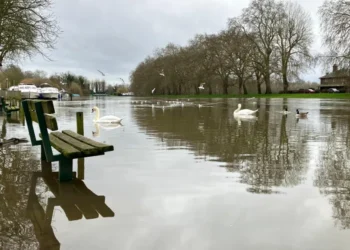 Dozens of Flood Warnings in England After Days of Non-Stop Rain
 Aberdeen Chosen for GB Energy HQ at Marischal Square
 Flat Fury: Made In Chelsea Star Still Owes Thousands for Trashing £1.8m Apartment
 Temperatures Dip Below Freezing as Arctic Air Sweeps Across the UK
 One Battle After Another Triumphs at BAFTAs as Robert Aramayo Wins Best Actor
 Ozzy Osbourne: The Prince of Darkness Bows Out, Leaving Behind a Legacy of Metal and Myth
 Director Michael Caton-Jones Reflects on Career and Beginnings
 Inside the Helpline Protecting Missing Children in the UK
 PlayStation PS5 Deals Hit Lowest Prices Ahead of Black Friday
 Five-Year-Old Dies After Rare Tonsil Surgery Complication
 Starmer Says Labour’s Economic Plan Needs Years to Deliver
 Historic £100-Weekly Pension Boost Brings Relief for UK Mineworkers
 Children to Receive Home Vaccines as England Acts
 Cambridge College Faces Backlash Over Private School Recruitment
 Bereaved Fathers Gain New Paternity Leave Rights in UK
 Woman Jailed for Life After Killing E-Bike Rider in Tragic Mistaken Identity Case
 No Gas Boiler Ban as UK Warm Homes Plan Backs Heat Pumps
 Police response times face strict new national limits
 Devon hosts first high-density hydro power system