Published: 23 February 2026. The English Chronicle Desk. The English Chronicle Online.
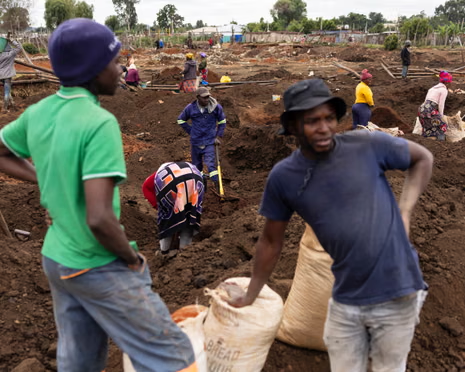
In the dust‑choked streets of Gugulethu informal settlement near Springs, people dropped everything to chase whispers of gold buried beneath the earth, driven by hunger and an absence of employment. The rumour spread fast on social media that someone had struck gold while digging a hole for a fence post on the edge of a veld known locally as a kraal, and within days hundreds had descended with shovels and makeshift tools. Families, neighbours and strangers arrived from nearby townships and provinces hundreds of miles away, all hoping a few grams of gold might change their dire circumstances. Local councillor Dean Stone described the scene as chaotic and desperate, with community members desperate for any chance to feed their children and pay for basic school transport.
This miniature gold rush was a stark reminder of South Africa’s deep economic malaise, where unemployment has soared for years and poverty grips too many households. Recent government statistics put the national jobless figure at roughly 42 per cent, and nearly four in ten people live below the official poverty line, struggling on about £65 a month. In Gugulethu, that grim reality was laid bare as young men and women, some as young as ten, latched on to the hope that a speck of gold dust could be the answer to empty cupboards.

For a few, the gamble paid off in the short term. Two sisters, Nomsa and Thokozile, told journalists they had extracted a small handful of precious metal from the soft brown soil, selling their finds for about 2,000 rand, used to buy food and cover their daughter’s transport to school. But those modest gains were overshadowed by the overwhelming sense of frustration and futility that came with the forced closure of the digging site. Government authorities, citing the need to uphold the law and protect public safety, moved in with heavy machinery to fill the trenches and arrest those involved in what they deemed illegal mining.
The rush quickly caught the attention of the Department of Mineral and Petroleum Resources, which condemned the unregulated excavation as unlawful under the nation’s Mineral and Petroleum Resources Development Act. Officials warned that unauthorised mining pits posed grave dangers to life, especially for children, and undermined the rule of law designed to protect land and resources. They reiterated that aspiring miners could seek assistance to formalise their operations and obtain the permits required to operate legally.
Yet many locals argued that the formal process for securing licences was effectively out of reach for people mired in poverty. Stone, the councillor, questioned how individuals with no transport or means could be expected to travel to Johannesburg simply to apply for paperwork, urging the government to bring support services directly to impoverished communities. In the eyes of many, the end of the informal rush was another missed opportunity to wrestle some control back from grinding economic hardship.
The frenzy in Gugulethu echoed the early days of South Africa’s gold narrative, recalling how the Witwatersrand gold fields gave birth to Johannesburg in the late 19th century. Springs itself sprang to life in 1904 after gold discoveries, becoming a hub of wealth before entering a period of decline as easy finds dried up and formal mining operations left behind scarred landscapes. Today, the region’s beige ridges and bleached soil stand as silent memorials to that bygone era, as abandoned mine dumps loom near the humble homes where modern prospectors gathered in hope.
As the authorities withdrew and giant diggers filled the pits, some residents protested, warning that their desperation could drive them toward theft and crime if no alternatives emerged. They feared that even the slight earnings from selling gold fragments and the tiny sense of agency gained by working their own land were preferable to the bleak choices of unemployment and hunger. Community leaders lamented that without meaningful jobs, people might resort to desperate measures, undoing the fabric of neighbourhood safety and wellbeing.
South Africa’s broader struggle with illegal and informal mining, however, stretches far beyond Gugulethu. Across the country, thousands of miners known as “zama zamas” operate in disused shafts and abandoned fields, drawn by the faint hope of striking wealth amidst devastated terrains left by formal mining companies. Estimates by analysts suggest that tens of thousands are involved in illicit mining, contributing to significant losses in revenue and creating a parallel economy that often eludes regulation and worker protections.

These informal miners face a gauntlet of dangers. Without legal status, they lack labour protections and work in perilous conditions, vulnerable to collapses, toxic gases, and conflict with armed criminal syndicates that have taken control of many old mine sites. Efforts by the government to crack down on illegal activity, including proposed legislative reforms and enforcement operations, underscore a long‑standing tension between enforcing the law and addressing the root causes that drive people underground in the first place.
Critics argue that the state’s approach of labelling these miners as criminals overlooks the systemic inequalities that have created such desperation. In many adjacent communities where mines once offered stable employment, the closure of operations has left economic devastation in its wake, with little investment in alternatives to mining jobs. Some policy makers and advocacy groups contend that formalising the artisanal mining sector could provide much‑needed jobs and integrate thousands of workers into a regulated economy, offering safer conditions and stable incomes.
In response to these calls, initiatives have been proposed to bring community leaders, government and industry together in dialogue, seeking ways to ensure that mining wealth contributes to sustainable infrastructure like schools and clinics long after the extraction is done. Yet progress remains slow, and for ordinary residents of settlements like Gugulethu, life remains a daily struggle against poverty and social exclusion.
As the dust settles on the recent rush for gold, memories of those frantic days linger in the minds of many who participated, not as eager prospectors but as people who saw in a rumour a fleeting glimpse of hope. The promise of finding wealth beneath the soil may have dissolved with the backfill, but the deeper issue remains: without jobs or opportunities, South Africans in places like Gugulethu may short‑circuit their futures for the slim chance of striking fortune.
Related News:
 Top Christmas Books Reads: Classics to Cozy Romcoms
 Just Stop Oil Protesters Convicted Amid Climate Defence Row
 BBC to Apologise Over Edited Trump Speech Amid Backlash
 Britain deploys RAF specialists to assist Belgium with drone threats
 Palace May Restore Hyphen to Andrew Mountbatten-Windsor’s Name
 US Senate Passes Funding Bill to End Historic Shutdown
 US Justice Department Files Lawsuit Against California Over Partisan Voting Maps
 Greene Pushes Epstein Files Amid Trump Fallout
 Trump Deploys DHS to Charlotte in Major Arrest Operation
 December Run-Off in Chile as Election Produces No Winner
 Zelenskyy Signs Fighter Jet Deal Amid Russian Drone Attacks
 Orban Says Ukraine Has ‘No Chance’ as EU Support Continues
 Canada Passes Carney’s First Budget in Tight Parliamentary Vote
 Israeli Strike Kills 13 Near Palestinian Camp in Lebanon
 Shadow Fleet at Sea: Europe’s Battle Against Illicit Oil Shipping
 Tiny Curacao Makes History as Smallest Nation to Reach World Cup
 Haiti Qualifies for World Cup Despite Coach Never Visiting Country
 Deadly Russian Strikes Hit Western Ukraine, 20 Killed in Ternopil
 Pentagon Officials in Ukraine to Discuss War End
 Ukraine Peace Plan: Zelensky Ready for Dialogue
 Vietnam Battles Deadly Floods as Rains Continue
 Venezuela Threatens Nobel Winner Machado with Fugitive Status
 At Least Three Dead in Bangladesh Earthquake
 Royal Navy Shadows Russian Warships Entering the Channel
 Israel Confirms Hamas Returned Dror Or’s Body
 US Suspends Afghan Immigration After White House Shooting
 Two National Guard Soldiers Critically Injured Near White House
 Georgians Defy Government Crackdown After Year of Protests
 Southern Lebanon reels as Israeli strikes shatter communities
 Mbappe Scores 4 as Real Madrid Edge Olympiakos
 Sri Lanka Floods Leave 56 Dead, Dozens Missing
 Tokyo court rules Japan’s same-sex marriage ban constitutional
 ‘Extinct’ Antelope Returns to Sahara, Bringing Hope
 EU plans $105bn Ukraine aid using frozen Russian assets
 Global campaign launched to free Palestinian leader Barghouti
 American Mother Extradited From UK to U.S. on Murder Charges
 Khaleda Zia, Bangladesh’s First Female Prime Minister, Dies at 80
 Russia losses Ukraine war peace talks intensify amid rising deaths
 Facebook Slow to Remove Bondi Attack Praise, Anti-Hate Group Claims
 Australian Cruise Ship Freed After Reef Grounding in Papua New Guinea
 Zelenskyy Accuses Russia of Sabotaging Peace Talks
 US Cities Erupt in Protests Against Trump’s Venezuela Military Action
 Albanese Opens Door to Bondi Royal Commission Amid Rising Pressure
 Trump Escalates Minnesota Immigration Surge Amid Rising Tensions
 Iran Protesters Defy Crackdown as Violent Clashes Intensify
 US Clears Nvidia AI Chip Sales to China in Policy Shift
 Trump Threatens Strong Action If Iran Executes Protesters
 Gulf states warn Trump Iran strikes risk wider Middle East war
 Machado Trump medal gesture reshapes Venezuela power struggle
 Greenland defence seen as shared Nato duty amid troop arrivals
 Trump Receives Machado’s Nobel Medal in White House Meeting
 EU weighs response amid Greenland tariff crisis with Trump
 Syria President Declares Victory as Ceasefire Reached with SDF
 US Considers Asylum for British Jews Amid Rising Antisemitism
 Sydney Shark Attack Surge Shocks Australia Beaches
 ICE street raids expose a chilling future for public freedoms
 Thousands Flee Cambodia Scam Centres Amid Global Pressure
 EU Says US Ties Have Suffered ‘Big Blow’ After Greenland Crisis
 Andrew Hastie Emerges as Leadership Rival to Ley
 Starmer China visit raises human rights pressure on Beijing
 US Launches Multi-Day Air Drills Amid Rising Iran Tensions
 Videos reveal earlier clash before Alex Pretti shooting
 China Executes 11 Linked to Myanmar Scam Networks
 UK New Car Discounts Near £6,000 as Prices Are Slashed
 Israel Moves to Bar MSF From Gaza Operations
 Tragic Ski Lift Accident Claims Australian Snowboarder
 Thousands Left Without Heating in Ukraine Amid Russia Strikes
 Trump Praises ‘Terrific’ Petro After White House Talks
 Portugal Election Delivers Socialist Win as Far Right Surges
 Sydney Protest Escalates and Elderly Woman Suffers Severe Injury
 Tarique Rahman’s Rise Toward Bangladesh’s Top Job
 Australian Families Leave Syrian Camp for Home
 SA Police Intensify Search in Gus Lamont Case
 Trump Attacks UK-California Energy Pact
 Kim Jong-un Unveils Housing for War Families
 Trump and Chagos Deal Rift Over Iran Strikes
 Andrew Arrest Sparks Republic Debate in Australia
 Global corruption crisis: Who Washington shields
 El Mencho Killed as Mexico Faces Violence
 Farage Chagos Islands Row Sparks Fury