Published: 25 February 2026. The English Chronicle Desk. The English Chronicle Online.
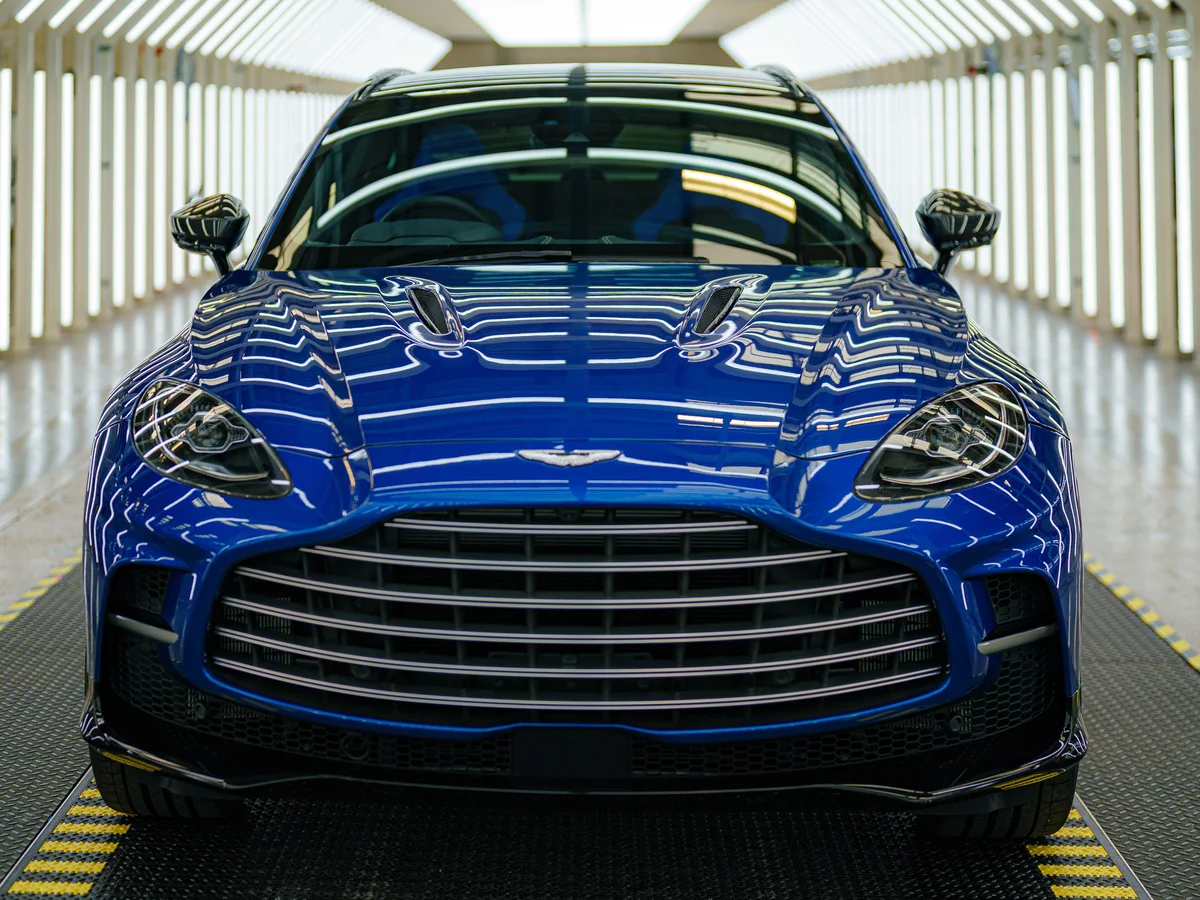
Aston Martin cuts have sent shockwaves through Britain’s automotive industry this week. The iconic luxury marque confirmed plans to reduce its workforce by 20 percent. The decision comes as losses widened sharply and pressures mounted across global markets. Executives say the move aims to secure £40 million in annual savings. However, the announcement has raised concerns among employees, investors, and industry analysts alike.
The carmaker, formally known as Aston Martin Lagonda, revealed the restructuring alongside its latest financial results. Pre-tax losses for 2025 reached £363.9 million, up from £289.1 million the previous year. The figures underline a challenging period marked by falling demand and rising trade barriers. Management described the cuts as necessary to align operations with future strategy.
Earlier this month, the company began consultations with staff regarding potential redundancies. This follows an earlier round of job reductions at the start of last year. Around 170 positions were eliminated during that previous restructuring effort. The new programme, far more extensive, could affect up to a fifth of employees. Company leaders acknowledged the emotional weight of the decision.
The business is majority-owned by Canadian billionaire Lawrence Stroll, who has steered its recent turnaround attempts. Since acquiring control, he has invested heavily in product development and brand positioning. Yet global headwinds have continued to undermine financial recovery efforts. Management insists that organisational adjustments are vital for long-term stability.

In a statement, executives explained that earlier structural reviews shaped the latest move. They said organisational adjustments at the start of 2025 aimed to prepare for future plans. However, trading conditions later in the year forced further changes. Leaders stressed that the decision followed careful analysis of market realities.
Aston Martin cuts come at a time when the luxury automotive sector faces uncertainty. In the United States, increased tariffs have raised costs for imported vehicles. These changes have squeezed margins for manufacturers reliant on global sales. At the same time, macroeconomic instability has dampened consumer confidence. Wealthy buyers appear more cautious in discretionary spending.
China, once viewed as a vital growth engine, has also disappointed expectations. The company described demand there as extremely subdued during 2025. This trend mirrors challenges faced by other luxury automotive peers. A weaker economic climate and changes to luxury car tariffs in mid-2025 weighed heavily on sales. Executives still believe the market holds long-term promise.
Investors were not entirely surprised by the bleak figures. The company had issued five profit warnings since September 2024. Each warning signalled mounting difficulties in achieving revenue targets. Market confidence weakened as delays and underperformance persisted. Last week, the group also sold permanent naming rights to its Formula One team to raise capital.
That Formula One association remains central to brand identity. The team competes as the Aston Martin F1 Team in the global championship. Motorsport visibility has been a cornerstone of recent marketing strategy. However, financial realities have forced asset sales despite branding ambitions. Critics argue that symbolic strength cannot offset operational weaknesses.
Equity analyst Aarin Chiekrie from Hargreaves Lansdown offered a cautious assessment of the results. He suggested that blaming external factors tells only part of the story. While tariffs and macroeconomic pressures are significant, internal execution challenges remain evident. Declining sales volumes pose a deeper structural concern.
Chiekrie emphasised that asset disposals and workforce reductions offer limited relief. Cost-cutting can improve short-term cash flow but rarely solves demand issues. Sustainable recovery depends on restoring growth and operational efficiency. He warned that drastic staff cuts may complicate future production increases. Scaling output after significant layoffs can prove operationally complex.
The market reaction on Wednesday morning was relatively positive. Shares rose five percent in early trading following the announcement. Some investors welcomed decisive action aimed at stabilising finances. Others viewed the bounce as cautious optimism rather than lasting confidence. Analysts noted that volatility remains likely in coming months.
For employees, the news carries far more personal consequences. Skilled engineers, designers, and support staff now face uncertainty about their futures. The brand’s workforce has long been a source of pride and craftsmanship. Many have contributed decades of expertise to building iconic sports cars. The restructuring inevitably disrupts that legacy.
Industry observers point to broader shifts in luxury automotive demand. Electrification strategies, regulatory pressures, and geopolitical tensions complicate planning. Premium manufacturers must invest heavily in technology while managing fluctuating sales. Balancing innovation with profitability presents an ongoing challenge. Smaller producers often feel these pressures more intensely than mass-market rivals.
Aston Martin’s product portfolio includes high-performance grand tourers and limited-edition supercars. Recent launches aimed to attract new affluent buyers worldwide. Yet delivery volumes have struggled to meet earlier projections. Production bottlenecks and supply chain disruptions added further strain. Combined with softer demand, financial losses deepened significantly.
Leadership maintains that the restructuring will create a leaner organisation. Executives argue that aligning resources with realistic output forecasts ensures sustainability. They insist that core engineering capabilities will remain intact. The company plans to focus on profitable models and strategic markets. Whether this strategy succeeds will depend largely on demand recovery.
The phrase Aston Martin cuts now symbolises a pivotal moment in the firm’s history. Over its century-long heritage, the marque has survived multiple crises. Past restructurings often paved the way for renewed growth cycles. However, today’s global landscape differs markedly from previous decades. Competition is fiercer, and economic conditions remain fragile.
Supporters of the strategy argue that decisive leadership prevents deeper turmoil. Allowing losses to escalate unchecked could threaten long-term viability. By addressing cost structures now, management hopes to regain investor trust. They believe disciplined spending will strengthen resilience against external shocks. The next financial year will test those assumptions rigorously.

Critics, however, question whether cost reductions alone can restore prestige momentum. Luxury brands rely on aspiration and exclusivity to sustain demand. Persistent headlines about losses risk undermining consumer perception. Rebuilding narrative strength may prove as important as financial restructuring. Marketing and product excellence must reinforce each other.
Government officials have not yet commented publicly on potential support. The British automotive sector remains strategically significant to national manufacturing. Policymakers closely monitor developments affecting skilled employment. Any prolonged downturn could influence broader industrial confidence. For now, attention centres on the company’s internal transformation.
As consultations proceed, employees will seek clarity about timelines and support measures. Redundancy programmes often include severance packages and retraining assistance. Transparent communication will be critical in preserving morale among remaining staff. Corporate culture can suffer lasting damage if handled insensitively. Leadership faces a delicate balancing act.
Ultimately, Aston Martin cuts reflect the harsh arithmetic of global business. Ambition and heritage cannot shield companies from market forces. The coming months will reveal whether restructuring delivers promised savings. Investors will scrutinise sales volumes and cash flow improvements closely. For now, the storied marque stands at a crossroads once again.
Related News:
 Reeves Faces Setback as Labour May Miss Homes Target
 Virgin Trains Moves Closer to Challenging Eurostar Monopoly
 Trump’s UK Ambassador Urges North Sea Drilling to Strengthen US Ties
 Ryanair Chief UK Economy ‘Doomed’ Under Labour
 Court Hears Challenge Over Water Bills Funding Sewage Fixes
 ABF May Split Primark from Food Division Amid Tough Market
 Rachel Reeves Set to Break Labour Pledge and Raise Income Tax
 UPS Cargo Plane Crash in Kentucky Kills Seven
 M&S Profits More Than Halve After Cyber-Attack
 Tony Blair think tank warns Rachel Reeves must cut taxes if manifesto broken
 Oprah enjoys Meghan’s jam on English muffins
 MPs Press Rachel Reeves to Hike Gambling Taxes
 Earl of Yarmouth Faces £1.3m Legal Bill Over Family Estate
 North Sea oil workers must lose weight or face job loss
 Warning as Britons prepare to spend £4 billion this Black Friday
 Millionaires group urge Reeves to introduce wealth tax to ‘lift kids out of poverty’
 From Lego to Pokémon: How Adults Are Driving UK Toy Market Growth
 UK toy market enjoys bumper year as ‘kidults’ fuel demand
 New laws to bolster UK’s defences against cyber attacks on NHS, transport and energy
 Skims Eyes Global Expansion After Reaching $5 Billion Value
 Trump Moves to Cut Coffee and Banana Tariffs in Latin America Deals
 Global markets drop amid tech sell-off and China slowdown
 Canada Passes Carney’s First Budget in Tight Parliamentary Vote
 PM Highlights UK Business at G20 in South Africa
 Mossmorran Plant Closure Hits Cowdenbeath Hard
 UK Taskforce Unveils Plan to Streamline Nuclear Reactor Rules
 Steel billionaire Lakshmi Mittal reportedly leaves UK
 India’s Labour Law Overhaul Sparks Fierce Debate
 Starmer Says Labour’s Economic Plan Needs Years to Deliver
 Virgin Media Fined £23.8m Over Telecare Safety Failures
 Rising Water Bills Lift Troubled Thames Back to Profit
 Tesla Warns UK That Weak EV Rules Could Threaten Sales
 BP agrees £7.4bn Castrol sale to US investment firm
 Sainsbury’s CEO leads business honours in New Year list
 FTSE 100 Hits 10,000: UK Market Celebrates Record Year
 UK House Prices Fall Sharply at Year-End, Nationwide Reports
 UK Car Sales Pass 2 Million as Chinese Brands Surge
 Wessex Water chiefs receive £50,000 extra despite government bonus ban
 3,000 Jobs at Risk Without UK Helicopter Order
 German Supermarket Aldi to Open 180 US Stores This Year
 Starmer links foreign trips to tackling cost of living crisis
 China Dependence Threatens UK Energy Supply Chains and Jobs
 Canada-China trade gains momentum in new strategic partnership
MPs warn AI financial risks threaten UK stability
Canada-China trade gains momentum in new strategic partnership
MPs warn AI financial risks threaten UK stability
 MPs warn AI financial risks threaten UK stability
 B&M and The Works Struggle During Christmas Trading
 UK Disposable Income Growth Transforms Eleven Towns and Cities
 US Dollar Hits Four-Year Low Amid Market Turmoil
 Amazon mistakenly signals new global layoffs to employees
 Labour Must Revive High Streets to Avoid Election Collapse
 Households in England Face Rising Water Bills in April
 UK needs new factory to reach 1.3m car target, says industry chief
 UK food industry urges transition if post-Brexit rules reset
 AstraZeneca China Investment Signals Strategic Shift Abroad
 UK New Car Discounts Near £6,000 as Prices Are Slashed
 Study Finds One in Seven England Takeaways Are Dark Kitchens
 Riverford sales surge as UK organic market booms
 Barclays drops Global Counsel after Mandelson link scrutiny
 Telstra AI jobs cuts as automation drive expands
 BT Names New Openreach Chief Amid Major Fibre Expansion
 AI fears hit UK wealth and comparison sites
 UK Housing Market Shows Early Recovery Signs
 UK economy struggles as growth stalls at 0.1% in late 2025
 Schroders sold to US investor in £9.9bn deal ending family control
 Aberdeen Chosen for GB Energy HQ at Marischal Square
 Bank of England Urged to Cut Rates to Spur Growth
 Lloyds Faces Scrutiny Over Staff Data Use in Pay Talks
 Santos Wins Landmark Greenwashing Case in Court
 Royal Mail Blames Poor Weather and Sickness for Delayed Deliveries
 British Steel wins Turkey rail boost
 Glencore Approves $2bn Payout Despite Profit Slump
 Sanders Condemns Billionaire ‘Greed’ in California Tax Debate
 UK Sees Record £30.4bn Budget Surplus, Boosting Reeves’ Position
 UK Job Vacancies Hit Five-Year Pandemic Low
 UK Youth Unemployment Surges Amid Tax Changes
 Ministers Urged to Ban Crypto Political Donations
 Strong Rebound for UK Housing Market Sees 6% More Homes
 How Ancient Scottish Rocks Challenge the “Snowball Earth” Theory
 HSBC Signals Overhaul Nearing Completion Despite Profit Drop
 Reserve Bank May Hike Rates Twice Amid Persistent Inflation