Published: 25 February 2026. The English Chronicle Desk. The English Chronicle Online.
The student loans crisis in England has escalated, leaving graduates across the country deeply frustrated. Labour backbench MPs have criticised the government, claiming the student loans system unfairly burdens graduates with debts that continuously grow despite monthly repayments. Central to this outrage is the so-called “plan 2” student loans, taken out by around 5.8 million students between 2012 and 2023, which accumulates interest from the very first day of study. Critics argue that the arrangement exploits young people’s ambitions, trapping them in a cycle of debt that often appears impossible to escape.
Last Wednesday, a Commons Westminster Hall debate highlighted the growing anger among MPs and students over student loans. Labour politicians urged ministers to reform what they describe as an “outrageously unfair” financial arrangement that is pushing graduates into unmanageable debts. The intervention follows a series of high-profile criticisms, including remarks from education secretary Bridget Phillipson, who acknowledged that the student loans system currently faces serious problems affecting millions of borrowers across England and Wales.
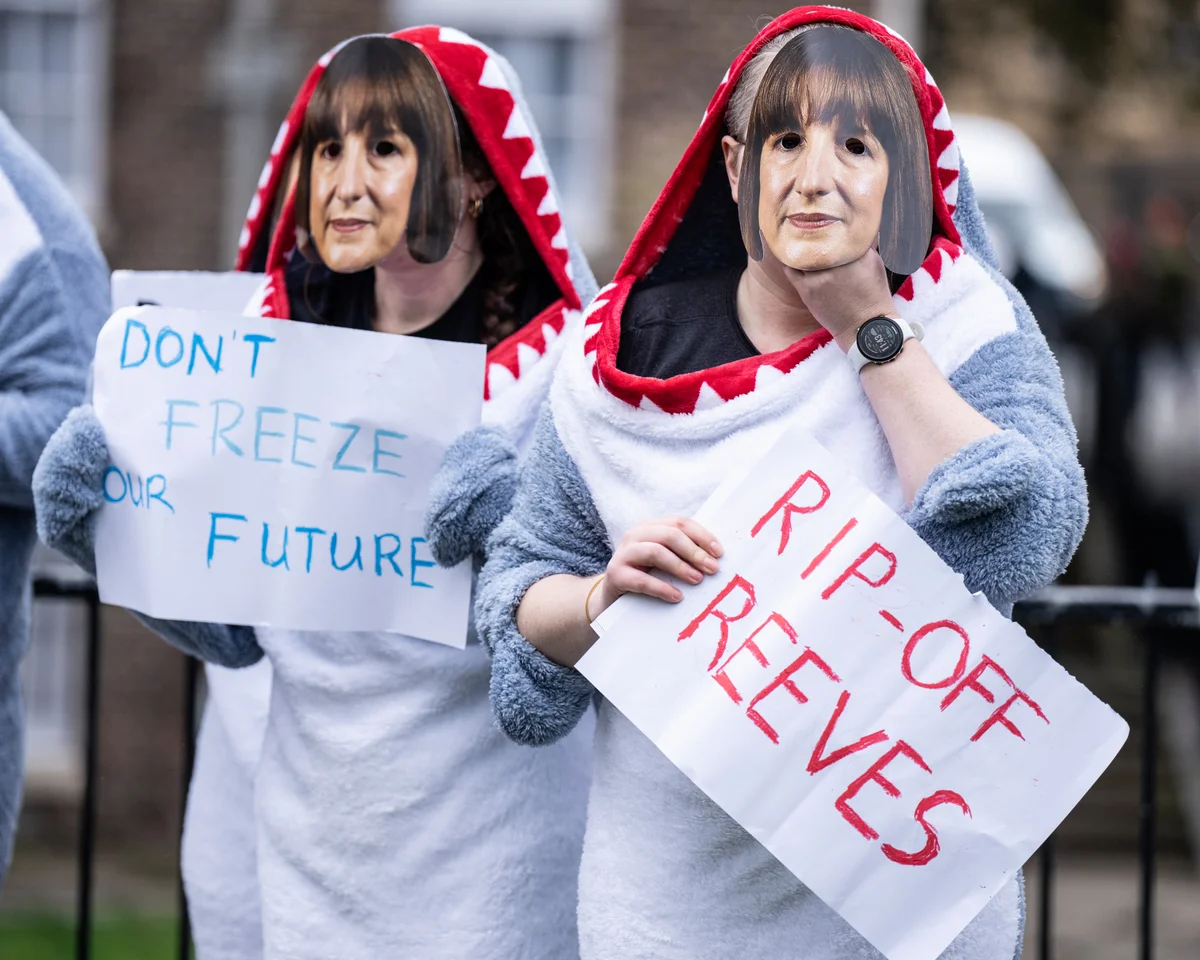
The controversy intensified after Chancellor Rachel Reeves announced last November that the salary threshold for plan 2 loan repayments would be frozen for three years. This decision appears to contradict the 2010 commitment to uprate the repayment threshold annually in line with earnings, effectively increasing the financial pressure on graduates. Many borrowers now face monthly deductions from their salaries that barely reduce the principal owed, as interest continues to accumulate faster than repayments can diminish the debt.

Student organisations and consumer advocates have also played a major role in this ongoing debate. The National Union of Students has called for urgent reforms, warning that the current framework disproportionately affects graduates with modest incomes. Similarly, financial expert Martin Lewis publicly challenged Conservative leader Kemi Badenoch on ITV, raising awareness of the systemic issues and urging immediate government action. Lewis later issued an apology following the exchange, but the spotlight on the problem remained, intensifying public scrutiny.
Several Labour MPs attending the debate spoke candidly about the human cost of the student loans system. Alex Sobel, representing Leeds Central and Headingley, expressed strong criticism of plan 2 loans, describing them as a mechanism that imposes “unattainable debt levels and exploitative interest rates” on students. Sobel, who co-chairs the all-party parliamentary group for students, emphasised that interest charges applied from the start of full-time courses exploit students’ aspirations for higher education. His comments underline the growing consensus that the current system fails to balance government revenue needs with graduate wellbeing.
Jas Athwal, MP for Ilford South, who initiated the debate, stressed that while the flaws in the student loans system predate the current administration, perpetuating inequities is not acceptable. Athwal warned that modifications, such as freezing repayment thresholds, further entrench systemic unfairness and undermine trust in government policies. His statements highlighted concerns shared by many across the UK who feel that the system is stacked against learners and young professionals trying to establish their financial independence.
The public sentiment surrounding student loans is mirrored by rising criticism of government priorities. Education secretary Phillipson has acknowledged flaws in plan 2 loans but has suggested that attention should remain on supporting poorer students through maintenance grants rather than tackling high interest rates directly. She reiterated that the government is reviewing options to improve graduates’ financial experiences, yet many critics see this approach as insufficient given the growing scale of indebtedness.
Conservative and Liberal Democrat policymakers have also offered proposals to address the crisis, though these have been met with mixed reactions. Critics argue that incremental changes, such as freezing repayment thresholds, fail to address the structural inequities embedded in the loan system. Public commentary and social media campaigns have amplified calls for comprehensive reform, with graduates highlighting that they are paying more over time than originally borrowed, creating a sense of injustice and frustration nationwide.
The debate reflects deeper concerns about the long-term sustainability and fairness of student finance in England and Wales. Graduates are increasingly vocal about the difficulties they face in balancing loan repayments with other financial obligations, including housing, daily living costs, and family responsibilities. This financial strain has sparked a broader discussion about whether the government’s approach aligns with its stated goal of promoting accessible higher education without unfairly burdening learners with lifelong debt.
Financial advocates stress that the current system risks disincentivising higher education participation, particularly among students from lower-income families. As interest accrues faster than repayments, many graduates feel trapped in debt, with little prospect of relief until the loan forgiveness stage, which can be decades away. This situation contrasts sharply with the initial promise that student loans would be manageable and income-contingent, creating widespread frustration among affected borrowers.
Social media campaigns have further magnified awareness of the crisis, with graduates sharing personal experiences and highlighting the discrepancies between expected repayments and actual debt growth. The outcry has prompted some parliamentary committees to examine the issue more closely, seeking solutions that balance government fiscal responsibility with fairness for graduates. MPs advocating reform argue that without significant intervention, the system risks perpetuating generational inequalities in education and economic opportunity.

Experts suggest that a comprehensive review could involve recalibrating interest rates, adjusting repayment thresholds in line with wages, and introducing targeted debt relief measures for those most affected. Such reforms would aim to restore trust in the student finance system, ensuring it functions as a supportive mechanism for education rather than a punitive financial trap. Advocates argue that addressing structural flaws is urgent to prevent further erosion of public confidence and to safeguard the prospects of future graduates.
The controversy underscores the complex intersection of education policy, government finance, and social equity. Labour MPs and student organisations alike continue to push for solutions that reflect fairness, transparency, and sustainability. Public debates, parliamentary interventions, and media scrutiny are driving a narrative in which graduates demand a system that recognises their financial commitment while offering realistic repayment pathways.
Ultimately, the student loan crisis in England and Wales represents a significant challenge for policymakers. The current plan 2 framework has prompted widespread criticism for allowing debts to balloon despite consistent repayments, generating both political tension and public concern. Resolving this crisis requires a careful balance between protecting taxpayers and ensuring graduates are not subjected to financial exploitation. The coming months may determine whether meaningful reforms will materialise or whether graduates will continue to feel trapped by a system that many describe as unfair and exploitative.
Related News:
 Bridget Phillipson Vows to Confront Unions Over Reading Tests
 England’s Special Needs Support Faces Breaking Point
 UK Ministers Drop Foreign Student Targets for Global Education Push
 SEND Plan Gains Cautious Support Amid England Schools’ Workload Concerns
 University of Edinburgh Lecturers Launch Five-Day Strike Amid £140m Budget Cuts
 It Changed My View’: Campaign Encourages Pupils in Deprived Areas to Consider University
 The debate over England’s compulsory reading test for 13-year-olds
 British Woman in Iran ‘Losing Hope’ Amid Ongoing Detention
 BBC Journalist Held and Interrogated in Vietnam
 Is a two-week half-term a good deal? Some parents in England aren’t so sure
 Green Party Surges Past Labour in Latest UK Poll
 Celebrities and Charities Demand UK Government Act on Child Poverty
 Trump’s UK Ambassador Urges North Sea Drilling to Strengthen US Ties
 Children to Learn Local History in Major Curriculum Overhaul
 FBI Director Kash Patel Defends Girlfriend Amid Government Jet Claims
 UK University Suspends Human Rights Research Following Pressure from China
 French Taxi Driver Cleared in David Lammy Theft Case After Fare Dispute
 Top Christmas Books Reads: Classics to Cozy Romcoms
 Greta Thunberg Backs Student Facing UK Visa Revocation
 Audio Books deals and promo codes to explore in November 2025
 Labour immigration crackdown could cost UK £4.4bn
 London’s Childlessness Crisis: Schools Closing as Families Shrink
 ‘Reckless’ cuts to victims’ services will cost more than they save
 Millionaires group urge Reeves to introduce wealth tax to ‘lift kids out of poverty’
 Starmer Faces Growing Dissent as Labour MPs Weigh Leadership Challenge
 Reeves rejects £1bn plea for NHS redundancy payouts
 Politics latest: Starmer ‘will fight any leadership coup’ as Streeting denies attempt to oust Labour PM
 PM Condemns Leaks, Vows Loyalty to Ministers and Stability
 Major Rent Reform Ends No-Fault Evictions in England
 Peers Flood Assisted Dying Bill with 942 Amendments
 MoD warned over Excel risks before Afghan data breach
 Labour Faces Historic Decline in Wales
 PM Highlights UK Business at G20 in South Africa
 Kate Forbes: Motherhood Harder Than Politics
 Most Tories Expect to Support a Farage-Led Government
 Labour MP claims devolution bill is ‘blatant discrimination’ against Cornwall
 Millions Face Higher Taxes Under Reeves New Budget
 Peers Get Extra Time to Debate Assisted Dying Bill
 Starmer Says Labour’s Economic Plan Needs Years to Deliver
 Oxford Names ‘Rage Bait’ Word of the Year
 Culture secretary to review Telegraph takeover by Daily Mail owner
 Cambridge College Faces Backlash Over Private School Recruitment
 Plans to Limit Jury Trials Face Retreat After Mounting Opposition
 Right Must Unite After Jenrick Defection, Urges Rees-Mogg
 MPs warn AI financial risks threaten UK stability
 MPs warn AI financial risks threaten UK stability
 No Gas Boiler Ban as UK Warm Homes Plan Backs Heat Pumps
 Hugh Grant Joins Call for Under-16 Social Media Ban in UK
 Shinzo Abe’s killer receives life sentence in Japan
 Lords Vote Piles Pressure on Starmer Over Social Media Ban
 Reform UK Health Plan ‘Would Cost £1.7bn’, Streeting Says
 Police response times face strict new national limits
 Labour policing overhaul sparks fears over growing central control
 Tories criticised after Braverman defection sparks mental health row
 Burnham Westminster return hopes fade amid Labour rift
 Starmer warns of toxic division politics in Reform challenge
 Starmer China visit raises human rights pressure on Beijing
 Labour Must Revive High Streets to Avoid Election Collapse
 Calls Grow for King Charles to Apologise for Crown’s Role in Slavery
 Cambridge Faces Scrutiny Over Arms Investment Transparency
 Harvey Willgoose School Stabbing Red Flags Missed
 Palantir contracts face UK halt calls over transparency
 Labour Thinktank Row Deepens Over Journalist Probe Claims
 Labour Lord Doyle Apologises Over Paedophile Ties in Political Storm
 Send spending gap leaves deprived areas behind
 Cabinet Secretary Shake-Up Triggers Due Diligence Warning
 Starmer Faces Inquiry Calls Over Thinktank Probe
 Royal Mail Delivery Crisis Deepens Amid Weather Chaos
 Labour Together probe scandal sparks fresh Cabinet Office investigation
 Farage to Name Jenrick as Reform Chancellor Pick
 NHS Negligence Ruling Raises Payout Costs
 Civil Service Pay: Union Urges Ministers to End ‘Barking Mad’ Limits
 Antonia Romeo appointment sparks criticism
 Trump and Chagos Deal Rift Over Iran Strikes
 Schools in England to Get Budget for Children with Special Needs as Part of SEND Overhaul
 Farage Chagos Islands Row Sparks Fury
 Trump Tariffs Threat Spark UK and EU Alarm
 Gasfield Deal Sparks Debate Over Fracking in Lincolnshire
 Reform UK targets workers’ rights repeal
 Mandelson Denounces Arrest Over ‘Baseless’ Fleeing Claims