Published: 26 February 2026. The English Chronicle Desk. The English Chronicle Online.
The Indian state of Kerala, long celebrated as “God’s own country,” will officially be renamed Keralam. The cabinet of Prime Minister Narendra Modi approved the proposal to align the English-language name with the local Malayalam pronunciation of the state’s name. In Malayalam, the region has always been called Keralam, meaning “land of coconut trees,” reflecting the state’s natural abundance and cultural heritage. Kerala produces nearly forty-five percent of India’s coconuts, making the name deeply symbolic for local identity and economic significance.
Supporters of the change emphasise that adopting Keralam in English restores dignity and linguistic authenticity for the state’s people. Pinarayi Vijayan, Kerala’s chief minister and leader of the left-wing alliance in power, highlighted that the state should be recognised internationally by the name residents actually use daily. Millions of tourists visiting Kerala each year experience the state’s rich heritage, including its backwaters, tea plantations, and golden beaches, which have earned it global acclaim. By adopting Keralam, officials argue, English records will more accurately reflect this local cultural identity.

Many residents have welcomed the decision, viewing it as an overdue correction. Priya Matthew, a schoolteacher from Kozhikode, said the term “Keralam” feels more natural and familiar when used in English communications. At the same time, she acknowledged that the word “Kerala” carries a certain lyrical quality that is difficult to replicate. “It’s true that ‘Kerala’ has a musical flow,” Matthew explained, “but ‘Keralam’ truly represents our language and heritage.” The sentiment echoes across classrooms and local communities, where linguistic pride often intersects with daily life.
The renaming also fits a broader Indian trend of reclaiming indigenous spellings while moving away from colonial-era names. Over the past few decades, several major cities and states have undergone similar changes: Bombay became Mumbai, Madras was renamed Chennai, Calcutta turned into Kolkata, and Bangalore is now Bengaluru. Even Odisha shed its former English spelling as Orissa, reflecting a growing national effort to restore local cultural accuracy. Scholars note that these changes are not merely symbolic but represent a deeper assertion of post-colonial identity in everyday governance and official documentation.
The next stage in this process is the introduction of the proposal to India’s national parliament, where approval is expected to be straightforward. Once enacted, all English-language references to the state will officially use Keralam, ensuring consistency across government records, tourism literature, and international communications. Legal documents, educational materials, and media outlets will all begin referring to the state under its authentic name, a step that advocates say fosters both accuracy and respect for linguistic tradition.
The change has also sparked discussion about terminology for the state’s residents. Shashi Tharoor, a prominent author and senior Congress member representing Thiruvananthapuram, welcomed the decision on social media but raised questions about how English-speaking communities will refer to people from Keralam. Terms like “Keralite” or “Keralan” have long been used, but whether they will evolve to align with the new official spelling remains uncertain. Tharoor’s comments highlight the ongoing negotiation between linguistic precision and longstanding conventions in English usage.
Tourism officials have already begun updating promotional materials to reflect the proposed change, emphasising Keralam’s natural landscapes, cultural festivals, and wellness retreats. The state draws millions of visitors from across India and abroad, attracted by its houseboats, spice plantations, and Ayurvedic traditions. Authorities believe that adopting the local pronunciation in English will deepen tourists’ appreciation of Kerala’s cultural identity and reinforce the state’s reputation as a destination rooted in authenticity rather than merely a branded label.
Economists also note potential indirect benefits, suggesting that a locally authentic name could enhance the marketing of Kerala’s agricultural exports, particularly coconuts, spices, and tea. “Keralam carries more than a linguistic message,” explained an industry analyst. “It communicates cultural pride and geographic specificity, which can influence consumer perception and international trade.” Businesses, both domestic and international, are closely monitoring the transition, ensuring packaging, branding, and media references will reflect the state’s new official designation.
Public reactions on social media reveal a mix of enthusiasm and nostalgia. While many applaud the decision as a long-overdue recognition of linguistic authenticity, some still express affection for the older English spelling, citing decades of familiarity in literature, cinema, and historical texts. Nevertheless, the overwhelming response supports the alignment of English usage with the state’s native Malayalam designation, suggesting that Keralam will soon become a normalized term both nationally and internationally.
Linguists point out that the spelling adjustment underscores the nuances of transliteration between languages with differing phonetic systems. Malayalam’s vowel and consonant sounds do not always map directly onto English, creating challenges when establishing a standard English form. By officially adopting Keralam, the government aims to respect phonetic accuracy, bridging cultural and linguistic divides and ensuring that the state’s name is pronounced as closely as possible to its original form.

Educators in Kerala are already preparing to incorporate the change into school curricula, highlighting the historical and linguistic significance of the state’s renaming. Students will learn about the origins of the name Keralam, its ties to the coconut tree economy, and its broader cultural meaning. This initiative is expected to foster both regional pride and a deeper understanding of India’s linguistic diversity, encouraging younger generations to value local heritage while engaging confidently with global English-language contexts.
While the official renaming is still pending parliamentary approval, government departments have been advised to start planning for a smooth transition. Signage, official forms, digital platforms, and media publications are gradually being updated to prevent confusion once Keralam is formally adopted. Experts emphasise that thorough preparation is essential to ensure that the transition maintains public clarity and administrative efficiency, avoiding unnecessary disruption for residents, tourists, and businesses alike.
In conclusion, the renaming of Kerala to Keralam represents a broader effort to reconcile historical colonial influence with contemporary linguistic and cultural realities. The change is more than cosmetic; it reflects local identity, enhances international recognition, and strengthens the connection between language and place. As the nation watches this transition unfold, Keralam is poised to embody both the state’s rich heritage and the evolving narrative of India’s post-colonial linguistic landscape. With cross-party support, public interest, and administrative planning in place, the shift to Keralam in English records seems both inevitable and widely celebrated.
Related News:
 George Clooney and Amal Clooney Receive French Citizenship
 Shock US Raid: Maduro Pleads Not Guilty in Manhattan Court
 UK and France Agree Troop Deployment Plan for Ukraine
 Capitol Attack Anniversary Sparks Deep Political Divide
 EU Weakens as Trump Targets Venezuela and Greenland
 Saudi Officials Report Zubaidi Flee Before Yemen Peace Talks
 Venezuela Oil Deal Opens Tensions with US Control
 UK Targets in New York Bomb Threat Hoax: Man Jailed
 Trump Plans Venezuela Meeting, Warns of Cartel Land Strikes
 Gambia Supreme Court Hears Case to Overturn FGM Ban
 Trump Labels Renee Good a ‘Paid Agitator’ After Minneapolis ICE Killing
 Indonesia blocks Grok chatbot over sexual content risk
 US Citizens Warned to Venezuela Flee Amid Paramilitary Threats
 UK urges peaceful Iran transition amid escalating protests
 British skier killed in La Plagne avalanche tragedy
 UK Guantánamo Settlement Paid to Tortured Detainee
 Mandelson apologises over Epstein ties after public scrutiny
 BBC moves to dismiss Trump $10bn lawsuit over Panorama edit
 Trump targets Iran trade with 25% tariff warning
 Rudd successor: Defence chief and former ministers considered
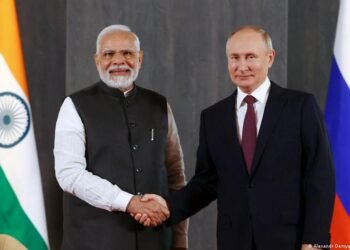 Russia Moves to Bypass Sanctions, Securing India Oil Imports
 US Senate rejects resolution limiting Trump military powers
 Venezuela regime claims release of political prisoners signals new era
 Friedman Uninvited From 2024 Adelaide Writers’ Week
 Trump Calls Greenland Critical for US Security After Denmark Talks
 Gulf states warn Trump Iran strikes risk wider Middle East war
 Machado Trump medal gesture reshapes Venezuela power struggle
 Greenland defence seen as shared Nato duty amid troop arrivals
 Gulf states warn Trump Iran strikes risk wider Middle East war
 Geopolitical football: Iran, Trump and the World Cup clash
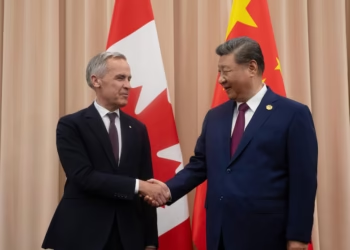 Canada-China trade gains momentum in new strategic partnership
 Trump Receives Machado’s Nobel Medal in White House Meeting
 Iran unrest slows under brutal crackdown and global tensions
 Trump Allies Pursue $200m European Gas Pipeline Deal
 Syria President Declares Victory as Ceasefire Reached with SDF
 US Considers Asylum for British Jews Amid Rising Antisemitism
 Starmer Challenges US Over Controversial Greenland Deal
 Chinese tourists drop sharply over Taiwan tensions
 Spoof “Make America Go Away” Caps Rally Denmark Over Greenland
 Trump slams UK ‘stupidity’ over Chagos Islands, eyes Greenland takeover
 More Than 100 Islamic State Inmates Escape Amid Syrian Clashes
 UK Presses On With Chagos Handover Despite Trump Criticism
 Trump Tightens Grip on EU and UK Energy Supply
 Shinzo Abe’s killer receives life sentence in Japan
 Starmer Resists Matching Trump Amid Greenland Tensions
 Netanyahu Accepts Trump’s ‘Board of Peace’ Invitation
 UK declines Trump’s ‘board of peace’ over Putin concerns
 Silence and Unity Mark Bondi Terror Attack Memorial
 Russia Strikes Kyiv and Kharkiv as Peace Talks Enter Day Two
 China General Under Investigation Amid Leadership Purge
 Philippines ferry disaster leaves 15 dead, dozens missing
 Israel Conditions Gaza Rafah Reopening on Hostage Search Completion
 Turnbull urges Albanese to confront Trump’s global ‘bully’ politics
 India-EU Free Trade Deal Marks Historic Economic Shift
 Iran Death Toll Crisis Exposed: Bodies, Mass Graves, and Concealment
 Snow Threatens Japan Election Turnout Amid Extreme Cold
 Crisis Looms as Liberals Debate Sussan Ley Future
 Cambridge Faces Scrutiny Over Arms Investment Transparency
 Files Link Andrew to Epstein Dinner After Prison Release
 Thousands Protest ICE Operations in Nationwide US Day of Action
 Epstein Files Reveal Trump Officials’ Emails with Financier
 US-Cuba Negotiations Shift as Oil Blockade Looms
 Trump softens stance on Chagos Islands deal after Starmer call
 Epstein UAE Emails Shake British Royal Andrew’s Legacy
 Europeans oppose US after Greenland threat, poll shows
 Christchurch Shooter Seeks to Overturn Guilty Plea in Appeals Court
 Minnesota Nurse Saves Refugees, Witnesses Tragedy Decades Later
 Christchurch gunman seeks to vacate guilty plea
 UK Experts Raise Alarm Over Machinery Export to Armenian Firm
 Liberal Fallout: Taylor Challenge Casts Shadow Over Sussan Ley’s Leadership
 Infantino Faces Russia Threat and Trump Concerns at Uefa Congress
 Concerns rise for Canberra boy amid Iran detention fears
 Ukraine, Russia Meet in Geneva Ahead of War Anniversary
 UK, US Medics Barred from Gaza Amid Rising Aid Concerns
 Sydney Businessman Falsely Claimed Security Advice Came From Kevin Rudd
 Al-Aqsa Tensions: Status Quo at Jerusalem’s Holy Site Collapses
 Drives Mumbai Residents Crazy Over ‘Musical Road’
 Caribbean Leaders Urge Dialogue Amid US Oil Embargo on Cuba
 Brazilian Politician Brothers Sentenced for Marielle Murder
 Cuba Kills Exiles in Speedboat Attack from US Waters