Published: 26 February 2026. The English Chronicle Desk. The English Chronicle Online.
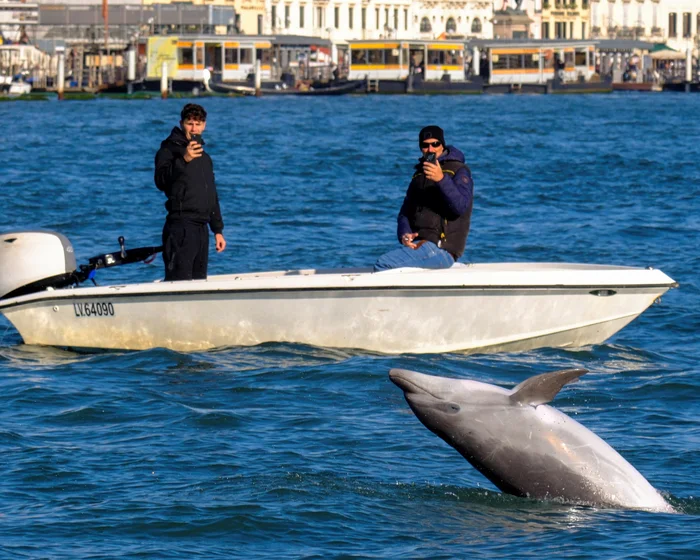
Italian scientists studying Mimmo, a solitary dolphin in the Venice lagoon, say humans need management, not wildlife. Since its first appearance in June 2025, Mimmo has captured public attention with playful leaps and interactions near crowded canals, prompting both delight and concern among residents and tourists alike. The bottlenose dolphin, typically found in pods, has instead chosen the lagoon’s urban waters, inspiring a “save Mimmo” campaign after fears arose about collisions with boat propellers. Researchers from the University of Padova have meticulously tracked the animal, emphasising the urgent need to regulate human behaviour to ensure the dolphin’s safety.
The study, published in Frontiers in Ethology, details weekly observations of Mimmo across the lagoon, documenting its health, movement patterns, and adaptation to this unusual environment. Guido Pietroluongo, senior author and conservation veterinary pathologist at the University of Padova, described the case as “one of the most charismatic animals in one of the most iconic cities,” highlighting the dolphin’s remarkable capacity to navigate a human-dominated habitat. Pietroluongo noted that while Mimmo’s behaviour aligns with natural species patterns, humans frequently pose the most serious threat through improper boat handling and uncontrolled interactions.

Bottlenose dolphins are commonly found in Italian waters, yet solitary urban sightings like Mimmo’s remain unusual. Scientists have observed other Adriatic dolphins leaving their pods to explore coastal or urban waterways, showing high adaptability and curiosity. Mimmo was first seen by water-taxi driver Manuel Tiffi, who recalled the dolphin swimming directly in front of his bow on 23 June 2025. He reported that water-taxi drivers began sharing sightings to alert one another, but noted the dolphin displayed no fear, often approaching vessels with ease and grace.
Since that first sighting, the University of Padova research team, supported by local authorities and citizens, has monitored Mimmo’s weekly movements. The dolphin travels from the southern to northern reaches of the lagoon, consistently observed feeding on mullets and demonstrating healthy activity levels. Pietroluongo emphasised that the dolphin’s presence in such an urban environment is not inherently surprising, as bottlenose dolphins are highly opportunistic and capable of adapting to changing ecosystems, including human-dominated waterways. Historical records indicate that dolphins have frequented the Venetian lagoon for centuries, suggesting that Mimmo’s behaviour is part of a long tradition of marine coexistence with humans.
Despite Mimmo’s adaptability, the scientists stress that human actions continue to create risks. Inappropriate boat speeds, close encounters, and public attempts to interact with or feed the dolphin can endanger its well-being. Researchers recommend enforceable speed restrictions and clear guidance for vessels to maintain safe distances, ensuring both human and dolphin safety. Giovanni Bearzi, an expert who has studied Adriatic dolphins for forty years, remarked that “the persistent difficulty humans have in respecting such animals today is truly unusual,” underlining the ongoing challenge of achieving harmonious coexistence in urban marine settings.
Public fascination with Mimmo has spurred a broader debate about wildlife management in urban waterways. While tourists and residents celebrate the dolphin’s acrobatics and curiosity, scientists caution against the romanticisation of human-wildlife interactions without consideration of practical safety measures. Media coverage has amplified the story, with social media campaigns and viral videos capturing moments of Mimmo breaching near gondolas or water taxis. These images, while endearing, also highlight the potential for accidents, emphasising the need for controlled and informed engagement with marine animals.
The research team documented Mimmo’s weekly movements and feeding patterns, noting the dolphin’s consistent use of specific lagoon areas for foraging. These observations help clarify how urban-adapted dolphins navigate complex waterways while avoiding threats. The study additionally notes that bottlenose dolphins in urban environments tend to exhibit behaviours similar to their wild counterparts, demonstrating social learning, environmental awareness, and opportunistic feeding strategies. Mimmo’s interactions with boats, both curious and cautious, exemplify this adaptability while simultaneously serving as a reminder of human responsibility in shared habitats.
Environmental activists have used Mimmo’s presence to advocate for stricter regulation of the Venice lagoon’s waterways. Campaigners highlight the need for speed limits, protective zones, and public education on responsible wildlife observation. Scientists concur that without intervention, human actions could jeopardise the health and safety of dolphins and other marine species inhabiting these canals. The study underlines that the greatest risk does not stem from the dolphin itself, but from inadequate management of human behaviour, which remains the central challenge in fostering sustainable urban-wildlife coexistence.
Mimmo’s story also sheds light on broader ecological concerns. Urban dolphins face pressures from pollution, boat traffic, and habitat fragmentation, requiring comprehensive strategies to maintain safe corridors and feeding grounds. Scientists encourage policies that integrate conservation with urban planning, balancing the needs of local communities, tourists, and wildlife. By implementing practical measures, authorities can mitigate risks while allowing residents and visitors to enjoy the rare opportunity of witnessing a wild dolphin thriving in Venice’s canals.

The University of Padova team stresses that Mimmo’s presence is an opportunity for education and awareness rather than alarm. Through structured observation programs and public engagement, citizens can learn about marine behaviour, species needs, and responsible interaction. The research highlights that bottlenose dolphins’ intelligence and curiosity make them highly visible indicators of ecosystem health, underscoring the importance of informed stewardship. By observing, documenting, and protecting Mimmo, scientists hope to model coexistence practices applicable to urban waterways around the world.
In conclusion, Mimmo serves as a living example of the complex relationship between humans and wildlife in urban environments. Italian scientists urge that management efforts focus not on controlling the dolphin, but on regulating human behaviour and waterway activity. By balancing public interest with rigorous conservation measures, Venice can ensure that dolphins like Mimmo continue to navigate its canals safely, while simultaneously educating the public about the importance of coexistence and responsible behaviour in shared ecosystems.
The story of Mimmo is a reminder that urban wildlife is adaptable, yet vulnerable to human influence, requiring proactive management and public cooperation. Venice’s experience demonstrates that charismatic animals can inspire affection and admiration, but also necessitate careful regulation to prevent harm. As bottlenose dolphins continue to explore human-dominated waters, the responsibility rests with humans to create safe, respectful environments that allow such species to thrive.
Related News:
 ‘Extinct’ Antelope Returns to Sahara, Bringing Hope
 Norfolk Coastal Graves at Risk as Erosion Deepens Family Anguish
 Eden Project Founder Celebrates 25 Years of Nature’s Hope
 Winter plant bloom signals climate breakdown in UK
 UK Homes May Skip Batteries in New Green Rules
 Avocado Crisis: The Hidden Violence Behind Exports
 Smaller farms funding prioritised in England nature plans
 Dog Food Emissions: 1% of UK Greenhouse Gas Revealed
 Dutch Nationwide Fireworks Ban Expected to Transform New Year Traditions
 Storm Goretti leaves Cornwall homes without power
 Wildlife Targets at Risk in England and Northern Ireland
 Dubai Chocolate Craze Inspires South Korea’s Latest Dessert Obsession
 Traces of Glyphosate Found in UK Playground Tests
 BP’s Influence Sparks Controversy in UK STEM Education
 Polycrisis Anxiety Leaves Many Feeling Trapped in the Present
 Japan Prepares for Kashiwazaki Restart After Fukushima Legacy
 Kent Residents Continue Facing Water Supply Disruptions
 Water firms may avoid fines under UK water reform plan
 Antarctic Penguins Shift Breeding Season Amid Climate Change
 No Gas Boiler Ban as UK Warm Homes Plan Backs Heat Pumps
 Judi Dench Champions Fight to Save London’s Green Spaces
 Half the World’s Largest Cities Face Rising Water Stress
 The Sound of Mayhem’: Terror and Loss at Mount Maunganui
 Record-Breaking Heat Looms Over South-East Australia as Catastrophic Fire Risk Escalates
 Reindeer Deaths Rise as Finnish Herders Blame Border Wolves
 UK joins North Sea wind grid pact with nine European nations
 Devon hosts first high-density hydro power system
 US-Style Pickup Trucks Surge on UK Roads
 Storm Chandra floods Somerset, triggers major incident declaration
 How Sandhill Ashes Rebuilt a Bushfire-Hit Rural Community
 Storm Chandra flooding leaves England on high alert
 Reform UK Taps Boris Ally to Shape Party Nature Agenda
 James Valentine Retires from ABC After Cancer Battle
 UK Pfas Action Plan Faces Criticism From Environmentalists
 Wigan Dump Crisis Sparks Health and Safety Alarm
 Norway’s Petrol Car Sales Hit Record Low Amid EV Surge
 Fish disco plan could save 90% of fish at Hinkley C
 Santos Wins Landmark Greenwashing Case in Court
 Gentoo Penguins First Birds on Australian Territory Hit by Bird Flu
 AI Climate Claims Face Greenwashing Backlash
 Flood risk homes surge across England builds
 Chikungunya Spread in Europe Climbs as Climate Warms
 Deer Shooting England: New Plan to Protect Woods
 Illegal Waste Dumping: New Drone Unit Launched
 Scotland’s Emissions Plans Face Criticism for Over-Reliance on Technology
 Germany Faces Backlash Over Scrapped Renewable Heating Mandate
 Group Expands Legal Claim Over South West Water Pollution
 Scotland’s Climate Plans Face Scrutiny Over ‘Science Fiction’ Targets
 Reeves Faces Setback as Labour May Miss Homes Target
 Kate Winslet to Narrate Film Highlighting King’s Environmental Mission
 Trump’s UK Ambassador Urges North Sea Drilling to Strengthen US Ties
 UK Bans Fake Numbers: Scammers Lose Their Trick
 Vibe coding’ named Collins dictionary’s word of the year
BBC to Apologise Over Edited Trump Speech Amid Backlash
Vibe coding’ named Collins dictionary’s word of the year
BBC to Apologise Over Edited Trump Speech Amid Backlash
 Millionaires group urge Reeves to introduce wealth tax to ‘lift kids out of poverty’
 Reeves rejects £1bn plea for NHS redundancy payouts
 PM Condemns Leaks, Vows Loyalty to Ministers and Stability
 Phillipson Accused of Appeasing Unions by Diluting EBacc
 Saka Solidifies Role as Tuchel’s Key England Lieutenant
 Greene Pushes Epstein Files Amid Trump Fallout
 Zelenskyy Signs Fighter Jet Deal Amid Russian Drone Attacks
 Sundar Pichai Cautions on AI Hype and Market Risks
 Shadow Fleet at Sea: Europe’s Battle Against Illicit Oil Shipping
 Snow and Ice Cause Travel Chaos in North Yorkshire
 Director Michael Caton-Jones Reflects on Career and Beginnings
 Inside the Helpline Protecting Missing Children in the UK
 PlayStation PS5 Deals Hit Lowest Prices Ahead of Black Friday
 US Suspends Afghan Immigration After White House Shooting
 Five-Year-Old Dies After Rare Tonsil Surgery Complication
 Starmer Says Labour’s Economic Plan Needs Years to Deliver
 IndiGo Cancels Hundreds of Flights Amid Pilot Shortages
 Conservatives Pledge to Scrap 2030 Petrol and Diesel Car Ban
 Young Britons Face Heaviest Burden from Ageing Population, Lords Warn
 U‑Turn on Farmers’ Inheritance Tax Sparks Political Firestorm
 Khaleda Zia Death in Bangladesh: First Female PM Dies at 80
 Children to Receive Home Vaccines as England Acts
 GMB Union Faces Turmoil Amid Female Leaders’ Claims
 MoJ Prison Leasing Scandal Triggers £100m Public Cost
 Cambridge College Faces Backlash Over Private School Recruitment
 UK Weather: End of Cold Spell in Sight as Temperatures Rise