Published: 26 February 2026. The English Chronicle Desk. The English Chronicle Online.
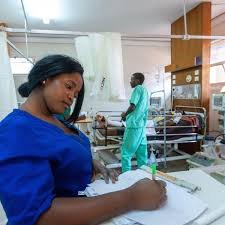
The United States has faced accusations of shameless exploitation in a controversial health financing deal with Zambia. Leaked documents of a five-year memorandum of understanding indicate that Zambia could face worse terms than other African nations in previous US agreements. The deal reportedly obliges Lusaka to provide extensive access to national health data for a decade, far exceeding the terms offered elsewhere. Critics warn that the arrangement may also tie Zambia’s health funding to concessions benefiting American business interests, particularly in the mining sector.
Health advocates have described the terms as unprecedentedly harsh, arguing that life-saving services are being conditional on external economic gains. Asia Russell, director of the HIV-focused organisation Health Gap, condemned the arrangement as immoral and dangerous, noting that the health programmes of ordinary citizens are treated like bargaining chips. Following the dismantling of large parts of USAID, the Trump administration has shifted to bilateral health agreements, which directly channel funds to national governments while demanding increased domestic contributions and strict performance targets.

Zambia’s proposed deal includes over $1bn in funding, contingent on hiring 40,000 new health workers and investing an additional $400m in health services over five years. The country’s national health budget for 2026 is around $1.3bn, leaving little room for error. Observers note that any shortfall could trigger termination of the agreement and withdrawal of critical funding. Julius Kachidza, chair of Zambia’s Civil Society Self-coordinating Mechanism, acknowledged the potential benefits of improved health services but stressed that failure to meet conditions could destabilise the entire system.
Civil society groups have called for urgent amendments to the draft MOU, particularly the clauses requiring data-sharing with the United States. Josiah Kalala, director of the Chapter One Foundation, highlighted that Zambia could effectively cede citizen health data for decades. The agreement reportedly extends to new or emerging pathogens over the next 25 years, a period far longer than any comparable arrangement with other African nations. Kenya, for example, limits health data sharing to seven years and still faces legal scrutiny. Kachidza suggested that legal challenges might become necessary if the government proceeds without safeguarding national interests.
The leaked draft also links health financing to collaboration in Zambia’s mining sector and other economic reforms favouring US commercial interests. Monthly briefings between the Zambian government and the US embassy would review trade and investment initiatives, intensifying concerns that health aid is being leveraged for economic access. Observers likened the situation to hostage-like pressure, where critical healthcare improvements are tied to conditions that could compromise national sovereignty.
The US State Department declined to comment on specific provisions but maintained that foreign assistance must advance American interests and ensure taxpayer funds are efficiently used. Meanwhile, Zambia’s health minister, Elijah Muchima, denied that mining concessions were conditions for aid, stating publicly that funding requirements were tied solely to domestic health improvements. Days later, he was dismissed by President Hakainde Hichilema, adding to speculation that political tensions are linked to the contentious agreement.
Economists caution that while Zambia might technically meet the MOU’s funding obligations, the country’s financial capacity remains constrained. More than a third of the 2026 budget is allocated to debt repayments, leaving limited flexibility for increased health spending. Despite reduced aid compared with prior commitments, including $367m for HIV services last year, Zambia must still meet ambitious performance targets. The draft MOU allocates $320m for 2026, covering disease surveillance, malaria, tuberculosis, and HIV programmes, with total five-year funding amounting to just over $1bn, lower than previous pledges.
Civil society groups remain deeply concerned that the agreement sets Zambia up to fail, both financially and administratively. Kalala suggested that political pressures, such as avoiding sudden losses in health funding, may push the government toward signing the deal despite inherent risks. Advocates have continued pressing the Ministry of Health for transparency, gaining limited access to discussions but facing resistance over legal considerations and data-sharing provisions. Officials reportedly refrained from clarifying whether economic concessions were tied to health financing.

Activists are requesting explicit removal of data-sharing clauses and a formal role in monitoring committees, alongside greater transparency in the implementation of the agreement. Kalala has also filed access-to-information requests to review the latest version of the MOU and related agreements, seeking potential constitutional review. By securing these documents, advocates hope to challenge provisions that compromise citizen rights while ensuring that health improvements are prioritised above economic leverage.
Experts note that the controversy reflects wider trends in global health diplomacy, where aid is increasingly tied to strategic national interests rather than purely humanitarian objectives. Critics argue that treating health programmes as bargaining tools risks undermining public trust, reducing programme effectiveness, and leaving populations vulnerable. Zambia’s civil society and health activists have emphasised that long-term improvements must prioritise citizens’ needs, ensure data privacy, and safeguard independence from foreign economic agendas.
The US approach contrasts sharply with earlier models where aid was administered through independent organisations, rather than direct government-to-government funding. This shift has generated skepticism about oversight and the potential for misuse or political coercion. Advocates fear that if such bilateral agreements proliferate without strong protections, health systems across Africa could become dependent on conditional arrangements that prioritise foreign economic gains over population well-being.
As discussions continue, Zambia faces a critical decision on balancing urgently needed funding against maintaining sovereignty and protecting sensitive health data. While some economists argue that strategic resource mobilisation could enable the country to meet obligations, civil society stresses that failure to address exploitative clauses could jeopardise public health. Legal avenues, transparency measures, and close monitoring will likely play decisive roles in shaping the final outcome, ensuring that aid does not compromise Zambia’s health security or citizens’ rights.
Related News:
 UK, US Medics Barred from Gaza Amid Rising Aid Concerns
 Hospice Cuts Raise Alarm Across England Amid Funding Crisis
 Celebrities and Charities Demand UK Government Act on Child Poverty
 Experts Warn on Home Birth Risks, Call for Skilled Midwives
 Patients to Test Health at Home to Ease NHS Winter Pressure
 London’s Childlessness Crisis: Schools Closing as Families Shrink
 Seven Conditions That Automatically Qualify You for a Free Bus Pass
 Shouting Works Best to Deter Gulls, UK Study Finds
 Reeves rejects £1bn plea for NHS redundancy payouts
 Working-Class Men with Prostate Cancer Left Behind by NHS
 Senator John Fetterman Hospitalized After Fall from Heart Flare-Up, Keeps Sense of Humor
 New AI tool could cut wasted efforts in organ transplants
 From Baby Teeth to Bioengineering: The Future of Self-Healing Teeth
 Stroke Patient Mistaken for Drunk, Care Delayed
 ‘Traumatic Wait’: Northern Ireland Women Face Breast Cancer Delays
 Healthy Habits in Your 30s That Boost Life in Your 70s
 Woman Meets Boy Whose Life She Saved with Kidney
 Scottish Families Take Legal Action Over School CO Leak
 Coffins Now Too Large to Cremate Amid Rising Obesity Crisis
 Vicki Fears Losing Motability Car
 Delhi’s Toxic Air Crisis Leaves Children Sick and Vulnerable
 Five-Year-Old Dies After Rare Tonsil Surgery Complication
 Fibromyalgia Patients Struggle as NHS Fails to Provide Care
 More Patients Now Contacting GPs Online, Data Shows
 Kenya Signs $2.5bn Health Deal with US Amid Data Concerns
 Damien Martyn in Induced Coma After Meningitis Diagnosis
 Minor A&E Visits Surge Across England as Hospitals Face Pressure
 Children to Receive Home Vaccines as England Acts
 Childhood Hypertension Sparks Urgent UK Testing Calls
 Capitol Attack Anniversary Sparks Deep Political Divide
 Saudi Officials Report Zubaidi Flee Before Yemen Peace Talks
 UK Targets in New York Bomb Threat Hoax: Man Jailed
 Offenders to Receive Health Support During Probation Appointments
 Gambia Supreme Court Hears Case to Overturn FGM Ban
 NHS Violence Crisis: Staff Face Daily Assaults
 Celebrity Campaign Highlights SMA Screening Failures
 Google Removes Some AI Health Summaries Over Safety Concerns
 Trump targets Iran trade with 25% tariff warning
 Rudd successor: Defence chief and former ministers considered
 US Senate rejects resolution limiting Trump military powers
 Venezuela regime claims release of political prisoners signals new era
 Gulf states warn Trump Iran strikes risk wider Middle East war
 Machado Trump medal gesture reshapes Venezuela power struggle
 Greenland defence seen as shared Nato duty amid troop arrivals
 Geopolitical football: Iran, Trump and the World Cup clash
 Canada-China trade gains momentum in new strategic partnership
 Trump Receives Machado’s Nobel Medal in White House Meeting
 Syria President Declares Victory as Ceasefire Reached with SDF
 US Considers Asylum for British Jews Amid Rising Antisemitism
 Trump slams UK ‘stupidity’ over Chagos Islands, eyes Greenland takeover
 UK Glaucoma Rise Signals Looming Eye Health Crisis by 2060
 Trump Tightens Grip on EU and UK Energy Supply
 Shinzo Abe’s killer receives life sentence in Japan
 UK ADHD medication use triples over 13 years, landmark study finds
 Reform UK Health Plan ‘Would Cost £1.7bn’, Streeting Says
 NHS boosts bowel screening accuracy with FIT reform
 China General Under Investigation Amid Leadership Purge
 Philippines ferry disaster leaves 15 dead, dozens missing
 Nottingham survivor warns of repeat attacks without mental health reform
 AI breast screening cuts later cancer diagnoses by 12%, study finds
 Cambridge Faces Scrutiny Over Arms Investment Transparency
 Study Finds One in Seven England Takeaways Are Dark Kitchens
 Deadly Cancer Postcode Lottery Limits NHS Care
 James Valentine Retires from ABC After Cancer Battle
 Pneumonia Surge Pushes England Emergency Cases Higher
 Most Statin Side-Effects Are Not Caused by Drugs, Study Confirms
 Epstein UAE Emails Shake British Royal Andrew’s Legacy
 Headline: Measles Alert: Dr Oz Urges Americans to Vaccinate
 Christchurch gunman seeks to vacate guilty plea
 Liberal Fallout: Taylor Challenge Casts Shadow Over Sussan Ley’s Leadership
 Infantino Faces Russia Threat and Trump Concerns at Uefa Congress
 Concerns rise for Canberra boy amid Iran detention fears
 UK MPs Demand Ban on Brazilian Butt Lifts
 NHS Negligence Ruling Raises Payout Costs
 Trans Youth Care Crisis: NY Hospital Ends Gender‑Affirming Treatment
 Drugs, Denial, Stigma: Fiji’s HIV Crisis Hits Children
 Half of Britons Avoid GP When Ill, Survey Reveals Growing Concern
 Caribbean Leaders Urge Dialogue Amid US Oil Embargo on Cuba
 Anthony Albanese Must Uphold Rights for All Australians
 Ayahuasca Psychedelic DMT Shows Potential as Depression Therapy