Published: 26 February 2026. The English Chronicle Desk. The English Chronicle Online.
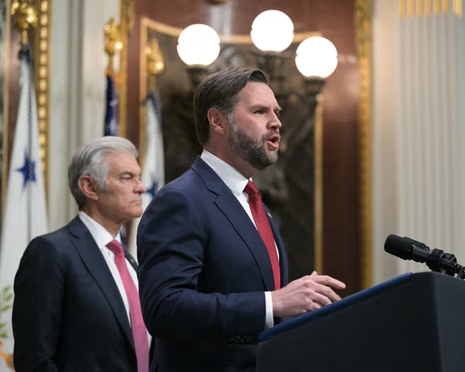
Minnesota Medicaid funds have been temporarily halted by the Trump administration in a move that has sent shockwaves through American healthcare policy. The announcement was made by US vice-president JD Vance during a press conference in Washington on Wednesday. He described the decision as part of President Donald Trump’s newly declared “war on fraud”. The move targets more than 250 million dollars in federal reimbursements destined for Minnesota.
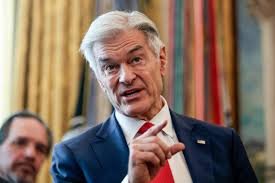
Standing alongside Vance was Mehmet Oz, now administrator of the Centers for Medicare & Medicaid Services. Oz confirmed that Minnesota Medicaid funds were the first to be halted under this new enforcement strategy. He suggested other states could soon face similar measures. The tone of the announcement was firm, signalling a broader confrontation between Washington and Democratic-led states.
Vance said the temporary suspension was necessary to ensure Minnesota was a responsible steward of federal money. He argued that fraud linked to state social service programmes had reached alarming levels. According to federal prosecutors, billions of dollars were allegedly siphoned from public funds over several years. The controversy has been particularly sensitive in Minneapolis, where investigations focused on networks within the Somali-American community.

The federal action follows months of political tension and public unrest. Earlier investigations into welfare fraud prompted the administration to send thousands of federal immigration agents into Minneapolis. That deployment triggered protests and, in tragic circumstances, led to the deaths of two US citizens. The events deepened divisions in a state already grappling with political polarisation.
Minnesota Medicaid funds support healthcare access for nearly 1.3 million residents. That figure represents roughly one in four people living in the state. The programme covers low-income adults, children, pregnant women, elderly residents and people with disabilities. Any interruption in payments risks immediate consequences for hospitals, clinics and vulnerable patients.
In response, Minnesota governor Tim Walz strongly criticised the decision. Writing on social media, Walz argued that the measure had little to do with genuine fraud prevention. He accused the administration of undermining law enforcement capacity while fuelling political hostility. Walz also claimed federal actions were harming communities rather than protecting taxpayers.
The vice-president rejected those accusations. He maintained that Minnesota Medicaid funds would resume once state authorities demonstrated stronger compliance and oversight. Vance framed the decision as protective rather than punitive. He insisted that ordinary Minnesotans deserved transparent management of public benefits.
Oz described the action as unprecedented. He said it was the first time federal Medicaid reimbursements had been halted at a state level over fraud concerns. He also announced a six-month national moratorium on new federal funding approvals for durable medical equipment. That freeze affects items such as prosthetics and orthotic devices. Officials cited concerns that fraudulent claims had inflated spending in that sector.
Healthcare experts have warned that sudden funding pauses could disrupt care continuity. Medicaid is the largest source of health coverage for low-income Americans nationwide. More than 70 million people depend on it across the United States. Minnesota’s system includes MinnesotaCare, a complementary programme for residents who earn slightly above traditional eligibility thresholds.
Political observers note that the dispute carries implications beyond healthcare management. Vance is widely considered a potential presidential candidate in the next election cycle. His prominent role in the “war on fraud” positions him at the centre of a defining administration initiative. Critics argue the strategy blends fiscal oversight with political messaging aimed at blue states.
During the recent State of the Union address, President Trump singled out Minnesota as an example of alleged systemic abuse. He described fraud in the state as staggering. The speech included controversial remarks about Somali Americans, prompting a sharp response from Ilhan Omar, who represents a Minneapolis district. Omar publicly disputed the president’s claims, calling them inaccurate and inflammatory.
Federal prosecutors estimate that up to nine billion dollars may have been misappropriated through complex schemes over several years. Many of the cases date back to investigations launched during the Biden administration. Several individuals were charged in 2022 following detailed inquiries by Minnesota-based federal prosecutors. Two senior prosecutors later resigned amid disagreements with justice department leadership.
The controversy intensified after the fatal shooting of a Minneapolis woman by an immigration officer. The incident became intertwined with broader debates about immigration enforcement and civil rights. Critics argue that the administration’s focus on Minnesota Medicaid funds reflects wider tensions over demographic change and local governance.
Supporters of the federal decision contend that public confidence in welfare programmes depends on strict oversight. They argue that taxpayers expect accountability when large sums are distributed. From this perspective, halting Minnesota Medicaid funds sends a strong deterrent message to other jurisdictions. Federal officials emphasise that the suspension is described as temporary, not permanent.
However, medical providers in Minnesota have voiced concern about uncertainty. Hospital administrators warn that cash flow interruptions could affect staffing and service delivery. Community health centres serving low-income neighbourhoods may be particularly vulnerable. Patient advocacy groups fear that bureaucratic disputes could leave families anxious about coverage continuity.
The White House has indicated that cooperation from state authorities could expedite restoration of payments. Vance encouraged residents to press local leaders for collaboration. He framed the dispute as a shared responsibility between federal and state governments. His remarks suggested that improved immigration enforcement would also reduce fraudulent claims.
The broader national moratorium on durable medical equipment funding has raised additional questions. Disability rights organisations say that delays in approval processes could affect individuals awaiting essential devices. Oz responded that legitimate applicants would continue receiving support under existing authorisations. He stressed that the review period aims to safeguard programme integrity.

Analysts observe that healthcare policy often becomes a proxy for larger political battles. Minnesota’s status as a Democratic stronghold makes it a symbolic target within the administration’s strategy. The phrase “war on fraud” carries rhetorical weight, resonating with voters concerned about public spending. Yet critics warn that strong language may inflame tensions rather than resolve systemic issues.
For ordinary Minnesotans, the debate feels immediate and personal. Families reliant on Minnesota Medicaid funds seek reassurance that coverage will remain intact. State officials have pledged to challenge the federal decision through legal and administrative channels. They argue that cooperative reform, not confrontation, offers the most sustainable solution.
As events continue to unfold, the dispute highlights the fragile balance between federal authority and state autonomy. Healthcare financing in the United States relies on complex partnerships. When trust between those partners erodes, patients can become unintended casualties. Whether Minnesota Medicaid funds resume swiftly may depend on negotiations occurring far from hospital wards and community clinics.
The coming weeks are likely to test both political resolve and administrative flexibility. Vance has signalled determination to extend scrutiny to other states if necessary. Minnesota leaders insist they are committed to combating fraud while protecting residents. The outcome of this standoff may shape national healthcare debates well beyond the Midwest.
Related News:
 Putin Intensifies Territorial Demands Before US Talks
 US National Guard Member Killed in DC Shooting
 Trump to Recheck Green Cards from 19 Nations After DC Attack
 Trump to pause migration from ‘third-world countries’
 Republicans Hold Tennessee Seat Despite Democratic Surge
 Franklin Turtle, Sabrina Carpenter Slam US Social Media Use
 Russia losses Ukraine war peace talks intensify amid rising deaths
 Trump Escalates Minnesota Immigration Surge Amid Rising Tensions
 Homeland security agents deployed amid Minneapolis protests
 Democrats Push Affordability to Challenge Trump Ahead of Votes
 Greenland Faces Pivotal Summit Over Arctic Power Struggle
 Trump Threatens Strong Action If Iran Executes Protesters
 Government Unveils Northern Powerhouse Rail Plans
 Trump press secretary attacks reporter over ICE question
 Kyrsten Sinema Faces High-Profile Lawsuit Over Marriage Interference
 Trump Receives Machado’s Nobel Medal in White House Meeting
 ‘He Believed Help Was Coming’: Why Iran’s Protesters Feel Betrayed
 Trump Fed bid heads to Supreme Court
 EU Says US Ties Have Suffered ‘Big Blow’ After Greenland Crisis
 ‘Unfathomable’: Australian veterans rebuke Trump claims
 Trump officials continue false claims after Alex Pretti shooting
 ‘Evil is resilient’: Pressure Mounts on Stephen Miller
 Fulton election raid hits Georgia election office
 Partial US Government Shutdown Hits Homeland Security Funding
 Thousands Protest ICE Operations in Nationwide US Day of Action
 Epstein Files Reveal Trump Officials’ Emails with Financier
 Thousands Protest ICE in New York Against Trump Deportation Campaign
 Sinema payment row deepens after $9,000 transfer claim
 Trump Praises ‘Terrific’ Petro After White House Talks
 Nurses’ families fear breakup under UK immigration crackdown
 Sanders Condemns Billionaire ‘Greed’ in California Tax Debate
 California Democrats Vow Trump Reckoning
 Trump’s Surgeon General Pick Evades Vaccine Questions
 Army Officers Orders to Cut Ties with Men-Only Clubs
 Trump’s UK Ambassador Urges North Sea Drilling to Strengthen US Ties
 French Taxi Driver Cleared in David Lammy Theft Case After Fare Dispute
BBC to Apologise Over Edited Trump Speech Amid Backlash
French Taxi Driver Cleared in David Lammy Theft Case After Fare Dispute
BBC to Apologise Over Edited Trump Speech Amid Backlash
 Britain deploys RAF specialists to assist Belgium with drone threats
 Millionaires group urge Reeves to introduce wealth tax to ‘lift kids out of poverty’
 Reeves rejects £1bn plea for NHS redundancy payouts
 PM Condemns Leaks, Vows Loyalty to Ministers and Stability
 Major Rent Reform Ends No-Fault Evictions in England
 Senator John Fetterman Hospitalized After Fall from Heart Flare-Up, Keeps Sense of Humor
 Greene Pushes Epstein Files Amid Trump Fallout
 December Run-Off in Chile as Election Produces No Winner
 Canada Passes Carney’s First Budget in Tight Parliamentary Vote
 Shadow Fleet at Sea: Europe’s Battle Against Illicit Oil Shipping
 Georgians Defy Government Crackdown After Year of Protests
 ICC to Rule on Duterte’s Provisional Release
 Starmer Says Labour’s Economic Plan Needs Years to Deliver
 Khaleda Zia Death in Bangladesh: First Female PM Dies at 80
 Minnesota Sues Trump Administration Over ICE Surge
 US Clears Nvidia AI Chip Sales to China in Policy Shift
 US Senate rejects resolution limiting Trump military powers
 EU weighs response amid Greenland tariff crisis with Trump
 UK Ministers Drop Foreign Student Targets for Global Education Push
 No Gas Boiler Ban as UK Warm Homes Plan Backs Heat Pumps
 Shinzo Abe’s killer receives life sentence in Japan
 Sussan Ley leadership milestone shakes Liberal future
 Satire Can Skewer Trump, But It Won’t Save Democracy
 Police response times face strict new national limits
 Labour policing overhaul sparks fears over growing central control
 Starmer warns of toxic division politics in Reform challenge
 Videos reveal earlier clash before Alex Pretti shooting
 Israel Moves to Bar MSF From Gaza Operations
 Palantir contracts face UK halt calls over transparency
 Australia’s Opposition Coalition Reunites After Rift
 Headline: Measles Alert: Dr Oz Urges Americans to Vaccinate
 ‘Trump Will Be Gone in Three Years,’ Top Democrats Tell Europe
 Australian Families Leave Syrian Camp for Home
 US Civil Rights Leader Jesse Jackson Dies Aged 84
 Farage to Name Jenrick as Reform Chancellor Pick
 Civil Service Pay: Union Urges Ministers to End ‘Barking Mad’ Limits
 Antonia Romeo appointment sparks criticism
 Andrew Arrest Sparks Republic Debate in Australia
 Farage Chagos Islands Row Sparks Fury
 Reform UK targets workers’ rights repeal
 Russian Trade Routed Through British Islands Exposed
 Mandelson Arrest: Met Apologises to Hoyle
 Germany Faces Backlash Over Scrapped Renewable Heating Mandate