Published: 26 February 2026. The English Chronicle Desk. The English Chronicle Online.
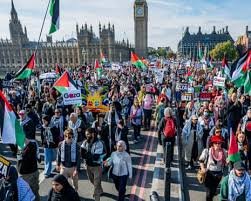
The landscape of British civil liberties is currently facing a significant and deeply troubling transformation according to recent reports. Palestinian solidarity is being silenced and criminalised across the United Kingdom through a systematic pattern of institutional pressure and legal sanctions. An advocacy group has documented over nine hundred distinct examples of repression targeting individuals and groups throughout the last six years. This comprehensive data highlights a worrying trend where personal conscience often leads to severe professional and social consequences. The European Legal Support Center collaborated with research group Forensic Architecture to build a detailed index of these incidents. Their findings suggest that the cost of speaking out has become intolerably high for many ordinary citizens today.
The index reveals that people are frequently targeted with smears and disinformation campaigns designed to ruin their reputations. Many individuals have faced harassment or doxing where their private information is published online to invite public abuse. Others have dealt with visa cancellations and financial blacklisting which effectively removes their ability to function within society. Loss of employment and sudden arrests are also common methods used to discourage any public Palestinian solidarity in Britain. These consequences are often justified by authorities through various allegations of antisemitism or supporting illegal groups. The main actors of repression include the police and educational institutions which should ideally protect free speech. Pro-Israel advocacy groups and certain media actors also play a significant role in this ongoing cycle.

During a recent press conference Bob Trafford explained the findings with a sense of urgency and gravity. He noted that the data reveals the operation of a complex system rather than a single directed force. This system is organic and self-reinforcing which means it grows stronger through its own internal momentum and actions. It seeks to raise the personal cost to any individual who acts in light of their conscience. By doing so it reduces the capacity of civil society to call out international crimes effectively. The report suggests that this environment prevents people from demanding robust action from their own government representatives. Such a climate of fear can have a chilling effect on all forms of political expression.
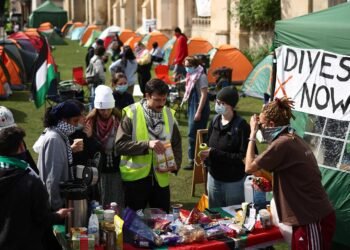
Students and academics appear most frequently on the index as the primary targets of these repressive measures. Teachers and university staff often find themselves in precarious positions when they share their political views publicly. Activists and organisers are also heavily targeted by various institutions seeking to maintain a specific political status quo. Artists and cultural workers frequently experience the cancellation of their events or the withdrawal of vital funding. These incidents show that no sector of public life is immune to the pressures of this system. The data suggests that the educational sector has become a primary battleground for these ideological and legal conflicts. This reality raises serious questions about the future of academic freedom and open debate in schools.
Sajja Iqbal shared her personal story to illustrate the human cost of this widespread and systemic repression. She was a dedicated teacher who felt a moral duty to take part in a local protest. Along with others she visited a supermarket to remove specific goods from the shelves as a protest. They placed these items in a trolley and covered it with a flag to make a point. The group also handed a letter to the store manager explaining their reasons for the boycott. Despite her peaceful intentions she soon found her name and school mentioned across the national press. This public exposure led to her losing her job and suffering significant physical and mental health issues.
She explained that she had not committed any criminal offence but was simply exercising her democratic rights. The experience was clearly designed to silence her and other workers who choose to speak out loud. This specific case shows how quickly a person’s life can be turned upside down by institutional reactions. Iqbal is now planning to take legal action with the help of the European Legal Support Center. Her situation is just one example among hundreds of people who feel they are being unfairly punished. It highlights the gap between the right to protest and the actual consequences faced by citizens. The emotional toll on individuals like her is often overlooked in broader political discussions and debates.
The advocacy group clarifies that they do not individually assess every single case within the vast index. Instead they document the scale of the allegations to show how they are being used against people. Tara Mariwany explained that their role is not to decide the legal validity of every specific accusation. They simply want to show that even small actions like wearing a sticker can lead to trouble. The scale of the documented incidents should give the public cause to question the nature of the smears. It is about revealing how easily labels are applied to individuals who are merely expressing their solidarity. This approach focuses on the pattern of behavior rather than the merits of each individual legal case.

The report highlights that the repression is often multipolar and involves many different sectors of British society. When the police and the media work in tandem it creates a powerful force against dissenters. This can lead to a situation where the public feels it is too dangerous to participate. The goal of documenting these events is to provide a clear picture of the current political environment. By understanding the system civil society can begin to find ways to protect those who are targeted. It is a call for greater accountability from institutions that are supposed to uphold democratic values. Without this transparency the trend of criminalising solidarity is likely to continue and perhaps even expand.
The English Chronicle continues to monitor these developments as they affect communities across the entire United Kingdom. Fairness and responsibility are essential when reporting on such sensitive issues involving human rights and legal protections. It is clear that the debate over Palestinian solidarity is not just about foreign policy anymore. It has become a central issue for the future of British civil liberties and the right to protest. As more cases come to light the pressure on the government to address these concerns will grow. For now many individuals remain in a state of uncertainty regarding their personal and professional futures. The index serves as a stark reminder of the challenges facing those who stand by their principles.
Related News:
 Iran Leader Blames Protesters, Says They Serve Trump
 Calls Grow for King Charles to Apologise for Crown’s Role in Slavery
 Files Link Andrew to Epstein Dinner After Prison Release
 Labour Attacks Reform Candidate Over Tommy Robinson Backing
 Thousands Protest ICE in New York Against Trump Deportation Campaign
 Brazilian Politician Brothers Sentenced for Marielle Murder
 Green Party Surges Past Labour in Latest UK Poll
 Army Officers Orders to Cut Ties with Men-Only Clubs
 Trump’s UK Ambassador Urges North Sea Drilling to Strengthen US Ties
 French Taxi Driver Cleared in David Lammy Theft Case After Fare Dispute
 Labour immigration crackdown could cost UK £4.4bn
BBC to Apologise Over Edited Trump Speech Amid Backlash
Labour immigration crackdown could cost UK £4.4bn
BBC to Apologise Over Edited Trump Speech Amid Backlash
 Britain deploys RAF specialists to assist Belgium with drone threats
 Millionaires group urge Reeves to introduce wealth tax to ‘lift kids out of poverty’
 Starmer Faces Growing Dissent as Labour MPs Weigh Leadership Challenge
 Reeves rejects £1bn plea for NHS redundancy payouts
 PM Condemns Leaks, Vows Loyalty to Ministers and Stability
 Major Rent Reform Ends No-Fault Evictions in England
 Peers Flood Assisted Dying Bill with 942 Amendments
 Senator John Fetterman Hospitalized After Fall from Heart Flare-Up, Keeps Sense of Humor
 Greene Pushes Epstein Files Amid Trump Fallout
 Trump Deploys DHS to Charlotte in Major Arrest Operation
 December Run-Off in Chile as Election Produces No Winner
 Canada Passes Carney’s First Budget in Tight Parliamentary Vote
 Shadow Fleet at Sea: Europe’s Battle Against Illicit Oil Shipping
 Pentagon Officials in Ukraine to Discuss War End
 Venezuela Threatens Nobel Winner Machado with Fugitive Status
 Most Tories Expect to Support a Farage-Led Government
 Georgians Defy Government Crackdown After Year of Protests
 US National Guard Member Killed in DC Shooting
 ICC to Rule on Duterte’s Provisional Release
 Starmer Says Labour’s Economic Plan Needs Years to Deliver
 Khaleda Zia Death in Bangladesh: First Female PM Dies at 80
 Russia losses Ukraine war peace talks intensify amid rising deaths
 Albanese Opens Door to Bondi Royal Commission Amid Rising Pressure
 Trump Escalates Minnesota Immigration Surge Amid Rising Tensions
 Gambia Supreme Court Hears Case to Overturn FGM Ban
 Iran Protesters Defy Crackdown as Violent Clashes Intensify
 Homeland security agents deployed amid Minneapolis protests
 Trump Threatens Strong Action If Iran Executes Protesters
 US Senate rejects resolution limiting Trump military powers
 Machado Trump medal gesture reshapes Venezuela power struggle
 Right Must Unite After Jenrick Defection, Urges Rees-Mogg
 EU weighs response amid Greenland tariff crisis with Trump
 UK Ministers Drop Foreign Student Targets for Global Education Push
 MPs warn AI financial risks threaten UK stability
 No Gas Boiler Ban as UK Warm Homes Plan Backs Heat Pumps
 Shinzo Abe’s killer receives life sentence in Japan
 Sussan Ley leadership milestone shakes Liberal future
 EU Says US Ties Have Suffered ‘Big Blow’ After Greenland Crisis
 Andrew Hastie Emerges as Leadership Rival to Ley
 Satire Can Skewer Trump, But It Won’t Save Democracy
 Police response times face strict new national limits
 Labour policing overhaul sparks fears over growing central control
 Starmer warns of toxic division politics in Reform challenge
 Keir Starmer Signals UK China Reset With Xi Visit Possibility
 Cambridge Faces Scrutiny Over Arms Investment Transparency
 Israel Moves to Bar MSF From Gaza Operations
 Palantir contracts face UK halt calls over transparency
 Australia’s Opposition Coalition Reunites After Rift
 Nurses’ families fear breakup under UK immigration crackdown
 Cabinet Secretary Shake-Up Triggers Due Diligence Warning
 Concerns rise for Canberra boy amid Iran detention fears
 Australian Families Leave Syrian Camp for Home
 Trump Attacks UK-California Energy Pact
 How Dark Web Agent Spotted Bedroom Wall Clue to Rescue Girl from Years of Harm
 Farage to Name Jenrick as Reform Chancellor Pick
 Civil Service Pay: Union Urges Ministers to End ‘Barking Mad’ Limits
 Antonia Romeo appointment sparks criticism
 Trump and Chagos Deal Rift Over Iran Strikes
 Andrew Arrest Sparks Republic Debate in Australia
 Global corruption crisis: Who Washington shields
 Farage Chagos Islands Row Sparks Fury
 Reform UK targets workers’ rights repeal
 Russian Trade Routed Through British Islands Exposed
 Boss Lincoln: The Partisan Politics of Abraham Lincoln
 Mandelson Arrest: Met Apologises to Hoyle
 Palestine Action ban appeal moves forward
 Germany Faces Backlash Over Scrapped Renewable Heating Mandate
 Trump Speech Sparks Intense Debate Across Divided America