Published: 02 March 2026. The English Chronicle Desk. The English Chronicle Online.
The government has begun detailed Middle East evacuation planning as regional tensions intensify. Officials fear a widening conflict could leave thousands stranded across the Gulf. Around 200,000 British nationals are currently in the region, according to the prime minister. Many are tourists or business travellers who now face uncertainty and disruption. The Middle East evacuation preparations aim to respond swiftly if violence escalates further.
Keir Starmer confirmed on Sunday that officials are closely monitoring developments. He urged British nationals in affected areas to register with the Foreign Office immediately. About 94,000 people have already provided their details through the official system. Registration allows consular teams to send alerts and coordinate possible assistance. Officials say accurate data will be crucial for any Middle East evacuation effort.
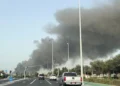
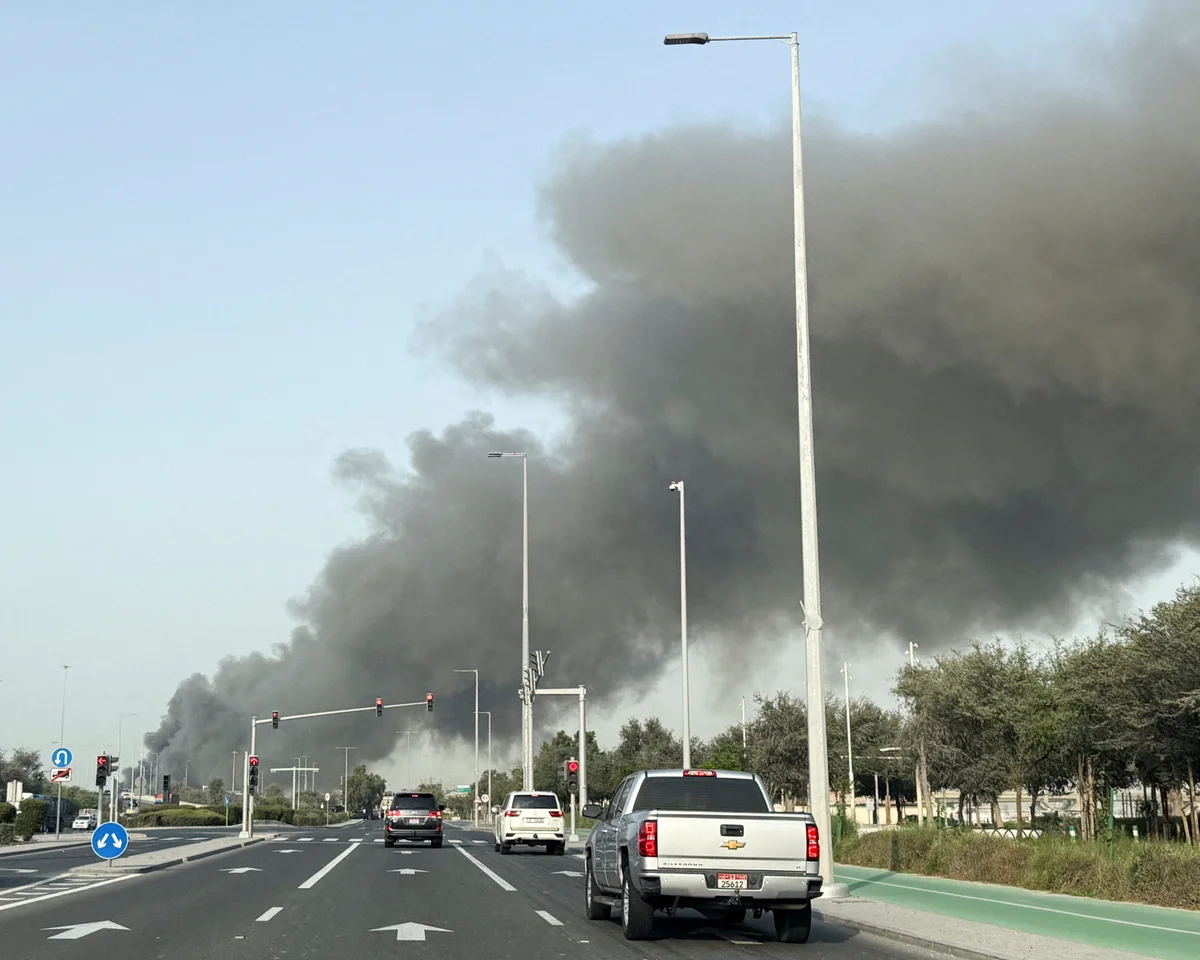
More than 50,000 Britons are believed to be in the United Arab Emirates. Most are thought to be visitors rather than long-term residents. Dubai remains a major destination for tourism and international business travel. However, its airspace is currently closed following Iranian missile strikes across the region. That closure has left many travellers without a clear route home.

The government’s immediate advice is to follow instructions issued by local authorities. In several locations, that guidance includes sheltering in place until conditions stabilise. Officials stress that safety on the ground is the first priority. Yet Whitehall sources admit the situation remains highly fluid. Contingency planning for a broader Middle East evacuation is therefore underway.
One possible option under review involves overland routes to neighbouring states. Countries such as Saudi Arabia still have open airspace at present. Evacuees could potentially travel by road before boarding chartered flights home. Such operations would require close coordination with regional governments. They would also depend on security conditions along major highways.
The Foreign Office is working alongside the Ministry of Defence to assess capabilities. Military planners are examining transport aircraft availability and logistical support. Officials describe the developing response as an unprecedented consular operation. Teams are mapping British nationals across multiple countries to identify priority cases.
Current travel advice reflects the seriousness of the unfolding crisis. The government advises against all travel to Iran, Israel and Palestine. It also warns against all but essential travel to the UAE, Qatar, Kuwait and Bahrain. Additional guidance urges caution in parts of Pakistan amid rising regional instability.
British nationals in Saudi Arabia have been told to remain at home. Those in Jordan, Oman, Syria, Lebanon, Yemen and Iraq should take extra precautions. Officials say the threat environment can change rapidly without warning. Missile strikes have already affected several major cities. That volatility underlines the urgency of Middle East evacuation planning.
The foreign secretary, Yvette Cooper, is expected to address Parliament shortly. She has spent the weekend engaged in intensive diplomatic discussions. Conversations have included regional counterparts and the United States secretary of state, Marco Rubio. G7 foreign ministers have also been consulted as tensions rise.
Downing Street confirmed a joint statement with European partners on Sunday evening. Emmanuel Macron and Friedrich Merz joined the prime minister in condemning Iranian missile attacks. The statement described the strikes as indiscriminate and disproportionate. It said the three nations stood ready to defend their interests and allies.
The declaration suggested potential defensive action to neutralise missile capabilities at their source. It also confirmed close coordination with the United States and regional partners. However, Number 10 declined to clarify whether Britain supports recent US and Israeli strikes. Ministers have instead focused on protecting British nationals and assets. That cautious tone reflects political divisions at home.
John Healey addressed the situation during broadcast interviews on Sunday morning. He described the Iranian regime as a persistent and dangerous threat. Healey noted that Iran has been linked to numerous alleged plots targeting the UK. He also referenced involvement in proxy conflicts across the region.
Pressed on the legality of recent strikes, Healey said the matter rested with Washington. He declined to comment on the use of British military bases. Instead, he emphasised defensive preparations and force protection measures. Around 300 UK troops were reportedly stationed near a targeted base in Bahrain. Officials said they were within several hundred yards of an Iranian strike.
Two missiles were also fired towards Cyprus, where thousands of British personnel are based. Authorities believe the projectiles were not aimed directly at UK facilities. Nevertheless, the incidents heightened concerns about escalation. Military aircraft have since been active across the Middle East to safeguard interests.
Healey urged Iran to abandon weapons development and return to negotiations. He said few would mourn the death of supreme leader Ali Khamenei following reported bombing raids. His remarks were unusually direct for a British defence secretary. Critics argued such language risked inflaming tensions further.
Reports indicate Iranian strikes have hit hotels in Dubai and Bahrain. An airport in Kuwait was also reportedly targeted during recent exchanges. These incidents have intensified fears among stranded travellers. Families in the UK are anxiously awaiting updates from loved ones abroad. The prospect of a coordinated Middle East evacuation now dominates official discussions.
Political reaction within Britain has been sharply divided. Emily Thornberry, chair of the foreign affairs committee, questioned the legality of the attacks. She said she was relieved the UK had not participated directly. Zack Polanski similarly condemned the assassination of Iran’s leader.

By contrast, Priti Patel criticised the prime minister’s cautious stance. She argued Britain should more firmly support American and Israeli operations. Nigel Farage echoed that sentiment on social media. He urged the government to allow full use of British military bases.
Despite political disagreements, ministers insist citizen safety remains paramount. The Foreign Office continues urging travellers to monitor official updates closely. Registration numbers are expected to rise as awareness spreads. Consular teams are working around the clock to process enquiries. Any Middle East evacuation would likely unfold in carefully managed phases.
Logistical challenges are considerable given the region’s scale and volatility. Airspace closures complicate traditional evacuation methods significantly. Road convoys would require security escorts and diplomatic clearances. Naval assets could provide additional flexibility if ports remain accessible. Each scenario carries operational and diplomatic risks.
Officials stress that no final decision has yet been taken. The government hopes tensions may ease through urgent diplomatic engagement. Nevertheless, contingency plans are advancing rapidly behind the scenes. British nationals are advised to remain calm and follow local guidance. The coming days will determine whether Middle East evacuation measures move from planning to reality.
Related News:
 British Woman in Iran ‘Losing Hope’ Amid Ongoing Detention
 BBC Journalist Held and Interrogated in Vietnam
 The diet that can significantly ease symptoms of IBS
 Trump Speaks on Prince Andrew’s Royal Scandal Fallout
 Pregnant UK Teen to Be Freed from Georgian Jail
 Zohran Mamdani becomes New York City’s first Muslim mayor
 Top Christmas Books Reads: Classics to Cozy Romcoms
 UPS Cargo Plane Crash in Kentucky Kills Seven
 Just Stop Oil Protesters Convicted Amid Climate Defence Row
Zohran Mamdani names all-female transition team for NYC mayoralty
Just Stop Oil Protesters Convicted Amid Climate Defence Row
Zohran Mamdani names all-female transition team for NYC mayoralty
 Tension and Turmoil at Aston Villa v Maccabi Match
 British Grandmother to Return Home After Death Sentence in Bali
 Parents Urge Home Office to Reunite Daughter After Hurricane
 Lando Norris Dominates Brazil GP to Strengthen F1 Title Bid
 Second world war veterans honoured as King leads Remembrance Sunday
 BBC director-general and news chief resign amid bias row
 Palace May Restore Hyphen to Andrew Mountbatten-Windsor’s Name
 Ronaldo Confirms Final World Cup and Plans Retirement
 Rama Rebukes Mahmood for Targeting Albanian Families
 Russian Vessel Used Lasers on RAF Pilots, UK Claims
 Royal Navy Shadows Russian Warships Entering the Channel
 Ireland Boosts Ukraine Aid as Zelensky Visits Dublin
 UK and France Agree Troop Deployment Plan for Ukraine
 US Africa aid remarks spark anger after leaked State email
 Starmer China visit raises human rights pressure on Beijing
 UK and EU Signal Fresh Push for Defence Cooperation Talks
 UK New Car Discounts Near £6,000 as Prices Are Slashed
 Cory Bernardi joins One Nation for SA election
 Starmer Condemns ‘Depraved’ Russian Strikes on Ukraine
 Sydney Protest Pepper Spray Clash During Herzog Visit
 Mexico Challenges UK Asylum Decision
 Trump Warns Over Chagos Islands Deal
 NSW Mental Health Crisis: Escapes Spark Alarm
 Trump and Chagos Deal Rift Over Iran Strikes
 Andrew Mountbatten-Windsor Arrest After FBI Radar
 Farage Chagos Islands Row Sparks Fury
 Trump Tariffs Threat Spark UK and EU Alarm
 Mediterranean Storms: A New Era of Climate Tragedies
 UK Allows US Base Use Amid Iran Tensions
 UK Must Act with Courage and Clarity on Israel-Palestine Conflict, Says Foreign Affairs Committee Report
 Reeves Faces Setback as Labour May Miss Homes Target
 Kate Winslet to Narrate Film Highlighting King’s Environmental Mission
 Trump’s UK Ambassador Urges North Sea Drilling to Strengthen US Ties
 UK Bans Fake Numbers: Scammers Lose Their Trick
BBC to Apologise Over Edited Trump Speech Amid Backlash
UK Bans Fake Numbers: Scammers Lose Their Trick
BBC to Apologise Over Edited Trump Speech Amid Backlash
 Millionaires group urge Reeves to introduce wealth tax to ‘lift kids out of poverty’
 Reeves rejects £1bn plea for NHS redundancy payouts
 PM Condemns Leaks, Vows Loyalty to Ministers and Stability
 Greene Pushes Epstein Files Amid Trump Fallout
 Zelenskyy Signs Fighter Jet Deal Amid Russian Drone Attacks
 Shadow Fleet at Sea: Europe’s Battle Against Illicit Oil Shipping
 Inside the Helpline Protecting Missing Children in the UK
 PlayStation PS5 Deals Hit Lowest Prices Ahead of Black Friday
 US Suspends Afghan Immigration After White House Shooting
 Five-Year-Old Dies After Rare Tonsil Surgery Complication
 Starmer Says Labour’s Economic Plan Needs Years to Deliver
 ‘Extinct’ Antelope Returns to Sahara, Bringing Hope
 Children to Receive Home Vaccines as England Acts
 Cambridge College Faces Backlash Over Private School Recruitment
 Celebrity Campaign Highlights SMA Screening Failures
 Bereaved Fathers Gain New Paternity Leave Rights in UK
 US Clears Nvidia AI Chip Sales to China in Policy Shift
 Gulf states warn Trump Iran strikes risk wider Middle East war
 Woman Jailed for Life After Killing E-Bike Rider in Tragic Mistaken Identity Case
 Sydney Shark Attack Surge Shocks Australia Beaches
 UK Ministers Drop Foreign Student Targets for Global Education Push
 No Gas Boiler Ban as UK Warm Homes Plan Backs Heat Pumps
 Shinzo Abe’s killer receives life sentence in Japan
 Police response times face strict new national limits
 Devon hosts first high-density hydro power system
 Portugal Election Delivers Socialist Win as Far Right Surges
 Send spending gap leaves deprived areas behind
 Australian Families Leave Syrian Camp for Home
 Civil Service Pay: Union Urges Ministers to End ‘Barking Mad’ Limits
 UK Job Vacancies Hit Five-Year Pandemic Low
 UK Youth Unemployment Surges Amid Tax Changes
 Half of Britons Avoid GP When Ill, Survey Reveals Growing Concern
 Russian Trade Routed Through British Islands Exposed
 Hilary Knight speaks out on Trump’s recent hockey remarks
 Mother Says ‘I Hugged My Daughter’s Killer’ as They Cried Together in Prison