Published: 2 March 2026
The English Chronicle Desk
The English Chronicle Online
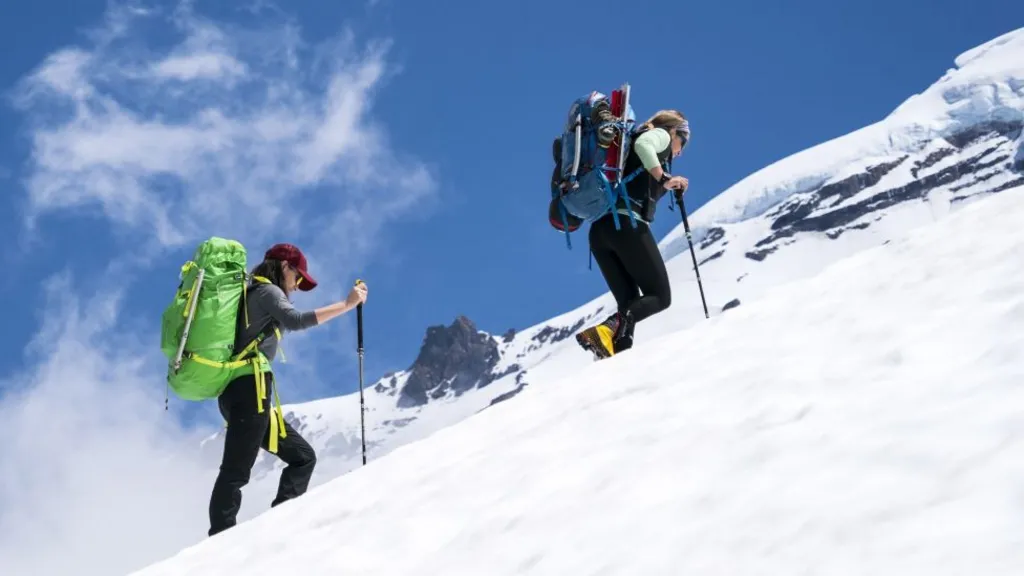
A recent criminal conviction in Austria, where a man was found guilty of gross negligent manslaughter after his climbing partner died of hypothermia on a high mountain, has sparked intense debate in the mountaineering community — raising fundamental questions about how much responsibility climbers owe one another for safety on the rock and snow. Experts, climbers and outdoor leaders say there is no simple legal or ethical answer, but the conversation is shifting as more people reflect on the risks inherent in the sport and the expectations that go along with shared expeditions.

The Austrian case involved a couple attempting to summit Grossglockner, Austria’s highest peak. The experienced man was convicted after leaving his partner behind in severe cold and rising darkness while he descended to seek help — a decision a judge said showed a gross failure in his duty to keep her safe, given his rock‑climbing ability relative to hers.
In mountaineering, there is no formal, universal legal framework governing responsibility between unpaid companions — unlike in guided commercial climbs where a professional guide holds explicit duty of care. The International Climbing and Mountaineering Federation’s ethics guidelines state that participants “engage in this activity at their own risk” while also encouraging climbers to be prepared “to make compromises in order to balance the needs and abilities of all the group.”
Among climbing practitioners, most agree that individual judgment and mutual preparedness are central. A mountain guide quoted in coverage said climbers choosing to enter hazardous terrain take on risks they “don’t have to take,” emphasising personal responsibility for gear, planning and decision‑making. Others point out that the most experienced member often implicitly takes a leadership role in safety decisions, which can shape expectations about who should decide when to turn back or how to respond to trouble.
Climbing professionals emphasise the role of planning and preparation in preventing accidents. Many incidents stem from poor route choice, inadequate equipment or misjudged weather conditions — factors each participant must consider before and during a climb. Being alert to these variables, carrying proper safety gear, and having realistic assessments of the group’s abilities are widely viewed as essential elements of responsible climbing practice.
Ethical considerations also inform climbers’ views on mutual responsibility. Some argue that on dangerous expeditions, participants should be prepared to help each other in emergencies, not merely because of legal implications but out of solidarity and shared risk. Others caution that mandating legal obligations between amateur climbing partners could dissuade people from venturing into the mountains or carry unintended consequences, such as overly cautious decision‑making or fear of prosecution after genuine accidents.
Historically, courts have occasionally been asked to assess responsibility in climbing tragedies, and there are precedents outside mountaineering — such as Woodroffe‑Hedley v Cuthbertson in English law — where a mountain guide was sued for negligence after a death on a climb, highlighting how legal standards can intersect with climbers’ obligations.

Ultimately, climbers themselves tend to accept that risk sharing and mutual awareness are core to the sport’s culture. Many stress that clear communication, honest assessment of skills, and preparedness to make conservative choices — including turning back when conditions deteriorate — are the best ways to look after one another. Whether these informal ethical expectations should evolve into formal legal requirements remains a subject of lively debate among mountaineers, legal experts and the wider outdoor community.
Related News:
 EXCLUSIVE: Shamed Andrew’s New Humiliation as King Lays Down New Rule After Royal Lodge Boot
 Labour Utterly Humiliated by Straight-Talking Mum Who Cut Through Keir Starmer’s Insanity
 Royal Family LIVE: ‘Pariah’ Andrew Mountbatten-Windsor Sparks Fresh Revolt Among Staff
 GMB Issues Bombshell Andrew Update Minutes Into Show as Furious Viewers ‘Switch Off’
 Possessions Stuck in Unsafe Flats Two Years On
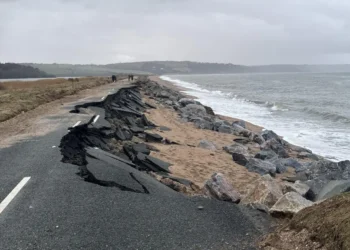 Stay Away from Collapsed Road, Council Urges
 Tributes to Hospital’s First Black Ward Sister
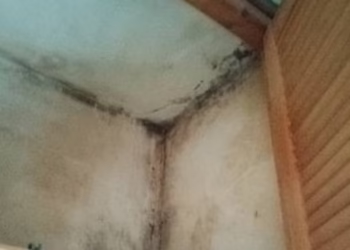 Renters Furious as Decent Homes Standard Delayed Until 2035
 The Victorian aristocrat who became Britain’s first Muslim lord
 Gender Pay Gap Won’t Close for Another 30 Years, Warns Union
 UP IN FLAMES: Huge Blaze Rips Through Odeon Cinema, Students Evacuated
 What Happened to Bathroom Doors in Hotels?
 Stop Releasing Phone Thieves Who Reoffend, Met Police Chief Urges Courts
 Motorists Could Face ‘Mandatory’ Driving Ban for Road Offences Under Tougher Laws
 Royal Mail Blames Poor Weather and Sickness for Delayed Deliveries
 Disability and LGBT Hate Crimes Set to Become Aggravated Offences
 Police Assessing Stansted Airport Private Flights Over Epstein Ties
 Snow and Rain Warnings as Cold Snap Continues in the UK
 Flooding May Worsen Before It Improves as More Rain Forecast for the UK
 Teacher Who Lied About Cambridge Degree Banned From Profession
 Illegal Skin Lightening Cream Being Sold in UK Butchers, Watchdog Warns
 ‘Just Push Us Into the Sea’: The Frustration of an Area Failed by Politics
 Man Who Threw Kittens Into River Thames Sentenced
 TfL Advert Banned for Harmful Racial Stereotype
 Last‑ditch Call to Save Police Front Counters in London
 Deaf Woman Killed After Night Out With Strangers, Court Hears
 Adoption Breakdown Ended My Career and Relationship – ‘We’re Told to Get On With It’
 Valentine ‘Unrecognisable’ a Year After Rescue
 Britain’s Special Needs Spending Crisis Will Be Labour’s Ruin
 Break from Wintry Weather as UK Temperatures to Climb to 14 °C
 Two Teens Found Dead at East Yorkshire Holiday Park
 Popular UK Service Station Announces Closures Amid Another’s Liquidation
 Abandoned UK Village Being Reclaimed by Nature is ‘Vast, Wild and Fascinating’
 Porthcawl Body Find: Man Charged After Woman in 80s Found Dead in Freezer
 Dad Found in Bed with Daughter 16 Years After Abandoning Her as a Child
 Store at Famous Shopping Village to Close After 18 Years Due to Rising Costs
 I Confronted a Mugger with an 18-Inch Machete in London – No Wonder Tom Cruise is Leaving
 Tesco Announces New Rule for Customer Parking Spaces – ‘We Need These Everywhere!’
 UK-Bound Jet2 Flight from Spain Declares Mid-Air Emergency Over English Channel
 Fury as Jobless-Migrant Households Receive Benefits Worth £10bn – ‘We Need to End This’
 He Told Police His XL Bullies Were Friendly – Days Later His Mother-in-Law Was Mauled to Death
 Why There’s No Quick Fix in Sight for the Problem of Dazzling Headlights
 ‘The Arrogance of XL Bully Owner Killed Our Mum’
 ‘Don’t Make Us Security Guards,’ Says Teacher Stabbed by Pupil
 Closing Factory Workers Paid to Help at Food Bank
 ‘We’ve Been Left Homeless After Our Builder Went Bust’
 Mind Launches Inquiry into AI and Mental Health After Guardian Investigation
 Schools in England to Get Budget for Children with Special Needs as Part of SEND Overhaul
 Deer Shooting to Be Facilitated in England to Protect Woodlands
 What’s Next for Andrew Mountbatten-Windsor’s Ex-Wife, Sarah Ferguson?
 Mystery GP on Train Saves Passenger’s Life
 Men Come Forward to Pay £329 Restaurant Bill
 Only 10% of Boys Aged 14–16 Read Daily for Pleasure, National Literacy Trust Finds
 Karen Gillan Reveals What She Misses Most About Scotland’s Food and People
 BBC Apologises After Racial Slur Aired at BAFTAs by Guest With Tourette’s
 Sadistic Pair Jailed for Blowing Up Sheep
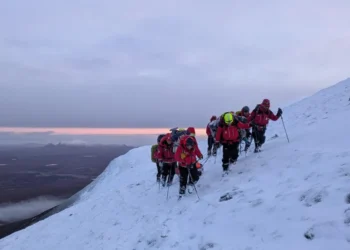 ‘Mountain Rescue Gives Incredible Satisfaction’
 Will the New SEND Reforms in England Work? You Have Your Say
 Spring‑Like Warmth to Peak on Wednesday with 18 °C Forecast
 BBC Edited a Second Racial Slur Out of BAFTA Ceremony
 Why I Rinse My Recycling and Give It to My Mum
 UK Winter Nowhere Near a Record Breaker Despite Floods and Storms
 UK Records Warmest Day of the Year as Temperatures Exceed 18 °C
 ‘I Stopped Engaging’ Due to Instagram and YouTube, Woman Tells Landmark Trial
 I’m Going to Stick at It Until I Get a Home,’ Says Struggling Tenant

 Parents of Gravely Ill Child Refused Respite Care
 Grave of Murdered Toddler James Bulger Vandalised
 Outsiders Disrupted Search for Missing Teen Noah Donohoe
 My Sub‑Postmaster Dad Carried a Weight of Shame
 ‘I Almost Died After a Touch‑and‑Go C‑Section’
 Conservation Budgets Hit by Increased Fly‑Tipping Costs
 “It Just Felt Right to Pay for Couple’s Shopping”
 UK Must Act with Courage and Clarity on Israel-Palestine Conflict, Says Foreign Affairs Committee Report
 Cambridge College Faces Backlash Over Private School Recruitment
 Bereaved Fathers Gain New Paternity Leave Rights in UK
 Woman Jailed for Life After Killing E-Bike Rider in Tragic Mistaken Identity Case
 No Gas Boiler Ban as UK Warm Homes Plan Backs Heat Pumps
 Police response times face strict new national limits
 Devon hosts first high-density hydro power system