Published: 02 March 2026. The English Chronicle Desk. The English Chronicle Online.
Oil prices surged sharply on Monday as the escalating Iran war rattled global financial markets. Investors reacted swiftly after coordinated strikes by the United States and Israel intensified tensions across the Middle East. The sudden spike in oil prices and the slump in major stock indices signalled deep anxiety about the global economy. Traders fear prolonged disruption to energy supplies as the Iran war shows little sign of easing.
Brent crude leapt by as much as 13 percent in early trading. Prices briefly touched 82 dollars a barrel, the highest level in fourteen months. Although gains later eased, Brent remained nearly eight percent higher at around 79 dollars. Analysts described the movement as a classic geopolitical shock amplified by fragile market confidence.
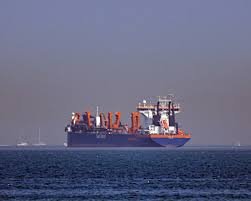
At the centre of these fears lies the strategically vital Strait of Hormuz. Roughly one fifth of global oil supplies and significant volumes of liquefied natural gas pass through the narrow waterway. Any disruption there carries immediate and severe consequences for energy markets worldwide. Following the weekend strikes, Tehran reportedly warned vessels against attempting transit.
Marine tracking services indicated congestion building rapidly on both sides of the strait. Several tankers appeared to delay passage amid concerns over safety and insurance coverage. While Iranian authorities have not formally declared a closure, market behaviour reflects genuine apprehension. Even partial disruption can tighten supply chains and inflate prices quickly.

Reports from the British maritime security body United Kingdom Maritime Trade Operations confirmed two separate attacks. One vessel was struck near Oman, while another incident occurred off the coast of the United Arab Emirates. Details remain limited, but the developments heightened shipping risks considerably.
The head of the International Maritime Organization, Arsenio Dominguez, urged caution among global shipping operators. He expressed concern about reports of injured seafarers during the attacks. Dominguez advised companies to avoid the affected waters where possible until security conditions improve. Such guidance underscores the gravity of the situation for international trade.
Shipping giant Maersk announced a temporary suspension of routes through both the Strait of Hormuz and the Suez Canal. The company cited safety risks for crews and cargo as its primary concern. This decision adds further strain to supply chains already challenged by geopolitical tensions.
Financial markets responded with immediate volatility across Europe and Asia. In London, the FTSE 100 dropped around one percent, closing near 10,798 points. Airline groups suffered notable losses as rising fuel costs threatened profitability. IAG fell close to ten percent, while easyJet declined by about seven percent.
Conversely, energy producers benefited from higher crude prices. Shares in Shell and BP climbed roughly six percent during trading. Investors also moved into defence stocks, anticipating sustained military activity. BAE Systems saw its share price jump around seven percent.
Elsewhere in Europe, markets mirrored London’s downward trajectory. Germany’s DAX fell by more than two percent. France’s CAC 40 and Italy’s FTSE MIB both recorded declines exceeding two percent. Spain’s Ibex 35 followed a similar pattern, reflecting broad regional unease.
Energy markets experienced even sharper reactions. European gas prices surged by up to 28 percent, marking the largest increase since August 2023. Electricity contracts in Germany and France also rose as fuel costs climbed. Higher wholesale prices threaten to renew inflationary pressures across the continent.
In Asia, Japan’s Nikkei 225 initially dropped nearly 2.4 percent before recovering slightly. Australia’s ASX 200 opened sharply lower but finished flat by day’s end. Mainland China’s Shenzhen Composite slipped modestly, indicating cautious regional sentiment.
Safe haven assets attracted renewed interest amid uncertainty. Gold prices climbed around 2.5 percent as investors sought stability. Traditionally, bullion performs well during periods of geopolitical turmoil and financial volatility. The current environment fits that pattern closely.
Military operations by the United States and Israel appear set to continue. Former US president Donald Trump suggested the conflict could extend for several more weeks. He indicated that operations would persist until strategic objectives were achieved. Such remarks have reinforced expectations of prolonged instability.
Iran remains a significant oil producer within the Opec+ alliance. It accounts for approximately 4.5 percent of global crude supply. Any interruption to its exports compounds broader concerns over shipping constraints. Even additional output agreed by Opec+ may struggle to reach markets if transport routes remain threatened.
Energy consultancy Wood Mackenzie described the crisis as a dual supply shock. Analysts warned that not only are current exports halted, but spare production capacity is effectively inaccessible. Without safe transit through the Strait of Hormuz, balancing the global oil market becomes challenging.
Some analysts now predict prices could exceed 100 dollars per barrel. Such levels would intensify inflation and strain household budgets worldwide. For the United Kingdom, higher fuel costs would directly impact transport and manufacturing sectors. Consumer confidence, already fragile, may weaken further under sustained pressure.
Central banks are likely monitoring developments closely. Rising energy prices complicate efforts to stabilise inflation after recent tightening cycles. Policymakers face a delicate balance between supporting growth and controlling price rises. Prolonged volatility may force difficult decisions in coming months.

Businesses dependent on stable supply chains also confront fresh uncertainty. Shipping delays increase costs and disrupt delivery schedules. Insurance premiums for voyages through contested waters are rising sharply. Smaller firms may struggle to absorb these additional burdens.
Despite heightened tensions, diplomatic channels remain active behind the scenes. International mediators are reportedly exploring avenues to reduce escalation. However, public rhetoric from all sides suggests compromise remains distant. Markets therefore continue to price in significant risk.
The human dimension of the Iran war should not be overlooked. Civilians across the region face insecurity and economic hardship. Seafarers navigating dangerous waters bear immediate physical risks. Global consumers, meanwhile, feel the consequences through higher living costs.
Financial strategists advise caution rather than panic. While markets often overreact initially, sustained conflict can alter fundamentals. Diversification and prudent risk management become essential during such periods. Investors are adjusting portfolios accordingly.
As the week unfolds, traders will watch shipping movements and official statements closely. Confirmation of any formal blockade would likely trigger further volatility. Conversely, signs of de-escalation could stabilise sentiment swiftly. For now, uncertainty dominates the outlook.
The Iran war has once again demonstrated the interconnected nature of global markets. A regional military escalation can ripple rapidly across continents. From London to Tokyo, investors are recalibrating expectations in real time. Whether stability returns soon depends largely on developments in the Gulf.
Related News:
 UPS Cargo Plane Crash in Kentucky Kills Seven
 US private equity set to acquire UK online retailer Very Group
 Switzerland Rolls Out Charm Offensive to Cut Trump’s 39% Tariffs
 Canada Passes Carney’s First Budget in Tight Parliamentary Vote
 India’s Labour Law Overhaul Sparks Fierce Debate
 Carney’s Alberta Pipeline Deal Sparks Immediate Pushback
 Austrian Airlines Halts Tehran Flights Amid Political Unrest
 Mark Carney Walks Diplomatic Tightrope on China Visit
 Wall Street shaken by Trump tariff shock as markets tumble
 ‘Black Tax’: Burden, Pride and Survival for African Workers
 UK New Car Discounts Near £6,000 as Prices Are Slashed
 Coles Discounts Under Fire in Federal Court
 Trump Tower Gold Coast to Redefine Skyline
 Rory Amon Trial: Alleged Victim Speaks in Court
 China’s crackdown on civil servant perks sparks economic concerns
 Shein UK Faces Allegations of Shifting Majority of Profits to Singapore to Reduce UK Tax
 Reeves Faces Setback as Labour May Miss Homes Target
 Virgin Trains Moves Closer to Challenging Eurostar Monopoly
 Trump’s UK Ambassador Urges North Sea Drilling to Strengthen US Ties
 Ryanair Chief UK Economy ‘Doomed’ Under Labour
 M&S Profits More Than Halve After Cyber-Attack
BBC to Apologise Over Edited Trump Speech Amid Backlash
M&S Profits More Than Halve After Cyber-Attack
BBC to Apologise Over Edited Trump Speech Amid Backlash
 Britain deploys RAF specialists to assist Belgium with drone threats
 Palace May Restore Hyphen to Andrew Mountbatten-Windsor’s Name
 Millionaires group urge Reeves to introduce wealth tax to ‘lift kids out of poverty’
 From Lego to Pokémon: How Adults Are Driving UK Toy Market Growth
 Greene Pushes Epstein Files Amid Trump Fallout
 Trump Deploys DHS to Charlotte in Major Arrest Operation
 December Run-Off in Chile as Election Produces No Winner
 Zelenskyy Signs Fighter Jet Deal Amid Russian Drone Attacks
 Orban Says Ukraine Has ‘No Chance’ as EU Support Continues
 Shadow Fleet at Sea: Europe’s Battle Against Illicit Oil Shipping
 Tiny Curacao Makes History as Smallest Nation to Reach World Cup
 Deadly Russian Strikes Hit Western Ukraine, 20 Killed in Ternopil
 Ukraine Peace Plan: Zelensky Ready for Dialogue
 Royal Navy Shadows Russian Warships Entering the Channel
 US Suspends Afghan Immigration After White House Shooting
 Two National Guard Soldiers Critically Injured Near White House
 Georgians Defy Government Crackdown After Year of Protests
 Tokyo court rules Japan’s same-sex marriage ban constitutional
 Starmer Says Labour’s Economic Plan Needs Years to Deliver
 Virgin Media Fined £23.8m Over Telecare Safety Failures
 ‘Extinct’ Antelope Returns to Sahara, Bringing Hope
 American Mother Extradited From UK to U.S. on Murder Charges
 Russia losses Ukraine war peace talks intensify amid rising deaths
 Facebook Slow to Remove Bondi Attack Praise, Anti-Hate Group Claims
 FTSE 100 Hits 10,000: UK Market Celebrates Record Year
 US Cities Erupt in Protests Against Trump’s Venezuela Military Action
 Albanese Opens Door to Bondi Royal Commission Amid Rising Pressure
 Trump Escalates Minnesota Immigration Surge Amid Rising Tensions
 Iran Protesters Defy Crackdown as Violent Clashes Intensify
 US Clears Nvidia AI Chip Sales to China in Policy Shift
 Trump Threatens Strong Action If Iran Executes Protesters
 Gulf states warn Trump Iran strikes risk wider Middle East war
 EU weighs response amid Greenland tariff crisis with Trump
 Sydney Shark Attack Surge Shocks Australia Beaches
 EU Says US Ties Have Suffered ‘Big Blow’ After Greenland Crisis
 US Dollar Hits Four-Year Low Amid Market Turmoil
 Amazon mistakenly signals new global layoffs to employees
 Videos reveal earlier clash before Alex Pretti shooting
 Israel Moves to Bar MSF From Gaza Operations
 Tragic Ski Lift Accident Claims Australian Snowboarder
 Portugal Election Delivers Socialist Win as Far Right Surges
 Telstra AI jobs cuts as automation drive expands
 BT Names New Openreach Chief Amid Major Fibre Expansion
 Australian Families Leave Syrian Camp for Home
 SA Police Intensify Search in Gus Lamont Case
 Trump Attacks UK-California Energy Pact
 Andrew Arrest Sparks Republic Debate in Australia
 Live Nation Sees Strong Ticket Sales as Monopoly Lawsuit Looms
 Farage Chagos Islands Row Sparks Fury
 UK Job Vacancies Hit Five-Year Pandemic Low
 UK Youth Unemployment Surges Amid Tax Changes
 Strong Rebound for UK Housing Market Sees 6% More Homes
 Bill Gates ‘Took Responsibility’ Over Epstein Ties in Staff Meeting, Foundation Says
 Hilary Knight speaks out on Trump’s recent hockey remarks
 Has Europe truly learned from the failures of 2022?
 Social Media Trial: Woman Says Addiction Began at Six
 Switching Energy Deal Can Save £200 as Price Cap Falls
 Trump Faces Questions Over Iran Conflict Plan