Published: 3 March 2026 . The English Chronicle Desk.
The English Chronicle Online
Scots living and working in the Middle East say they are enduring a climate of constant anxiety and uncertainty as the conflict triggered by recent US‑Israeli strikes on Iran escalates and Iran’s retaliatory missile and drone attacks continue to unfold across the region. Many describe a daily existence defined by waiting for “the next explosion,” as the crisis spreads beyond traditional faultlines into territory where foreign nationals, including UK citizens, live, work and study.

Among the reported 200,000 British nationals now dispersed through Gulf states such as the United Arab Emirates, Qatar, Bahrain and Kuwait, a noticeable number are Scots who have lived in the region for years, drawn by business, education and personal ties. In interviews and social media posts, individuals from cities including Dubai, Abu Dhabi and Doha have shared how the once‑routine rhythms of life have been replaced by frequent air‑raid alerts, temporary closures of public venues and emergency responses tied to nearby strikes.
One Scot working in Dubai’s financial sector described the experience as surreal and unsettling. “You don’t know if the next siren means a real threat or just another false alarm,” she said. “It feels like you’re always waiting for the next explosion, packing a bag on standby, making plans you never thought you’d need to make.” Many have spoken of their distress at seeing smoke plumes from intercepted missiles and knowing that civilian areas — including markets and residential districts — have been caught up in the spiralling violence.
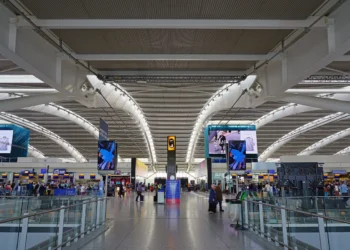
For Scots whose families are far away in the UK — particularly in Glasgow, Edinburgh and Aberdeen — the challenge has been balancing concern for personal safety with emotional strain at home. Several have posted images and videos of crowded airport terminals, as flights are rerouted or delayed due to airspace closures, and of emergency drills in apartment complexes where residents practise shelter protocols. These daily realities underscore how the broader conflict has transformed ordinary life for foreigners living in the Gulf.
Social media platforms have become a key channel for sharing real‑time updates and advice among expatriate communities. Scottish groups in particular have mobilised support networks that share safety updates, travel options and welfare information, even as official government advice to British nationals remains cautious and non‑directive. Some Scots say they have been in contact with the British embassy or consulate, while others report that consular responses are stretched thin by high volumes of queries from across the region.
“You can’t plan anything any more,” said another Scot based in Qatar. “One day it’s normal, the next day we’re told to stay indoors or go to shelters. Friends are talking about leaving, but there’s nowhere to go that feels completely safe right now.” The strain has been felt not only by long‑term residents but by students, hospitality workers and professionals from a range of sectors who describe feeling that their lives have been put on indefinite hold.
Political and diplomatic commentary from the UK has attempted to balance messaging on safety with a recognition of the complex operational environment. UK officials say they are working to maintain lines of communication with host governments and allies to facilitate evacuation assistance for British nationals if required, while also emphasising efforts to de‑escalate the conflict through diplomatic channels. London’s messaging reflects a dual priority: ensuring citizen welfare abroad and avoiding unnecessary panic.
Health and psychological support networks have highlighted the mental health toll of living under prolonged threat. Experts point out that repeated alarms, uncertainty and the possibility of direct violence can contribute to stress, anxiety and trauma symptoms, especially among individuals far from family support systems. Community groups have organised peer support sessions, online meet‑ups and referrals to professional services to help address these challenges.
For some Scots, the crisis has also had economic consequences. Tourism, hospitality and service industries in the Gulf — sectors with substantial Scottish employee bases — have seen job disruptions and reduced hours, as security concerns depress customer activity and force intermittent closures. Rent, living costs and repatriation expenses have compounded financial pressures for those considering return to the UK.
Despite the bleak outlook, many Scots emphasise their resilience and determination to stay connected with loved ones back home. “We’re trying to support one another,” said a Scot working in Abu Dhabi’s healthcare sector. “We text each other constantly, we check in on calls, and we remind each other to take a breath. But every alert still makes you jump.”

As the Middle East crisis shows few signs of immediate resolution, the experience of Scots caught up in the violence illustrates how distant geopolitical flashpoints can become intensely personal and disruptive for ordinary citizens. Their testimonies echo wider concerns about civilian vulnerability, the fragile nature of security in conflict zones, and the psychological impact of living under threat — realities that extend far beyond national capitals and strategic analyses.
Related News:
 Cooper: Joining US Strikes on Iran ‘Not in Britain’s Interest’
 Israel and Hezbollah Exchange Fire as Conflict Worsens
 Iran’s Regime Still Intact — Coming Days Will Test Its Survival
 Allies of US in the Gulf Bear Brunt of Iran Attacks
 Hopes and Fears as US Iranians Take to Streets After Toppling of Supreme Leader
 Retaliations Continue on Day Two of US-Israel Attacks on Iran
 At Least 153 Dead After Reported Strike on School, Iran Says
 At Least 153 Dead After Reported Strike on School, Iran Says
 ‘It’s Eerie’ – Dubai on Edge as City Comes Under Attack
 BBC Reports from Beit Shemesh After Deadly Iranian Missile Strike
 Iran, the US, and a World Cup That Starts in Three Months
 UK Will Allow US to Use Bases to Strike Iranian Missile Sites, PM Says
 Trump’s Iran Endgame Unclear After Mixed Messaging on War Aims
 Rubio Responds to Reported Strike on Iranian School
 UK Must Act with Courage and Clarity on Israel-Palestine Conflict, Says Foreign Affairs Committee Report
 MPs Call on UK Government to Delay Biometric Visa Checks for Gaza Students Amid Humanitarian Crisis
 Radioactive Leak at UK’s Nuclear Warhead Base Sparks Outcry Over Safety and Secrecy
 Mutual Inconvenience: Why Alaska Was Chosen for the Trump-Putin Summit on Ukraine
 “I Don’t Expect to Live a Normal Life”: How a Leeds Teenager Became the Target of a Chinese Bounty
 Is the UK Ready to Put Boots on the Ground in Ukraine? Assessing Military Capacity and Challenges
 Protests Expected as Israeli Arms Firms Join Global Defence Trade Fair in London
 UK Immigration Figures: Separating Facts from Perceptions
 Far-Right Rally in London Draws Record Crowds Amid Clashes with Police
 Thousands Gather in London to Protest Donald Trump’s Second UK State Visit
 Trump Urges UK to “Call Out the Military” to Secure Borders Amid State Visit
Trump’s UN Speech Criticises London and UK Policies, Draws Far-Right Attention
Trump Urges UK to “Call Out the Military” to Secure Borders Amid State Visit
Trump’s UN Speech Criticises London and UK Policies, Draws Far-Right Attention
 UK Fighter Jet Purchase Could Breach Nuclear Treaty, Warns CND
 A Third of EU Citizens in UK Report Discrimination by Public Bodies Post-Brexit
 Jailed Georgian Opposition Leaders Warn UK of Iranian Links to Ruling Party
 Russia repeatedly targets UK military satellites, warns Space Command chief
 Pro-Palestine March to Proceed in London Despite Calls to Cancel After Manchester Attack
 UK Universities Warn Students Ahead of 7 October Pro-Palestine Protests
 Public Trust in SNP Hits Historic Low Amid NHS Concerns
 Johnson Suggests Mandelson Linked to China Spy Controversy
 Witness statements reveal the CPS China spy row collapse in the UK
 Nigel Farage Calls Vladimir Putin ‘A Very Bad Dude’
 Rachel Reeves signals welfare reform ahead of key budget
 Kosovo agrees to host Britain’s refused asylum seekers
 Plaid Cymru Triumphs in Caerphilly, Ending Labour Century-Long Hold
 Rachel Reeves to lead UK trade push in Saudi Arabia amid rights debate
 British Woman in Iran ‘Losing Hope’ Amid Ongoing Detention
 Johnson Approved China’s London ‘Super-Embassy’ in 2018
 BBC Journalist Held and Interrogated in Vietnam
 BBC director-general and news chief resign amid bias row
 New review urges UK to repatriate Shamima Begum, others from Syria
 Rama Rebukes Mahmood for Targeting Albanian Families
 Russian Vessel Used Lasers on RAF Pilots, UK Claims
 Britain Demands Israel Reverse Ban on Aid Groups
 US Africa aid remarks spark anger after leaked State email
 Starmer China visit raises human rights pressure on Beijing
 Emails Show Epstein Funded Mandelson’s Husband After Jail
 Cory Bernardi joins One Nation for SA election
 Starmer Weighs Fast-Tracking Defence Boost
 US Urges Iran to Make Deal as Military Presence Rises
 Trump Warns Over Chagos Islands Deal
 Trump and Chagos Deal Rift Over Iran Strikes
 How Much Could Andrew’s Arrest Hurt the Royal Family?
 Andrew Mountbatten-Windsor Arrest After FBI Radar
 UK Has Not Given US Permission to Use RAF Bases for Iran Strikes
 Australian PM Says Former Prince Andrew Has Suffered ‘Extraordinary Fall’ but That Won’t Prompt Republic Referendum
 Farage Chagos Islands Row Sparks Fury
 Trump Tariffs Threat Spark UK and EU Alarm
 Ukraine Negotiator Reveals What It Feels Like Facing Russia
 New Zealand Backs Removing Andrew From Royal Line of Succession
 Mandelson Arrested Amid Political Turmoil as Ukraine Marks Four Years of Conflict
 Russian Troops Executed by Commanders, Soldiers Tell BBC
 ‘Anyone who runs is shot’: Russian soldiers describe killings of troops who refuse orders
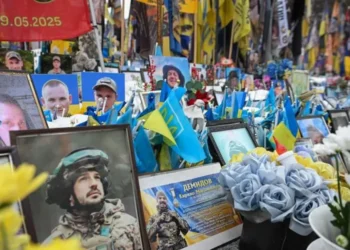 Ukraine remembers its dead as war enters a fifth year
 Green Party Triumphs in Gorton and Denton By‑Election
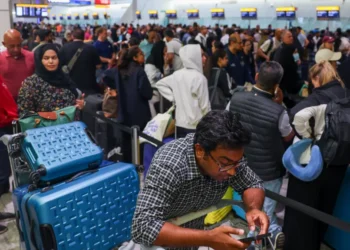 Middle East Flights Halted After Iran Strikes
 Starmer Speaks to Trump After UK Joins Defensive Operation
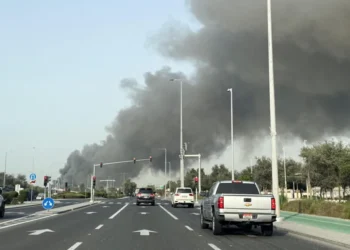 Allies of US in the Gulf Bear Brunt of Iran Attacks
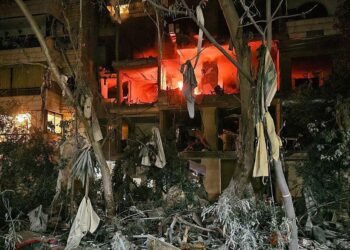 Israeli Attacks Kill 31 in Lebanon, Iran Strikes Across Region, US Warplanes Crash in Kuwait
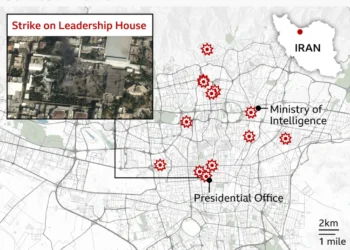 In Maps: Strikes Across Iran and the Middle East
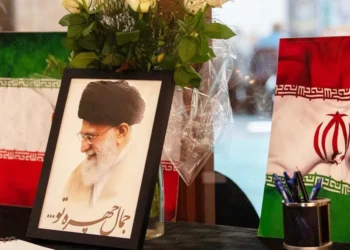 Months of Planning Behind US‑Israeli Mission to Target Iran’s Supreme Leader
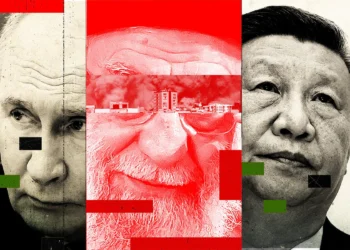 What Khamenei’s Death Means for Russia and China
 Tehran Makes New Threat to Gulf Shipping as US Says ‘Hardest Hits’ on Iran ‘Yet to Come’
 Sarwar Rejects Father’s Tribute to Iran’s Supreme Leader
 Did Trump Declare War and Did Congress Approve Iran Attacks? What to Know
 Melania Trump Chairs UN Security Council Meeting on Children in Conflict Amid Iran Strikes