Published: 04 March 2026. The English Chronicle Desk. The English Chronicle Online.
The atmosphere across international trading floors remains incredibly tense as global markets continue to experience a significant and worrying downturn this Wednesday. Investors are reacting with deep skepticism toward recent attempts by the United States to stabilize the volatile situation. Even though Donald Trump has pledged military support to protect vital shipping lanes, his words have not calmed the nerves of the financial world. The ongoing conflict in the Middle East has effectively paralyzed the Strait of Hormuz, which is a primary artery for the world’s energy supply. This closure followed a series of intense military strikes by the United States and Israel over the past weekend. These actions have ignited widespread fears of a prolonged energy crisis that could devastate the international economy.
The sense of unease is palpable as oil prices continue their aggressive climb toward record-breaking levels. Traders are watching the situation with bated breath while the cost of crude oil rises almost every hour. David Solomon, the chief executive of Goldman Sachs, recently shared his professional perspective on this developing global drama. He cautioned that it would likely take at least two weeks for investors to fully process the impact. The scale of the US-led military operation in the region is truly massive and historically unprecedented. Because of this complexity, the immediate reaction of the global markets has been one of retreat and heavy selling. Financial institutions are currently struggling to value assets amidst such high levels of geopolitical and economic uncertainty.
In Asia, the financial fallout has been particularly severe and immediate for several major national economies. Trading in Seoul was briefly suspended on Wednesday morning as the benchmark Kospi index fell sharply. This dramatic drop of nearly twelve percent represents the worst single-day decline for South Korea since 2008. The Nikkei 225 in Tokyo also suffered a significant blow by losing nearly four percent of its value. Meanwhile, the CSI 300 in Shanghai slipped by over one percent as Chinese investors weighed the risks. Even the Nifty 50 in Mumbai saw a decline of two percent during a very choppy session. These numbers highlight the interconnected nature of our modern world and how localized conflicts create global ripples.

The Middle East itself is naturally seeing the most direct impact on its domestic financial trading platforms. The Dubai and Abu Dhabi stock exchanges opened today for the first time since the weekend strikes. As expected, the Dubai index plummeted by nearly five percent within the first few hours of active trading. Abu Dhabi’s ADX followed a similar downward trajectory as regional investors sought safety in more stable liquid assets. The physical reality of the conflict is becoming clearer through reports from the United States military commands. General Brad Cooper confirmed that several Iranian vessels, including a submarine, have been destroyed since the fighting began. He claimed that no Iranian ships are currently underway in the Strait of Hormuz or Gulf of Oman.
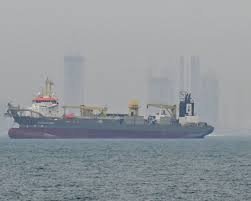
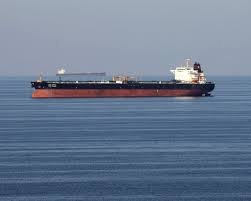
Despite these military assurances, the total halt of commercial shipping through the strait is causing immense global concern. Approximately one-fifth of the world’s oil and liquefied natural gas supplies typically pass through this narrow waterway. Without the guaranteed safe passage of these tankers, the global energy market faces a massive supply vacuum. Donald Trump has attempted to mitigate these fears by using his Truth Social platform to reach investors. He suggested that the United States Navy stands ready to escort tankers through the dangerous passage soon. Furthermore, he offered a plan to provide political risk insurance to vessels at a very reasonable price. These unconventional proposals are part of his broader effort to ensure the free flow of energy.
The international benchmark for oil, known as Brent crude, has soared to levels not seen in years. On Wednesday, the price per barrel rose further to reach over eighty-two dollars during the morning trade. This spike is a direct result of investors bracing for significant and lasting disruptions to global supply. The United Kingdom Maritime Trade Operations has also reported several troubling incidents affecting ships near the Emirates. These reports only add to the heightened apprehension surrounding the physical safety of commercial vessels and their crews. Wall Street is also expected to open much lower today based on the latest pre-market trading data. This downward trend is particularly sensitive for the current administration which often highlights market success as a victory.
Global markets are currently navigating uncharted territory as the threat of a full-scale energy war looms large. David Solomon expressed some surprise that the initial market reaction was not even more volatile than observed. He noted that markets often react in a muted way to politics unless economic growth is harmed. However, the closure of the Strait of Hormuz is a direct hit to the global growth engine. If the flow of oil does not resume quickly, the inflationary pressure could become absolutely unbearable. Central banks around the world are likely watching these developments with a high degree of mounting concern. They may be forced to intervene if the currency markets begin to show signs of extreme instability.
The logistical challenge of escorting hundreds of massive tankers through a conflict zone is also quite daunting. Military experts suggest that a naval escort operation of this magnitude would require immense resources and coordination. While the US Navy is the most powerful in the world, the risks of accidental escalation remain high. Any further military exchange in the strait could lead to a permanent closure of the vital shipping route. This possibility is exactly what is driving the current sell-off across almost all major global markets today. Investors typically crave stability and predictability, both of which are currently in very short supply in the Middle East. The coming days will be crucial in determining if a global recession can be successfully avoided.

There is also the question of how other major global powers will respond to the American military presence. Countries like China and India rely heavily on the oil that flows through the troubled Strait of Hormuz. Their economic stability is directly tied to the ability of tankers to move freely without any interference. If the US-led operation fails to secure the area, these nations might feel compelled to take action. Such a scenario would lead to a crowded and potentially dangerous military environment in a very small space. The diplomatic efforts to resolve the crisis seem to be moving much slower than the military developments. This disconnect is another factor contributing to the overall lack of confidence seen in global markets.
As the sun sets on another day of frantic trading, the outlook for the week remains bleak. Many analysts believe that the current volatility is just the beginning of a much longer period of adjustment. The global economy was already facing challenges from inflation and shifting trade patterns before this crisis began. Now, the added pressure of an energy supply shock could push many fragile economies over the edge. For the average consumer, this will likely manifest as higher prices at the petrol pump and grocery store. The impact of the Strait of Hormuz closure will eventually be felt by everyone, not just those on Wall Street. It is a sobering reminder of how dependent our modern lives are on stable energy routes.
The resilience of the international financial system is being tested in a way we have not seen recently. While the United States remains confident in its military capabilities, the markets require more than just force to recover. They need a clear path toward a diplomatic resolution that ensures long-term peace and open trade. Until that path becomes visible, we should expect the current trend of falling stocks and rising oil to continue. The world is watching the Middle East with a mixture of fear and hope for a quick end. Only time will tell if the bold promises made by leadership can truly restore global market confidence. For now, the safest bet for many seems to be a cautious retreat from the growing storm.
Related News:
 UPS Cargo Plane Crash in Kentucky Kills Seven
 US private equity set to acquire UK online retailer Very Group
 Switzerland Rolls Out Charm Offensive to Cut Trump’s 39% Tariffs
 Canada Passes Carney’s First Budget in Tight Parliamentary Vote
 India’s Labour Law Overhaul Sparks Fierce Debate
 Carney’s Alberta Pipeline Deal Sparks Immediate Pushback
 Austrian Airlines Halts Tehran Flights Amid Political Unrest
 Mark Carney Walks Diplomatic Tightrope on China Visit
 Wall Street shaken by Trump tariff shock as markets tumble
 ‘Black Tax’: Burden, Pride and Survival for African Workers
 UK New Car Discounts Near £6,000 as Prices Are Slashed
 Coles Discounts Under Fire in Federal Court
 Trump Tower Gold Coast to Redefine Skyline
 Rory Amon Trial: Alleged Victim Speaks in Court
 Oil Prices Surge as Iran War Jolts Markets
 Gulf shipping crisis as war risk cover pulled
 China’s crackdown on civil servant perks sparks economic concerns
 Shein UK Faces Allegations of Shifting Majority of Profits to Singapore to Reduce UK Tax
 Reeves Faces Setback as Labour May Miss Homes Target
 Virgin Trains Moves Closer to Challenging Eurostar Monopoly
 Trump’s UK Ambassador Urges North Sea Drilling to Strengthen US Ties
 Ryanair Chief UK Economy ‘Doomed’ Under Labour
 M&S Profits More Than Halve After Cyber-Attack
BBC to Apologise Over Edited Trump Speech Amid Backlash
M&S Profits More Than Halve After Cyber-Attack
BBC to Apologise Over Edited Trump Speech Amid Backlash
 Britain deploys RAF specialists to assist Belgium with drone threats
 Palace May Restore Hyphen to Andrew Mountbatten-Windsor’s Name
 Millionaires group urge Reeves to introduce wealth tax to ‘lift kids out of poverty’
 From Lego to Pokémon: How Adults Are Driving UK Toy Market Growth
 Greene Pushes Epstein Files Amid Trump Fallout
 Trump Deploys DHS to Charlotte in Major Arrest Operation
 December Run-Off in Chile as Election Produces No Winner
 Zelenskyy Signs Fighter Jet Deal Amid Russian Drone Attacks
 Orban Says Ukraine Has ‘No Chance’ as EU Support Continues
 Shadow Fleet at Sea: Europe’s Battle Against Illicit Oil Shipping
 Tiny Curacao Makes History as Smallest Nation to Reach World Cup
 Deadly Russian Strikes Hit Western Ukraine, 20 Killed in Ternopil
 Ukraine Peace Plan: Zelensky Ready for Dialogue
 Royal Navy Shadows Russian Warships Entering the Channel
 US Suspends Afghan Immigration After White House Shooting
 Georgians Defy Government Crackdown After Year of Protests
 Tokyo court rules Japan’s same-sex marriage ban constitutional
 Starmer Says Labour’s Economic Plan Needs Years to Deliver
 ‘Extinct’ Antelope Returns to Sahara, Bringing Hope
 American Mother Extradited From UK to U.S. on Murder Charges
 Facebook Slow to Remove Bondi Attack Praise, Anti-Hate Group Claims
 FTSE 100 Hits 10,000: UK Market Celebrates Record Year
 Albanese Opens Door to Bondi Royal Commission Amid Rising Pressure
 US Clears Nvidia AI Chip Sales to China in Policy Shift
 Gulf states warn Trump Iran strikes risk wider Middle East war
 EU weighs response amid Greenland tariff crisis with Trump
 Sydney Shark Attack Surge Shocks Australia Beaches
 EU Says US Ties Have Suffered ‘Big Blow’ After Greenland Crisis
 US Dollar Hits Four-Year Low Amid Market Turmoil
 Amazon mistakenly signals new global layoffs to employees
 Videos reveal earlier clash before Alex Pretti shooting
 Israel Moves to Bar MSF From Gaza Operations
 Tragic Ski Lift Accident Claims Australian Snowboarder
 Portugal Election Delivers Socialist Win as Far Right Surges
 Telstra AI jobs cuts as automation drive expands
 BT Names New Openreach Chief Amid Major Fibre Expansion
 Australian Families Leave Syrian Camp for Home
 SA Police Intensify Search in Gus Lamont Case
 Trump Attacks UK-California Energy Pact
 Live Markets Bet on Spring Rate Cut as Inflation Falls
 Andrew Arrest Sparks Republic Debate in Australia
 Live Nation Sees Strong Ticket Sales as Monopoly Lawsuit Looms
 Farage Chagos Islands Row Sparks Fury
 UK Job Vacancies Hit Five-Year Pandemic Low
 UK Youth Unemployment Surges Amid Tax Changes
 Strong Rebound for UK Housing Market Sees 6% More Homes
 Bill Gates ‘Took Responsibility’ Over Epstein Ties in Staff Meeting, Foundation Says
 Hilary Knight speaks out on Trump’s recent hockey remarks
 Has Europe truly learned from the failures of 2022?
 Social Media Trial: Woman Says Addiction Began at Six
 Switching Energy Deal Can Save £200 as Price Cap Falls
 Trump Faces Questions Over Iran Conflict Plan
 Iran Civilian Deaths Surge Past 200 Amid Fear
 Herzog Asio meeting sparks security storm
 Trump rebukes Starmer over Iran strikes
 Middle East attacks intensify as Trump rejects Iran talks