Published: March 5, 2026 . The English Chronicle Desk . The English Chronicle Online
As the Middle East conflict intensifies, the United States Senate has effectively backed President Donald Trump’s authority to continue military operations against Iran after voting down a resolution that would have limited his war powers. The decision came as Iran launched a new wave of missiles toward Israel, dramatically escalating the regional crisis and raising fears of a broader war.

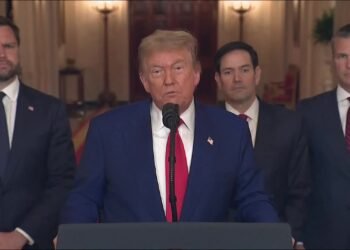
The Senate vote, held late on Wednesday in Washington, rejected a bipartisan resolution aimed at forcing the president to obtain explicit congressional approval before continuing military strikes against Iran. The measure failed by a narrow 53-47 margin, with most Republicans voting to preserve Trump’s authority as commander-in-chief while nearly all Democrats supported the attempt to restrict his powers.
The resolution had been introduced amid growing concern in Congress that the United States was sliding into a large-scale conflict without formal authorisation. Supporters argued that the Constitution grants Congress the sole authority to declare war, and they warned that unchecked presidential power could lead to another prolonged military campaign in the Middle East. Opponents, however, insisted that the president must retain flexibility to respond quickly to threats from Iran and its regional allies.
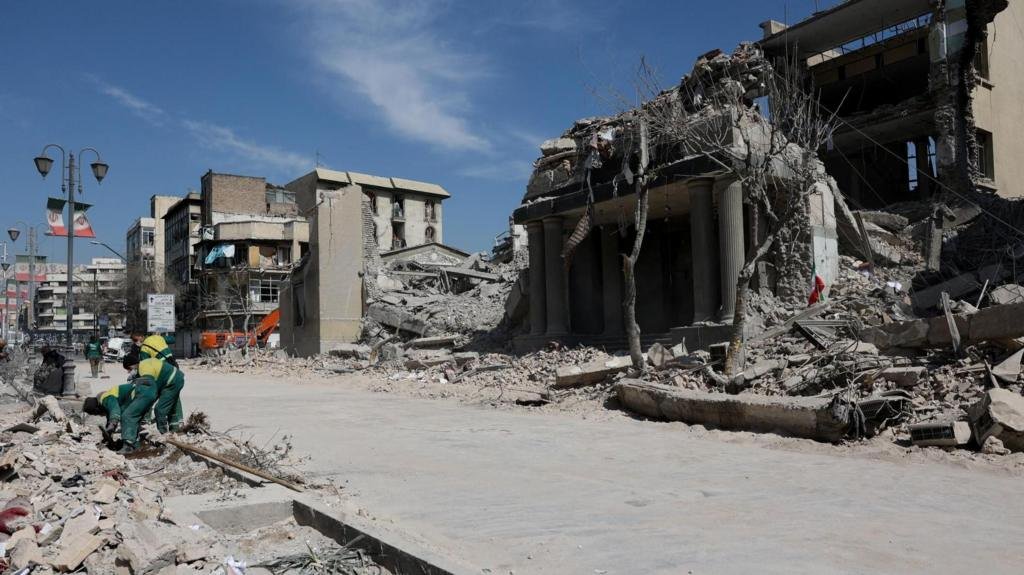
The vote effectively allows the Trump administration to continue its expanding air and naval campaign against Iranian targets. The conflict began with coordinated U.S. and Israeli strikes on Iranian military infrastructure and has since evolved into a multi-front confrontation involving missile exchanges, drone attacks and clashes across several countries in the region.
Almost simultaneously with the Senate decision, Iran launched a fresh barrage of missiles toward Israel, triggering air-raid sirens across multiple Israeli cities and sending millions of residents into shelters. Israeli defence systems intercepted many of the incoming projectiles, but authorities warned that the threat remained severe as Iranian forces continued to test the country’s air-defence network.
Israeli officials described the missile attacks as one of the largest waves since the conflict erupted days earlier. The barrage followed ongoing Israeli airstrikes on Iranian military facilities and strategic sites, including missile bases and security installations. According to regional observers, the exchange of strikes has pushed tensions to levels not seen in decades and raised the possibility of a wider regional confrontation involving additional state and non-state actors.
The Senate debate highlighted deep divisions within the United States over the war’s objectives and legality. Republican lawmakers largely defended Trump’s actions, arguing that Iran posed an immediate threat to American forces and allies. Some senators warned that limiting the president’s authority during an active conflict could weaken U.S. deterrence and embolden hostile actors in the region.
Democrats, meanwhile, accused the administration of bypassing Congress and risking a conflict without a clear strategy or defined end goal. Several lawmakers insisted that the United States must not repeat the mistakes of past wars in Iraq and Afghanistan, where military operations expanded rapidly without sufficient oversight or planning. The proposed resolution sought to require the administration to withdraw U.S. forces from hostilities against Iran unless Congress formally authorised continued involvement.
Despite those concerns, the measure failed to attract enough Republican support to pass. Analysts say the outcome reflects the narrow political balance in Washington and the strong influence of national security arguments during a time of escalating conflict. Even if the resolution had passed, it would likely have faced a presidential veto, which would have required a two-thirds majority in both chambers of Congress to override.
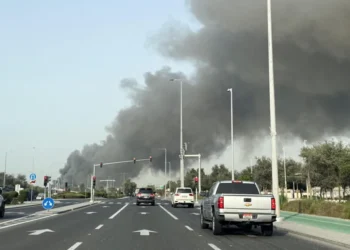
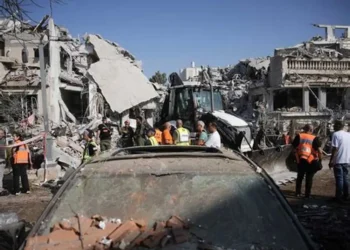
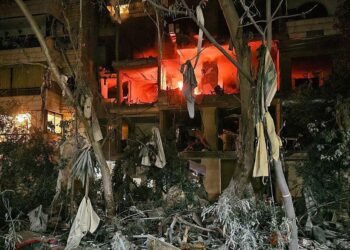
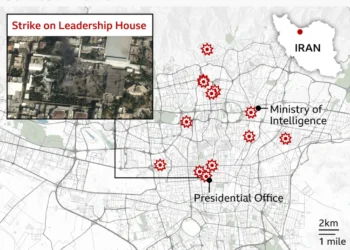
Beyond Washington, the conflict continues to ripple across the broader Middle East. Iranian missiles have targeted Israeli cities while retaliatory strikes by the United States and Israel have hit multiple locations inside Iran. Military activity has also affected neighbouring countries, with missile interceptions and heightened security alerts reported across parts of the region.
The confrontation is also beginning to impact global markets and energy supplies. Shipping routes through the Strait of Hormuz, one of the world’s most important oil corridors, have been disrupted by the growing military presence and security concerns. Economists warn that prolonged instability could push energy prices higher and destabilise global trade flows.
Humanitarian concerns are also mounting. Civilian casualties in Iran have reportedly climbed into the hundreds, while thousands of residents across Israel have been forced into shelters during repeated missile attacks. Governments in Europe and North America have begun evacuating citizens from the region, reflecting fears that the conflict could expand further.

As the war enters its next phase, the Senate’s decision signals that Washington is prepared, at least for now, to give the president broad authority to pursue military action against Iran. Whether that backing will continue as the conflict evolves—and as casualties mount—remains uncertain. For the moment, however, the political message from Capitol Hill is clear: the United States is staying the course in a conflict that is rapidly reshaping the strategic landscape of the Middle East.
Related News:
 Hopes and Fears as US Iranians Take to Streets After Toppling of Supreme Leader
 Iran, the US, and a World Cup That Starts in Three Months
 Trump’s Iran Endgame Unclear After Mixed Messaging on War Aims
 Rubio Responds to Reported Strike on Iranian School
 US Urges Iran to Make Deal as Military Presence Rises
 Trump’s Foreign Policy Dilemma Laid Bare by Iran Tensions
 US Partially Evacuates Beirut Embassy Amid Rising Iran Tensions
 Israel and Hezbollah Exchange Fire as Conflict Worsens
 Iran’s Regime Still Intact — Coming Days Will Test Its Survival
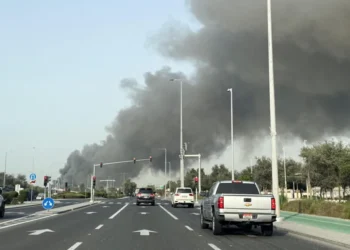
 Allies of US in the Gulf Bear Brunt of Iran Attacks
 Retaliations Continue on Day Two of US-Israel Attacks on Iran
 At Least 153 Dead After Reported Strike on School, Iran Says
 At Least 153 Dead After Reported Strike on School, Iran Says
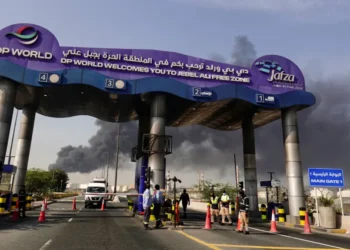 ‘It’s Eerie’ – Dubai on Edge as City Comes Under Attack
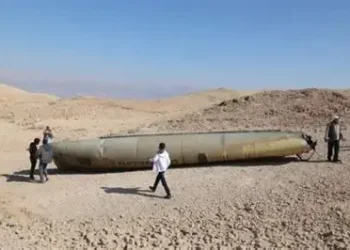 BBC Reports from Beit Shemesh After Deadly Iranian Missile Strike
 Cooper: Joining US Strikes on Iran ‘Not in Britain’s Interest’
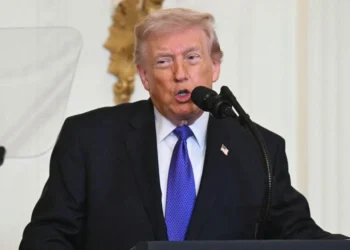 Did Trump Declare War and Did Congress Approve Iran Attacks? What to Know
 Scots Caught Up in Middle East Crisis ‘Just Waiting for the Next Explosion’
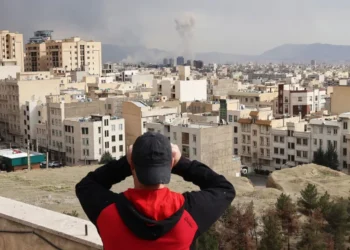 Why the US and Israel attacked Iran
 Israel Launches Fresh Strikes on Tehran & Beirut; US Warns “Hardest Hits” Ahead
 Three Days In, This War’s End Is Still Unclear
 US Has ‘Enough Weapons for Forever War,’ Trump Says
 Israel Strikes Lebanon After Hezbollah Rocket Fire as Iran Conflict Widens
 Israel’s New Airstrikes on Tehran & Beirut After US Embassy in Riyadh Is Hit
 Israel Launches Ground Invasion of Lebanon Amid Widening Middle East War
 Iranian Rockets Are Testing the Resolve of Dubai’s Instagram Stars
 US Embassy in Riyadh Hit by Iranian Drones as Israeli Troops Enter Southern Lebanon
 US Strikes on Iran Triggered by Israel’s Plan to Launch Attack, Rubio Says
 Sixth American Service Member Killed in Iran Operation as Conflict Intensifies
 Trump Rebukes Starmer Over UK Refusal to Back Strikes on Iran
 Trump to Recheck Green Cards from 19 Nations After DC Attack
 Russia losses Ukraine war peace talks intensify amid rising deaths
 Trump Escalates Minnesota Immigration Surge Amid Rising Tensions
 Trump: US Stands Ready to Help Iran Find Freedom Amid Widespread Unrest
 Trump Administration Probe of Fed’s Powell Draws Pushback
 Trump Threatens Strong Action If Iran Executes Protesters
 Trump Receives Machado’s Nobel Medal in White House Meeting
 Greenland Crisis Forces Europe to Draw a Line With Trump
 Iran Cannot Be Bombed Into Democracy, Only Helped There
 Historic Abu Dhabi Talks Bring US, Ukraine and Russia Together
 EU Says US Ties Have Suffered ‘Big Blow’ After Greenland Crisis
 Thousands Protest ICE Operations in Nationwide US Day of Action
 Trump Praises ‘Terrific’ Petro After White House Talks
 Fears of New Arms Race as US-Russia Nuclear Weapons Treaty Expires
 New Nuclear Talks Between US and Iran Begin in Geneva
 ‘He Did It for Us’: US Soldier Recalls Jesse Jackson’s Efforts to Free Him and Two Other POWs
 Iran Says ‘Guiding Principles’ Agreed With US at Nuclear Talks
 Stephen Colbert Says CBS Spiked Interview With Democrat Over FCC Fears
 US Pushes to Recruit Organised Crime Gangs into Gaza Police Force
 US Build-Up of Warships and Fighter Jets Tracked Near Iran
 Billionaire Les Wexner Tells US Lawmakers He Was ‘Naive’ and ‘Conned’ by Epstein
 Ukraine Negotiator Reveals What It Feels Like Facing Russia
 Mandelson Arrested Amid Political Turmoil as Ukraine Marks Four Years of Conflict
 Inside Kyiv’s resolve as conflict nears five‑year mark
 What to Watch for During Trump’s State of the Union Address
 Trump’s Iran airstrikes decision to be guided by Kushner and Witkoff’s advice
 ‘Anyone who runs is shot’: Russian soldiers describe killings of troops who refuse orders
 Ukraine remembers its dead as war enters a fifth year
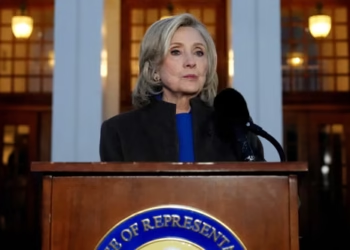 Clinton Testimony Erupts in Fiery Exchange
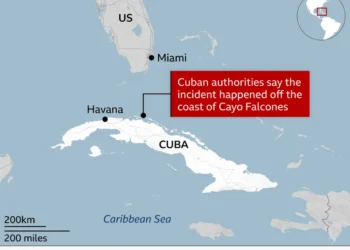 American Citizen Killed in Cuba Boat Shooting, U.S. Officials Say
 Hillary Clinton Tells House Panel She ‘Had No Idea’ of Epstein’s Crimes
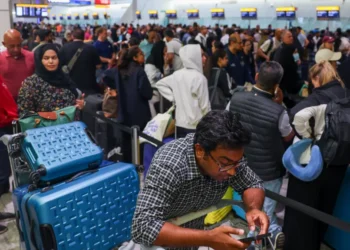 Middle East Flights Halted After Iran Strikes
 Britain’s Position and Trump Vows to Press On in Iran Conflict
 Allies of US in the Gulf Bear Brunt of Iran Attacks
 Trump Faces Questions Over Iran Conflict Plan
 Israeli Attacks Kill 31 in Lebanon, Iran Strikes Across Region, US Warplanes Crash in Kuwait
 In Maps: Strikes Across Iran and the Middle East
 Months of Planning Behind US‑Israeli Mission to Target Iran’s Supreme Leader
 UK Will Allow US to Use Bases to Strike Iranian Missile Sites, PM Says
 What Khamenei’s Death Means for Russia and China
 Tehran Makes New Threat to Gulf Shipping as US Says ‘Hardest Hits’ on Iran ‘Yet to Come’
 Melania Trump Chairs UN Security Council Meeting on Children in Conflict Amid Iran Strikes
 The Third Day of the US‑Israeli War With Iran
 Latest on Middle East Conflict — In Maps: Strikes Across Iran and the Region
 Amazon Says Drones Damaged Three Facilities in UAE and Bahrain
 Man Recalls ‘Terrifying’ Dubai Missile Ordeal During Iran Strikes
 Trump Underestimated the Iranian Regime’s Will to Survive
 U.S. Tells Citizens to Leave Israel Now as Regional Conflict Escalates
 First Wave of Europeans Stranded by Iran Conflict Return Home, With Hundreds of Thousands Still Left in Region
 Civilian Deaths in Iran Pass 700 Amid Fear of Bombs and Regime Clampdown