Published: 05 March 2026. The English Chronicle Desk. The English Chronicle Online.
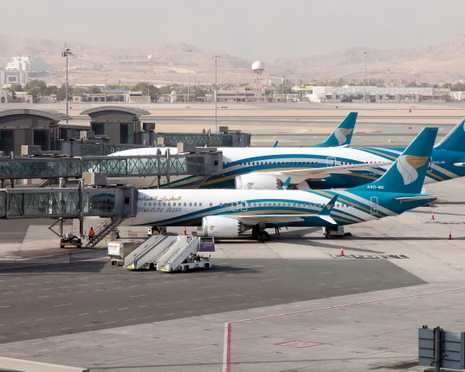
The long-awaited UK rescue flight from the Middle East was delayed overnight, leaving anxious British nationals facing another tense wait. The disruption comes as the Middle East war continues to destabilise travel routes and intensify regional insecurity. Ministers confirmed that the first government-chartered aircraft, due to depart from Muscat, failed to take off on Wednesday evening.
According to Home Office minister Alex Norris, the aircraft was grounded because of operational issues linked to boarding passengers. He explained that the flight could not depart within its allocated time window. As a result, it has been rescheduled to leave on Thursday, although no precise departure time has been announced.
Speaking to LBC, Norris said the delay was purely logistical. He stressed that technical checks had been completed, but boarding arrangements proved challenging under strict regional conditions. The minister added that officials were working around the clock to ensure the flight leaves safely and swiftly.
The government confirmed that approximately 138,000 British nationals have registered for assistance. Of those, around 112,000 are believed to be in the United Arab Emirates. Prime Minister Keir Starmer said about 1,000 people have already managed to return home on commercial services.
Two additional chartered flights are expected to depart the region later this week. Officials say priority will be given to vulnerable individuals and those stranded without immediate alternatives. The unfolding Middle East war has complicated airspace access and disrupted commercial aviation schedules across the Gulf.
The crisis deepened after coordinated strikes by the United States and Israel targeted Iranian facilities last week. Tehran responded with missile and drone attacks aimed at American infrastructure across the region. As a result, major transport hubs have faced intermittent closures and heightened security alerts.
Dubai, one of the world’s busiest transit centres, has felt the strain acutely. The city, part of the United Arab Emirates, is widely known for luxury tourism and high passenger volumes. Iranian retaliatory missiles reportedly struck parts of the emirate over the weekend.
Among the sites affected were the iconic Burj Al Arab and Fairmont The Palm. Damage assessments are ongoing, though authorities insist critical infrastructure remains functional. Dubai International Airport experienced temporary disruption but has since resumed limited operations.
For many Britons, what began as a holiday or brief layover has become an ordeal. The Middle East war has transformed familiar transit points into zones of uncertainty. Travellers en route to Asia found themselves unable to continue journeys or return home.
One of those stranded is Faye Morton from Horsforth in Leeds. She had been travelling to Seoul in South Korea to meet a friend. Instead, she became trapped in Qatar as tensions escalated.
Speaking on BBC Radio Leeds during a breakfast programme hosted by Rima Ahmed, Morton described her distress. She admitted she was struggling emotionally and physically under the strain. Nights have been punctuated by the sound of missiles, she said, shaking her hotel building.
Morton explained that she has barely slept since the violence intensified. She described feeling frightened and isolated in unfamiliar surroundings. Local authorities have advised residents and visitors to shelter in place. As a result, she has remained inside her hotel since arriving.
Qatar itself has not been spared from hostilities. Iranian drones reportedly struck two energy facilities, prompting a suspension of much natural gas production. Qatari officials also claimed to have shot down two Iranian fighter jets earlier this week. The Gulf state historically maintained balanced relations with both Washington and Tehran.
For Morton, uncertainty about evacuation plans has compounded her anxiety. She said she felt abandoned and sought clearer communication from London. Her appeal reflects broader frustration among Britons awaiting details about the UK rescue flight schedule.
While Muscat serves as the departure point, many stranded travellers remain hundreds of miles away. The geographical distance makes independent travel to Oman difficult or impossible. Commercial routes remain patchy and, in some areas, suspended entirely.
Back in Westminster, political debate has intensified over evacuation costs. Some critics argue that taxpayers should not bear the full burden. Many stranded Britons in the Gulf are long-term residents working abroad.
In Parliament, Ed Davey questioned whether so-called tax exiles should contribute more. He argued that those benefiting from British protection ought to support defence funding through taxation. His remarks sparked immediate reaction across political and social media platforms.
Supporters of evacuation efforts counter that citizenship entails a duty of care. They stress that crises demand unity rather than division. Government sources insist assistance decisions are based on safety considerations, not tax status.
The Middle East war has also raised broader questions about diplomatic strategy. Britain has urged de-escalation while coordinating closely with allies. Officials continue to monitor regional airspace and maritime routes.
Security experts warn that retaliatory exchanges could persist for weeks. Insurance costs for airlines have surged dramatically. Carriers are rerouting flights to avoid contested zones.
For families in the UK, the human impact remains paramount. Relatives await news with growing concern. Social media platforms have become lifelines for updates and reassurance.
The Foreign Office has established emergency helplines and digital registration systems. Officials say these tools help prioritise assistance efficiently. However, critics argue communication has been inconsistent.
As Thursday approaches, attention turns again to Muscat. Preparations are reportedly complete for the rescheduled UK rescue flight. Authorities emphasise that passenger safety remains the overriding priority.
The coming days will test logistical resilience and diplomatic coordination. Thousands remain in limbo, watching developments anxiously. For them, each update brings both hope and apprehension.
The Middle East war has reshaped daily realities across a vast region. It has also reminded Britons abroad of their vulnerability during sudden crises. As evacuation efforts continue, the focus remains on safe returns and careful diplomacy.
For now, the promise of departure offers a fragile sense of relief. Families across Britain will be hoping that the delayed UK rescue flight finally takes off without further interruption.
Related News:
 British Woman in Iran ‘Losing Hope’ Amid Ongoing Detention
 BBC Journalist Held and Interrogated in Vietnam
 The diet that can significantly ease symptoms of IBS
 Trump Speaks on Prince Andrew’s Royal Scandal Fallout
 Pregnant UK Teen to Be Freed from Georgian Jail
 Zohran Mamdani becomes New York City’s first Muslim mayor
 Top Christmas Books Reads: Classics to Cozy Romcoms
 UPS Cargo Plane Crash in Kentucky Kills Seven
 Just Stop Oil Protesters Convicted Amid Climate Defence Row
Zohran Mamdani names all-female transition team for NYC mayoralty
Just Stop Oil Protesters Convicted Amid Climate Defence Row
Zohran Mamdani names all-female transition team for NYC mayoralty
 Tension and Turmoil at Aston Villa v Maccabi Match
 British Grandmother to Return Home After Death Sentence in Bali
 Parents Urge Home Office to Reunite Daughter After Hurricane
 Lando Norris Dominates Brazil GP to Strengthen F1 Title Bid
 Second world war veterans honoured as King leads Remembrance Sunday
 BBC director-general and news chief resign amid bias row
 Palace May Restore Hyphen to Andrew Mountbatten-Windsor’s Name
 Ronaldo Confirms Final World Cup and Plans Retirement
 Rama Rebukes Mahmood for Targeting Albanian Families
 Russian Vessel Used Lasers on RAF Pilots, UK Claims
 Royal Navy Shadows Russian Warships Entering the Channel
 Ireland Boosts Ukraine Aid as Zelensky Visits Dublin
 UK and France Agree Troop Deployment Plan for Ukraine
 US Africa aid remarks spark anger after leaked State email
 Starmer China visit raises human rights pressure on Beijing
 UK and EU Signal Fresh Push for Defence Cooperation Talks
 UK New Car Discounts Near £6,000 as Prices Are Slashed
 Cory Bernardi joins One Nation for SA election
 Starmer Condemns ‘Depraved’ Russian Strikes on Ukraine
 Sydney Protest Pepper Spray Clash During Herzog Visit
 Mexico Challenges UK Asylum Decision
 Trump Warns Over Chagos Islands Deal
 NSW Mental Health Crisis: Escapes Spark Alarm
 Trump and Chagos Deal Rift Over Iran Strikes
 Andrew Mountbatten-Windsor Arrest After FBI Radar
 Farage Chagos Islands Row Sparks Fury
 Trump Tariffs Threat Spark UK and EU Alarm
 Mediterranean Storms: A New Era of Climate Tragedies
 UK Allows US Base Use Amid Iran Tensions
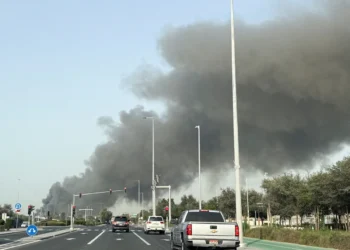 Middle East evacuation plans for Britons
 Iranian Australian community divided after vigils
 Trump rebukes Starmer over Iran strikes
 Trump Rebukes Starmer Over Iran Strikes Row
 US Iran strikes strain special relationship
 Iran War Threatens Globalisation and UK Economy
 Gulf shipping crisis sparks food price fears
 UK Must Act with Courage and Clarity on Israel-Palestine Conflict, Says Foreign Affairs Committee Report
 Reeves Faces Setback as Labour May Miss Homes Target
 Kate Winslet to Narrate Film Highlighting King’s Environmental Mission
 Trump’s UK Ambassador Urges North Sea Drilling to Strengthen US Ties
 UK Bans Fake Numbers: Scammers Lose Their Trick
BBC to Apologise Over Edited Trump Speech Amid Backlash
UK Bans Fake Numbers: Scammers Lose Their Trick
BBC to Apologise Over Edited Trump Speech Amid Backlash
 Millionaires group urge Reeves to introduce wealth tax to ‘lift kids out of poverty’
 Reeves rejects £1bn plea for NHS redundancy payouts
 PM Condemns Leaks, Vows Loyalty to Ministers and Stability
 Greene Pushes Epstein Files Amid Trump Fallout
 Zelenskyy Signs Fighter Jet Deal Amid Russian Drone Attacks
 Shadow Fleet at Sea: Europe’s Battle Against Illicit Oil Shipping
 Inside the Helpline Protecting Missing Children in the UK
 PlayStation PS5 Deals Hit Lowest Prices Ahead of Black Friday
 US Suspends Afghan Immigration After White House Shooting
 Five-Year-Old Dies After Rare Tonsil Surgery Complication
 Starmer Says Labour’s Economic Plan Needs Years to Deliver
 ‘Extinct’ Antelope Returns to Sahara, Bringing Hope
 Children to Receive Home Vaccines as England Acts
 Cambridge College Faces Backlash Over Private School Recruitment
 Bereaved Fathers Gain New Paternity Leave Rights in UK
 Woman Jailed for Life After Killing E-Bike Rider in Tragic Mistaken Identity Case
 Sydney Shark Attack Surge Shocks Australia Beaches
 No Gas Boiler Ban as UK Warm Homes Plan Backs Heat Pumps
 Police response times face strict new national limits
 Devon hosts first high-density hydro power system
 Portugal Election Delivers Socialist Win as Far Right Surges
 Send spending gap leaves deprived areas behind
 Australian Families Leave Syrian Camp for Home
 Civil Service Pay: Union Urges Ministers to End ‘Barking Mad’ Limits
 UK Job Vacancies Hit Five-Year Pandemic Low
 Hilary Knight speaks out on Trump’s recent hockey remarks
 Mother Says ‘I Hugged My Daughter’s Killer’ as They Cried Together in Prison
 Brit ‘in Good Spirits’ Amid Dubai Missile Attacks, Stranded but Safe