Published: 06 March 2026. The English Chronicle Desk. The English Chronicle Online.
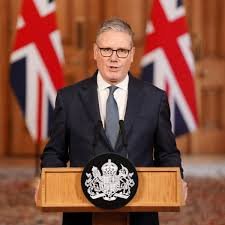
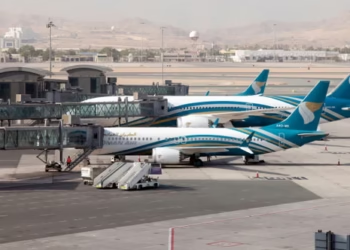
The first delayed UK rescue flight carrying British nationals from the Middle East has finally departed from Oman, marking the start of a large and complex evacuation operation. Officials confirmed the aircraft took off from Muscat shortly before Prime Minister Keir Starmer addressed reporters during a press conference in Downing Street.
The government’s urgent response comes as regional tensions intensify across the Middle East following continued military strikes and security threats. The unfolding situation has raised concerns for thousands of British citizens living or travelling throughout the Gulf region. Ministers say the evacuation effort represents one of the largest emergency operations organised by the United Kingdom in recent decades.
The first UK rescue flight had originally been scheduled to depart from Muscat on Wednesday evening. However, logistical complications and boarding difficulties delayed the operation for several hours. Officials later confirmed the aircraft eventually departed shortly before the prime minister began outlining the government’s evacuation strategy to the public.
Speaking in London, Starmer acknowledged the enormous scale of the operation now underway. He stressed that the mission would take time because of the number of people involved and the unstable regional environment. According to the prime minister, the current evacuation effort is already far larger than the emergency airlift conducted during the 2021 withdrawal from Afghanistan.
Starmer emphasised that the government would continue working around the clock to ensure British citizens reach safety. He told reporters the situation remains complex but assured families the government remains fully committed to the mission. The prime minister said the operation would not stop until every British national requesting assistance has been offered a safe route home.

The launch of the first UK rescue flight comes as international tensions across the Middle East continue to escalate. Recent military activity involving the United States and Israel has triggered widespread security fears throughout the region. Reports indicate missiles and drones have struck multiple locations, raising concerns for civilians and foreign nationals alike.
British officials have been closely monitoring the situation while coordinating evacuation routes for thousands of citizens across neighbouring countries. Emergency planning intensified after the security environment deteriorated rapidly earlier this week. Diplomatic teams have since been working with airlines and regional authorities to organise additional flights.
More than two thousand British citizens have already returned home on emergency flights from the United Arab Emirates. Eight charter flights arrived in the United Kingdom on Wednesday, bringing passengers safely back from the Gulf. Government officials confirmed that at least ten more flights from the UAE are scheduled to operate throughout Thursday.
Despite these developments, many travellers and families have expressed frustration over the pace of the evacuation process. Some British nationals stranded in the region say communication has been limited and information difficult to obtain. Several passengers reported confusion during the boarding process for the delayed flight departing Oman.
One traveller, identified only as Mark, described the experience at Muscat airport as chaotic and poorly organised. He said passengers encountered long waits and struggled to obtain updates while preparing to board the aircraft. According to his account, many travellers remained inside transfer buses for extended periods without clear instructions from staff.
Mark told reporters that check-in arrangements appeared disorganised and information from airline representatives was inconsistent. He added that passengers worried the aircraft might not depart at all after several delays. Although the flight eventually left Oman, the experience highlighted growing concerns among those waiting to leave the region.
Political pressure has also increased within Westminster as lawmakers question how quickly the government can complete the evacuation effort. Critics say the authorities must provide clearer guidance and stronger coordination with citizens seeking assistance abroad. The issue has been debated in parliament as ministers face calls to accelerate rescue operations.
Conservative figures have asked the government to clarify the expected timeline for returning British nationals safely to the United Kingdom. Meanwhile, Labour MP and foreign affairs committee chair Emily Thornberry raised concerns about reports from stranded travellers. She told parliament some constituents in Muscat struggled to identify British consular officials while seeking help at the airport.
Government ministers acknowledge that communication challenges remain a significant issue during such large operations. They insist consular staff are working continuously across airports and regional hubs to assist passengers. However, officials admit the scale of demand has placed enormous pressure on diplomatic teams stationed throughout the Gulf.
Additional flights may soon improve capacity for the evacuation process. The airline British Airways has announced plans to operate a fourth daily service between Muscat and London Heathrow. The route does not normally form part of the airline’s regular schedule but has been introduced temporarily to assist with the emergency operation.
The additional service is scheduled to depart Oman late on Saturday evening and travel directly to London. Officials hope the expanded schedule will provide more opportunities for stranded citizens to return home quickly. Commercial flights are expected to play an important role alongside government-organised charters during the evacuation.
According to figures released in parliament, more than 140,000 British nationals have registered their presence in the Middle East with the government. Registration is voluntary but allows authorities to contact citizens quickly during emergencies. Officials say most registrations currently come from residents and workers based in Gulf states.
Of that number, more than 100,000 British citizens are believed to be living in the United Arab Emirates. Thousands more live across neighbouring countries including Oman, Qatar, and Bahrain. The registration system enables the Foreign Office to prioritise evacuation support based on location and vulnerability.
Foreign Office minister Hamish Falconer told parliament the operation represents a logistical challenge rarely seen outside global crises. Drawing on his experience as a former diplomat, Falconer described the situation as a consular emergency on a scale not witnessed since the COVID-19 pandemic disrupted international travel.
Falconer emphasised that government officials must be transparent about the difficulties involved in organising such a large evacuation. Transport capacity, security restrictions, and airport conditions all affect the speed of operations. He explained that authorities must balance safety considerations with the urgency of returning citizens home.

The minister also confirmed that British nationals in Oman will receive notifications as additional flights become available. Those eligible for government-organised transport will be contacted directly through official communication channels. Vulnerable individuals, including elderly travellers and families with young children, are being prioritised for seats.
Passengers offered places on government flights will normally be asked to contribute towards the cost of their journey. Officials say this approach mirrors previous evacuation programmes organised by the United Kingdom. However, authorities confirmed that urgent cases may receive special support where necessary.
Home Office minister Alex Norris later explained the cause of the delay affecting the first UK rescue flight. Speaking during a radio interview, Norris said the aircraft’s departure was postponed due to difficulties managing the boarding process. Airport congestion and passenger processing issues slowed the operation significantly.
Despite these obstacles, the government insists the evacuation effort is progressing steadily. Officials continue to coordinate with airlines, regional governments, and security agencies to expand available routes. Each additional flight increases the number of passengers able to leave the region safely.
For many British families waiting anxiously at home, the successful departure of the first UK rescue flight offers reassurance that the evacuation plan is finally moving forward. Authorities say the coming days will prove critical as more aircraft operate across the Gulf.
Ministers stress that patience and cooperation remain essential while the operation continues to develop. They believe the coordinated response will eventually allow thousands of citizens to return home safely. Until then, officials say every available resource will remain focused on bringing British nationals back to the United Kingdom.
Related News:
 British Woman in Iran ‘Losing Hope’ Amid Ongoing Detention
 BBC Journalist Held and Interrogated in Vietnam
 The diet that can significantly ease symptoms of IBS
 Trump Speaks on Prince Andrew’s Royal Scandal Fallout
 Pregnant UK Teen to Be Freed from Georgian Jail
 Zohran Mamdani becomes New York City’s first Muslim mayor
 Top Christmas Books Reads: Classics to Cozy Romcoms
 UPS Cargo Plane Crash in Kentucky Kills Seven
 Just Stop Oil Protesters Convicted Amid Climate Defence Row
Zohran Mamdani names all-female transition team for NYC mayoralty
Just Stop Oil Protesters Convicted Amid Climate Defence Row
Zohran Mamdani names all-female transition team for NYC mayoralty
 Tension and Turmoil at Aston Villa v Maccabi Match
 British Grandmother to Return Home After Death Sentence in Bali
 Parents Urge Home Office to Reunite Daughter After Hurricane
 Lando Norris Dominates Brazil GP to Strengthen F1 Title Bid
 Second world war veterans honoured as King leads Remembrance Sunday
 BBC director-general and news chief resign amid bias row
 Palace May Restore Hyphen to Andrew Mountbatten-Windsor’s Name
 Ronaldo Confirms Final World Cup and Plans Retirement
 Rama Rebukes Mahmood for Targeting Albanian Families
 Russian Vessel Used Lasers on RAF Pilots, UK Claims
 Royal Navy Shadows Russian Warships Entering the Channel
 Ireland Boosts Ukraine Aid as Zelensky Visits Dublin
 UK and France Agree Troop Deployment Plan for Ukraine
 US Africa aid remarks spark anger after leaked State email
 Starmer China visit raises human rights pressure on Beijing
 UK and EU Signal Fresh Push for Defence Cooperation Talks
 UK New Car Discounts Near £6,000 as Prices Are Slashed
 Cory Bernardi joins One Nation for SA election
 Starmer Condemns ‘Depraved’ Russian Strikes on Ukraine
 Sydney Protest Pepper Spray Clash During Herzog Visit
 Mexico Challenges UK Asylum Decision
 Trump Warns Over Chagos Islands Deal
 NSW Mental Health Crisis: Escapes Spark Alarm
 Trump and Chagos Deal Rift Over Iran Strikes
 Andrew Mountbatten-Windsor Arrest After FBI Radar
 Farage Chagos Islands Row Sparks Fury
 Trump Tariffs Threat Spark UK and EU Alarm
 Mediterranean Storms: A New Era of Climate Tragedies
 UK Allows US Base Use Amid Iran Tensions
 Middle East evacuation plans for Britons
 Iranian Australian community divided after vigils
 Trump rebukes Starmer over Iran strikes
 Trump Rebukes Starmer Over Iran Strikes Row
 US Iran strikes strain special relationship
 Iran War Threatens Globalisation and UK Economy
 Gulf shipping crisis sparks food price fears
 UK Rescue Flight Delayed Amid Middle East War
 UK Must Act with Courage and Clarity on Israel-Palestine Conflict, Says Foreign Affairs Committee Report
 Reeves Faces Setback as Labour May Miss Homes Target
 Kate Winslet to Narrate Film Highlighting King’s Environmental Mission
 Trump’s UK Ambassador Urges North Sea Drilling to Strengthen US Ties
 UK Bans Fake Numbers: Scammers Lose Their Trick
BBC to Apologise Over Edited Trump Speech Amid Backlash
UK Bans Fake Numbers: Scammers Lose Their Trick
BBC to Apologise Over Edited Trump Speech Amid Backlash
 Millionaires group urge Reeves to introduce wealth tax to ‘lift kids out of poverty’
 Reeves rejects £1bn plea for NHS redundancy payouts
 PM Condemns Leaks, Vows Loyalty to Ministers and Stability
 Greene Pushes Epstein Files Amid Trump Fallout
 Zelenskyy Signs Fighter Jet Deal Amid Russian Drone Attacks
 Shadow Fleet at Sea: Europe’s Battle Against Illicit Oil Shipping
 Inside the Helpline Protecting Missing Children in the UK
 PlayStation PS5 Deals Hit Lowest Prices Ahead of Black Friday
 US Suspends Afghan Immigration After White House Shooting
 Five-Year-Old Dies After Rare Tonsil Surgery Complication
 Starmer Says Labour’s Economic Plan Needs Years to Deliver
 ‘Extinct’ Antelope Returns to Sahara, Bringing Hope
 Children to Receive Home Vaccines as England Acts
 Cambridge College Faces Backlash Over Private School Recruitment
 Bereaved Fathers Gain New Paternity Leave Rights in UK
 Portugal Election Delivers Socialist Win as Far Right Surges
 Send spending gap leaves deprived areas behind
 Australian Families Leave Syrian Camp for Home
 Civil Service Pay: Union Urges Ministers to End ‘Barking Mad’ Limits
 UK Job Vacancies Hit Five-Year Pandemic Low
 UK Youth Unemployment Surges Amid Tax Changes
 Half of Britons Avoid GP When Ill, Survey Reveals Growing Concern
 Russian Trade Routed Through British Islands Exposed
 Hilary Knight speaks out on Trump’s recent hockey remarks
 Mother Says ‘I Hugged My Daughter’s Killer’ as They Cried Together in Prison
 Brit ‘in Good Spirits’ Amid Dubai Missile Attacks, Stranded but Safe
 Penny Wong silent on Australian crew in sub strike