Published: March 6, 2026
The English Chronicle Desk
The English Chronicle Online — delivering comprehensive, up-to-date global reporting.
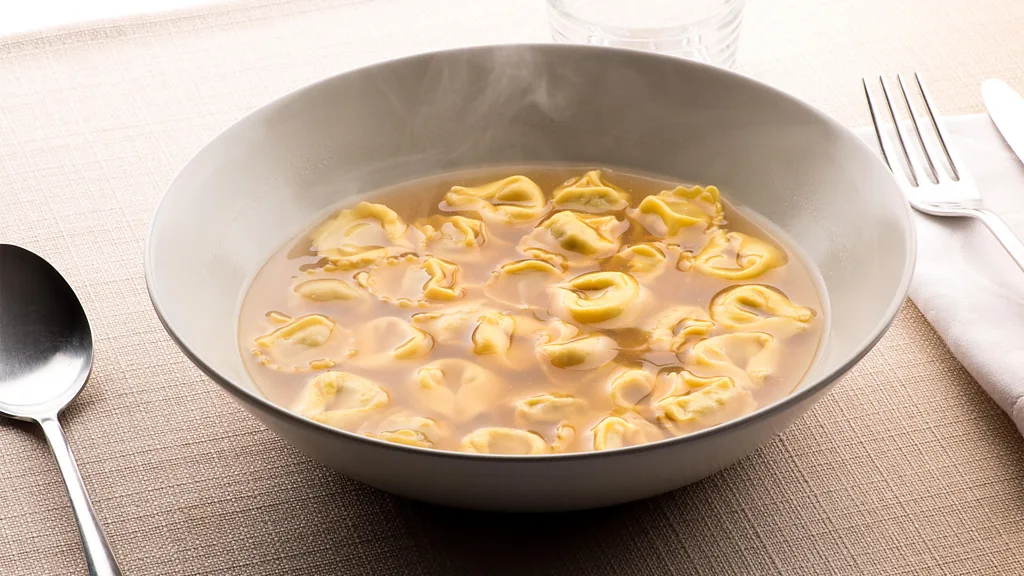
Across the globe, from bustling Asian kitchens to rural European homes, every culture seems to have its own version of a healing broth. Often simmered for hours with meats, vegetables, herbs, and spices, these nourishing liquids are more than comfort food; they are a centuries-old remedy designed to restore strength, boost immunity, and soothe the body and mind.

In East Asia, traditional chicken or herbal broths are prized for their restorative properties. In China, bone broths infused with ginseng, ginger, and medicinal herbs are believed to balance internal energy, reduce inflammation, and support recovery from illness. Japan’s miso-based soups and Korean samgyetang, a chicken soup with ginseng and garlic, serve similar roles in fortifying the body and promoting well-being.
Europe offers its own healing broths. French bouillons, Italian brodo, and Eastern European chicken soups have long been staples for convalescence, often passed down through generations as remedies for colds, flu, and general fatigue. The combination of protein, minerals, and slow-cooked flavors provides both physical and psychological comfort.
In Africa and the Middle East, broths incorporate local herbs and spices, such as fenugreek, turmeric, and cardamom, believed to aid digestion, reduce fevers, and support immunity. Indigenous cultures in the Americas have used meat, fish, and plant-based broths for centuries, combining local ingredients with spiritual and medicinal practices to heal both body and soul.
Nutritionists explain that the efficacy of broths comes from their nutrient density and hydration benefits. Long-simmered broths release amino acids, collagen, and minerals that support joint health, gut integrity, and recovery from illness. Warm liquids also aid circulation, soothe sore throats, and can help regulate body temperature, making them ideal for recovery.
Beyond physical benefits, broths carry deep cultural and emotional significance. They are often associated with care, family, and tradition. Sharing a steaming bowl of broth can foster connection, alleviate stress, and create a sense of safety, which itself supports healing.
Even modern medicine has begun to acknowledge the potential benefits of broths, with research highlighting the anti-inflammatory properties of certain ingredients and the role of hydration in recovery. While not a substitute for medical treatment, healing broths remain a simple, accessible, and culturally resonant method to support the body during illness.

In essence, the ubiquity of healing broths underscores a universal truth: across continents and centuries, humans have recognized the profound impact of warm, nourishing liquids in restoring health and vitality. Whether passed down through family recipes or traditional medicine, these broths reflect the shared human desire to care for the body and spirit through food.
Related News:
 Vegetarian Diet Linked to Lower Risk of Several Cancers
 Should We Be Eating Three Meals a Day? Experts Rethink Traditional Meal Patterns
 Illegal Skin Lightening Cream Being Sold in UK Butchers, Watchdog Warns
 Adoption Breakdown Ended My Career and Relationship – ‘We’re Told to Get On With It’
 Singapore Offers to Set Up Single Americans with ‘Epic’ First Dates – There’s Just One Catch
 Revealed: The Billions Given to Charity by Ordinary Indians Every Year
 Mind Launches Inquiry into AI and Mental Health After Guardian Investigation
 Mystery GP on Train Saves Passenger’s Life
 ‘A Disgrace’ — Patient Blasts Neurology Report
 We Thought Gen Z Was Flocking to Church — The Truth Is More Complicated
 Germany’s Fairy Tale Route: The Real Places Behind the Grimm Stories
 Gaming Helps Woman Cope with Rare Health Condition
 Toddlers in Finland Lead the Fight to Save Sámi Language
 The Surprising Power of Daily Rituals
 Karen Gillan Reveals What She Misses Most About Scotland’s Food and People
 ‘We Pray for Peace’: Indian Filmmaker From Troubled State Who Won a BAFTA
 BBC Apologises After Racial Slur Aired at BAFTAs by Guest With Tourette’s
 Inside Atlanta’s Soul Food Revolution
 Man discovers £18k trading card stash in his loft
 Taking Collagen Keeps Skin More Elastic But Won’t Stop Wrinkles, Say Scientists
 Parents of Gravely Ill Child Refused Respite Care
 ‘I Almost Died After a Touch‑and‑Go C‑Section’
 ‘It’s Joy in a Pot’: Why Houseplants Could Make You Happier
 After Decades of Decline, Why Welsh Male Voice Choirs Are Back
 Water Cremation Introduced in UK First
 I Met the Man Who Murdered My Identical Twin. What He Told Me Brought Me Peace
 GPs Losing a Day of Appointments to No‑Shows Each Month
 Allergy Training to Become Compulsory in Schools in England
 Scots Firefighter Cycles 800 Miles for MND Charity
 Woman, 29, ‘Chucked’ Into Care Home 100 Miles Away
 Concerns Mount Over Accuracy of At-Home Health Tests as Study Calls for Stricter Regulation
 The Ketamine Crisis in the UK is a Silent Epidemic Leaving Users with Lifelong Pain
 Rugby Confronts Safety Concerns with Smart Mouthguards at Women’s World Cup
 NHS Launches Free Flu Vaccine Drive as Millions Urged to Get Protected
 British Pilot Joins Crew Training for Year-Long Mars Simulation Mission
 Systemic Racism in Maternity Care Continues to Endanger Black Women in England, MPs Warn
 One in Three GPs in England Do Not Work in NHS, Raising Concerns Over Access to Care
 UK Health Officials Monitor New ‘Stratus’ Covid Variant Amid Rising Cases
 Questions Remain as Rugby Legend Lewis Moody Faces Motor Neurone Disease Diagnosis
 Sir Michael Caine Urges Starmer to End Smacking in England
 M&S and Morrisons Lead Christmas Supermarket Taste Test
 New Prostate Cancer Drug Set to Halve Death Risk in England
 Patients to Test Health at Home to Ease NHS Winter Pressure
 Shouting Works Best to Deter Gulls, UK Study Finds
 Reeves rejects £1bn plea for NHS redundancy payouts
 Senator John Fetterman Hospitalized After Fall from Heart Flare-Up, Keeps Sense of Humor
 New AI tool could cut wasted efforts in organ transplants
 Stroke Patient Mistaken for Drunk, Care Delayed
 Five-Year-Old Dies After Rare Tonsil Surgery Complication
 More Patients Now Contacting GPs Online, Data Shows
 Energy Drinks Linked to Rising Heart and Stroke Risks
 Damien Martyn in Induced Coma After Meningitis Diagnosis
 Children to Receive Home Vaccines as England Acts
 Childhood Hypertension Sparks Urgent UK Testing Calls
 Local Fish Could Boost UK Health and Economy Significantly
 NHS Violence Crisis: Staff Face Daily Assaults
 Celebrity Campaign Highlights SMA Screening Failures
 AI breast screening cuts later cancer diagnoses by 12%, study finds
 Pneumonia Surge Pushes England Emergency Cases Higher
 South Africa’s Garden Route Gem Faces Looming Water Crisis
 Labour Utterly Humiliated by Straight-Talking Mum Who Cut Through Keir Starmer’s Insanity
 Most Statin Side-Effects Are Not Caused by Drugs, Study Confirms
 Headline: Measles Alert: Dr Oz Urges Americans to Vaccinate
 Renters Furious as Decent Homes Standard Delayed Until 2035
 Motorists Could Face ‘Mandatory’ Driving Ban for Road Offences Under Tougher Laws
 US Civil Rights Leader Jesse Jackson Dies Aged 84
 Snow and Rain Warnings as Cold Snap Continues in the UK
 UK MPs Demand Ban on Brazilian Butt Lifts
 NHS Urges Nine Million People to Get Therapy
 Epstein Eyed Record Label Investment to Access Women, Files Suggest
 ‘Don’t Make Us Security Guards,’ Says Teacher Stabbed by Pupil
 Drugs, Denial, Stigma: Fiji’s HIV Crisis Hits Children
 Louvre Museum Director Resigns Months After High‑Profile Heist
 Half of Britons Avoid GP When Ill, Survey Reveals Growing Concern
‘I Wanted to Save Her Life’ — The Moment Twin Sisters Learned They Were Identical
Half of Britons Avoid GP When Ill, Survey Reveals Growing Concern
‘I Wanted to Save Her Life’ — The Moment Twin Sisters Learned They Were Identical
 Christina Applegate shares the harsh reality of her daily life
 Tracey Emin Says My Bed Would Be ‘Tidy, Clean and Boring’ If Made Today
 Souped‑Up Warhol Exhibition Pops Into City With New Works
 Calls Grow to Remove Billboard Following Lyra McKee Graffiti
 ‘Every Day Feels Like a Month’: Iranians Describe Life Under ‘Constant’ US‑Israeli Strikes