Published: March 7, 2026
The English Chronicle Desk
The English Chronicle Online — delivering comprehensive, up‑to‑date global reporting.
Dame Emily Thornberry, chair of the UK Parliament’s Foreign Affairs Committee, has called on the British government to uphold international law in its response to the ongoing conflict involving Iran, warning that legal obligations should shape London’s diplomatic and military decisions as regional tensions escalate.

In a recent interview, Thornberry criticised the United States and Israel’s military strikes on Iran, suggesting that the actions may not meet the legal standards recognised under established international law. She argued that the UK should take a more principled stance and “call out” violations rather than implicitly condoning them through political alignment or logistical support. Thornberry’s comments come amid broader debate in Westminster about Britain’s role in the conflict and the legal basis for any participation or support.
Speaking on LBC radio, Thornberry highlighted concerns that the UK’s significant military presence in the Middle East — including forces stationed in Gulf states — could draw the country into hostilities without clear legal justification. She emphasised that defensive deployment and protection of British nationals must remain lawful and accountable to international norms.
The remarks underscore ongoing tensions within UK politics over how to balance strategic alliances — particularly with the United States — against obligations under international law, including the UN Charter, which restricts the use of force except in self‑defence or with Security Council approval. Thornberry’s position resonates with critics who fear that the UK could be implicated in actions lacking a solid legal basis, potentially setting a dangerous precedent for future military interventions.
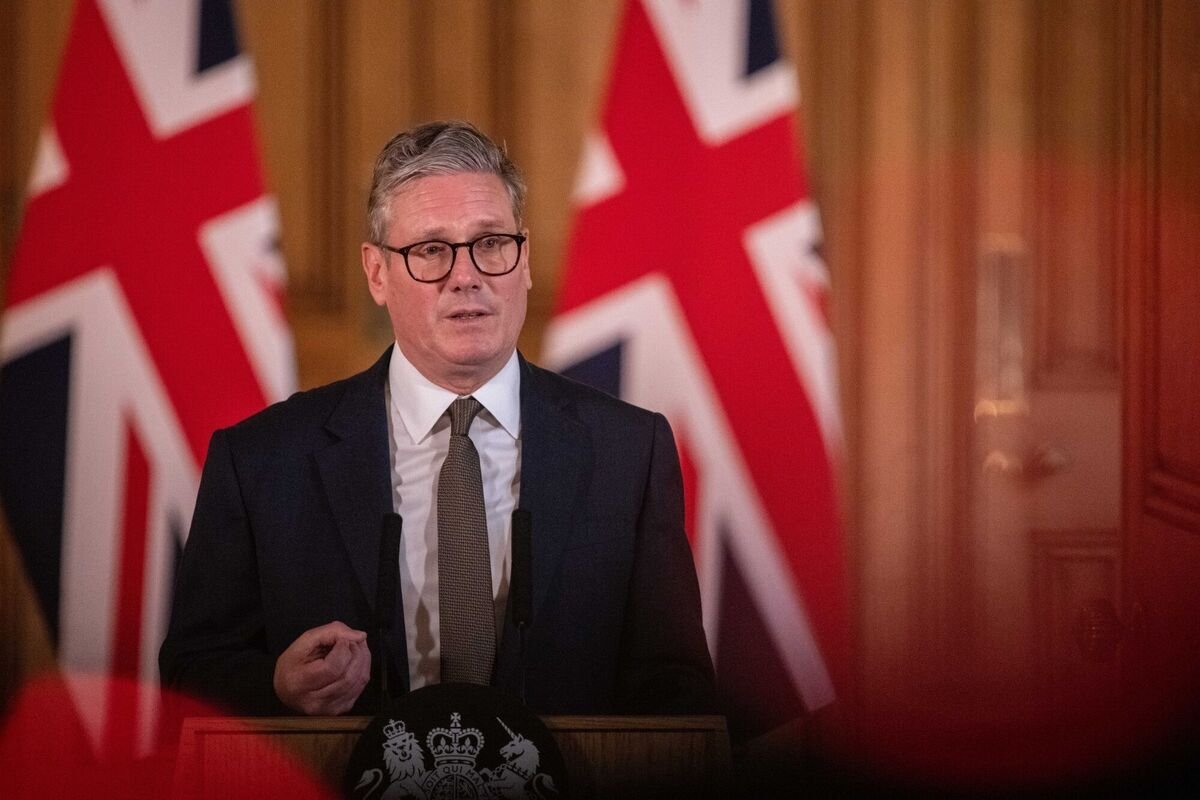
Prime Minister Sir Keir Starmer has sought to navigate these pressures by insisting that any British involvement in the region has a lawful basis and is focused on defensive measures, particularly after Iranian missile and drone attacks on UK personnel and allied partners. Starmer has repeatedly stressed that the government will not commit UK forces to offensive action without both legal justification and clear strategic objectives.
Thornberry’s comments also reflect broader parliamentary concern about transparency in the government’s legal assessments. Opposition MPs and backbenchers have urged ministers to publish the legal advice underpinning decisions on involvement or support for operations in the Middle East, arguing that public debate should be informed by clear, documented reasoning rather than political rhetoric alone.
Her critique comes at a time when the UK is actively planning the evacuation of British nationals from conflict zones and reassessing force postures in the Gulf, raising complex questions about how best to protect citizens while remaining consistent with international legal frameworks.

International law experts note that adherence to legal norms is not only a moral imperative but also a strategic necessity, helping to maintain diplomatic credibility and prevent escalation. They say that ambiguous legal justification for military action can undermine global governance mechanisms and embolden states to act unilaterally.
As the conflict around Iran continues, Thornberry’s call for strict observance of international law adds weight to ongoing parliamentary scrutiny and highlights the legal and ethical complexities facing the UK government in a rapidly evolving geopolitical landscape.
Related News:
 Ministers Accused of Defamation Over Palestine Action Ban and Mass Arrests
 Charlie Kirk Killing Used to Mobilise UK’s Largest Far-Right Rally in Decades
 Jailed Georgian Opposition Leaders Warn UK of Iranian Links to Ruling Party
 Shabana Mahmood Warns Border Failings Are Eroding Trust in States
 Johnson Approved China’s London ‘Super-Embassy’ in 2018
 UK and EU Signal Fresh Push for Defence Cooperation Talks
 Emails Show Epstein Funded Mandelson’s Husband After Jail
 How Much Could Andrew’s Arrest Hurt the Royal Family?
 Trump Administration Dismisses 17 Immigration Judges, Sparking Debate Over Judicial Independence
 UK Must Act with Courage and Clarity on Israel-Palestine Conflict, Says Foreign Affairs Committee Report
 Tasers Introduced in UK Prisons to Combat Rising Violence and Protect Staff
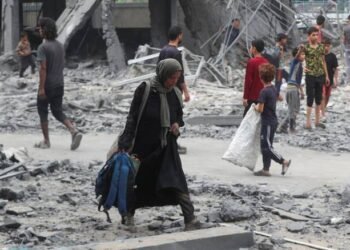 MPs Call on UK Government to Delay Biometric Visa Checks for Gaza Students Amid Humanitarian Crisis
 Radioactive Leak at UK’s Nuclear Warhead Base Sparks Outcry Over Safety and Secrecy
 Mutual Inconvenience: Why Alaska Was Chosen for the Trump-Putin Summit on Ukraine
 Police Advised to Disclose Ethnicity of Suspects in High-Profile Cases
 Is the UK Ready to Put Boots on the Ground in Ukraine? Assessing Military Capacity and Challenges
 Angela Rayner Faces Scrutiny as Stamp Duty Row Deepens
 Tanni Grey-Thompson Faces Abuse Over Opposition to Assisted Dying Bill
 Protests Expected as Israeli Arms Firms Join Global Defence Trade Fair in London
 First “One In, One Out” Deportation Flight Departs Without Migrants Amid Legal Challenges
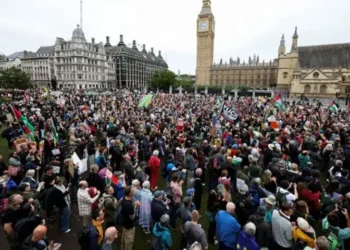 Thousands Gather in London to Protest Donald Trump’s Second UK State Visit
 Trump Urges UK to “Call Out the Military” to Secure Borders Amid State Visit
 Corbyn and Sultana Clash Over Membership Portal as Divisions Surface in New Leftwing Party
 Mahmood Pledges Reform of Modern Slavery Laws After Court Blocks Deportation Appeal
Trump’s UN Speech Criticises London and UK Policies, Draws Far-Right Attention
Mahmood Pledges Reform of Modern Slavery Laws After Court Blocks Deportation Appeal
Trump’s UN Speech Criticises London and UK Policies, Draws Far-Right Attention
 UK Fighter Jet Purchase Could Breach Nuclear Treaty, Warns CND
 Migrants in UK May Need to Contribute or Face Removal, Home Secretary Signals
 A Third of EU Citizens in UK Report Discrimination by Public Bodies Post-Brexit
 Russia repeatedly targets UK military satellites, warns Space Command chief
 Pro-Palestine March to Proceed in London Despite Calls to Cancel After Manchester Attack
 Digital ID Plans Ignite Debate Over £600m Treasury Tax Boost and Privacy Concerns
 Public Trust in SNP Hits Historic Low Amid NHS Concerns
 Johnson Suggests Mandelson Linked to China Spy Controversy
 Witness statements reveal the CPS China spy row collapse in the UK
 Nigel Farage Calls Vladimir Putin ‘A Very Bad Dude’
 Rachel Reeves signals welfare reform ahead of key budget
 Kosovo agrees to host Britain’s refused asylum seekers
 Lucy Powell urged ministers to reconsider costly legal case for Labour donor’s firm
 British Woman in Iran ‘Losing Hope’ Amid Ongoing Detention
 BBC Journalist Held and Interrogated in Vietnam
 French Taxi Driver Cleared in David Lammy Theft Case After Fare Dispute
 Just Stop Oil Protesters Convicted Amid Climate Defence Row
 Trump Urges Herzog to Grant Netanyahu Full Pardon
 New review urges UK to repatriate Shamima Begum, others from Syria
 Major Rent Reform Ends No-Fault Evictions in England
 Peers Flood Assisted Dying Bill with 942 Amendments
 US Justice Department Files Lawsuit Against California Over Partisan Voting Maps
 Trump Deploys DHS to Charlotte in Major Arrest Operation
 UK Asylum Overhaul Sparks Debate Over Human Rights and Deportations
 UK Asylum Reforms: Temporary Refugee Status and Faster Deportations
 Mahmood Defends Tough Overhaul of UK Asylum System
 Westminster Advances Legacy Bill Amid Criticism
 Rama Rebukes Mahmood for Targeting Albanian Families
 Peers Get Extra Time to Debate Assisted Dying Bill
 Chinese & Japanese Boats Clash Near Disputed Islands
 Plans to Limit Jury Trials Face Retreat After Mounting Opposition
 Starmer tariffs stance rejects US trade retaliation
 Starmer China visit raises human rights pressure on Beijing
 Police Probe Mandelson Over Alleged Epstein Leak
 Starmer Weighs Fast-Tracking Defence Boost
 Last‑ditch Call to Save Police Front Counters in London
 Dual Nationals Face Scramble for UK Passports as New Rules Come Into Force
 Nine Arrested in France Over Death of Far‑Right Student
 Civil Service Pay: Union Urges Ministers to End ‘Barking Mad’ Limits
 Trump and Chagos Deal Rift Over Iran Strikes
 Andrew Mountbatten-Windsor Arrest After FBI Radar
 UK Has Not Given US Permission to Use RAF Bases for Iran Strikes
 Australian PM Says Former Prince Andrew Has Suffered ‘Extraordinary Fall’ but That Won’t Prompt Republic Referendum
 Farage Chagos Islands Row Sparks Fury
 Trump Tariffs Threat Spark UK and EU Alarm
 New Zealand Backs Removing Andrew From Royal Line of Succession
 Starmer Speaks to Trump After UK Joins Defensive Operation
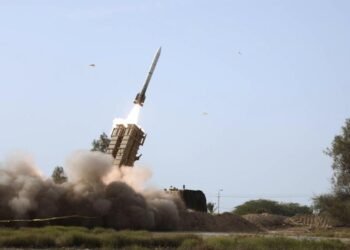 UK Will Allow US to Use Bases to Strike Iranian Missile Sites, PM Says
 Cooper: Joining US Strikes on Iran ‘Not in Britain’s Interest’
 Sarwar Rejects Father’s Tribute to Iran’s Supreme Leader
 Trump Rebukes Starmer Over Iran Strikes Row
 US Senate Vote Fails to Rein in Trump War Powers on Iran
 Labour MP’s Partner Arrested on Suspicion of Spying for China
 Manchester Students Mourn Ayatollah Amid Protest
 Police Scotland Pays £8m Compensation to Staff