Published: March 13, 2026
The English Chronicle Desk. The English Chronicle Online
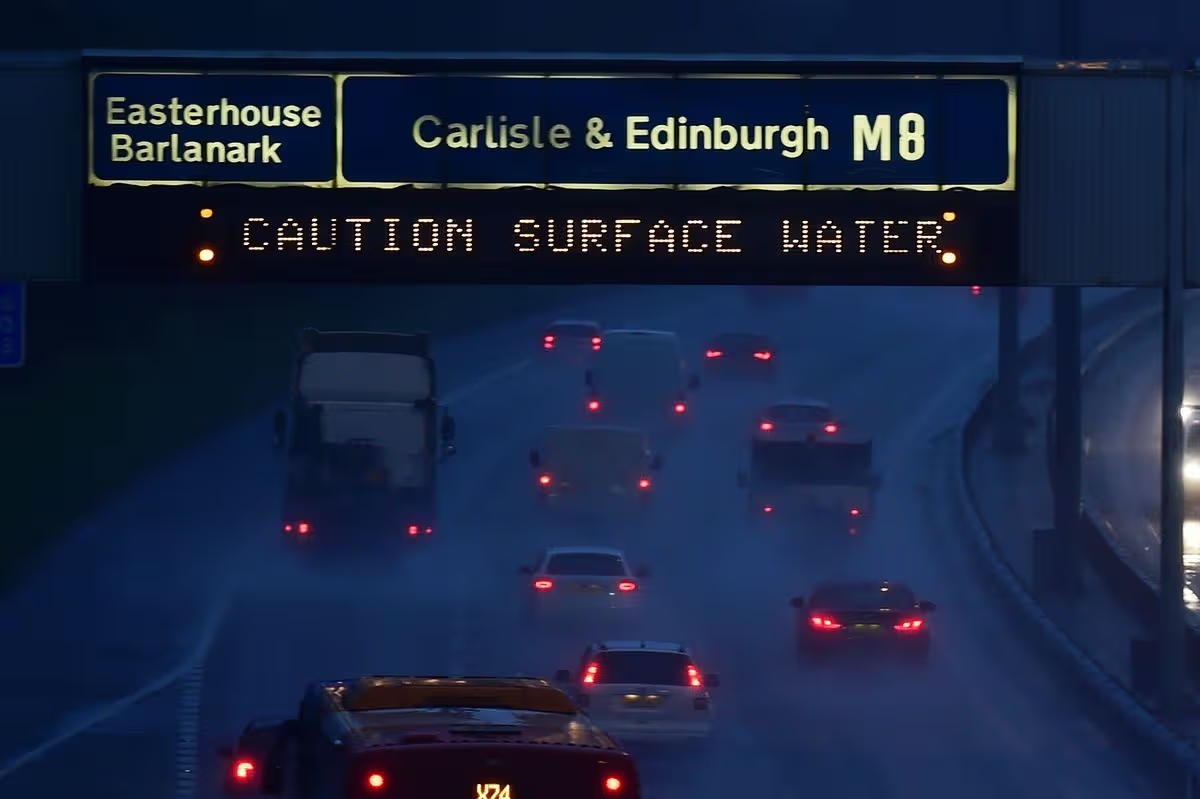
Severe weather brought widespread travel disruption across central and southern Scotland on Friday as 70 mph gales battered the region, leading to closures and delays on major road and rail networks.

Strong winds and heavy rain affected journeys on the M8 and M74 motorways, key arteries linking Glasgow, Edinburgh and the English border. High‑sided vehicles were advised to avoid exposed sections of the motorway, while debris and fallen signage caused lane closures and lengthy tailbacks during peak travel periods.
Traffic Scotland confirmed that multiple incidents — including overturned signage and stranded vehicles — forced temporary closures on both motorways at points between Glasgow and Hamilton. Recovery teams were deployed throughout the day, but strong gusts and standing water on carriageways slowed operations, prolonging delays for commuters and freight drivers.
Rail services were also hit by the storm conditions. ScotRail and other operators reported cancellations and temporary suspensions across lines affected by high winds, particularly on routes between Glasgow and Edinburgh and services heading south. Network officials cited safety concerns over trackside equipment and the risk of debris on lines as reasons for unacceptable running conditions.
Passengers faced lengthy waits at stations as rail staff worked to revise timetables and provide alternative travel advice. Some services were restored by late afternoon, but officials warned that further cancellations were likely as gusts continued through the evening.
Weather warnings issued by the Met Office had anticipated the gale‑force conditions, prompting safety alerts for coastal and exposed inland areas. Local authorities also reminded drivers to adjust their journeys, use headlights in poor visibility, and avoid unnecessary travel until conditions improved.
Commuters reported frustration as journey times doubled on affected motorway sections. Road users shared footage on social media showing vehicles buffeted by wind and spray on elevated sections of the M8. Several haulage drivers chose to stop in laybys until conditions eased, prioritising safety amid the ferocious gusts.
Emergency services urged caution, noting that even experienced drivers can lose control in high winds — especially when passing larger vehicles or on open stretches of road. Police Scotland reiterated the importance of appropriate speed and increased following distances under severe conditions.
Local bus services also experienced knock‑on disruption as fleets contended with delayed feeder trains and blocked road links. In some rural areas, fallen trees and flooding of minor routes compounded travel challenges, leaving communities cut off until clearance teams arrived.
Transport officials said they were reviewing the impact of the weather on both road and rail networks, and would issue updated travel guidance once conditions eased. Motorists were advised to check Traffic Scotland updates before setting out, while rail passengers were directed to operator websites for the latest timetable information.

The storm highlights the vulnerability of critical transport infrastructure to extreme weather events — a challenge that authorities say is increasingly urgent in the context of climate variability. For travellers and commuters in the affected regions, the message remains the same: plan ahead, allow extra time, and prioritise safety when conditions are severe.
Related News:
 UP IN FLAMES: Huge Blaze Rips Through Odeon Cinema, Students Evacuated
 Royal Mail Blames Poor Weather and Sickness for Delayed Deliveries
 Snow and Rain Warnings as Cold Snap Continues in the UK
 Flooding May Worsen Before It Improves as More Rain Forecast for the UK
 Break from Wintry Weather as UK Temperatures to Climb to 14 °C
 Why There’s No Quick Fix in Sight for the Problem of Dazzling Headlights
 Storm Hernando: Edinburgh Airport Flights Cancelled in US Travel Chaos
 ‘Mountain Rescue Gives Incredible Satisfaction’
 Spring‑Like Warmth to Peak on Wednesday with 18 °C Forecast
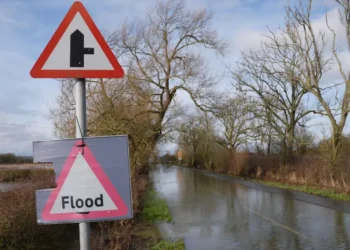 UK Winter Nowhere Near a Record Breaker Despite Floods and Storms
 UK Records Warmest Day of the Year as Temperatures Exceed 18 °C
 Residents Say Hostility and Car Damage Now Routine Amid Birmingham’s Parking Chaos
 Courier Firm Bust After 14 Years as Evri Deliveries Face ‘Temporary Disruption’
 Labour Utterly Humiliated by Straight-Talking Mum Who Cut Through Keir Starmer’s Insanity
 Royal Family LIVE: ‘Pariah’ Andrew Mountbatten-Windsor Sparks Fresh Revolt Among Staff
 GMB Issues Bombshell Andrew Update Minutes Into Show as Furious Viewers ‘Switch Off’
 Tributes to Hospital’s First Black Ward Sister
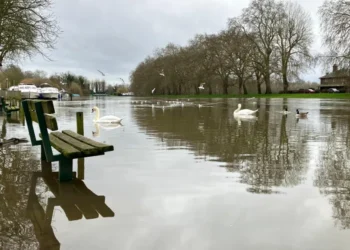 Dozens of Flood Warnings in England After Days of Non-Stop Rain
 Renters Furious as Decent Homes Standard Delayed Until 2035
 The Victorian aristocrat who became Britain’s first Muslim lord
 FLOOD TRAGEDY: Man Dies After Entering Floodwater During Police Chase
 Motorists Could Face ‘Mandatory’ Driving Ban for Road Offences Under Tougher Laws
 Disability and LGBT Hate Crimes Set to Become Aggravated Offences
 Teacher Who Lied About Cambridge Degree Banned From Profession
 Illegal Skin Lightening Cream Being Sold in UK Butchers, Watchdog Warns
 Last‑ditch Call to Save Police Front Counters in London
 Deaf Woman Killed After Night Out With Strangers, Court Hears
 Jet2 Hands Passengers Life Ban After Mid‑Air Brawl
 Sharron Davies Blames ‘Poor’ Motorway Sign for Speeding
 Dad Found in Bed with Daughter 16 Years After Abandoning Her as a Child
 Store at Famous Shopping Village to Close After 18 Years Due to Rising Costs
 I Confronted a Mugger with an 18-Inch Machete in London – No Wonder Tom Cruise is Leaving
Tesco Announces New Rule for Customer Parking Spaces – ‘We Need These Everywhere!’
I Confronted a Mugger with an 18-Inch Machete in London – No Wonder Tom Cruise is Leaving
Tesco Announces New Rule for Customer Parking Spaces – ‘We Need These Everywhere!’
 ‘Don’t Make Us Security Guards,’ Says Teacher Stabbed by Pupil
 Bumper Ski Season but Avalanches Threaten Scotland’s Snowy Hills
 Schools in England to Get Budget for Children with Special Needs as Part of SEND Overhaul
 Deer Shooting to Be Facilitated in England to Protect Woodlands
 Powerful Winter Storm Slams US Northeast; NYC Travel Ban
 BBC Apologises After Racial Slur Aired at BAFTAs by Guest With Tourette’s
 Sadistic Pair Jailed for Blowing Up Sheep
 Will the New SEND Reforms in England Work? You Have Your Say
 BBC Edited a Second Racial Slur Out of BAFTA Ceremony
 Farmers on Edge as Record Rainfall Dampens Slurry Season

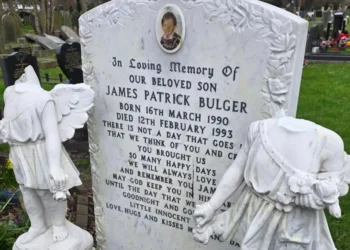 Grave of Murdered Toddler James Bulger Vandalised
 ‘I Almost Died After a Touch‑and‑Go C‑Section’
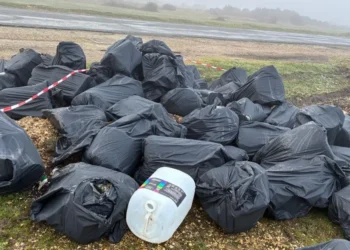 Conservation Budgets Hit by Increased Fly‑Tipping Costs
 “It Just Felt Right to Pay for Couple’s Shopping”
 How Responsible Are Climbers for Each Other’s Safety?
 Mayor Spends £20m to Encourage More Bus Trips
 Tipping Point Contestant Who Promised to Use Winnings on IVF Now Has Triplets
 Water Cremation Introduced in UK First
 Calls Grow to Remove Billboard Following Lyra McKee Graffiti
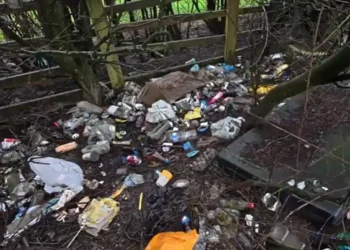 Why Aren’t Our Dirtiest Roads Getting Cleaned?
 Yorkshire School Issues Warning Over Social Media Trend Targeting Pupils
 Manchester Students Mourn Ayatollah Amid Protest
 Scots Firefighter Cycles 800 Miles for MND Charity
 Woman, 29, ‘Chucked’ Into Care Home 100 Miles Away
 Family of Girl Groomed by Ian Huntley Beg Medics to Save His Life
 Flats for the blind could be sold to developer
 Community farm appeal to cover thousands in repairs
 Undercover officer deceived women with ‘grotesque and cruel’ lies, spycops inquiry told
 Gran Vows to Shield Huntley’s Daughter From Soham Killer’s Funeral
 Drivers Warned to Cut Journeys as Fuel Prices Surge
 Labour Faces Backlash Over Conscription Warning
 Father Dies by Suicide Weeks After Wedding in Clitheroe
 Sarah Ferguson Loses Another £1.5m Amid Financial Struggles
 SNP Health Secretary Criticised Over NHS Failures Locally
 Veteran Firefighter Praises Glasgow Blaze Response
 Scotland Combines Alcohol and Drug Strategy to Cut Addiction Deaths
 Dad Delivers Baby After Midwife Flees During High‑Risk Labour in UK
 Teen Wins Payout After TRNSMT Crush Horror
 Scotland Braces for 80mph Gales and ‘Intense Rain’
 Woman Rescued With Dogs Says She Felt ‘Biggest Fool’
 Bodies of Two Chinese Backpackers Found in Floodwaters
 Biker Suffers Fractured Spine After Hitting Pothole in Edinburgh
 Scots Head Teacher Pays Tribute to Teen Who Died in Car Fire
 Eugenie ‘Falls on Sword’ as Andrew and Sarah Ferguson Criticised
 Jobless Man on £15k Benefits Accused of Hurling Abuse at Anti-Migrant Demo
 Schnauzer Travels 140 Miles for Life-Saving Spinal Surgery