Published: 12 March 2026. The English Chronicle Desk. The English Chronicle Online.
The recent Brazil floods devastating the country’s coffee heartland have sparked urgent warnings from scientists worldwide. Experts say the destructive rains could become more severe if global reliance on fossil fuels continues. Their analysis highlights how climate risks, social inequality, and environmental pressures combine dangerously in vulnerable regions.
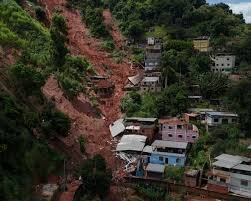
Over the past month, the Brazil floods have caused widespread destruction across the southeastern state of Minas Gerais. Dozens of residents lost their lives as landslides buried homes and torrents swept people away. Thousands of families were forced to evacuate after streets transformed into raging rivers.
Communities across Minas Gerais watched helplessly as persistent rainfall overwhelmed infrastructure and homes. Emergency services struggled to reach isolated neighbourhoods where roads collapsed under relentless water flow. Many families fled with little more than essential belongings, seeking shelter in temporary evacuation centres.
Among the hardest-hit locations was the city of Juiz de Fora, a major urban centre within the coffee-producing region. The city experienced its wettest February ever recorded, according to scientists analysing recent rainfall patterns. More than 750 millimetres of rain fell during the month, an extraordinary amount for the region.
The previous record rainfall stood at 456 millimetres, measured in February 1988. This year’s figure surpassed that level by roughly sixty-five percent, demonstrating the unusual scale of the storm systems. Researchers described the rainfall event as something expected only once in several centuries.

The analysis was conducted by the international research collaboration known as the World Weather Attribution group. Scientists involved in the study specialise in examining connections between extreme weather and climate trends. Their findings suggest that such intense rainfall events could become stronger as global temperatures continue rising.
Although researchers could not directly link this particular disaster to human-driven climate change, the broader trend remains concerning. The study suggests rainfall intensity may increase by around seven percent if the planet warms significantly further. Current global temperatures already sit roughly 1.3 degrees Celsius above preindustrial averages.
Climate models warn that warming could eventually reach 2.6 degrees Celsius if fossil fuel emissions continue. Under those circumstances, extreme rainfall events in vulnerable regions like Minas Gerais could become noticeably more severe. Scientists therefore argue that reducing greenhouse gas emissions remains an urgent global priority.
One of the study’s lead contributors emphasised that the tragedy reflects more than climate forces alone. Social inequality and poor urban planning also played major roles in the devastating consequences witnessed recently. Many affected communities live on steep hillsides where landslides occur frequently during intense rain.
These neighbourhoods often lack adequate drainage systems and protective infrastructure, increasing the risk of catastrophic slope failures. Deforestation in surrounding hills further weakens soil stability and amplifies flood risks during heavy storms. As rainfall intensifies, those fragile landscapes become even more hazardous for residents.
Juiz de Fora has long been identified among Brazil’s most vulnerable cities for landslide exposure. A significant share of its population lives in areas considered high risk by disaster specialists. That combination of geography and poverty creates conditions where extreme weather can quickly turn deadly.
Scientists therefore stress that climate action alone cannot fully address such disasters. Governments must also strengthen housing policies, environmental protections, and urban planning strategies. Protecting vulnerable communities requires relocating residents from dangerous slopes and investing in resilient infrastructure.
Early warning systems are another critical tool for reducing casualties during severe weather events. Accurate forecasts can provide communities with time to evacuate before landslides or flooding begin. However, warnings must reach residents quickly and clearly to prevent confusion during emergencies.
Researchers say shelters and evacuation centres must also be accessible for low-income neighbourhoods. Without reliable refuge options, many families hesitate to abandon homes even when risks escalate rapidly. Strengthening these safety networks could significantly reduce fatalities during extreme storms.
While the human toll remains the most immediate concern, economic consequences are also unfolding globally. Minas Gerais plays a crucial role in the international coffee market as a leading producer of arabica beans. Disruptions within the region therefore influence prices and supply far beyond Brazil.
Recent weather extremes have already reduced coffee harvests across several producing nations. Brazil remains the world’s largest supplier, meaning crop failures there carry significant global implications. As a result, consumers in distant markets often feel the impact through rising supermarket prices.
Extreme rainfall can damage coffee crops by encouraging plant diseases and disrupting harvesting schedules. Farmers in Minas Gerais had hoped for a stronger recovery after previous weather-related setbacks. Instead, persistent rain has worsened disease spread across many arabica plantations this season.
This situation raises concerns about further tightening in global coffee supplies during the coming year. Market analysts say climate variability has already reduced production in several coffee-growing regions. Such conditions contribute to sustained price increases affecting retailers and households worldwide.
Experts in Britain note that climate-driven agricultural disruptions increasingly affect everyday shopping costs. Coffee prices in the United Kingdom have risen sharply during recent years as harvests declined abroad. Consumers have seen noticeable increases in supermarket prices for ground coffee and related products.
Researchers emphasise that these economic pressures highlight how climate risks transcend national borders. A flood disaster in Brazil can influence food prices thousands of miles away. Such connections demonstrate the global nature of environmental challenges linked to warming temperatures.

Climate scientists therefore argue that reducing fossil fuel use remains essential to stabilising future risks. Phasing out emissions from coal, oil, and gas could help slow global temperature increases. Even small reductions in warming may significantly limit the severity of future weather extremes.
Experts stress that every fraction of a degree avoided can prevent escalating climate impacts. Delayed action, however, increases the likelihood of more frequent disasters similar to the Brazil floods. Communities already facing environmental and social vulnerabilities would remain particularly exposed.
Brazilian authorities now face growing pressure to improve resilience against future extreme weather events. Infrastructure investment, environmental restoration, and safer housing policies could reduce disaster risks substantially. Combined with global climate action, such measures may protect both communities and agricultural production.
The tragedy unfolding across Minas Gerais serves as a stark reminder of the stakes involved. Lives, livelihoods, and vital industries depend on managing climate risks effectively. Scientists warn that failing to address emissions could make destructive rainfall events increasingly common.
For now, families across the region continue recovering from loss and displacement caused by the recent Brazil floods. Emergency teams remain active in damaged neighbourhoods while rebuilding efforts slowly begin. Their experiences underline the urgency of confronting climate threats before further disasters strike.
The warning from scientists is clear and increasingly echoed around the world. Climate action, improved planning, and community protection must advance together. Only through coordinated efforts can societies reduce the risks posed by powerful weather events.
Related News:
 UPS Cargo Plane Crash in Kentucky Kills Seven
 US private equity set to acquire UK online retailer Very Group
 Switzerland Rolls Out Charm Offensive to Cut Trump’s 39% Tariffs
 Canada Passes Carney’s First Budget in Tight Parliamentary Vote
 India’s Labour Law Overhaul Sparks Fierce Debate
 Carney’s Alberta Pipeline Deal Sparks Immediate Pushback
 Austrian Airlines Halts Tehran Flights Amid Political Unrest
 Mark Carney Walks Diplomatic Tightrope on China Visit
 Wall Street shaken by Trump tariff shock as markets tumble
 ‘Black Tax’: Burden, Pride and Survival for African Workers
 UK New Car Discounts Near £6,000 as Prices Are Slashed
 Coles Discounts Under Fire in Federal Court
 Trump Tower Gold Coast to Redefine Skyline
 Rory Amon Trial: Alleged Victim Speaks in Court
 Oil Prices Surge as Iran War Jolts Markets
 Gulf shipping crisis as war risk cover pulled
 Global markets face turmoil as Hormuz crisis deepens
 Gulf shipping crisis sparks food price fears
 Oil Prices Surge Above $100 Amid Iran War
 G7 Weighs Emergency Oil Reserves as Prices Surge
 China’s crackdown on civil servant perks sparks economic concerns
 Shein UK Faces Allegations of Shifting Majority of Profits to Singapore to Reduce UK Tax
 Reeves Faces Setback as Labour May Miss Homes Target
 Virgin Trains Moves Closer to Challenging Eurostar Monopoly
 Trump’s UK Ambassador Urges North Sea Drilling to Strengthen US Ties
 Ryanair Chief UK Economy ‘Doomed’ Under Labour
 M&S Profits More Than Halve After Cyber-Attack
BBC to Apologise Over Edited Trump Speech Amid Backlash
M&S Profits More Than Halve After Cyber-Attack
BBC to Apologise Over Edited Trump Speech Amid Backlash
 Britain deploys RAF specialists to assist Belgium with drone threats
 Palace May Restore Hyphen to Andrew Mountbatten-Windsor’s Name
 Millionaires group urge Reeves to introduce wealth tax to ‘lift kids out of poverty’
 From Lego to Pokémon: How Adults Are Driving UK Toy Market Growth
 Greene Pushes Epstein Files Amid Trump Fallout
 December Run-Off in Chile as Election Produces No Winner
 Zelenskyy Signs Fighter Jet Deal Amid Russian Drone Attacks
 Shadow Fleet at Sea: Europe’s Battle Against Illicit Oil Shipping
 Tiny Curacao Makes History as Smallest Nation to Reach World Cup
 Deadly Russian Strikes Hit Western Ukraine, 20 Killed in Ternopil
 Ukraine Peace Plan: Zelensky Ready for Dialogue
 Royal Navy Shadows Russian Warships Entering the Channel
 US Suspends Afghan Immigration After White House Shooting
 Georgians Defy Government Crackdown After Year of Protests
 Tokyo court rules Japan’s same-sex marriage ban constitutional
 Starmer Says Labour’s Economic Plan Needs Years to Deliver
 ‘Extinct’ Antelope Returns to Sahara, Bringing Hope
 American Mother Extradited From UK to U.S. on Murder Charges
 Facebook Slow to Remove Bondi Attack Praise, Anti-Hate Group Claims
 US Clears Nvidia AI Chip Sales to China in Policy Shift
 Gulf states warn Trump Iran strikes risk wider Middle East war
 Sydney Shark Attack Surge Shocks Australia Beaches
 EU Says US Ties Have Suffered ‘Big Blow’ After Greenland Crisis
 US Dollar Hits Four-Year Low Amid Market Turmoil
 Videos reveal earlier clash before Alex Pretti shooting
 Israel Moves to Bar MSF From Gaza Operations
 Portugal Election Delivers Socialist Win as Far Right Surges
 BT Names New Openreach Chief Amid Major Fibre Expansion
 Australian Families Leave Syrian Camp for Home
 Andrew Arrest Sparks Republic Debate in Australia
 Farage Chagos Islands Row Sparks Fury
 UK Job Vacancies Hit Five-Year Pandemic Low
 UK Youth Unemployment Surges Amid Tax Changes
 Strong Rebound for UK Housing Market Sees 6% More Homes
 Bill Gates ‘Took Responsibility’ Over Epstein Ties in Staff Meeting, Foundation Says
 Hilary Knight speaks out on Trump’s recent hockey remarks
 Has Europe truly learned from the failures of 2022?
 Switching Energy Deal Can Save £200 as Price Cap Falls
 Trump Faces Questions Over Iran Conflict Plan
 Iran Civilian Deaths Surge Past 200 Amid Fear
 Herzog Asio meeting sparks security storm
 Trump rebukes Starmer over Iran strikes
 Iran-Iraq border airstrikes spark new tensions
 Petrol Prices Soar as Retailers Accused of Gouging Amid Global Tension
 Penny Wong silent on Australian crew in sub strike
 Australians on US Submarine in Iranian Warship Strike
 India T20 World Cup Triumph Seals Historic Title Defence
 Trump Pressures Congress Over Save America Act
 Iranian Football Squad Asylum Drama Shocks Australia
 Abramovich Chelsea Sale Cash Faces Jersey Probe
 Goma Drone Attack Kills Three as Conflict Escalates
 Queensland Protest Laws Spark Free Speech Backlash