Published: 12 March 2026. The English Chronicle Desk. The English Chronicle Online.
The global energy market is currently facing a massive shock as a direct result of the ongoing conflict involving Iran. Donald Trump has scrambled in recent days to reassure the world that the economic impact of his war can be contained. He suggested that one of the most important waterways in global trade might reopen very soon for international transit. In the meantime, the United States will lift oil-related sanctions on some countries to help ease the current burden. The American President also claimed that the entire conflict could reach a conclusion much sooner than many experts expect. Such vague claims and the release of emergency crude from government reserves soothed the global markets for a short while.
Oil prices surged to four-year highs on Monday before falling back below the hundred dollar per barrel mark today. However, the war continues to escalate and several merchant ships have been struck in and around the strait of Hormuz. Iran’s Revolutionary Guards declared they will not allow one litre of oil to be exported if attacks continue. This threat has sent ripples of anxiety across the entire Asian continent where energy security is now a priority. Asia is the world’s top crude oil importing region and the rhetoric around this conflict is causing significant alarm. In the previous year, the continent relied on the Middle East for over half of its total crude imports.

The Middle East cannot be relied upon right now because the strait of Hormuz remains almost entirely closed for business. This narrow passage usually handles about a fifth of the world’s oil supplies and nearly all seaborne gas tankers. Some producers in the region are struggling to ship their oil out and are now forced to reduce output. Experts from the London College of Energy Economics suggest that the current situation is certainly very worrying for everyone. Even if operators feel confident again, producers will need significant time to bring supply back to previous levels. The longer the strait remains closed, the more likely it is that global oil stocks will be exhausted soon.
Asian countries from Pakistan to South Korea have been forced to confront a rapidly brewing energy crisis this week. China has the world’s largest onshore crude stockpiles and has reportedly received millions of barrels of oil from Iran. India also ramped up its Russian crude imports after the United States issued a special waiver from existing trade sanctions. Despite these measures, hot food and drink are reportedly disappearing from menus across India due to cooking fuel shortages. Japan is currently releasing about eighty million barrels from its massive stockpile to help stabilize the volatile domestic market. This release is part of the largest ever coordinated effort by the International Energy Agency to prevent a collapse.
The relative comfort inside the dominant economies of the continent is not shared by many of their smaller neighbors. South Korea is highly dependent on global trade and energy imports from the Middle East to power its industry. President Lee Jae Myung announced the first cap on domestic fuel prices in almost three decades to protect consumers. Thailand is also spending tens of millions of dollars each day to keep fuel prices low through subsidies. The Thai commerce minister urged the public not to panic while the government prepares for various potential economic scenarios. These measures highlight the growing desperation felt by leaders who are trying to maintain social and economic stability.
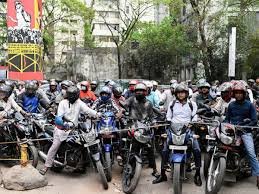
Bangladesh started rationing fuel sales last week in a frantic effort to halt panic buying at local petrol stations. The government closed all universities to sustain the country’s supplies and deployed the military at major oil depots across the nation. This situation has become incredibly serious for a country that imports the vast majority of its essential fuel needs. In Myanmar, the ruling junta introduced strict rationing and banned half of all private vehicles from the main roads. Drivers there can only use their cars on specific dates based on whether their license plates are even or odd. This drastic measure reflects the total lack of available fuel for the general population in the war’s wake.
Pakistan is rolling out severe austerity measures including school closures and a four-day working week for all government offices. Prime Minister Shehbaz Sharif stated that his administration has taken difficult decisions to stabilize the fragile national economy today. Fuel tanker drivers in the region complained of massive shortages earlier this week as the border remains tightly closed. One driver told reporters that the main depots are lying empty and there is no fuel left to transport. These stories of empty tanks and closed borders are becoming common as the energy crisis deepens throughout the region. The impact on daily life is profound as people struggle to find the fuel needed for basic transport.
The Philippines has also moved to a four-day working week for public officials to curb the national fuel consumption. Government agencies and state universities were told to reduce their energy use by at least ten percent starting this month. Officials even suggested that air conditioning units should be set no lower than twenty-four degrees to save precious electricity. Vietnam has called on businesses to encourage work from home when possible to reduce the need for daily travel. This sweeping remote work drive is very reminiscent of the early days of the global pandemic a few years ago. Vietnam is also set to remove tariffs on foreign fuel to help shore up its dwindling energy supplies.
Lengthy lines at petrol stations are now a common sight in Vietnamese cities as prices continue to rise rapidly. The energy crisis is forcing every nation in the region to rethink its reliance on Middle Eastern oil exports. Leaders are searching for alternative suppliers, but the global market is stretched thin by the ongoing naval blockade. Many analysts believe that the current economic pressure will eventually lead to a major global recession if not resolved. The focus remains on the strait of Hormuz and whether international pressure can force a reopening of the waterway. Without a clear diplomatic solution, the people of Asia will continue to bear the brunt of rising costs.

Families across the continent are already feeling the pinch as the price of basic goods and services moves upward. Transportation costs are being passed on to consumers who are already struggling with the high cost of living recently. In some cities, public transport has been scaled back significantly to save fuel for emergency services and food delivery. The uncertainty of the war makes it nearly impossible for businesses to plan for the coming financial quarter. Investors are pulling back from emerging markets in Asia due to the high risks associated with the energy crisis. This capital flight is further devaluing local currencies and making it even more expensive to import fuel supplies.
The diplomatic efforts to end the conflict have so far failed to produce any meaningful results on the ground. Both sides seem dug into their positions while the rest of the world watches the escalating violence with dread. The United States maintains that its actions are necessary for regional security despite the massive economic fallout occurring globally. Meanwhile, Iran continues to use its strategic position to exert pressure on the international community through the oil markets. This stalemate is creating a dangerous environment where a single mistake could lead to a much larger global conflict. For now, the world remains in a state of anxious waiting as the energy crisis grows.
The resilience of Asian economies is being tested like never before in this era of high technology and trade. While some nations have the reserves to last a few months, others are already reaching a breaking point today. The humanitarian impact of fuel shortages in developing nations could soon eclipse the direct casualties of the war itself. Access to clean water, food, and medicine all depend on a functioning supply chain powered by affordable energy. As the sun sets over the silent tankers waiting outside the strait, the hope for peace remains distant. The world can only hope that a resolution is found before the lights go out across the continent.
Related News:
 UPS Cargo Plane Crash in Kentucky Kills Seven
 US private equity set to acquire UK online retailer Very Group
 Switzerland Rolls Out Charm Offensive to Cut Trump’s 39% Tariffs
 Canada Passes Carney’s First Budget in Tight Parliamentary Vote
 India’s Labour Law Overhaul Sparks Fierce Debate
 Carney’s Alberta Pipeline Deal Sparks Immediate Pushback
 Austrian Airlines Halts Tehran Flights Amid Political Unrest
 Mark Carney Walks Diplomatic Tightrope on China Visit
 Wall Street shaken by Trump tariff shock as markets tumble
 ‘Black Tax’: Burden, Pride and Survival for African Workers
 UK New Car Discounts Near £6,000 as Prices Are Slashed
 Coles Discounts Under Fire in Federal Court
 Trump Tower Gold Coast to Redefine Skyline
 Rory Amon Trial: Alleged Victim Speaks in Court
 Oil Prices Surge as Iran War Jolts Markets
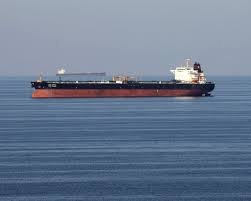 Gulf shipping crisis as war risk cover pulled
 Global markets face turmoil as Hormuz crisis deepens
 Gulf shipping crisis sparks food price fears
 Oil Prices Surge Above $100 Amid Iran War
 G7 Weighs Emergency Oil Reserves as Prices Surge
 Brazil Floods Warning as Scientists Urge Fossil Fuel Exit
 China’s crackdown on civil servant perks sparks economic concerns
 Shein UK Faces Allegations of Shifting Majority of Profits to Singapore to Reduce UK Tax
 Reeves Faces Setback as Labour May Miss Homes Target
 Virgin Trains Moves Closer to Challenging Eurostar Monopoly
 Trump’s UK Ambassador Urges North Sea Drilling to Strengthen US Ties
 Ryanair Chief UK Economy ‘Doomed’ Under Labour
 M&S Profits More Than Halve After Cyber-Attack
BBC to Apologise Over Edited Trump Speech Amid Backlash
M&S Profits More Than Halve After Cyber-Attack
BBC to Apologise Over Edited Trump Speech Amid Backlash
 Britain deploys RAF specialists to assist Belgium with drone threats
 Palace May Restore Hyphen to Andrew Mountbatten-Windsor’s Name
 Millionaires group urge Reeves to introduce wealth tax to ‘lift kids out of poverty’
 From Lego to Pokémon: How Adults Are Driving UK Toy Market Growth
 Greene Pushes Epstein Files Amid Trump Fallout
 December Run-Off in Chile as Election Produces No Winner
 Zelenskyy Signs Fighter Jet Deal Amid Russian Drone Attacks
 Shadow Fleet at Sea: Europe’s Battle Against Illicit Oil Shipping
 Tiny Curacao Makes History as Smallest Nation to Reach World Cup
 Deadly Russian Strikes Hit Western Ukraine, 20 Killed in Ternopil
 Ukraine Peace Plan: Zelensky Ready for Dialogue
 Royal Navy Shadows Russian Warships Entering the Channel
 US Suspends Afghan Immigration After White House Shooting
 Georgians Defy Government Crackdown After Year of Protests
 Tokyo court rules Japan’s same-sex marriage ban constitutional
 Starmer Says Labour’s Economic Plan Needs Years to Deliver
 ‘Extinct’ Antelope Returns to Sahara, Bringing Hope
 Facebook Slow to Remove Bondi Attack Praise, Anti-Hate Group Claims
 US Clears Nvidia AI Chip Sales to China in Policy Shift
 Gulf states warn Trump Iran strikes risk wider Middle East war
 Sydney Shark Attack Surge Shocks Australia Beaches
 EU Says US Ties Have Suffered ‘Big Blow’ After Greenland Crisis
 US Dollar Hits Four-Year Low Amid Market Turmoil
 Videos reveal earlier clash before Alex Pretti shooting
 Israel Moves to Bar MSF From Gaza Operations
 Portugal Election Delivers Socialist Win as Far Right Surges
 BT Names New Openreach Chief Amid Major Fibre Expansion
 Australian Families Leave Syrian Camp for Home
 Andrew Arrest Sparks Republic Debate in Australia
 Farage Chagos Islands Row Sparks Fury
 UK Job Vacancies Hit Five-Year Pandemic Low
 UK Youth Unemployment Surges Amid Tax Changes
 Strong Rebound for UK Housing Market Sees 6% More Homes
 Bill Gates ‘Took Responsibility’ Over Epstein Ties in Staff Meeting, Foundation Says
 Hilary Knight speaks out on Trump’s recent hockey remarks
 Has Europe truly learned from the failures of 2022?
 Switching Energy Deal Can Save £200 as Price Cap Falls
 Trump Faces Questions Over Iran Conflict Plan
 Iran Civilian Deaths Surge Past 200 Amid Fear
 Herzog Asio meeting sparks security storm
 Trump rebukes Starmer over Iran strikes
 Iran-Iraq border airstrikes spark new tensions
 Petrol Prices Soar as Retailers Accused of Gouging Amid Global Tension
 Penny Wong silent on Australian crew in sub strike
 Australians on US Submarine in Iranian Warship Strike
 India T20 World Cup Triumph Seals Historic Title Defence
 Trump Pressures Congress Over Save America Act
 Iranian Football Squad Asylum Drama Shocks Australia
 Abramovich Chelsea Sale Cash Faces Jersey Probe
 Goma Drone Attack Kills Three as Conflict Escalates
 Queensland Protest Laws Spark Free Speech Backlash