Published: 16 March 2026. The English Chronicle Desk. The English Chronicle Online.
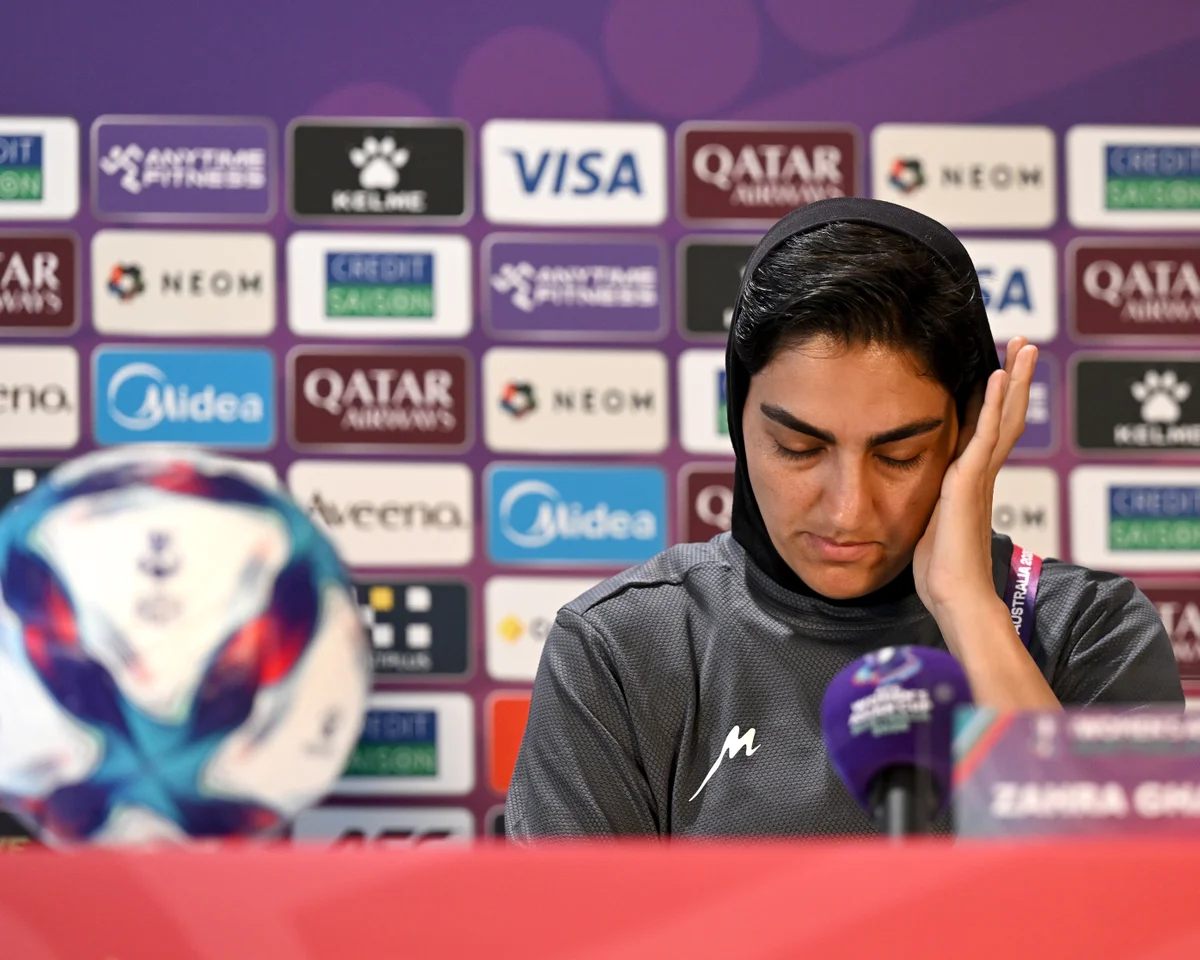
The high-profile saga surrounding the Iranian women’s football team has reached a dramatic and somber turning point this week. Zahra Ghanbari, the esteemed captain of the national squad, has officially departed Australia after a tense period of uncertainty. This move follows her initial decision to accept a formal offer of asylum from the Australian government. Her departure marks a significant moment in a story that has captured international attention and sparked intense political debate. Ghanbari is now the fifth member of the football cohort to withdraw her protection claim recently. She initially sought to stay in Australia following the conclusion of the prestigious Asian Cup tournament. The office of Home Affairs Minister Tony Burke confirmed the news of her sudden departure on Monday. Officials stated that another team member had left the country late on Sunday night for Malaysia.
This series of events has provided a major propaganda boost for the current Iranian government. The state-owned news agency IRNA has seized upon these developments with great enthusiasm and public fervor. They have framed the mass reversal of the players as a victory for national loyalty. Australia had originally granted asylum to seven members of the travelling party just last week. This group included six talented players and one essential member of the team’s support staff. They were offered safety while competing in the Asian Cup on the sunny Gold Coast. Minister Burke addressed the media on Sunday regarding the difficult situation facing these elite athletes. He noted that three women had already decided to return home before Ghanbari made her choice. Australian officials reportedly gave the players repeated chances to discuss their many available legal options.

The government wanted to ensure the women understood the full implications of their life-changing decisions. Burke emphasized that the Australian authorities provided every possible opportunity for the players to stay. However, he admitted that the government cannot control the external context of these complex choices. The pressure facing these women is immense and stems from deeply personal and political roots. Shiva Amini, a former national futsal player, has spoken out about the underlying dark motives. Amini is a well-known human rights activist who closely follows the plight of Iranian athletes. She believes the Revolutionary Guard Corps has been instrumental in forcing these sudden and unexpected changes. This paramilitary group is known for its role in defending the principles of the revolution. Amini alleged that the families of the players in Iran faced direct and severe threats.
She specifically claimed that the family of captain Zahra Ghanbari was targeted by the security forces. The goal was to ensure the captain returned to provide a public face for the regime. Despite these departures, a small number of players still remain in Australia under government protection. Amini stressed that those who stayed are currently under enormous psychological and emotional pressure today. She has called for urgent support and additional protection for those who are still here. There were also allegations that a team official had manipulated the players into returning home. This official reportedly presented themselves as a trustworthy figure to the young and vulnerable athletes. They allegedly used this position of power to persuade the women to abandon their asylum bids. Australian government sources have looked into these serious claims over the past few days.
However, investigators stated that they could not substantiate the reports of internal team coercion at this time. Members of the Iranian-Australian diaspora have also shared their deep concerns regarding the team’s safety. One source, who wished to remain anonymous, spoke about messages being relayed from Tehran to Australia. They suggested that team staff were acting as intermediaries for the Iranian government during the tournament. These staff members allegedly played recorded voice messages from worried family members back in Iran. These messages were intended to guilt the players into returning to their home country immediately. The diaspora source also pointed to an unexpected factor that complicated the entire delicate situation. They suggested that the public intervention of US President Donald Trump was actually quite unhelpful. Last week, the President used social media to demand that Australia protect the Iranian players.
This public pressure came even though the Australian Home Affairs Minister had already signed the visas. The source argued that this high-profile intervention backed the Iranian regime into a very tight corner. It turned a humanitarian issue into a direct political confrontation with the United States government. This gave Tehran a massive incentive to force the women back for a political win. Other Iranian athletes have defected in various countries recently without attracting such intense global scrutiny. Because those cases remained quiet, the regime did not feel the need to make examples. The Tasnim News Agency has been celebrating the return of the players with grand headlines. They described the women as returning to the warm embrace of their loving families. The agency claimed the decision was driven by deep loyalty to the Iranian flag.
They portrayed the move as a patriotic choice that thwarted the sinister schemes of foreign enemies. The state-run media praised the women for choosing their homeland over what they called alluring temptations. They specifically mentioned that the return was a crushing blow to the current US President. The reports described the reversal as a profound victory for the resilience of Iranian daughters. They framed the players as courageous figures who aligned with their people during a pivotal moment. This narrative aims to create an enduring legacy of national pride and unwavering political devotion. On Monday morning, Australian Cabinet Minister Catherine King spoke to the national broadcaster about the case. She stated that Australia should be proud of offering these women a genuine and safe choice. King noted that the players had every opportunity to know they were welcome in Australia.

She acknowledged that the decision to leave must have been incredibly difficult for everyone involved. The minister recognized the enormous pressure that was likely placed on the players from external sources. Ultimately, she concluded that the final choice rested with the individual women and their families. The departure of the team from their hotel was a visual testament to the tension. They left their Gold Coast accommodation on Tuesday afternoon under a heavy and watchful police guard. Witnesses described a scene where one player appeared to be physically pulled onto the bus. This image has added to the growing fears for the safety of the returning athletes. They were recently labeled as wartime traitors on state media for an act of protest. Before their opening match, the team chose not to sing the national anthem in public.
This act of defiance is often treated with extreme severity by the authorities in Tehran. There are now significant concerns regarding how they will be treated upon their arrival home. The international community is watching closely to see if the promised warm embrace actually materializes. Many activists fear that the players may face interrogation or travel bans in the future. The struggle for female athletes in Iran continues to be a focal point for human rights. This case highlights the intersection of sport, gender, and high-stakes international diplomacy in the modern era. While Australia offered a path to permanent asylum, the pull of family remained too strong. The fate of the two remaining players in Australia stays uncertain as the news develops. Their safety remains a priority for local human rights groups and the Australian government alike.
As the plane carries the captain away, a chapter of hope and fear closes. The world remains hopeful that these courageous women find peace and safety in their homeland. The story of the Iranian football team serves as a reminder of the costs of dissent. It also shows the lengths to which states will go to protect their image. For now, the focus shifts to the monitoring of their wellbeing in the coming weeks. The global football community stands in solidarity with the players during this challenging transition period.
Related News:
 Tension and Turmoil at Aston Villa v Maccabi Match
 Lando Norris Dominates Brazil GP to Strengthen F1 Title Bid
 Ronaldo Confirms Final World Cup and Plans Retirement
 England Maintain Perfect World Cup Qualifying Record with Win Over Serbia
 Osimhen doubles as Nigeria reach CAF World Cup final
 Tears of Joy as Ireland Stun Hungary to Stay in World Cup Race
 Haaland Heroics and Portuguese Rampage Seal World Cup Qualification
 Irish Hero Parrott Says Goal Brought First Tears in Years
 Scotland Fans Reflect on France ’98 as World Cup Looms
 Nigeria Misses World Cup Again After Play-Off Loss
 Mark Wood Bowls Rapid Nets Spell, Ashes Test Hopes Rise
 Cardiff Nights Could Propel Wales to World Cup Glory
 Spain Qualify for 2026 World Cup After Dramatic Draw
 Scotland End 28-Year Wait With Stunning World Cup Qualification
 Cristiano Ronaldo Joins Trump, Bin Salman at State Dinner
 Tiny Curacao Makes History as Smallest Nation to Reach World Cup
 Haiti Qualifies for World Cup Despite Coach Never Visiting Country
 Scotland Fans Celebrate Historic World Cup Qualification
 Barcelona Returns to Camp Nou vs Athletic Bilbao
 India, Pakistan to Clash in T20 World Cup 2026 Group Match
 Mbappe Scores 4 as Real Madrid Edge Olympiakos
 Man City Lose, Champions League Risk
 Trump to attend 2026 FIFA World Cup draw in Washington
 2026 World Cup Draw Explained Ahead of Ceremony
 Hilary Knight speaks out on Trump’s recent hockey remarks
 Brady Tkachuk Denies AI Video Claims After Olympic Gold
 India T20 World Cup Triumph Seals Historic Title Defence
 Tottenham Takes On Newcastle
 Chaos at Ibrox as Martin’s Rangers Era Comes to an End
 BBC to Apologise Over Edited Trump Speech Amid Backlash
 Britain deploys RAF specialists to assist Belgium with drone threats
 Palace May Restore Hyphen to Andrew Mountbatten-Windsor’s Name
 UK and Ireland Announce Venues for Euro 2028 Tournament
 Saka Solidifies Role as Tuchel’s Key England Lieutenant
 Greene Pushes Epstein Files Amid Trump Fallout
 December Run-Off in Chile as Election Produces No Winner
 Zelenskyy Signs Fighter Jet Deal Amid Russian Drone Attacks
 Canada Passes Carney’s First Budget in Tight Parliamentary Vote
 Shadow Fleet at Sea: Europe’s Battle Against Illicit Oil Shipping
 Deadly Russian Strikes Hit Western Ukraine, 20 Killed in Ternopil
 US Suspends Afghan Immigration After White House Shooting
 Georgians Defy Government Crackdown After Year of Protests
 ‘Extinct’ Antelope Returns to Sahara, Bringing Hope
 Australia Face Big Changes as Cummins and Lyon Ruled Out of Ashes
 American Mother Extradited From UK to U.S. on Murder Charges
 Facebook Slow to Remove Bondi Attack Praise, Anti-Hate Group Claims
 Damien Martyn in Induced Coma After Meningitis Diagnosis
 Raducanu Battles Injury as Britain Exit United Cup
 Albanese Opens Door to Bondi Royal Commission Amid Rising Pressure
 Manchester United Fan Group Targets Jim Ratcliffe Over Club Chaos
 US Clears Nvidia AI Chip Sales to China in Policy Shift
 Gulf states warn Trump Iran strikes risk wider Middle East war
 Geopolitical football: Iran, Trump and the World Cup clash
 EU weighs response amid Greenland tariff crisis with Trump
 Sydney Shark Attack Surge Shocks Australia Beaches
 EU Says US Ties Have Suffered ‘Big Blow’ After Greenland Crisis
 Videos reveal earlier clash before Alex Pretti shooting
 UK New Car Discounts Near £6,000 as Prices Are Slashed
 Israel Moves to Bar MSF From Gaza Operations
 Portugal Election Delivers Socialist Win as Far Right Surges
 Australian Families Leave Syrian Camp for Home
 Andrew Arrest Sparks Republic Debate in Australia
 Farage Chagos Islands Row Sparks Fury
 Has Europe truly learned from the failures of 2022?
 Manchester United Face Huge Bill After Ruben Amorim Exit
 Trump Faces Questions Over Iran Conflict Plan
 Iran Civilian Deaths Surge Past 200 Amid Fear
 Herzog Asio meeting sparks security storm
 Trump rebukes Starmer over Iran strikes
 Iran-Iraq border airstrikes spark new tensions
 Petrol Prices Soar as Retailers Accused of Gouging Amid Global Tension
 Penny Wong silent on Australian crew in sub strike
 Australians on US Submarine in Iranian Warship Strike
 Oil Prices Surge Above $100 Amid Iran War
 Trump Pressures Congress Over Save America Act
 Iranian Football Squad Asylum Drama Shocks Australia
 Abramovich Chelsea Sale Cash Faces Jersey Probe
 Goma Drone Attack Kills Three as Conflict Escalates
 Queensland Protest Laws Spark Free Speech Backlash
 Yvette Cooper: UK Must Follow Principles, Not US Pressure