
Published: 19 March 2026. The English Chronicle Desk. The English Chronicle Online.
Shoppers in the United Kingdom will continue facing a £100 cap on contactless card payments, despite regulatory changes. The Financial Conduct Authority has removed the official limit, yet major high street and challenger banks have opted not to increase it immediately.
Financial Conduct Authority made the change to give banks flexibility in response to consumer demand, inflation, and technological advances. However, Barclays, HSBC, Lloyds, Nationwide, NatWest, and Santander have confirmed they will maintain the £100 ceiling for now.
Digital-only banks have responded variably. Monzo will not alter its limit, while Starling and Revolut have stated no decision has yet been made. UK Finance, the banking lobby group, noted that immediate changes are unlikely due to low consumer demand and required upgrades to payment terminals.

Some banks, including Lloyds and Santander, allow customers to adjust their contactless limits in £5 increments up to £100. Contactless payments remain the most widely used payment method in the UK, with 67% of credit card and 76% of debit card transactions completed by tapping. The average transaction value is around £18.
The FCA emphasised that banks must clearly communicate any future changes to consumers. A spokesperson said the new rules are designed to encourage innovation while maintaining consumer protection and fraud controls. Higher limits could increase risks of criminal misuse of stolen cards.
The regulator highlighted that existing fraud prevention measures must remain effective before banks can raise or remove limits. Customers may receive alerts or verification requests for larger transactions. Additionally, some experts warn that unlimited contactless payments could make budgeting harder, as spending becomes less tangible.
Digital wallet payments, including Apple Pay, remain exempt from these limits. Transactions using smartphones are considered secure due to biometric verification, such as facial recognition or fingerprint scans, and will not be restricted under the new framework.
The ongoing debate reflects the tension between convenience, financial security, and innovation in payment systems. Banks now have the freedom to change limits, but consumer protection and technological preparedness will guide the pace of adoption.
Related News:
 Royal Mail Blames Poor Weather and Sickness for Delayed Deliveries
 Undercover officer deceived women with ‘grotesque and cruel’ lies, spycops inquiry told
 Wealthy Britons Flee Gulf War but Avoid UK Taxes
 UK Wage Growth Slows as Jobs Market Holds Firm
 Farage Faces Backlash Over Crypto Cameo Endorsements
 Peterborough Mosques Tighten Security After Attack
 Reeves Faces Setback as Labour May Miss Homes Target
 Kate Winslet to Narrate Film Highlighting King’s Environmental Mission
 Trump’s UK Ambassador Urges North Sea Drilling to Strengthen US Ties
 French Taxi Driver Cleared in David Lammy Theft Case After Fare Dispute
 UK Bans Fake Numbers: Scammers Lose Their Trick
 M&S Profits More Than Halve After Cyber-Attack
 Kent village told to remove flags before Christmas lights go up
 Patients to Test Health at Home to Ease NHS Winter Pressure
 Palace May Restore Hyphen to Andrew Mountbatten-Windsor’s Name
 Millionaires group urge Reeves to introduce wealth tax to ‘lift kids out of poverty’
 Shouting Works Best to Deter Gulls, UK Study Finds
 Reeves rejects £1bn plea for NHS redundancy payouts
 Northern Lights may illuminate UK skies this week
 PM Condemns Leaks, Vows Loyalty to Ministers and Stability
 Major Rent Reform Ends No-Fault Evictions in England
 Criminal Gangs Pose as Truckers to Hijack UK Supply Chains
 Stroke Patient Mistaken for Drunk, Care Delayed
 Van Dwellers Face Eviction After Park Misuse Sparks Outcry
 Royal Navy Shadows Russian Warships Entering the Channel
 Inside the Helpline Protecting Missing Children in the UK
 Boots Showstopper Beauty Bundle Outshines Many Advent Calendars This Holiday Season
 PlayStation PS5 Deals Hit Lowest Prices Ahead of Black Friday
 Five-Year-Old Dies After Rare Tonsil Surgery Complication
 Starmer Says Labour’s Economic Plan Needs Years to Deliver
 UK unemployment rises to four-year high of 5.1% before budget
 Wiltshire Police Use Lasso to Catch Rampaging Village Goat
 Children to Receive Home Vaccines as England Acts
 Cambridge College Faces Backlash Over Private School Recruitment
 Celebrity Campaign Highlights SMA Screening Failures
 Bereaved Fathers Gain New Paternity Leave Rights in UK
 Woman Jailed for Life After Killing E-Bike Rider in Tragic Mistaken Identity Case
 UK Ministers Drop Foreign Student Targets for Global Education Push
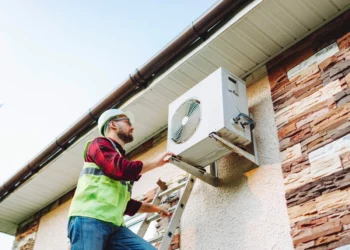 No Gas Boiler Ban as UK Warm Homes Plan Backs Heat Pumps
 Shinzo Abe’s killer receives life sentence in Japan
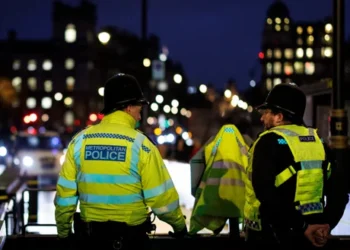 Police response times face strict new national limits
 Devon hosts first high-density hydro power system
 Pornhub blocks new UK users over age checks dispute
 UK New Car Discounts Near £6,000 as Prices Are Slashed
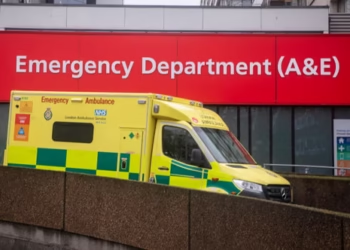 Pneumonia Surge Pushes England Emergency Cases Higher
 Labour Utterly Humiliated by Straight-Talking Mum Who Cut Through Keir Starmer’s Insanity
 Send spending gap leaves deprived areas behind
 Renters Furious as Decent Homes Standard Delayed Until 2035
 Hidden Crisis: Domestic Abuse Suicide Toll in UK
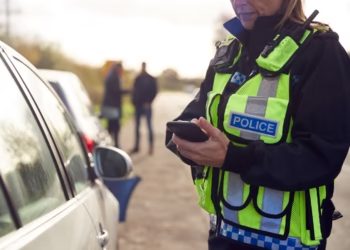 Motorists Could Face ‘Mandatory’ Driving Ban for Road Offences Under Tougher Laws
 Farage to Name Jenrick as Reform Chancellor Pick
 Snow and Rain Warnings as Cold Snap Continues in the UK
 UK MPs Demand Ban on Brazilian Butt Lifts
 Civil Service Pay: Union Urges Ministers to End ‘Barking Mad’ Limits
 Antonia Romeo appointment sparks criticism
 ‘Don’t Make Us Security Guards,’ Says Teacher Stabbed by Pupil
 Farage Chagos Islands Row Sparks Fury
 UK Job Vacancies Hit Five-Year Pandemic Low
 UK Youth Unemployment Surges Amid Tax Changes
 Reform UK targets workers’ rights repeal
 Half of Britons Avoid GP When Ill, Survey Reveals Growing Concern
 Strong Rebound for UK Housing Market Sees 6% More Homes
 Russian Trade Routed Through British Islands Exposed
 Mandelson Arrest: Met Apologises to Hoyle
 Rolling Hills and Heritage: A Car-Free Break in Leicestershire
 Switching Energy Deal Can Save £200 as Price Cap Falls
 Mother Says ‘I Hugged My Daughter’s Killer’ as They Cried Together in Prison
 Insulin Evidence in Letby Trial Under Scrutiny After Expert’s GMC Probe Emerges
 Trump rebukes Starmer over Iran strikes
 Calls Grow to Remove Billboard Following Lyra McKee Graffiti
 Gen Z Binge Drinking Surges in Early 20s
 BBC Charter Reform Sparks Independence Battle
 Thousands Protest Iran Strikes Outside US Embassy London
 UK Oil and Gas Supplies Reassured Amid Middle East Concerns
 Father Dies by Suicide Weeks After Wedding in Clitheroe
 ‘We can’t go back’: mother of six-year-old cancer survivor fears UK visa changes
 Teen Wins Payout After TRNSMT Crush Horror
 Palantir NHS Contract Sparks Fears Over Data Power
 ‘Heating Oil Suppliers Are Holding Us to Ransom’ as Prices and Cancellations Surge
 Yvette Cooper: UK Must Follow Principles, Not US Pressure