Published: 25 March 2026. The English Chronicle Desk. The English Chronicle Online.
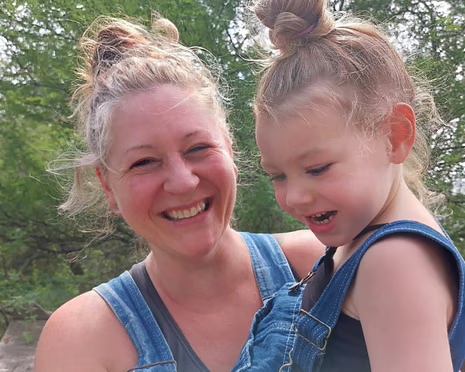
A troubling ICE detention warning has emerged from a Canadian mother held in the United States, raising serious concerns about immigration enforcement practices. The account from Tania Warner has sparked debate across borders, as her experience highlights fears among immigrants navigating legal pathways.
Warner, aged 47, is currently detained alongside her seven-year-old daughter at a facility in southern Texas. Her story has quickly drawn attention due to its emotional impact and the wider implications it carries. Speaking from detention, she urged others in similar situations to remain cautious and avoid unnecessary exposure to authorities.
Her warning was direct and rooted in personal experience, reflecting a deep sense of uncertainty. She claimed that even individuals following the legal process are not immune from detention risks. According to Warner, current enforcement practices under Donald Trump have intensified fears among immigrant communities.
The family’s situation began on 14 March during what should have been a routine journey home. They were returning from a family gathering when they encountered a border patrol checkpoint in Texas. At that moment, events unfolded rapidly, leading to their sudden detention without immediate clarity.
Warner and her daughter were taken into custody by Immigration and Customs Enforcement, widely known as ICE. They were initially processed and later transferred between facilities, adding to their distress. Despite presenting documentation, including a valid employment authorisation card, questions about her status persisted.

Her husband, a United States citizen, has expressed confusion over the circumstances surrounding her detention. He maintains that his wife’s documentation was valid until 2030, raising concerns about procedural inconsistencies. The family had settled in Texas after relocating from Canada in 2021 following their marriage.
The conditions described by Warner have intensified scrutiny of detention practices within immigration centres. She reported that individuals, including children, were handcuffed during processing procedures. Such measures, she argued, were excessive and deeply unsettling for families already under emotional strain.
Inside the initial facility, Warner described stark living conditions that compounded their ordeal. Detainees were reportedly forced to sleep on thin mats under constant artificial lighting. The lack of rest and privacy created an atmosphere that many would find difficult to endure.
She also alleged that access to legal representation was restricted during critical early stages of detention. According to her account, officials discouraged her from contacting a lawyer and encouraged voluntary departure. This pressure, she said, contributed to a sense of helplessness among detainees.
The psychological impact on her young daughter has been particularly concerning throughout the experience. Warner explained that her child, who is autistic, has struggled silently while trying to remain strong. Despite forming friendships with other children, signs of stress have become increasingly evident.
One such sign has been a persistent rash, which Warner believes is linked to emotional distress. Medical treatment has been limited, with basic medication provided but little deeper assessment offered. This has raised additional concerns about the adequacy of healthcare within such facilities.
Their transfer to another detention centre brought slight improvements but did not resolve fundamental issues. Warner noted that access to outdoor spaces and windows provided some relief compared to earlier conditions. However, constant surveillance and lack of privacy remained significant challenges.
The broader implications of her ICE detention warning extend beyond her individual case, resonating with immigrant communities globally. Many fear that legal compliance alone may no longer guarantee protection from detention. This perception could discourage individuals from engaging openly with immigration systems.
Legal experts have also begun examining the complexities surrounding her case, particularly regarding documentation validity. Questions remain about how immigration authorities interpret and enforce rules under evolving policies. Such uncertainty adds to the anxiety experienced by families navigating the system.
Efforts to secure their release are currently underway through legal channels and diplomatic intervention. A lawyer representing the family is seeking release on bond, reportedly set at a significant amount. This financial burden highlights another layer of difficulty faced by detained families.
Support has also come from Canadian officials seeking to intervene on humanitarian grounds. Amelia Boultbee has publicly advocated for urgent action to secure their release. She has described the situation as deeply concerning and called for strong diplomatic engagement.
Canadian authorities have acknowledged awareness of similar cases involving their citizens in US detention. However, they have indicated that their ability to intervene is limited by jurisdictional constraints. Consular support can be offered, but it does not override domestic legal processes.
This limitation reflects the broader challenge of addressing cross-border legal issues involving immigration enforcement. Each case must be handled within the framework of the host country’s laws. As a result, outcomes can vary significantly depending on specific circumstances.
The reopening of family detention centres has also drawn renewed criticism from human rights organisations. Facilities previously closed have been reactivated to accommodate increased enforcement measures. Critics argue that such centres are not suitable environments for children and families.
Warner’s experience has added a personal dimension to these broader concerns, making the issue more tangible. Her account has been widely shared across social media, amplifying public awareness. Many readers have expressed sympathy while questioning the fairness of current practices.

The emotional toll of detention, particularly on children, remains a central point of concern in this debate. Experts emphasise that prolonged uncertainty can have lasting psychological effects on young individuals. This adds urgency to calls for policy reviews and humane alternatives.
Meanwhile, Warner continues to navigate the legal process while coping with the challenges of detention. Her determination to remain with her family in the United States remains clear despite growing frustration. She has expressed both love for her family and disappointment with her treatment.
Her ICE detention warning ultimately reflects a broader climate of uncertainty within immigration systems today. It underscores the importance of transparency, consistency, and humane treatment in enforcement practices. Without these elements, trust between authorities and communities may continue to erode.
As discussions continue, her case may influence future approaches to immigration detention policies. It serves as a reminder that behind every legal case are human lives deeply affected by decisions. The outcome of this situation will likely be closely watched by observers on both sides of the border.
For now, Warner’s message continues to resonate strongly among immigrant communities seeking clarity and reassurance. Her experience highlights both the complexity and the human cost of immigration enforcement. Whether meaningful change will follow remains an open and pressing question.
Related News:
 Just Stop Oil Protesters Convicted Amid Climate Defence Row
 BBC to Apologise Over Edited Trump Speech Amid Backlash
 Britain deploys RAF specialists to assist Belgium with drone threats
 Palace May Restore Hyphen to Andrew Mountbatten-Windsor’s Name
 Greene Pushes Epstein Files Amid Trump Fallout
 Trump Deploys DHS to Charlotte in Major Arrest Operation
 December Run-Off in Chile as Election Produces No Winner
 Zelenskyy Signs Fighter Jet Deal Amid Russian Drone Attacks
 Orban Says Ukraine Has ‘No Chance’ as EU Support Continues
 Canada Passes Carney’s First Budget in Tight Parliamentary Vote
 Shadow Fleet at Sea: Europe’s Battle Against Illicit Oil Shipping
 Tiny Curacao Makes History as Smallest Nation to Reach World Cup
 Haiti Qualifies for World Cup Despite Coach Never Visiting Country
 Deadly Russian Strikes Hit Western Ukraine, 20 Killed in Ternopil
 Pentagon Officials in Ukraine to Discuss War End
 Ukraine Peace Plan: Zelensky Ready for Dialogue
 Royal Navy Shadows Russian Warships Entering the Channel
 US Suspends Afghan Immigration After White House Shooting
 Two National Guard Soldiers Critically Injured Near White House
 Georgians Defy Government Crackdown After Year of Protests
 Tokyo court rules Japan’s same-sex marriage ban constitutional
 ‘Extinct’ Antelope Returns to Sahara, Bringing Hope
 American Mother Extradited From UK to U.S. on Murder Charges
 Russia losses Ukraine war peace talks intensify amid rising deaths
 Facebook Slow to Remove Bondi Attack Praise, Anti-Hate Group Claims
 US Cities Erupt in Protests Against Trump’s Venezuela Military Action
 Albanese Opens Door to Bondi Royal Commission Amid Rising Pressure
 Trump Escalates Minnesota Immigration Surge Amid Rising Tensions
 Iran Protesters Defy Crackdown as Violent Clashes Intensify
 US Clears Nvidia AI Chip Sales to China in Policy Shift
 Trump Threatens Strong Action If Iran Executes Protesters
 Gulf states warn Trump Iran strikes risk wider Middle East war
 Machado Trump medal gesture reshapes Venezuela power struggle
 EU weighs response amid Greenland tariff crisis with Trump
 Sydney Shark Attack Surge Shocks Australia Beaches
 Thousands Flee Cambodia Scam Centres Amid Global Pressure
 EU Says US Ties Have Suffered ‘Big Blow’ After Greenland Crisis
 Andrew Hastie Emerges as Leadership Rival to Ley
 Videos reveal earlier clash before Alex Pretti shooting
 UK New Car Discounts Near £6,000 as Prices Are Slashed
 Israel Moves to Bar MSF From Gaza Operations
 Tragic Ski Lift Accident Claims Australian Snowboarder
 Portugal Election Delivers Socialist Win as Far Right Surges
 Australian Families Leave Syrian Camp for Home
 SA Police Intensify Search in Gus Lamont Case
 Trump Attacks UK-California Energy Pact
 Trump and Chagos Deal Rift Over Iran Strikes
 Andrew Arrest Sparks Republic Debate in Australia
 Global corruption crisis: Who Washington shields
 Farage Chagos Islands Row Sparks Fury
 Gold Rush in Gugulethu Leaves South Africans Desperate for Work and Hope
 Hilary Knight speaks out on Trump’s recent hockey remarks
 Trump Speech Sparks Intense Debate Across Divided America
 Has Europe truly learned from the failures of 2022?
 Social Media Trial: Woman Says Addiction Began at Six
 UK Personnel Near Iranian Missile Strike in Bahrain
 Trump Faces Questions Over Iran Conflict Plan
 Iran Civilian Deaths Surge Past 200 Amid Fear
 Herzog Asio meeting sparks security storm
 Trump rebukes Starmer over Iran strikes
 Middle East attacks intensify as Trump rejects Iran talks
 Iran-Iraq border airstrikes spark new tensions
 Petrol Prices Soar as Retailers Accused of Gouging Amid Global Tension
 Penny Wong silent on Australian crew in sub strike
 Australians on US Submarine in Iranian Warship Strike
 Oil Prices Surge Above $100 Amid Iran War
 Pete Hegseth Iran War Remarks Spark Alarm
 India T20 World Cup Triumph Seals Historic Title Defence
 Trump Pressures Congress Over Save America Act
 Iranian Football Squad Asylum Drama Shocks Australia
 Goma Drone Attack Kills Three as Conflict Escalates
 Queensland Protest Laws Spark Free Speech Backlash
 Eswatini Deal Sparks Global Outcry Over US Deportations
 Yvette Cooper: UK Must Follow Principles, Not US Pressure
 Trump Iran War Stance Hardens as Conflict Widens
 Iranian Captain Departs Australia Amid Asylum Tension
 Trump Nato threats expose Iran strategy vacuum
 Iran War Warning: Starmer Backs Ukraine Visit
 Iran World Cup Move Talks Raise Global Concerns
 Philippines energy emergency sparks coal power surge