Published: 26 March 2026. The English Chronicle Desk. The English Chronicle Online.
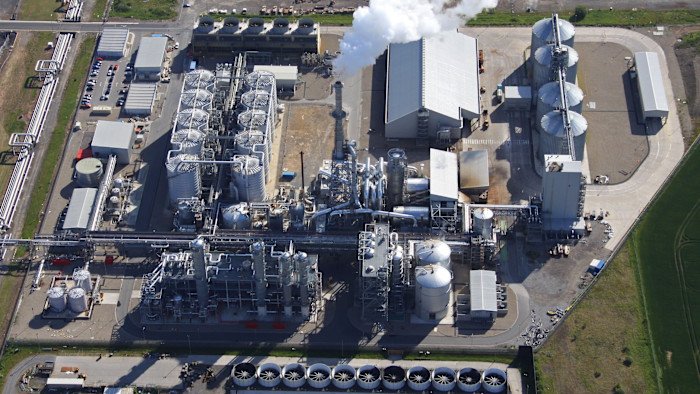
The British government has taken a significant step to secure the nation’s supply chains by announcing the reopening of a major industrial facility on Teesside. This decision comes as a direct response to the escalating conflict in the Middle East and concerns over a potential UK CO2 shortage. Business Secretary Peter Kyle officially approved the restart of the Ensus plant after authorizing a substantial investment of one hundred million pounds. This strategic move aims to bolster the domestic production of carbon dioxide which serves several critical sectors across the United Kingdom. The gas is an essential component for carbonating popular beverages and maintaining the freshness of various food products during transit. It also plays a vital role in medical procedures and the sedation of livestock within the agricultural industry.
The Ensus facility was originally mothballed last September following a trade agreement between Prime Minister Keir Starmer and Donald Trump. That deal significantly reduced tariffs on bioethanol imports from the United States which rendered domestic production less competitive. Because carbon dioxide is a natural byproduct of ethanol fermentation the closure of the plant immediately impacted the local supply. An unnamed government official recently noted the irony of the situation to the Financial Times earlier today. They pointed out that the plant closed due to a trade deal but now reopens because of war. The Department for Business and Trade is expected to provide further details regarding the operational restart this Thursday.

Under the current agreement the government will provide financial support to keep the site running for three months initially. Officials remain hopeful that the facility can continue to operate indefinitely if global market conditions remain volatile. Grant Pearson serves as the chair of Ensus UK and he welcomed the new government support package. He stated that this investment would strengthen the manufacturing economy of the Teesside region and improve national resilience. The supply of biogenic carbon dioxide is particularly important for hospitals and the nuclear power industry right now. Without a steady internal source the country remains vulnerable to the shifting tides of international geopolitics and trade.
The Business Secretary emphasized that the government is committed to protecting British businesses from the impacts of global uncertainty. He explained that intervening last autumn to keep the plant on standby was a necessary precautionary measure. By restarting the plant now the government has acted swiftly to protect critical sectors like healthcare and food. This intervention is designed to prevent a severe UK CO2 shortage from damaging the wider British economy this year. Many jobs in the Middlesbrough area depend on the continued success and stability of this specific industrial site. The community has faced significant anxiety since the plant was first idled during the previous autumn season.
This major state intervention is intended to curb potential shortages that might be triggered by the ongoing war. Energy experts at Cornwall Insight have already issued warnings about the financial impact of the current overseas conflict. They predicted that rising energy costs could increase electricity bills for businesses by up to thirty percent soon. Gas bills for commercial enterprises might see even more dramatic increases of up to eighty percent this year. These rising costs make domestic production of essential gases like carbon dioxide much more expensive for private companies. Therefore the government believes that direct financial support is the only way to ensure a stable supply.
The Ensus plant has been a fixture of the Teesside industrial landscape since it first opened in 2010. It utilizes advanced distillation and fermentation processes to convert British wheat into high quality bioethanol for transport fuel. During this process the plant also generates high protein animal feed which supports the local farming community. The production of carbon dioxide as a byproduct makes the facility a multi-purpose asset for the region. Headquartered in Middlesbrough the company provides direct employment for approximately one hundred skilled workers in the north east. Their expertise is crucial for maintaining the technical standards required for such a complex industrial operation.
Securing a domestic UK CO2 shortage solution is seen as a priority for the current administration in London. The reliance on international imports has proven risky during times of heightened military tension and fluctuating trade barriers. By producing the gas locally the UK can reduce its carbon footprint associated with long distance shipping. This aligns with broader environmental goals while simultaneously addressing the immediate needs of the manufacturing and medical sectors. Industry leaders have praised the move as a sensible step toward national self-sufficiency in a turbulent world. They argue that critical infrastructure should never be entirely dependent on the whims of foreign trade partners.
The broader implications of the war in Iran continue to ripple through the global energy and commodities markets. Many analysts believe that the volatility will persist for several months as diplomatic efforts continue to stall. This creates a challenging environment for British manufacturers who require predictable costs and steady supplies of raw materials. The reopening of the Ensus plant provides a much needed buffer against these external shocks for the time being. It ensures that supermarkets can keep shelves stocked and hospitals can continue performing essential surgical procedures safely. The government intends to monitor the situation closely to determine if further financial interventions will be necessary.
As the plant prepares to resume its operations the local workforce is getting ready to return to work. The restart process involves rigorous safety checks and equipment testing to ensure everything functions at peak efficiency. Ensuring that the UK CO2 shortage does not become a reality requires a seamless transition back to full production. The government investment will cover the high operational costs associated with restarting such a large scale industrial facility. Residents of Teesside are hopeful that this move signals a long term commitment to the regional economy. They see the plant as a symbol of British industrial capability and a vital part of their community.

The decision to fund the reopening also highlights the complex relationship between trade policy and national security interests. While the trade deal with the United States offered certain economic benefits it also created unforeseen domestic vulnerabilities. Balancing the advantages of free trade with the necessity of maintaining internal production capacity is a constant challenge. The current crisis has forced a reassessment of how the UK manages its essential resource supplies moving forward. Avoiding a UK CO2 shortage is now viewed as a matter of national importance rather than just a commercial issue. This shift in perspective could influence future government decisions regarding other critical manufacturing sectors in the country.
Looking ahead the success of the Ensus plant will depend on both government support and market demand for bioethanol. If energy prices stabilize the facility may be able to operate without direct state subsidies in the future. However the immediate focus remains on mitigating the risks posed by the conflict and ensuring industrial stability. The collaboration between the Department for Business and Trade and private industry serves as a model for future interventions. It demonstrates a proactive approach to economic management that prioritizes the welfare of British citizens and businesses. The coming months will be a crucial period for testing the effectiveness of this strategic industrial policy.
By securing this vital resource the government is sending a clear message to international markets about British resilience. The proactive stance taken by Peter Kyle suggests that the administration is willing to spend to protect the economy. This should provide some comfort to investors and business owners who have been worried about the rising costs. While the future remains uncertain the reopening of the Teesside plant offers a glimmer of hope for stability. It proves that domestic industry can be revived when there is sufficient political will and financial backing. The UK CO2 shortage may have been a looming threat but the nation is now better prepared.
Related News:
 Tories Push to Dilute Labour’s Workers’ Rights Bill
 Wales May Introduce Four-Day Work Week After Elections
 Trump’s UK Ambassador Urges North Sea Drilling to Strengthen US Ties
 Rachel Reeves Set to Break Labour Pledge and Raise Income Tax
 Thinktanks Urge Rachel Reeves to Reform UK Tax System
 Company linked to Michelle Mone owes £39m in tax
MPs Press Rachel Reeves to Hike Gambling Taxes
Company linked to Michelle Mone owes £39m in tax
MPs Press Rachel Reeves to Hike Gambling Taxes
 Cuts to home insulation funding threaten UK climate goals
 Millionaires group urge Reeves to introduce wealth tax to ‘lift kids out of poverty’
 Canada Passes Carney’s First Budget in Tight Parliamentary Vote
 PM Highlights UK Business at G20 in South Africa
 English Mayors Set to Introduce Tourist Taxes
 India’s Labour Law Overhaul Sparks Fierce Debate
 Carney’s Alberta Pipeline Deal Sparks Immediate Pushback
 Starmer Says Labour’s Economic Plan Needs Years to Deliver
BBC bosses ‘right to stick by their guns’ against Trump, says minister
Starmer Says Labour’s Economic Plan Needs Years to Deliver
BBC bosses ‘right to stick by their guns’ against Trump, says minister
 Closer EU Trade Ties ‘Strategic Necessity’ for UK Firms
 Austrian Airlines Halts Tehran Flights Amid Political Unrest
 Starmer links foreign trips to tackling cost of living crisis
 Mark Carney Walks Diplomatic Tightrope on China Visit
 Government Unveils Northern Powerhouse Rail Plans
 China Dependence Threatens UK Energy Supply Chains and Jobs
 MPs warn AI financial risks threaten UK stability
 MPs warn AI financial risks threaten UK stability
 Trump Fed bid heads to Supreme Court
 Starmer Plans UK-China Visit Amid Business and Diplomatic Goals
 UK Government Borrowing Drops to £11.6bn in December
 Labour Must Revive High Streets to Avoid Election Collapse
 Keir Starmer meets Xi to strengthen UK-China economic relations
 UK food industry urges transition if post-Brexit rules reset
 AstraZeneca China Investment Signals Strategic Shift Abroad
 EU Signals Open Mind on UK Customs Union Talks
 Barclays drops Global Counsel after Mandelson link scrutiny
 Unsustainable gaps in franchise policing, MPs warn
 UK shelves £110m border project amid trade strain
 Sanders Condemns Billionaire ‘Greed’ in California Tax Debate
 Tim Wilson Backs RBA Dual Mandate Amid Inflation Debate
 UK Sees Record £30.4bn Budget Surplus, Boosting Reeves’ Position
 SNP Charging £750 per Ticket for Business Event Featuring ‘Beer and Blether’ with Stephen Flynn
 Tax Reform Tensions Deepen Amid Bill Kelty’s Capital Gains Tax Challenge
 Ministers Urged to Ban Crypto Political Donations
 Reeves Must Back Defence Plan or Face Dismissal, Says Unite Chief
 OBR Reform Row Deepens Before Spring Forecast
 Nissan Sunderland Plant Faces Uncertain Future Under EU Rules
 UK Avoids Wider Middle East Conflict, Vows Support
 UK Doubles Steel Tariffs to 50% to Protect Domestic Plants
 Starmer Adviser Urges New Profit Cap on Energy Firms
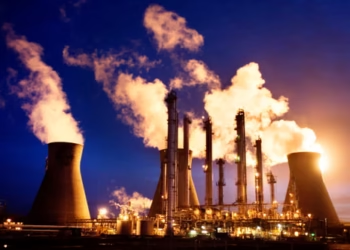 Verdant report: Doge of the Left could save £30bn
 Reeves Faces Setback as Labour May Miss Homes Target
 Army Officers Orders to Cut Ties with Men-Only Clubs
 Ryanair Chief UK Economy ‘Doomed’ Under Labour
M&S Profits More Than Halve After Cyber-Attack
BBC to Apologise Over Edited Trump Speech Amid Backlash
Ryanair Chief UK Economy ‘Doomed’ Under Labour
M&S Profits More Than Halve After Cyber-Attack
BBC to Apologise Over Edited Trump Speech Amid Backlash
 Britain deploys RAF specialists to assist Belgium with drone threats
 Reeves rejects £1bn plea for NHS redundancy payouts
 PM Condemns Leaks, Vows Loyalty to Ministers and Stability
 Greene Pushes Epstein Files Amid Trump Fallout
 Shadow Fleet at Sea: Europe’s Battle Against Illicit Oil Shipping
 Khaleda Zia Death in Bangladesh: First Female PM Dies at 80
 US Senate rejects resolution limiting Trump military powers
 No Gas Boiler Ban as UK Warm Homes Plan Backs Heat Pumps
 Sussan Ley leadership milestone shakes Liberal future
 Police response times face strict new national limits
 US Dollar Hits Four-Year Low Amid Market Turmoil
 Australia’s Opposition Coalition Reunites After Rift
 Could Manchester Lead the UK’s Economic Revival?
 Australian Families Leave Syrian Camp for Home
 Civil Service Pay: Union Urges Ministers to End ‘Barking Mad’ Limits
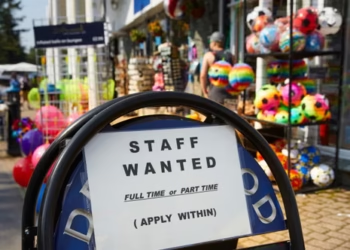 UK Job Vacancies Hit Five-Year Pandemic Low
 UK Youth Unemployment Surges Amid Tax Changes
 Russian Trade Routed Through British Islands Exposed
 Thousands Protest Iran Strikes Outside US Embassy London
 Oil Prices Surge Above $100 Amid Iran War
 UK Oil and Gas Supplies Reassured Amid Middle East Concerns
 Trump Pressures Congress Over Save America Act
 Queensland Protest Laws Spark Free Speech Backlash
 Trump Nato threats expose Iran strategy vacuum
 Sri Lanka Sets Weekly Shutdown to Save Fuel
 Charity Watchdog Takes Control of Learning Disability Care Home
 NHS Satisfaction Rises for First Time Since 2019