Published: 26 March 2026. The English Chronicle Desk. The English Chronicle Online.
The global economic landscape is currently facing a period of intense pressure and uncertainty. A major inflationary spike is threatening the stability of several major European and Asian nations. This shift comes as soaring fuel prices create a ripple effect across the international market. Organizations like the OECD are now issuing stern warnings about the future of global commerce. These experts suggest that the world economy stands on the brink of significant disruption. Local economists are also responding to these shifts with a sense of high urgency. They have started slashing the Australian growth forecasts for the current year and the next. This downward revision is a direct result of the ongoing conflict in the Middle East. Specifically, the military tensions involving the United States, Israel, and Iran are causing deep concern. Markets are reacting sharply to the potential for a prolonged period of regional instability.
The Organisation for Economic Cooperation and Development released its latest interim outlook report recently. This document highlights how the war will test the resilience of the global economy. There is a significant downside risk if oil supply disruptions prove to be persistent. If energy prices remain at these elevated levels, the impact will be very severe. The Paris-based organization predicts that inflation across G20 countries will reach four per cent soon. This figure is over one percentage point higher than what was previously anticipated. Such a rise reflects the volatile nature of the current geopolitical environment today. The closure of the Strait of Hormuz has changed many financial calculations globally. This vital shipping lane is essential for the movement of global energy supplies. Its restricted access has led to an immediate spike in crude oil prices.

Analysts have noted that the international crude oil benchmark is trading very high. It recently reached one hundred and four dollars per barrel in late trade. This represents a seventy per cent increase since the beginning of the year. Such a dramatic rise in costs places a heavy burden on industries. Many sectors rely heavily on affordable energy to maintain their daily production levels. The energy price shock has also overshadowed other positive developments in the market. Previously, there was great hope for an artificial intelligence investment boom this year. This technological surge was expected to provide a needed boost to global growth. However, the high cost of energy has effectively squashed those optimistic expectations now. Financial markets are now pricing in the long-term consequences of these infrastructure damages. The OECD report suggests that the consequences could be worse than currently expected.
In the domestic sphere, Australian growth is facing a very challenging set of circumstances. Adelaide Timbrell is a senior economist at the prominent ANZ banking group. She noted that higher oil prices are a major blow to prosperity. Climbing interest rates are also weighing heavily on the minds of local consumers. These factors combined are expected to dampen the national economic performance significantly soon. Timbrell predicts that the local growth rate will drop to nearly one per cent. This is a material downward revision from the forecasts shared earlier this year. It represents only half of the growth seen during the previous calendar year. Such a slowdown suggests that the era of easy expansion is over. The lingering effects of the war will likely be felt well into 2027. This long-term outlook creates a sense of caution among many business leaders.
The Revised GDP figures reflect a cooling of the once-hot national economy. ANZ is now forecasting a growth of one point eight per cent next year. This is a significant drop from the two point two per cent predicted. Inflation is another major concern for the average Australian household at this time. Experts believe inflation will reach nearly five per cent by the month of June. It is expected to remain high throughout the remainder of the calendar year. These forecasts assume that energy prices might eventually see some moderate relief later. There is also an assumption that the national fuel supply remains largely stable. If mandatory rationing becomes necessary, the economic outlook would become much darker indeed. For now, the focus remains on managing the immediate impact of high costs. The transition to a high-inflation environment requires a major shift in policy.
The chief economist at Barrenjoey, Jo Masters, has offered a clear perspective. She described the current situation as both an inflation and growth shock. In the first instance, the rise in prices is the most pressing. Households are starting to feel the pinch when they go to shop. However, Masters also noted that many Australians still have some financial buffers. The national savings rate remains higher than the long-term historical average today. Many people have been making additional payments on their home mortgages recently. This means that while life feels harder, there is some underlying strength. People will certainly feel like their quality of life is declining slightly. However, the aggregate wealth of the nation provides a small safety net. This buffer may help prevent a more severe domestic economic collapse.
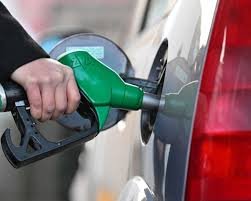
The lead partner at Deloitte Access Economics has also weighed in recently. Pradeep Philip stated that a difficult period for the nation is beginning. He pointed to the visible trajectory of rising unemployment and high inflation. This combination is often a sign of a cooling or contracting economy. Despite the oil shock, he does not foresee a return to stagflation. The double-digit misery of the nineteen-seventies is not currently the primary expectation. However, the pressure on the average citizen will still be very real. Official numbers often fail to capture the daily struggle of the public. People see the rising costs at the petrol bowser every week. They notice the increasing prices of food and basic transport services daily. These small increases add up to a significant burden over several months.

The government is now under pressure to provide some form of relief. Navigating an international energy crisis requires a very delicate and steady hand. Policy makers must balance the need for growth with the necessity of cooling. If they move too fast, they risk triggering a deeper recession. If they move too slowly, inflation could spiral out of control easily. The Australian growth story has always been tied to global energy trends. As a major exporter, the nation has some natural advantages in trade. Yet, as a consumer of finished goods, it remains highly vulnerable too. The current global instability is testing the foundations of the modern trade. Every sector, from agriculture to mining, is feeling the heat of change. Logistics companies are finding it harder to maintain their usual profit margins.
Looking ahead, the road to recovery appears to be quite long. Economists will continue to monitor the situation in the Middle East closely. Any further escalation could lead to even more drastic forecast revisions soon. For now, the message to the public is one of caution. Saving money and reducing unnecessary debt is a wise strategy for families. Businesses are also being advised to streamline their operations for maximum efficiency. The era of high energy costs may be here for years. Adapting to this new reality is the primary challenge for everyone. Australia has shown resilience in the face of past global economic shocks. There is a hope that this current period will be no different. However, the path forward requires careful planning and a lot of patience. The world is watching how the major powers handle this crisis.
In conclusion, the global economy is navigating a very turbulent and risky sea. The Australian growth trajectory has been altered by events far beyond its borders. High inflation and rising energy costs are the new defining features. While the nation has buffers, the pressure on households is undeniable today. The next few months will be critical for the national financial outlook. Everyone from policymakers to parents must stay informed and remain very flexible. The English Chronicle will continue to provide updates on these important matters. Understanding these trends is the first step toward managing a secure future. We must all prepare for a slower pace of expansion for now. Stability remains the ultimate goal for the global financial system today.
Related News:
 UPS Cargo Plane Crash in Kentucky Kills Seven
 US private equity set to acquire UK online retailer Very Group
 Switzerland Rolls Out Charm Offensive to Cut Trump’s 39% Tariffs
 Canada Passes Carney’s First Budget in Tight Parliamentary Vote
 India’s Labour Law Overhaul Sparks Fierce Debate
 Carney’s Alberta Pipeline Deal Sparks Immediate Pushback
 Austrian Airlines Halts Tehran Flights Amid Political Unrest
 Mark Carney Walks Diplomatic Tightrope on China Visit
 Wall Street shaken by Trump tariff shock as markets tumble
 ‘Black Tax’: Burden, Pride and Survival for African Workers
 UK New Car Discounts Near £6,000 as Prices Are Slashed
 Coles Discounts Under Fire in Federal Court
 Trump Tower Gold Coast to Redefine Skyline
 Rory Amon Trial: Alleged Victim Speaks in Court
 Oil Prices Surge as Iran War Jolts Markets
 Gulf shipping crisis as war risk cover pulled
 Global markets face turmoil as Hormuz crisis deepens
 Gulf shipping crisis sparks food price fears
 Oil Prices Surge Above $100 Amid Iran War
 G7 Weighs Emergency Oil Reserves as Prices Surge
 Brazil Floods Warning as Scientists Urge Fossil Fuel Exit
 Asia Scrambles to Confront Energy Crisis Amid Iran War
 The Truth Behind Rising Energy Costs and Fossil Fuel Myths
 UniCredit’s Bold Move to Reshape European Banking
 RBA rate hike sparks fears amid global crisis
 UK Wage Growth Slows as Jobs Market Holds Firm
 Oil Slides, Stocks Jump on Trump Peace Signals
 ABC Staff Strike Over Pay and AI Concerns
 Middle East Conflict to Hit UK Economy Hardest
 China’s crackdown on civil servant perks sparks economic concerns
 Shein UK Faces Allegations of Shifting Majority of Profits to Singapore to Reduce UK Tax
 Reeves Faces Setback as Labour May Miss Homes Target
 Virgin Trains Moves Closer to Challenging Eurostar Monopoly
 Trump’s UK Ambassador Urges North Sea Drilling to Strengthen US Ties
 Ryanair Chief UK Economy ‘Doomed’ Under Labour
 M&S Profits More Than Halve After Cyber-Attack
BBC to Apologise Over Edited Trump Speech Amid Backlash
M&S Profits More Than Halve After Cyber-Attack
BBC to Apologise Over Edited Trump Speech Amid Backlash
 Britain deploys RAF specialists to assist Belgium with drone threats
 Millionaires group urge Reeves to introduce wealth tax to ‘lift kids out of poverty’
 From Lego to Pokémon: How Adults Are Driving UK Toy Market Growth
 Greene Pushes Epstein Files Amid Trump Fallout
 December Run-Off in Chile as Election Produces No Winner
 Zelenskyy Signs Fighter Jet Deal Amid Russian Drone Attacks
 Shadow Fleet at Sea: Europe’s Battle Against Illicit Oil Shipping
 Tiny Curacao Makes History as Smallest Nation to Reach World Cup
 US Suspends Afghan Immigration After White House Shooting
 Georgians Defy Government Crackdown After Year of Protests
 Starmer Says Labour’s Economic Plan Needs Years to Deliver
 ‘Extinct’ Antelope Returns to Sahara, Bringing Hope
 Facebook Slow to Remove Bondi Attack Praise, Anti-Hate Group Claims
 US Clears Nvidia AI Chip Sales to China in Policy Shift
 Gulf states warn Trump Iran strikes risk wider Middle East war
 Sydney Shark Attack Surge Shocks Australia Beaches
 EU Says US Ties Have Suffered ‘Big Blow’ After Greenland Crisis
 US Dollar Hits Four-Year Low Amid Market Turmoil
 Portugal Election Delivers Socialist Win as Far Right Surges
 BT Names New Openreach Chief Amid Major Fibre Expansion
 Australian Families Leave Syrian Camp for Home
 Andrew Arrest Sparks Republic Debate in Australia
 Farage Chagos Islands Row Sparks Fury
 UK Job Vacancies Hit Five-Year Pandemic Low
 UK Youth Unemployment Surges Amid Tax Changes
 Strong Rebound for UK Housing Market Sees 6% More Homes
 Bill Gates ‘Took Responsibility’ Over Epstein Ties in Staff Meeting, Foundation Says
 Hilary Knight speaks out on Trump’s recent hockey remarks
 Has Europe truly learned from the failures of 2022?
 Switching Energy Deal Can Save £200 as Price Cap Falls
 Trump Faces Questions Over Iran Conflict Plan
 Iran Civilian Deaths Surge Past 200 Amid Fear
 Herzog Asio meeting sparks security storm
 Trump rebukes Starmer over Iran strikes
 Petrol Prices Soar as Retailers Accused of Gouging Amid Global Tension
 Penny Wong silent on Australian crew in sub strike
 Trump Pressures Congress Over Save America Act
 Goma Drone Attack Kills Three as Conflict Escalates
 Queensland Protest Laws Spark Free Speech Backlash
 Trump Nato threats expose Iran strategy vacuum
 Charity Watchdog Takes Control of Learning Disability Care Home
 Australia Imposes Sudden Travel Ban on Iranian Visitors
 Trump Facing Backlash from Epstein Survivors Over Files