Published: 30 March 2026. The English Chronicle Desk. The English Chronicle Online.
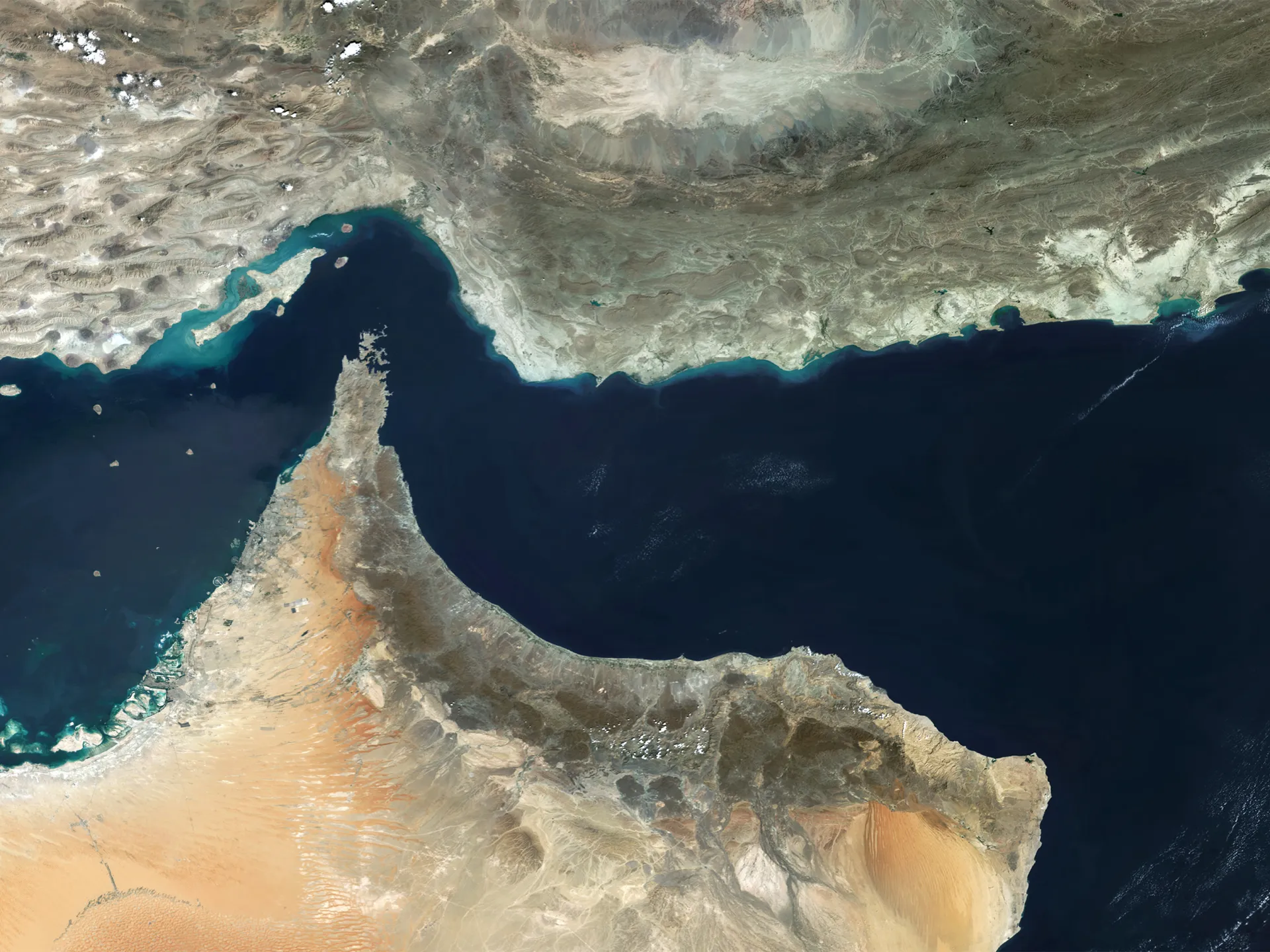
The recent arrival of United States ground invasion forces in the Middle East has provided Donald Trump with the necessary muscle for a perilous attempt to forcibly reopen the Strait of Hormuz. This waterway remains the primary pressure point for Iran in the ongoing conflict between the two nations. Tehran maintains a significant chokehold on the narrow passage through which approximately one fifth of the global oil trade must pass every day. This strategic leverage is clearly understood by the American president as global oil prices have recently rocketed to more than 100 dollars per barrel. While the bombing of Iranian targets continues across the region, Trump has publicly stated that he is still prepared to give diplomacy a chance. However, he also made his underlying intentions quite clear during a recent statement on Sunday when he remarked that his favorite option was to simply take the oil in Iran.
Military analysts suggest that the White House is currently weighing two primary options for breaking the Iranian blockade of the vital shipping lane. The first involves the direct seizure of Iranian territory while the second would require the deployment of a massive and permanent naval presence within the waterway itself. Experts warn that even a limited ground incursion carries the risk of a high body count that could potentially sink a presidency. For the Iranian leadership, the presence of American boots on the ground would represent a definitive red line that would trigger an immediate and violent escalation. Emma Salisbury, who serves as a senior fellow at the Foreign Policy Research Institute, believes that Trump may find the prospect of capturing an Iranian island in the Gulf impossible to resist. She noted that the president has chosen the path of escalation at every turn so far and expects this situation to be no different.

According to various international mediators, Iran has already issued a chilling threat regarding any potential American ground assault on its sovereign territory. Tehran has warned that it is prepared to carpet bomb its own soil to ensure that any invading American soldiers are killed. Diplomats involved in the talks suggest that the Iranian government is willing to destroy its own critical infrastructure to inflict maximum damage on the invading forces. Mohammad Bagher Ghalibaf, the speaker of the Iranian parliament, has accused the United States of publicly seeking negotiations while privately planning a massive ground assault. He claimed that Iranian soldiers are currently waiting for the arrival of American troops so that they can set them on fire. Ghalibaf is widely seen as a likely representative for Iran if any formal peace talks eventually take place between the two warring nations.
The military build-up in the region reached a new level on Saturday when half of a contingent of 5,000 marines arrived in the Middle East. These specialized units are highly trained in amphibious landings and are expected to be joined shortly by about 2,000 paratroopers. Kharg Island is considered the most obvious target for any initial American operation because it serves as the main oil export terminal for the country. While seizing a small island might be the easier part of the mission, experts warn that such a small force would be spread dangerously thin. Once the territory is taken, the real danger would begin as Iran would likely rain down a relentless barrage of rockets and drones. The current troop numbers are still far short of what would be required for a significant land operation similar to the 2003 invasion of Iraq.
Beyond the islands, the Trump administration is also reportedly considering a much riskier mission involving a swoop into the Iranian mainland itself. The objective of such an operation would be to seize the stockpile of highly enriched uranium that Iran is thought to have buried underground. This complex task would require the specialized skills of elite special operations forces and would likely face intense resistance from local defenders. Trump told the Financial Times that while taking Kharg Island is an option, it would require a long-term American presence to remain viable. The logistical difficulty of such a move is compounded by the fact that the island sits deep inside the Gulf. This location makes any stationed American soldiers highly vulnerable to attacks from the mainland while also complicating the necessary supply lines for the occupying force.
The Strait of Hormuz is also commanded by a series of other Iranian islands including Qeshm, which is the largest in the chain. Three smaller islands known as Abu Musa, Greater Tunb, and Lesser Tunb provide the strategic backbone of the Iranian hold over the narrow channel. Ruben Stewart of the International Institute for Strategic Studies suggested that the current deployment might merely be a show of force. He argued that it would be extremely difficult for American troops to hold any of these islands for more than a few days. Even if a landing is feasible, it may not achieve anything meaningful in a broader military sense. Opening the strait for commercial navigation would still require a massive commitment of naval escorts, minesweeping operations, and constant air support to protect tankers from ongoing attacks.

This massive mission would likely require so many warships that the United States would have to lean heavily on its international allies. Both the United Kingdom and various European nations would be expected to contribute significant naval assets to the effort. The American military is currently facing a particular shortage of minesweepers which are essential for clearing the waterway for safe passage. So far, the Pentagon has stated that it does not have the sufficient resources required to guard every commercial ship in the region. The challenge for the Western coalition could be about to multiply as other regional actors enter the fray. Iran-allied Houthi forces in Yemen officially entered the conflict on Saturday by firing a series of missiles toward targets in Israel.
There are growing concerns that the Houthis could now begin attacking vessels passing through the narrow strait at the southern end of the Red Sea. This area represents another crucial shipping route that is vital for the stability of the global economy and energy markets. If this second front opens up, the United States and its partners would be left with two distinct and dangerous waterways to secure. This would stretch naval resources even further and increase the likelihood of a direct military confrontation with Iranian-backed forces across multiple theaters. The risk of a broader regional war continues to loom over the Middle East as both sides harden their positions. For now, the world watches the Gulf with bated breath as the prospect of a ground war becomes increasingly real.
Related News:
 Canada-China trade gains momentum in new strategic partnership
 India-EU Free Trade Deal Marks Historic Economic Shift
 Keir Starmer meets Xi to strengthen UK-China economic relations
 UK Experts Raise Alarm Over Machinery Export to Armenian Firm
 Caffè Nero Warns Coffee Prices May Rise Again
 Abramovich Chelsea Sale Cash Faces Jersey Probe
 Stocks rise as Trump offers Iran peace plan
 Reeves Faces Setback as Labour May Miss Homes Target
 Virgin Trains Moves Closer to Challenging Eurostar Monopoly
 Trump’s UK Ambassador Urges North Sea Drilling to Strengthen US Ties
 Ryanair Chief UK Economy ‘Doomed’ Under Labour
 M&S Profits More Than Halve After Cyber-Attack
 Tony Blair think tank warns Rachel Reeves must cut taxes if manifesto broken
 Earl of Yarmouth Faces £1.3m Legal Bill Over Family Estate
 Millionaires group urge Reeves to introduce wealth tax to ‘lift kids out of poverty’
 From Lego to Pokémon: How Adults Are Driving UK Toy Market Growth
 New laws to bolster UK’s defences against cyber attacks on NHS, transport and energy
 Skims Eyes Global Expansion After Reaching $5 Billion Value
 Global markets drop amid tech sell-off and China slowdown
 Canada Passes Carney’s First Budget in Tight Parliamentary Vote
 Mossmorran Plant Closure Hits Cowdenbeath Hard
 Starmer Says Labour’s Economic Plan Needs Years to Deliver
 Virgin Media Fined £23.8m Over Telecare Safety Failures
 Rising Water Bills Lift Troubled Thames Back to Profit
 FTSE 100 Hits 10,000: UK Market Celebrates Record Year
 UK House Prices Fall Sharply at Year-End, Nationwide Reports
 Capitol Attack Anniversary Sparks Deep Political Divide
 Saudi Officials Report Zubaidi Flee Before Yemen Peace Talks
 UK Targets in New York Bomb Threat Hoax: Man Jailed
 Gambia Supreme Court Hears Case to Overturn FGM Ban
 Wessex Water chiefs receive £50,000 extra despite government bonus ban
 Trump targets Iran trade with 25% tariff warning
 US Senate rejects resolution limiting Trump military powers
 Gulf states warn Trump Iran strikes risk wider Middle East war
 Machado Trump medal gesture reshapes Venezuela power struggle
 Greenland defence seen as shared Nato duty amid troop arrivals
 Geopolitical football: Iran, Trump and the World Cup clash
 Syria President Declares Victory as Ceasefire Reached with SDF
MPs warn AI financial risks threaten UK stability
Syria President Declares Victory as Ceasefire Reached with SDF
MPs warn AI financial risks threaten UK stability
 MPs warn AI financial risks threaten UK stability
 Shinzo Abe’s killer receives life sentence in Japan
 B&M and The Works Struggle During Christmas Trading
 China General Under Investigation Amid Leadership Purge
 Philippines ferry disaster leaves 15 dead, dozens missing
 US Dollar Hits Four-Year Low Amid Market Turmoil
 Amazon mistakenly signals new global layoffs to employees
 Households in England Face Rising Water Bills in April
 UK needs new factory to reach 1.3m car target, says industry chief
 UK New Car Discounts Near £6,000 as Prices Are Slashed
 Cambridge Faces Scrutiny Over Arms Investment Transparency
 Study Finds One in Seven England Takeaways Are Dark Kitchens
 Epstein UAE Emails Shake British Royal Andrew’s Legacy
 Christchurch gunman seeks to vacate guilty plea
 Telstra AI jobs cuts as automation drive expands
 BT Names New Openreach Chief Amid Major Fibre Expansion
 Infantino Faces Russia Threat and Trump Concerns at Uefa Congress
 Concerns rise for Canberra boy amid Iran detention fears
 Royal Mail Blames Poor Weather and Sickness for Delayed Deliveries
 Glencore Approves $2bn Payout Despite Profit Slump
 Uncertainties Loom for Businesses and Consumers After Trump’s Tariff Changes
 UK Job Vacancies Hit Five-Year Pandemic Low
 Trump’s new tariff takes effect at lower than expected rate
 UK Youth Unemployment Surges Amid Tax Changes
 Strong Rebound for UK Housing Market Sees 6% More Homes
 Engie UK Power Networks Deal Seals £10.5bn Buy
 Reeves Must Back Defence Plan or Face Dismissal, Says Unite Chief
 Switching Energy Deal Can Save £200 as Price Cap Falls
 UK house prices rise as market steadies
 Oil Prices Surge Above $100 Amid Iran War
 Ukraine Sends Drone Experts to Defend US Bases in Jordan
 Revealed: UK AI Push Faces Phantom Investment Claims
 Tesla Enters British Energy Market Following Ofgem Approval
 Yvette Cooper: UK Must Follow Principles, Not US Pressure
 UniCredit’s Bold Move to Reshape European Banking
 UK Wage Growth Slows as Jobs Market Holds Firm
 Charity Watchdog Takes Control of Learning Disability Care Home
 Slovenia Election: A Nation at a Crossroads
 Jury Rules Meta and YouTube Liable for Addictive Design
 Saudi Arabia Urging US to Keep Up Iran Attacks
 The Woman Guarding Earth From the Threat of Asteroids