Published: 30 March 2026. The English Chronicle Desk. The English Chronicle Online.
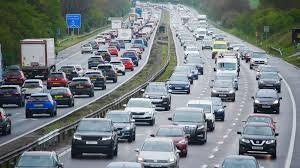
The upcoming four day bank holiday weekend is expected to be the busiest Easter on the roads in four years. This surge comes despite a significant rise in fuel prices caused by the ongoing conflict in the Middle East. Drivers are planning nearly twenty one million leisure journeys between this Thursday and the following Easter Monday afternoon. These figures come from a detailed study conducted by the RAC and the traffic specialists at Inrix. There are more than one million additional trips planned compared with the total from last year. This Easter is set to be the busiest for road travel since the spring of 2022. That year marked the first full getaway after the long period of national Covid lockdowns ended. Signs that the weather could finally warm up mean the number of journeys could rise further. The RAC suggests that many people will make last minute decisions to head out for the day.
The AA predicted that traffic during the Easter period would reach its peak on this coming Thursday. This coincides with the date when many schools across the country officially break up for their holidays. Just over half of the people surveyed expect to travel short distances of under fifty miles. About one in five people plan to visit friends and family over the long spring weekend. One in ten people want to head outdoors for activities like walking or coastal cycling trips. Another five percent of drivers expect to visit DIY stores or local garden centres for projects. Lee Morley is an expert patrol member at the AA who monitors these national travel trends. He noted that families are looking forward to the break after a very long wet winter. Many people feel a strong need to get away after months of grey and rainy weather.

With better weather forecast for much of the country, routes to the coast will be especially busy. Roads around major town and city centres and retail parks are also expected to see heavy traffic. Network Rail has already alerted travellers to several planned essential engineering works and various system upgrades. These projects will take place over the bank holiday weekend and will likely increase road traffic levels. Rail engineers will work on more than two hundred and seventy upgrade projects across Great Britain. This means that many regular train passengers will have to use the road network instead. The Association of British Travel Agents said most people have switched their holiday plans recently. Those affected by the war have chosen alternative destinations like the western Mediterranean or the Caribbean. Direct flight long haul trips to Thailand and South Africa have also become very popular lately.
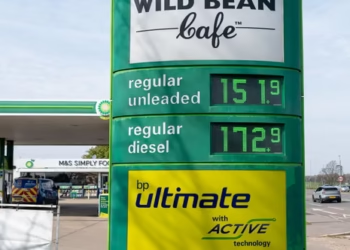
The RAC said nearly a third of drivers are increasingly worried about much higher fuel costs. Concerns have grown since the conflict began on the twenty eighth of February earlier this year. With the price of crude oil soaring above one hundred dollars a barrel, petrol prices rose. The average price of petrol in the UK has risen above one hundred and fifty pence. This is the first time prices have been this high since the month of May 2024. Filling up a standard fifty five litre family car with diesel will now cost much more. Drivers will pay at least nineteen pounds more than they did on Good Friday last year. A full tank of petrol will be almost eight pounds more with further increases likely soon. Even so, the vast majority of people are not changing their primary travel plans this year.
Only six percent of drivers expect to drive shorter distances because of these high fuel prices. Another six percent say they will not drive at all due to the rising weekly costs. Sean Kimberlin is a spokesperson for the RAC who has been monitoring these shifting driver habits. He says research suggests Easter remains incredibly important to people as a time for a getaway. It is often the first real chance to travel since the Christmas and New Year period. People are very keen to meet up with friends and family regardless of the fuel price. The Port of Dover estimates thirty seven thousand cars will travel through the port this month. These journeys will take place during the Easter holidays starting this Thursday and ending mid April. Doug Bannister is the chief executive of the busy port located on the south coast of England.
He said the port is preparing for a very busy Easter getaway period over these weeks. An early increase in traffic was already expected from last Friday as the school holidays began. Predicted getaway volumes will continue to be very high through to the middle of April. This trend reflects a general desire among the British public to enjoy the traditional spring break. People seem determined to reclaim their holiday time despite the economic pressures of the global oil market. The combination of school holidays and a bank holiday creates a perfect storm for road congestion. Local authorities are advising drivers to check their vehicles before starting any long or short journeys. Checking tyre pressure and oil levels can prevent breakdowns that cause even more traffic delays. Recovery services are preparing for a spike in calls as more cars hit the motorways today.
The National Highways agency has also urged motorists to plan their routes well in advance of traveling. Major motorways like the M25 and the M6 are expected to experience the most significant delays. Peak travel times are likely to be between ten in the morning and four in the afternoon. Leaving earlier or much later in the evening could help drivers avoid the worst of it. The impact of the rail engineering works cannot be understated for those traveling across the country. Key routes out of London will be particularly affected by the closure of several main lines. This shift puts extra pressure on coach services and private car travel for thousands of people. Despite these logistical hurdles, the mood among holidaymakers remains generally positive and very high this week. Many are simply happy to see some sunshine after the record breaking rainfall of recent months.

The rise in fuel prices is a significant talking point at petrol stations across the nation. Many drivers are expressing frustration at the speed of the price hikes in the last month. However, the emotional value of the Easter break seems to outweigh the financial cost for most. Retailers are also expecting a boost in sales as people stock up for the long weekend. Supermarkets and farm shops are preparing for a rush of customers buying food for family gatherings. The hospitality sector is also hopeful for a strong performance after a quiet start to the year. Coastal resorts and country pubs are seeing high booking numbers for Sunday lunch and overnight stays. This economic activity is a welcome sign for businesses that rely on seasonal tourism cycles. The ripple effect of twenty one million journeys will be felt across many different sectors.
As the weekend approaches, the focus remains on safety and patience for all those on the road. High traffic volumes often lead to an increase in minor accidents and frustrating bumper to bumper queues. Emergency services and breakdown crews will be on high alert to keep the traffic moving freely. The weather remains the final piece of the puzzle for a successful bank holiday for everyone. If the sun continues to shine, it is likely that even more people will head out. This would push the already high traffic estimates toward even more historic and record breaking levels. For now, the UK is bracing for one of its busiest spring periods in recent memory. It serves as a reminder of how much people value their freedom to travel and explore. Even with global uncertainty, the tradition of the Easter getaway remains a staple of British life.
Related News:
 Reeves Faces Setback as Labour May Miss Homes Target
 Virgin Trains Moves Closer to Challenging Eurostar Monopoly
 Trump’s UK Ambassador Urges North Sea Drilling to Strengthen US Ties
 Ryanair Chief UK Economy ‘Doomed’ Under Labour
 ABF May Split Primark from Food Division Amid Tough Market
 M&S Profits More Than Halve After Cyber-Attack
 Tony Blair think tank warns Rachel Reeves must cut taxes if manifesto broken
 Oprah enjoys Meghan’s jam on English muffins
 Earl of Yarmouth Faces £1.3m Legal Bill Over Family Estate
 Millionaires group urge Reeves to introduce wealth tax to ‘lift kids out of poverty’
 From Lego to Pokémon: How Adults Are Driving UK Toy Market Growth
 UK toy market enjoys bumper year as ‘kidults’ fuel demand
 New laws to bolster UK’s defences against cyber attacks on NHS, transport and energy
 Skims Eyes Global Expansion After Reaching $5 Billion Value
 Global markets drop amid tech sell-off and China slowdown
 Canada Passes Carney’s First Budget in Tight Parliamentary Vote
 PM Highlights UK Business at G20 in South Africa
 Mossmorran Plant Closure Hits Cowdenbeath Hard
 UK Taskforce Unveils Plan to Streamline Nuclear Reactor Rules
 Steel billionaire Lakshmi Mittal reportedly leaves UK
 India’s Labour Law Overhaul Sparks Fierce Debate
 Starmer Says Labour’s Economic Plan Needs Years to Deliver
 Virgin Media Fined £23.8m Over Telecare Safety Failures
 Rising Water Bills Lift Troubled Thames Back to Profit
 Tesla Warns UK That Weak EV Rules Could Threaten Sales
 BP agrees £7.4bn Castrol sale to US investment firm
 FTSE 100 Hits 10,000: UK Market Celebrates Record Year
 UK House Prices Fall Sharply at Year-End, Nationwide Reports
 Wessex Water chiefs receive £50,000 extra despite government bonus ban
 German Supermarket Aldi to Open 180 US Stores This Year
 Canada-China trade gains momentum in new strategic partnership
MPs warn AI financial risks threaten UK stability
Canada-China trade gains momentum in new strategic partnership
MPs warn AI financial risks threaten UK stability
 MPs warn AI financial risks threaten UK stability
 B&M and The Works Struggle During Christmas Trading
 US Dollar Hits Four-Year Low Amid Market Turmoil
 Amazon mistakenly signals new global layoffs to employees
 Labour Must Revive High Streets to Avoid Election Collapse
 Households in England Face Rising Water Bills in April
 UK needs new factory to reach 1.3m car target, says industry chief
 UK food industry urges transition if post-Brexit rules reset
 UK New Car Discounts Near £6,000 as Prices Are Slashed
 Study Finds One in Seven England Takeaways Are Dark Kitchens
 Riverford sales surge as UK organic market booms
 Telstra AI jobs cuts as automation drive expands
 BT Names New Openreach Chief Amid Major Fibre Expansion
 AI fears hit UK wealth and comparison sites
 UK Housing Market Shows Early Recovery Signs
 UK economy struggles as growth stalls at 0.1% in late 2025
 Schroders sold to US investor in £9.9bn deal ending family control
 Royal Mail Blames Poor Weather and Sickness for Delayed Deliveries
 British Steel wins Turkey rail boost
 Glencore Approves $2bn Payout Despite Profit Slump
 Sanders Condemns Billionaire ‘Greed’ in California Tax Debate
 UK Job Vacancies Hit Five-Year Pandemic Low
 UK Youth Unemployment Surges Amid Tax Changes
 Ministers Urged to Ban Crypto Political Donations
 Strong Rebound for UK Housing Market Sees 6% More Homes
 HSBC Signals Overhaul Nearing Completion Despite Profit Drop
 Reserve Bank May Hike Rates Twice Amid Persistent Inflation
 Inflation Pressure RBA Policies
 Engie UK Power Networks Deal Seals £10.5bn Buy
 Reeves Must Back Defence Plan or Face Dismissal, Says Unite Chief
 Qantas Revamps Loyalty Program Amid $1.46bn Profit Surge
 Switching Energy Deal Can Save £200 as Price Cap Falls
 UK house prices rise as market steadies
 Oil Prices Surge Above $100 Amid Iran War
 G7 Weighs Emergency Oil Reserves as Prices Surge
 Revealed: UK AI Push Faces Phantom Investment Claims
 Abramovich Chelsea Sale Cash Faces Jersey Probe
 John Lewis bonus returns after four years as profits rise
 Brazil Floods Warning as Scientists Urge Fossil Fuel Exit
 Tesla Enters British Energy Market Following Ofgem Approval
 UK Pushes NHS and MoD to Buy British Tech
 UniCredit’s Bold Move to Reshape European Banking
 UK Wage Growth Slows as Jobs Market Holds Firm
 Charity Watchdog Takes Control of Learning Disability Care Home
 Rising Costs Force Families to Rethink Days Out
 UK inflation held at 3% before global energy price hit
 UK Watchdog Probes Five Firms Over Fake Review Failings
 Eli Lilly Seeks Higher NHS Prices for UK Investment