Published: March 31, 2026. The English Chronicle Desk.
The English Chronicle Online—Providing trusted news and professional analysis for the UK and Environment.
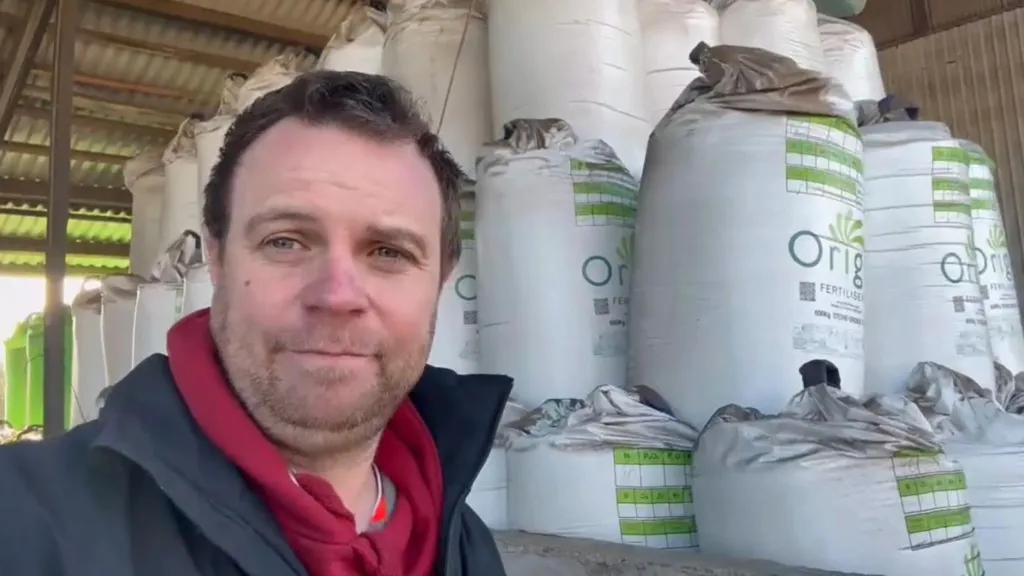
British agriculture has been plunged into a “spring of discontent” as soaring input costs force arable farmers to make the unthinkable choice: leave their land fallow or risk financial ruin. Following the escalation of the conflict in the Gulf, the price of imported urea has surged by 36% in the last month alone, while UK-produced ammonium nitrate has jumped by 25%. For many growers already struggling with low grain prices and the “8 Million Dilemma” affecting rural labor, the math no longer adds up. “At these prices, I’m effectively paying for the privilege of working,” said one Lincolnshire wheat farmer. “Fertiliser costs mean I’m better off not planting at all this season.”

The crisis is rooted in a “triple shock” to the global supply chain. Firstly, the oil price hitting $116 has sent diesel and transport costs skyrocketing. Secondly, natural gas—which accounts for up to 80% of the cost of nitrogen fertiliser production—has seen extreme volatility as European markets scramble to secure non-Russian and non-Gulf supplies. Finally, the closure of key shipping routes through the Strait of Hormuz has stranded roughly 35% of the world’s urea exports, leading to acute shortages at UK ports. Wholesalers are reportedly charging “hundreds of pounds more per load” than they were just four weeks ago, leaving those who didn’t buy in advance in a desperate position.
The National Farmers’ Union (NFU) warns that the 2026 harvest could see a significant “yield gap” as farmers cut back on applications. According to the AHDB, every 10% rise in fertiliser costs typically correlates with a 7% decrease in crop yields as growers attempt to “starve” their crops to save cash. Some are pivoting toward the government’s Sustainable Farming Incentive (SFI26), which pays farmers to take land out of production for environmental “rotational actions.” While the SFI was designed to support nature, it is increasingly being used as an “economic life raft” for farmers who cannot afford to put a seed in the ground.
The long-term implications for the British larder are somber. Industry analysts predict that the reduction in planting this spring will lead to a “tighter grain supply” by Autumn 2026, potentially driving up the price of bread, pasta, and livestock feed. The FAO (Food and Agriculture Organization) has already warned that global food prices could average 20% higher in the first half of 2026 if the Gulf crisis persists. “We are seeing a silent contraction of our food security,” warned Robbie Butler MLA. “If it’s cheaper for a farmer to do nothing than to produce food, the entire system is broken.”

As the Easter bank holiday approaches and the public focuses on travel and the “Great Motor Audit” payouts, the quiet crisis in the fields remains largely invisible. But for the men and women who manage Britain’s 17 million hectares of agricultural land, the 2026 planting season is no longer a cycle of growth—it’s a high-stakes gamble against a global energy market that shows no signs of cooling. For many, the only winning move is not to play.
Related News:
 Shein UK Faces Allegations of Shifting Majority of Profits to Singapore to Reduce UK Tax
 British AI Startup Outshines Human Forecasters in Global Prediction Contest
 China warns UK over delayed London mega embassy decision
 Rachel Reeves to lead UK trade push in Saudi Arabia amid rights debate
 UPS Cargo Plane Crash in Kentucky Kills Seven
 UK New Car Discounts Near £6,000 as Prices Are Slashed
 US Will Not Back Out of Tariff Deals with UK and Others, Says Trump Trade Representative
 Gulf shipping crisis sparks food price fears
 UK Wage Growth Slows as Jobs Market Holds Firm
 Middle East Conflict to Hit UK Economy Hardest
 ‘Horror on the Street’ and ‘Fears Grow over Shortages’
 UK Must Act with Courage and Clarity on Israel-Palestine Conflict, Says Foreign Affairs Committee Report
 Radioactive Leak at UK’s Nuclear Warhead Base Sparks Outcry Over Safety and Secrecy
 Mutual Inconvenience: Why Alaska Was Chosen for the Trump-Putin Summit on Ukraine
 China’s crackdown on civil servant perks sparks economic concerns
 Terence Stamp, ’60s British Film Legend and Star of Superman, Dies at 87
 Chancellor Rachel Reeves Pushes for Sweeping Changes to Environmental Protections to Accelerate Development
 Inflation Latest: Cost of Living Expected to Rise Again in Key Figures Released Today
 Is the UK Ready to Put Boots on the Ground in Ukraine? Assessing Military Capacity and Challenges
 Jaguar Land Rover Extends Production Halt Following Cyber-Attack
 Thousands Gather in London to Protest Donald Trump’s Second UK State Visit
 Great Britain’s Energy Operator Commits to Strengthening Grid to Prevent Blackouts
 UK Government Backs Return of International Rail Travel to Kent Stations
 A Third of EU Citizens in UK Report Discrimination by Public Bodies Post-Brexit
 Wetherspoon vows to keep prices low amid soaring energy and tax costs
 UK House Price Growth Slows as Buyers Exercise Caution Ahead of Autumn Budget
 Kemi Badenoch Unveils ‘Golden Rule’ to Halve Spending Cuts for Deficit Reduction at Tory Conference
 Public Trust in SNP Hits Historic Low Amid NHS Concerns
 Johnson Suggests Mandelson Linked to China Spy Controversy
 Rachel Reeves signals welfare reform ahead of key budget
 New V-Level qualification to transform post-16 education
 Real living wage set to rise nearly 7% for UK workers in 2026
Reeves Faces Setback as Labour May Miss Homes Target
Real living wage set to rise nearly 7% for UK workers in 2026
Reeves Faces Setback as Labour May Miss Homes Target
 Trump’s UK Ambassador Urges North Sea Drilling to Strengthen US Ties
 M&S Profits More Than Halve After Cyber-Attack
 I’m a Celebrity 2025 line-up revealed: Osbourne joins
 Palace May Restore Hyphen to Andrew Mountbatten-Windsor’s Name
 Millionaires group urge Reeves to introduce wealth tax to ‘lift kids out of poverty’
 Canada Passes Carney’s First Budget in Tight Parliamentary Vote
 Royal Navy Shadows Russian Warships Entering the Channel
 Starmer Says Labour’s Economic Plan Needs Years to Deliver
 Virgin Media Fined £23.8m Over Telecare Safety Failures
 Historic £100-Weekly Pension Boost Brings Relief for UK Mineworkers
 Pound Sinks and Borrowing Costs Rise as Starmer Fights for Job
 Major UK Clothing Firm Collapses into Administration — 109 Jobs at Risk
 Could Manchester Lead the UK’s Economic Revival?
 Starmer Weighs Fast-Tracking Defence Boost
 Snow and Rain Warnings as Cold Snap Continues in the UK
 Lloyds Boss Accepts Concern Over Use of Staff Data in Pay Talks
 Dual Nationals Face Scramble for UK Passports as New Rules Come Into Force
 Live Nation Sees Strong Ticket Sales as Monopoly Lawsuit Looms
 Australian PM Says Former Prince Andrew Has Suffered ‘Extraordinary Fall’ but That Won’t Prompt Republic Referendum
 Farage Chagos Islands Row Sparks Fury
 UK Job Vacancies Hit Five-Year Pandemic Low
Storm Hernando: Edinburgh Airport Flights Cancelled in US Travel Chaos
UK Job Vacancies Hit Five-Year Pandemic Low
Storm Hernando: Edinburgh Airport Flights Cancelled in US Travel Chaos
 ‘We’ve been paying for happy endings for Andrew for years’: inside the royal disgrace, biographer says
 UK Youth Unemployment Surges Amid Tax Changes
 Strong Rebound for UK Housing Market Sees 6% More Homes
 Bill Gates ‘Took Responsibility’ Over Epstein Ties in Staff Meeting, Foundation Says
 Switching Energy Deal Can Save £200 as Price Cap Falls
 Islanders Advised on Travel to Middle East Amid Escalation
 Labour’s Employment Shake‑Up ‘Makes Britain Worse Than France’
 Limited Flights Leave UAE But Disruption Continues Amid Iran Strikes
 Brit ‘in Good Spirits’ Amid Dubai Missile Attacks, Stranded but Safe
 Trump rebukes Starmer over Iran strikes
 Minister Meets Crews Who Will ‘Take Out’ Iranian Drones
 Oil Prices Surge Above $100 Amid Iran War
 UK–US Tensions Ease as Starmer and Trump Hold First Call Since Iran Row
 Sarah Ferguson Loses Another £1.5m Amid Financial Struggles
 Oil Price Jumps Despite Deal to Release Record Amount of Reserves
 ‘Heating Oil Suppliers Are Holding Us to Ransom’ as Prices and Cancellations Surge
 Yvette Cooper: UK Must Follow Principles, Not US Pressure
 Iran War Warning: Starmer Backs Ukraine Visit
 Charity Watchdog Takes Control of Learning Disability Care Home
 Australia Imposes Sudden Travel Ban on Iranian Visitors
 UK Forces Ready to Seize Russian Shadow Fleet Vessels
 English Football’s Managerial Merry-Go-Round Has Become a Circus
 The 8 Million Dilemma: Why Britain’s Disability Safety Net is Facing a ‘2026 Reckoning’
 Net Closes on Lyons Clan: Partner Arrested in Dubai as Crime Boss Snared in Bali
 The ‘Peterborough Windfall’: Council Calculator Finds £84,800 in Unclaimed Support