
Published: March 31, 2026. The English Chronicle Desk.
The English Chronicle Online—Providing trusted news and professional analysis for the UK and International Affairs.
In a historic expansion of the world’s largest live music event, the European Broadcasting Union (EBU) has officially confirmed the launch of the Eurovision Song Contest Asia. Marking the first multi-country spin-off of the iconic brand, the inaugural Grand Final is set to take place in Bangkok, Thailand, on Saturday, November 14, 2026. The announcement, made on the 70th anniversary of the original contest, signals a bold new chapter for the “United by Music” slogan, aiming to connect a potential audience of over 600 million viewers across the Asia-Pacific region.

The debut edition is a collaborative effort between the EBU, Voxovation, S2O Productions, and Thailand’s host broadcaster, Channel 3. While the project has been in development for several years, today’s confirmation provides the first concrete timeline and host city. “Asia is a region shaped by incredible diversity and creativity,” said Martin Green, Director of the Eurovision Song Contest. “Bringing the Eurovision spirit to this stage is about amplifying voices and connecting creative communities across borders in a way that has never been done before on this scale.”
The Inaugural Lineup: 10 Countries Confirmed
As of today’s launch, ten countries have officially signed on to participate in the 2026 debut, with organizers expecting more to join as the national selection window opens. The initial roster includes a mix of regional powerhouses and emerging musical markets:
| Country | Broadcaster |
| Thailand (Host) | Channel 3 |
| South Korea | ENA (SK Telecom / KT Group) |
| Philippines | ABS-CBN |
| Vietnam | VTV3 |
| Malaysia | TV3 (Media Prima) |
| Bangladesh | NTV |
| Bhutan | BBS |
| Nepal | Himalaya TV |
| Cambodia | TV5 Cambodia |
| Laos | VTE9 |
Format and High-Stakes Voting
The Asia edition will mirror the classic Eurovision format but with a “digital-first” twist. Each participating broadcaster will select their artist and an original song (maximum 3 minutes) through national finals over the coming months. The Grand Final in Bangkok will feature a 50/50 split between professional jury voting and a public televote. Interestingly, the contest will utilize a new engagement platform called ZOOP, designed to facilitate real-time voting and behind-the-scenes interaction for an audience that is increasingly mobile-centric.

The launch comes at a time of significant global tension, with the oil price at $116 and the ongoing conflict in Iran casting a shadow over international cooperation. However, organizers are hopeful that Eurovision Asia will serve as a “cultural bridge.” Unlike the European contest, which has faced recent controversies regarding political neutrality, the Asian edition is being marketed with a heavy focus on “cultural identity and storytelling.”
For fans of the original contest, the inclusion of South Korea—the home of K-pop—and the Philippines, known for its powerhouse vocalists, suggests the competition level will be exceptionally high from year one. As the “Great Motor Audit” and “8 Million Dilemma” dominate domestic UK headlines, the spectacle in Bangkok offers a vibrant glimpse into a more connected global future. With the first national finals expected to begin in June, the road to Bangkok has officially opened.
Related News:
 A New Wrestling Revolution: Fox Nation Teams with Hulk Hogan and Eric Bischoff for Groundbreaking League
 Gen Z Embraces the Big, Bold ‘Fake’ Indian Wedding Party Trend
 Terence Stamp, ’60s British Film Legend and Star of Superman, Dies at 87
 Kneecap Pushes Forward with European Tour Despite Hungary Ban and Canceled Gigs
 Fabio Wardley stuns Joseph Parker to earn Usyk title shot
 Top Christmas Books Reads: Classics to Cozy Romcoms
 I’m a Celebrity 2025 line-up revealed: Osbourne joins
 Pokémon to open world’s first theme park in Japan next year
 Shock US Raid: Maduro Pleads Not Guilty in Manhattan Court
 UK and France Agree Troop Deployment Plan for Ukraine
 EU Weakens as Trump Targets Venezuela and Greenland
 Israel Dossier Sparks Australian Political Interference Concern
 Venezuela Oil Deal Opens Tensions with US Control
 US Citizens Warned to Venezuela Flee Amid Paramilitary Threats
 Gulf states warn Trump Iran strikes risk wider Middle East war
 Machado Trump medal gesture reshapes Venezuela power struggle
 Greenland defence seen as shared Nato duty amid troop arrivals
 Gulf states warn Trump Iran strikes risk wider Middle East war
 Trump Receives Machado’s Nobel Medal in White House Meeting
 Iran unrest slows under brutal crackdown and global tensions
 Syria President Declares Victory as Ceasefire Reached with SDF
 US Considers Asylum for British Jews Amid Rising Antisemitism
 Russia Strikes Kyiv and Kharkiv as Peace Talks Enter Day Two
 Emails Show Epstein Funded Mandelson’s Husband After Jail
 Thousands Protest ICE Operations in Nationwide US Day of Action
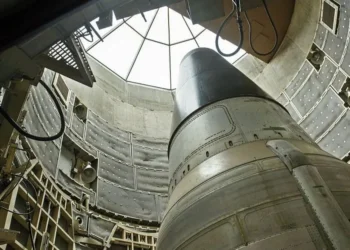 Fears of New Arms Race as US-Russia Nuclear Weapons Treaty Expires
 US Military Says Two Killed in Strike on Alleged Drug Boat in Eastern Pacific
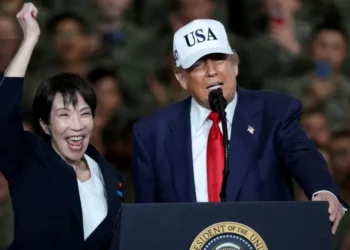 Trump Endorses Japan’s Takaichi Ahead of Snap Election
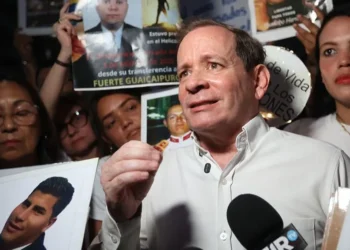 Venezuela’s Opposition Says Party Leader Kidnapped Hours After Being Freed
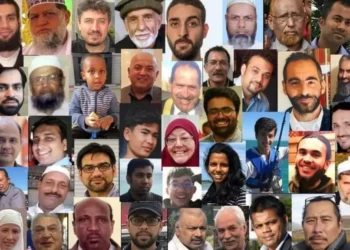 Christchurch Shooter Seeks to Overturn Guilty Plea in Appeals Court
 Robert Duvall dies aged 95, Hollywood mourns
 Actor Robert Duvall, Who Starred in The Godfather, Dies Aged 95
 US Says It “Supports” UK Chagos Islands Deal
 Iran Says ‘Guiding Principles’ Agreed With US at Nuclear Talks
 Netflix and Paramount Are Battling for Warner Bros. — Who Is Likely to Win?
 Ukraine Peace Talks End in Acrimony After Two Hours
 Leave Chagos Now, Britain Tells Returning Islanders
 Britain’s Reliance on China Makes Us ‘Weak Link in the West’, Warn MPs
 Indian University Kicked Out of AI Summit for Claiming Chinese Robot Dog as Its Own Invention
 India Sentences Three Men to Death for Attack on Israeli Tourist and Hosts
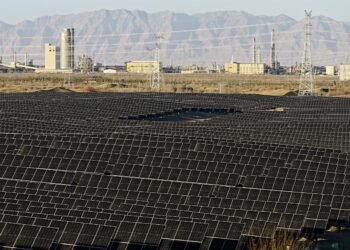 As Trump Retreats from Climate Goals, China Is Becoming a Green Superpower
 The Chinese AI App Sending Hollywood Into a Panic
 UK Has Not Given US Permission to Use RAF Bases for Iran Strikes
 Live Nation Sees Strong Ticket Sales as Monopoly Lawsuit Looms
 ‘We Pray for Peace’: Indian Filmmaker From Troubled State Who Won a BAFTA
 Drugs, Denial, Stigma: Fiji’s HIV Crisis Hits Children
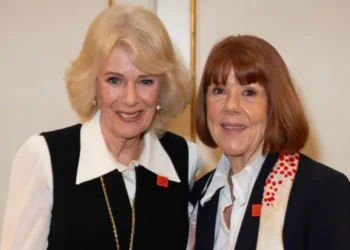 Queen says speechless after meeting Gisèle Pelicot over powerful memoir
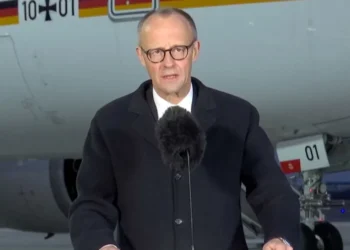 German Chancellor Lands in Beijing for Inaugural China Trip
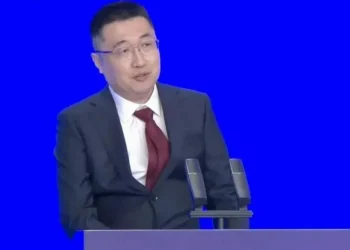 Shein’s Elusive Boss Hails Chinese Roots in Rare Public Appearance
 Man, 83, in Taylor Swift Video Had ‘No Idea Who She Was’
 Cuba Kills Exiles in Speedboat Attack from US Waters
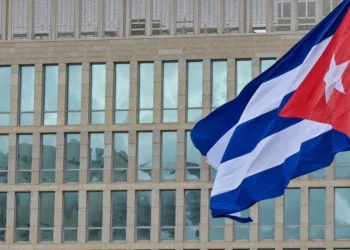 Four Killed on US-Registered Speedboat Were Cuban Nationals, Cuba Says
 Canada Says U.S. Unlikely to Lift Tariffs Amid Ongoing Trade Tensions
 US ‘Suitcase Murderer’ Deported From Bali After 11 Years in Jail
 Why Asian Firms Are Not Cheering Trump Tariff Ruling
 Why Asian Firms Are Not Cheering Trump Tariff Ruling
 India and Canada Seal Series of Deals as Carney and Modi Reset Ties
 Months of Planning Behind US‑Israeli Mission to Target Iran’s Supreme Leader
 UK Will Allow US to Use Bases to Strike Iranian Missile Sites, PM Says
 Cooper: Joining US Strikes on Iran ‘Not in Britain’s Interest’
 What Khamenei’s Death Means for Russia and China
 Trump’s Iran Endgame Unclear After Mixed Messaging on War Aims
 Israel Launches Fresh Strikes on Tehran & Beirut; US Warns “Hardest Hits” Ahead
 Carney to Push His Middle Power Strategy During Australia Visit
 South African TV Personality Who Planned to Take His Life Dies Aged 61
 Boy George Says He’s Using ChatGPT to Help Write New Songs
 Global Order Is ‘Breaking Down’, Carney Tells Australian Parliament
 Spain’s Sánchez Hits Back at Trump Threat to Sever Trade, Says ‘No to War’
 Azerbaijan Promises Retaliation After Iranian Drone Hits Airport
 Tears and Cheers as Controversial Long‑Running Australian Breakfast Radio Show Implodes
 Rihanna’s Beverly Hills home hit by gunfire, police say
 Thakkali Srinivasan Dead: Beloved Actor and Musician Dies After Health Battle
 Yvette Cooper: UK Must Follow Principles, Not US Pressure
 Wary Allies Signal No Easy Path in Iran Crisis
 Trump Seeks to Delay Meeting With Xi
 Saudi Arabia Urging US to Keep Up Iran Attacks
 Washington Enlists Musk to Battle Global Hostility Online
 Kid Rock Sparks US Army Probe After Apache Helicopters ‘Pause’ at Tennessee Estate
 ‘I’m So Ready’: Céline Dion Announces 10-Night Paris Comeback Residency
 Beyond ‘Halfway’: Netanyahu Signals Progress as Iranian Drone Strikes Tanker in Dubai