Published: April 1, 2026. The English Chronicle Desk.
The English Chronicle Online—Providing trusted news and professional analysis for the UK and International Affairs.
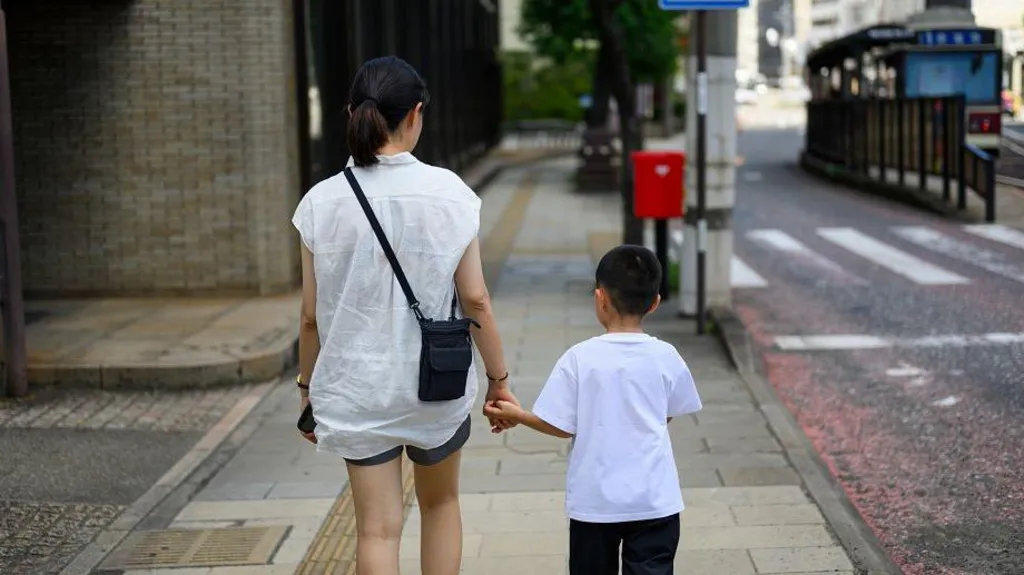
In a move hailed as the most significant reform to Japanese family law in nearly eighty years, the National Diet has officially implemented a new system allowing for joint custody of children after divorce. For over a century, Japan’s Civil Code followed the 単独親権 (tandoku shinken) or “sole custody” rule, which mandated that parental rights be granted to only one parent—traditionally the mother—often leading to the complete “erasure” of the non-custodial parent from the child’s life. As of this morning, courts across the archipelago now have the legal framework to grant shared parental authority, aiming to align Japan with global standards and address a long-standing human rights criticism.

The reform comes after years of intense domestic pressure and international diplomatic friction. Until today, Japan was the only member of the G7 that did not legally recognize joint custody, a status that led to numerous “parental abduction” cases involving foreign nationals. Under the new legislation, parents can choose between joint or sole custody through mediation; however, if an agreement cannot be reached, family courts will now have the power to mandate shared custody based on the “best interests of the child.”
Breaking the ‘Clean Break’ Tradition
The “sole custody” system was rooted in the Meiji-era concept of the ie (household), where a divorce meant a permanent severance from one family unit.
-
The Visitation Crisis: Under the old rules, many non-custodial parents (primarily fathers) were granted as little as one hour of visitation per month, or none at all, if the custodial parent refused.
-
The Safety Net: To address concerns from advocacy groups, the new law includes “emergency brakes.” In cases where domestic violence or child abuse is suspected, the court is legally required to grant sole custody to the protective parent to ensure the child’s safety.
-
Child Support Enforcement: Crucially, the reform introduces stricter mechanisms for child support payments. Historically, only about 25% of Japanese divorcees received consistent financial support; the new law allows for direct wage garnishment to ensure the “economic rights” of the child are met.
A Demographic ‘Stitch’
The timing of the law is seen by some as a desperate attempt to stabilize Japan’s crumbling social fabric. With the nation facing a record-low birth rate and the “8 Million Dilemma” of a shrinking workforce, the government is betting that more “equitable” divorce outcomes might encourage younger generations to marry without the fear of losing their children if the relationship fails.
-
The $116 Factor: As the oil price hits $116 and the Iran war increases the cost of living in Japan’s import-heavy economy, the financial burden on single-parent households has become unsustainable. Joint custody is seen as a way to “distribute the cost of the future” more evenly between two parents.
-
The ‘Ghosting’ End: For the thousands of “left-behind parents” who have spent years petitioning the government, today marks a bittersweet victory. “I haven’t seen my daughter’s face in six years,” one father told the Chronicle. “The law has changed, but now we have to change the culture of ‘ghosting’ that this system created.”
The Long Road to Enforcement
While the law is now active, legal experts warn that Japan’s understaffed family court system may struggle with the sudden influx of “retroactive” petitions from parents seeking to overturn previous sole-custody rulings. Furthermore, with the Asia stocks jump providing a temporary distraction, the deeper cultural shift toward “co-parenting” remains an uphill battle in a society that has historically prioritized “harmonic’ separation” over continued contact.

As the Easter bank holiday begins in the West, many families in Japan are beginning a very different kind of journey—one where “Mom” and “Dad” remain legal titles, even when the “Husband” and “Wife” titles have been discarded.
Related News:
 ‘Staggeringly Stupid’ Man Jailed After Tattooing Children
 Suspect in Rhode Island Ice Hockey Shooting Killed Ex‑Wife and Son
 Epstein Eyed Record Label Investment to Access Women, Files Suggest
 Inside Kyiv’s resolve as conflict nears five‑year mark
 US Partially Evacuates Beirut Embassy Amid Rising Iran Tensions
 Wealthy Parents Play Dead After Son Hires Hitman to Kill Them
 Ecuador Deploys 75,000 Forces in Anti-Gang Drive
 Spanish woman dies by euthanasia after long legal battle
 Shock, Sadness, and Relief in Porepunkah as Australia’s Seven-Month Manhunt Ends in Gunfire
 Trump Administration Dismisses 17 Immigration Judges, Sparking Debate Over Judicial Independence
 Northern Ireland Family of Three Shot Dead in Maguiresbridge Home Incident
 Jailed Georgian Opposition Leaders Warn UK of Iranian Links to Ruling Party
 Johnson Approved China’s London ‘Super-Embassy’ in 2018
 Just Stop Oil Protesters Convicted Amid Climate Defence Row
 Trump Urges Herzog to Grant Netanyahu Full Pardon
 US Justice Department Files Lawsuit Against California Over Partisan Voting Maps
 Oklahoma Governor Grants Last-Minute Clemency to Death Row Inmate
 Trump Deploys DHS to Charlotte in Major Arrest Operation
 Tokyo court rules Japan’s same-sex marriage ban constitutional
 Chinese & Japanese Boats Clash Near Disputed Islands
 Indonesia to Repatriate Two Dutch Drug Convicts
 US Military Says Two Killed in Strike on Alleged Drug Boat in Eastern Pacific
 Motorists Could Face ‘Mandatory’ Driving Ban for Road Offences Under Tougher Laws
 Disability and LGBT Hate Crimes Set to Become Aggravated Offences
 Snow and Rain Warnings as Cold Snap Continues in the UK
 Last‑ditch Call to Save Police Front Counters in London
 Dual Nationals Face Scramble for UK Passports as New Rules Come Into Force
 Nine Arrested in France Over Death of Far‑Right Student
 How Much Could Andrew’s Arrest Hurt the Royal Family?
 Epstein Files Could Be Just Tip of the Iceberg for Andrew Investigation
 Man Guilty of XL Bully Offence After Fatal Attack
 Australian Presenter Apologises for Drinking Before Slurred Olympics Report
 Live Nation Sees Strong Ticket Sales as Monopoly Lawsuit Looms
 ‘We’re Still on Edge’: Toy Firms Look to US Supreme Court as Tariffs Hit Profits
 ‘We Pray for Peace’: Indian Filmmaker From Troubled State Who Won a BAFTA
 Sadistic Pair Jailed for Blowing Up Sheep
 ‘I reported rape in Hong Kong, now I could face prison’
 Sydney kidnapping mystery deepens as grandfather’s remains found after mistaken abduction
 US ‘Suitcase Murderer’ Deported From Bali After 11 Years in Jail
 Grave of Murdered Toddler James Bulger Vandalised
 US Senate Vote Fails to Rein in Trump War Powers on Iran
 Travellers’ Mobile Home Burnt Down Overnight in Suspected Arson Attack
 Why Aren’t Our Dirtiest Roads Getting Cleaned?
 ‘Every Day Feels Like a Month’: Iranians Describe Life Under ‘Constant’ US‑Israeli Strikes
 Manchester Students Mourn Ayatollah Amid Protest
 Tears and Cheers as Controversial Long‑Running Australian Breakfast Radio Show Implodes
 My One-Hour Flight Transfer Left Me Facing 10 Days Stuck in a City Under Attack
 Alleged Bondi gunman seeks order to suppress family’s identity
 Gran Vows to Shield Huntley’s Daughter From Soham Killer’s Funeral
 Mother of Child Cancer Survivor Fears UK Visa Changes
 Queensland Protest Laws Spark Free Speech Backlash
 Chinese National Arrested Over Attempt to Smuggle 2,000 Queen Ants From Kenya
 Rapist Caught After Victim Calls Police Mid-Attack

 Children’s Author Convicted in Husband Poisoning Case
 Missing Cuba-Bound Aid Ships Spark Urgent Search
 Belarus Leader Gifts Rifle to Kim Jong Un
 Families Tortured by Authorities During Investigations Inquiry Told
 Horror in the Outback as Crocodile Kills World-Renowned Doctor
 Watchdog Probes Police Handling of Andrew Tate Abuse Claims
 Dawn Raids in Scotland and Spain: Eight Arrested in Major Organised Crime Sting
 US Lawmaker Demands Testimony Over Sarah Ferguson’s ‘Close Epstein Ties’
 The Last of the Lords: Two Hereditary Peers to Retain Ceremonial Roles Amid Historic Ousting
 Trust in Turmoil: Just Eat and Autotrader Among Firms Probed Over Fake Reviews
 ‘My Daughter is Under the Rubble’: The Human Cost of the Tehran Strikes
 ‘Eye in the Sky’ Blinded: Photos Reveal Destroyed US Radar Jet at Saudi Base
 ‘Full and Immediate Access’: Netanyahu Reverses Palm Sunday Ban on Latin Patriarch
 Child Focus Is Biggest Change to Family Courts in 30 Years, Senior Judge Says
 Woman Deported from China Over Manx Passport Mix-Up
 Michel Rolland: The ‘Spielberg of Wine’ Who Directed the Global Palate
 Israel Enacts Death Penalty Law for Palestinians Following 12-Hour Debate
 Status Quo Restored: Netanyahu Intervenes After Police Block Latin Patriarch from Holy Sepulchre
 Net Closes on Lyons Clan: Partner Arrested in Dubai as Crime Boss Snared in Bali
 ‘A Moral Stain’: LGBT Veteran Sues MoD for £50k Following Historic Abuse Claims
 Tragedy in Lebanon: Two Indonesian UN Peacekeepers Killed in Border Explosion
 ‘In Our Backyard’: FBI Labels Michigan Synagogue Attack as Hezbollah-Inspired Terrorism
 ‘The Shield of Silence’: Grooming Inquiry to Expose Officers Who Sheltered Abusers
 ‘The Final Word’: Kathleen Stock’s Polemic Against Assisted Dying Reshapes the UK Debate
 ‘The Falling Doctor’: Neurosurgeon Sues NHS After Hospital Lift Plunges Four Floors
 ‘The Cost of Living’: Asia’s Migrant Workers Debate if Gulf Jobs are Worth the Risk of War