Published: 1 April 2026 . The English Chronicle Desk. The English Chronicle Online- Your essential guide to personal finance and local government.
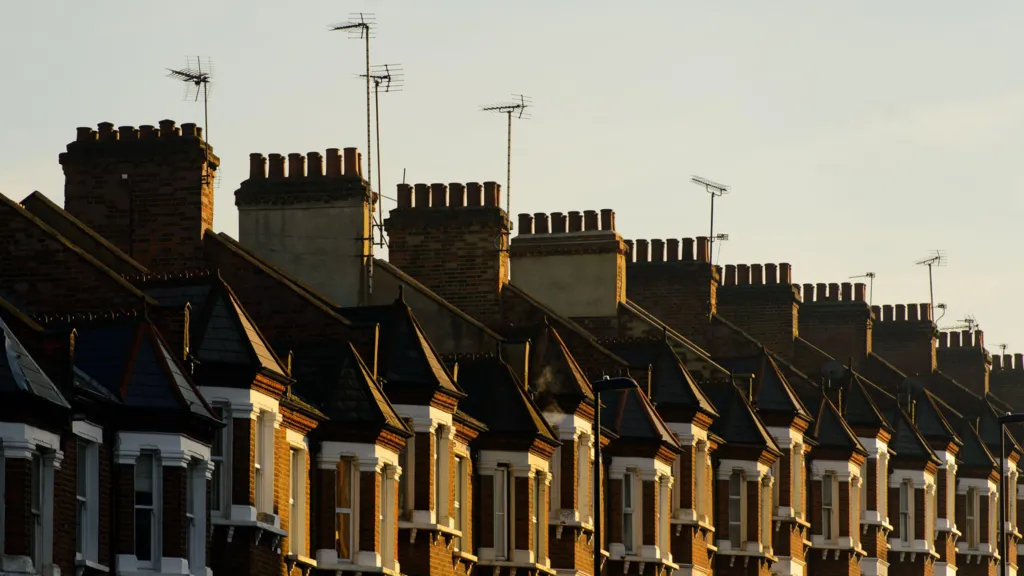
As the new financial year begins today, millions of households across the United Kingdom are opening their latest council tax bills to find significant increases that, for many, outpace the current rate of inflation. Data released by the government and financial analysts confirms that the average Band D council tax in England has risen to £2,392 for the 2026-27 period, representing a 4.9% increase. While this hike is slightly lower than the jumps seen in previous years, it adds an average of £111 to the annual cost for a typical family home, sparking renewed debate over the sustainability of local government funding and the transparency of where this money actually goes.

The calculation of council tax remains a complex process based on property valuations that are now over thirty years old. Each home is assigned a band from A to H based on its market value as of April 1991. Band D is utilized as the national benchmark, but the actual amount paid varies wildly depending on geography. For instance, residents in the South West of England now face the highest average bills in the country at over £2,550, while those in Greater London pay significantly less, with an average of £2,068. These disparities often reflect the different levels of central government support provided to urban versus rural councils, with rural authorities frequently forced to rely more heavily on local taxpayers to fund essential services across larger, more dispersed areas.
A substantial portion of this year’s increase is driven by the “adult social care precept.” For the 2026-27 year, the government has allowed councils with social care responsibilities to add an extra 2% to their bills specifically to fund support for the elderly and vulnerable. This is on top of the standard 3% rise allowed for general services. With an aging population and rising costs for care providers, social care now consumes more than half of the budget for many top-tier councils. In London, the bill is further complicated by the Greater London Authority precept, which has risen by approximately 4.1% this year to fund the Metropolitan Police, the London Fire Brigade, and the capital’s transport network.
Beyond social care and emergency services, council tax serves as the lifeblood for the daily infrastructure that many take for granted. It pays for the collection and disposal of household waste, the maintenance of local roads and street lighting, and the operation of public libraries and leisure centers. It also contributes to the funding of local schools, the management of parks, and the processing of planning applications. For many residents, the most visible return on their investment is the weekly bin collection or the repair of a local pothole, yet the vast majority of the funds are often diverted toward “invisible” statutory services like child protection and mental health support.

While most councils have stuck to the 5% cap to avoid a local referendum, seven authorities in England were granted special permission to raise taxes by as much as 9% due to exceptional financial pressures. In Scotland and Wales, the picture is even more varied, with some Scottish households seeing double-digit increases as local authorities grapple with frozen grants and rising operational costs. As these new rates take effect this morning, the conversation remains focused on whether the current system—dependent on outdated property values and increasing local levies—can continue to provide the level of service the public expects without causing undue financial hardship.
Related News:
 ‘A Cliff Edge’: Hospice Leaders Warn Cutbacks Are Only Way to Survive
 The High Cost of Survival: How the 2026 Fiscal Outlook is Redefining British Life
 ‘Ripple of Fear’: Iran War Fears Sink UK Consumer Confidence to 11-Month Low
 Fuel Famine: How African Nations are Rationing Power and ‘Diluting’ Petrol to Survive
 Illegal Skin Lightening Cream Being Sold in UK Butchers, Watchdog Warns
 Adoption Breakdown Ended My Career and Relationship – ‘We’re Told to Get On With It’
 Mind Launches Inquiry into AI and Mental Health After Guardian Investigation
 Mystery GP on Train Saves Passenger’s Life
 ‘A Disgrace’ — Patient Blasts Neurology Report
 Gaming Helps Woman Cope with Rare Health Condition
 The Surprising Power of Daily Rituals
 Parents of Gravely Ill Child Refused Respite Care
 ‘I Almost Died After a Touch‑and‑Go C‑Section’
 Vegetarian Diet Linked to Lower Risk of Several Cancers
 ‘It’s Joy in a Pot’: Why Houseplants Could Make You Happier
 Water Cremation Introduced in UK First
 I Met the Man Who Murdered My Identical Twin. What He Told Me Brought Me Peace
 GPs Losing a Day of Appointments to No‑Shows Each Month
 Allergy Training to Become Compulsory in Schools in England
 Should We Be Eating Three Meals a Day? Experts Rethink Traditional Meal Patterns
 Scots Firefighter Cycles 800 Miles for MND Charity
 Woman, 29, ‘Chucked’ Into Care Home 100 Miles Away
 Why Every Culture Has a Healing Broth
 Pregnant Woman Faces Motherhood Without Late Mum
 Father Dies by Suicide Weeks After Wedding in Clitheroe
 Mum Blinded After Tumour Linked to Contraceptive Jab
 SNP Health Secretary Criticised Over NHS Failures Locally
 Scotland Combines Alcohol and Drug Strategy to Cut Addiction Deaths
 Dad Delivers Baby After Midwife Flees During High‑Risk Labour in UK
 Mother of Child Cancer Survivor Fears UK Visa Changes
 Schnauzer Travels 140 Miles for Life-Saving Spinal Surgery
 Screen Time for Under-Fives Should Be Limited
 UK Poverty Hits 13.4 Million Amid Major Data Revisions
 Horror in the Outback as Crocodile Kills World-Renowned Doctor
 Mother’s Heartbreak as Son Traumatised by Friend’s Sexual Abuse
 Brain-Damaged Scot ‘Stuck’ in Hospital at Centre of Police Probes
 Understanding Your Bill: How Much is Council Tax and Where Does it Go?
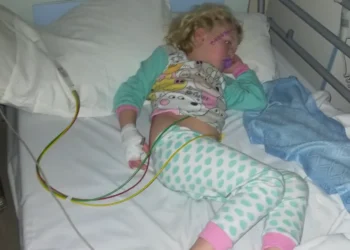 ‘A Living Nightmare’: Parents of Vaccinated Teenager Speak Out After Rare Meningitis B Battle
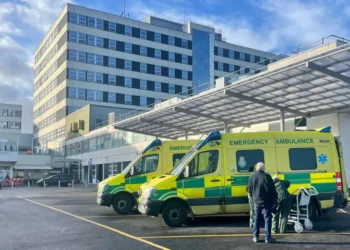 NHS Enlists AI in Major Push to Slash Hospital Waiting Lists
 Safety Fears at New £200m Maternity Unit: Mums-to-Be ‘Put at Risk’
 Trust in Turmoil: Just Eat and Autotrader Among Firms Probed Over Fake Reviews
 Global Crisis: Marco Rubio Convenes Emergency G7 Meeting as Iran Conflict Escalates
 ‘My Daughter is Under the Rubble’: The Human Cost of the Tehran Strikes
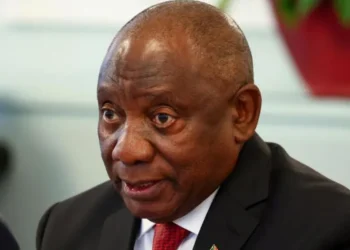 ‘No Surprise’: Ramaphosa Downplays South Africa’s Exclusion from Emergency G7 Summit
 Market Shockwave: Oil Surges Past $115 as Iran War Enters Fifth Week
 ‘Eye in the Sky’ Blinded: Photos Reveal Destroyed US Radar Jet at Saudi Base
 Record-Breaking Gridlock: DHS Freeze Becomes the Longest Partial Shutdown in US History
 The ‘Squeezed Middle’: India’s Educated Class Faces a 2026 Financial Triage
 Parents Warned Against Letting Children Cuddle Lambs Following Infection Spike
 Tim Spector: ‘At 67, I’m Fitter Than Ever Thanks to These Five Tips’
 NHS Launches Free Flu Vaccine Drive as Millions Urged to Get Protected
 Systemic Racism in Maternity Care Continues to Endanger Black Women in England, MPs Warn
 One in Three GPs in England Do Not Work in NHS, Raising Concerns Over Access to Care
 UK Health Officials Monitor New ‘Stratus’ Covid Variant Amid Rising Cases
 Sir Michael Caine Urges Starmer to End Smacking in England
 M&S and Morrisons Lead Christmas Supermarket Taste Test
 Reeves rejects £1bn plea for NHS redundancy payouts
 Five-Year-Old Dies After Rare Tonsil Surgery Complication
 Energy Drinks Linked to Rising Heart and Stroke Risks
 Children to Receive Home Vaccines as England Acts
 AI breast screening cuts later cancer diagnoses by 12%, study finds
 South Africa’s Garden Route Gem Faces Looming Water Crisis
 Most Statin Side-Effects Are Not Caused by Drugs, Study Confirms
 Renters Furious as Decent Homes Standard Delayed Until 2035
 Motorists Could Face ‘Mandatory’ Driving Ban for Road Offences Under Tougher Laws
 Snow and Rain Warnings as Cold Snap Continues in the UK
 Epstein Eyed Record Label Investment to Access Women, Files Suggest
 Drugs, Denial, Stigma: Fiji’s HIV Crisis Hits Children
 Half of Britons Avoid GP When Ill, Survey Reveals Growing Concern
 Christina Applegate shares the harsh reality of her daily life
 Calls Grow to Remove Billboard Following Lyra McKee Graffiti
 ‘Every Day Feels Like a Month’: Iranians Describe Life Under ‘Constant’ US‑Israeli Strikes
 Iran War Puts Trump at Political Risk Amid Rising Prices
 Scotland World Cup Party in Boston Gets Green Light After Security Breakthrough
 Social Media Giant Trial Reaches Final Jury Decision
 Charity Watchdog Takes Control of Learning Disability Care Home
 NHS Satisfaction Rises for First Time Since 2019
 UK Forces Ready to Seize Russian Shadow Fleet Vessels
 US Lawmaker Demands Testimony Over Sarah Ferguson’s ‘Close Epstein Ties’
 Tiger Woods: Golf Legend Steps Away to Seek Treatment