Published: 03 April 2026. The English Chronicle Desk. The English Chronicle Online.
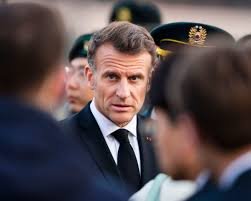
The global political landscape faced fresh turbulence this week as President Emmanuel Macron issued a stern rebuke. The French leader directed his frustrations toward the inconsistent foreign policy currently emanating from the White House. During a high-profile state visit to South Korea, Macron emphasised the urgent need for professional international diplomacy. He argued that the current cycle of contradictory statements creates dangerous instability for every global partner. The president suggested that serious leadership requires a level of consistency that is currently missing. He noted that changing positions every single day undermines the credibility of the entire Western alliance. Macron’s remarks signal a deepening rift between Paris and Washington over critical security matters today. The French president appears weary of the theatrical nature of modern American political communication styles. He reminded observers that global security should never be treated like a mere television show. This public call for calm comes as the conflict with Iran reaches a fever pitch.
The primary source of Macron’s ire involves the mixed messages regarding the North Atlantic Treaty. Donald Trump has frequently questioned the value of the United States remaining within the alliance lately. These suggestions have sent shockwaves through European capitals that rely on the American security umbrella daily. Macron mounted a fierce defence of the organization during his press conference in Seoul yesterday morning. He stated that the strength of Nato relies almost entirely on the element of trust. If a leader casts doubt on their commitment daily, the alliance’s very substance begins eroding. The French leader believes that certain things are better left unsaid to maintain strategic ambiguity. Constant public questioning of treaty obligations only serves to embolden adversaries across the globe right now. European officials are struggling to interpret whether these threats are genuine or merely tactical negotiations. This uncertainty is creating a vacuum that other global powers are now beginning to fill.

The confusion extends beyond Europe to the ongoing military operations involving the nation of Iran. Washington has offered several conflicting narratives regarding the progress and the goals of this war. President Trump has alternately claimed the war is won and demanded more allied military support. He has also suggested that European nations should act alone to secure their oil interests. This shifting rhetoric has left diplomats in London and Paris feeling frustrated and deeply confused. Macron insisted that a military solution alone cannot resolve the complex issue of nuclear proliferation. He warned that targeted strikes might provide a temporary pause but lack any long-term viability. Without a framework for technical negotiations, the situation will likely deteriorate again in several months. The French president remains committed to a diplomatic path despite the rising heat of battle. He believes that ignoring the necessity of dialogue is a recipe for a perpetual conflict.
The rhetoric from the United States has also turned personal and highly unconventional this week. Reports surfaced that Trump made disparaging remarks about Macron’s marriage during a private White House lunch. Macron dismissed these comments as neither elegant nor up to the standard of high office. He chose not to dignify the personal attacks with a detailed or lengthy public response. Instead, he focused his energy on the strategic implications of American isolationism for global trade. The tension has been exacerbated by the recent American attempt to purchase the island of Greenland. That diplomatic incident in February left a lasting scar on the trust between these nations. European leaders now view every statement from the White House with a high degree of skepticism. There is a growing sense that the traditional rules of diplomacy are being completely rewritten. This unpredictability makes it nearly impossible for allies to plan for a stable future together.
In Washington, the administration’s top officials are also sending out various conflicting and confusing signals. Secretary of State Marco Rubio suggested the United States might re-examine its role in the alliance. Meanwhile, the Defence Secretary declined to confirm if America would defend its allies from an attack. These statements have forced Nato Secretary General Mark Rutte to schedule an emergency trip to Washington. He hopes to repair the frayed relations and secure a firm commitment to mutual defence. British Prime Minister Keir Starmer has also stepped in to defend the historical importance of Nato. He described it as the most effective military alliance that the world has ever seen. Despite these domestic American threats, some legal safeguards remain in place to prevent a sudden exit. Congress passed legislation in late 2023 requiring legislative approval before any president can withdraw. This provides some comfort to European diplomats who are worried about a sudden American departure.
The economic consequences of the conflict are being felt acutely across the entire European continent. Iran has effectively shut down the Strait of Hormuz, which is a vital global oil artery. This move has sparked a massive surge in energy prices and rising inflation for consumers. About one-fifth of the world’s oil supply passes through this narrow and dangerous waterway daily. Trump has advised countries relying on this fuel to simply go and grab it themselves. European states have countered that they will only help secure the strait during a ceasefire. Approximately forty countries met online this Thursday to discuss ways to restore freedom of navigation. The United Kingdom led these talks, focusing heavily on diplomatic and economic tools of persuasion. France maintains that a military operation to free the strait is currently unrealistic and dangerous. They believe any lasting solution must be reached in consultation with the government in Tehran.

The reaction from the Iranian military has been predictably fierce and defiant following these recent developments. Military spokespeople warned of crushing and destructive attacks if the United States continues its current path. They claim the war will continue until their enemies face permanent regret and total surrender. While Trump claims the US is close to its objectives, Iran denies direct negotiations. Messages are reportedly being passed through intermediaries like Pakistan to avoid any direct official contact. The Iranian foreign ministry remains firm that no direct talks with Washington are currently taking place. This stalemate suggests that the conflict could drag on for a significantly longer period. Macron warned that the lack of a clear diplomatic exit strategy is a major concern. He fears that the cycle of violence will only intensify without a serious intervention. The international community is now looking for a leader who can provide a steady hand.
As the week concludes, the world watches to see if the American rhetoric will finally stabilise. European diplomats are waiting for actual paperwork before they truly panic about the future of Nato. Many believe the current attacks are a symptom of the difficult situation Trump faces domestically. However, the Polish Prime Minister noted that these threats look like a dream for Russia. Vladimir Putin likely benefits the most from a fractured and divided Western military and political alliance. The unity that defined the post-war era is currently facing its most significant internal challenge. Macron’s call for seriousness is an attempt to pull the alliance back from the brink. Whether the White House will heed this advice remains a very open and pressing question. For now, the world must navigate a landscape of uncertainty and high-stakes political drama. The need for calm and stability has never been more apparent than it is today.
Related News:
 Shock US Raid: Maduro Pleads Not Guilty in Manhattan Court
 UK and France Agree Troop Deployment Plan for Ukraine
 EU Weakens as Trump Targets Venezuela and Greenland
 Venezuela Oil Deal Opens Tensions with US Control
 US Citizens Warned to Venezuela Flee Amid Paramilitary Threats
 Gulf states warn Trump Iran strikes risk wider Middle East war
 Machado Trump medal gesture reshapes Venezuela power struggle
 Greenland defence seen as shared Nato duty amid troop arrivals
 Gulf states warn Trump Iran strikes risk wider Middle East war
 Trump Receives Machado’s Nobel Medal in White House Meeting
 Iran unrest slows under brutal crackdown and global tensions
 Syria President Declares Victory as Ceasefire Reached with SDF
 US Considers Asylum for British Jews Amid Rising Antisemitism
 Russia Strikes Kyiv and Kharkiv as Peace Talks Enter Day Two
 Thousands Protest ICE Operations in Nationwide US Day of Action
 Epstein Files Reveal Trump Officials’ Emails with Financier
 Thousands Protest ICE in New York Against Trump Deportation Campaign
 Christchurch Shooter Seeks to Overturn Guilty Plea in Appeals Court
 Sydney Protest Pepper Spray Clash During Herzog Visit
 Cuba Kills Exiles in Speedboat Attack from US Waters
 Yvette Cooper: UK Must Follow Principles, Not US Pressure
 Saudi Arabia Urging US to Keep Up Iran Attacks
 Washington Enlists Musk to Battle Global Hostility Online
 Teen Girl Charged After Alleged Melbourne Hate Crime Spree
 BBC to Apologise Over Edited Trump Speech Amid Backlash
 Britain deploys RAF specialists to assist Belgium with drone threats
 Palace May Restore Hyphen to Andrew Mountbatten-Windsor’s Name
 Greene Pushes Epstein Files Amid Trump Fallout
 December Run-Off in Chile as Election Produces No Winner
 Zelenskyy Signs Fighter Jet Deal Amid Russian Drone Attacks
 Canada Passes Carney’s First Budget in Tight Parliamentary Vote
 Shadow Fleet at Sea: Europe’s Battle Against Illicit Oil Shipping
 Tiny Curacao Makes History as Smallest Nation to Reach World Cup
 Deadly Russian Strikes Hit Western Ukraine, 20 Killed in Ternopil
 Ukraine Peace Plan: Zelensky Ready for Dialogue
 Royal Navy Shadows Russian Warships Entering the Channel
 US Suspends Afghan Immigration After White House Shooting
 Georgians Defy Government Crackdown After Year of Protests
 ‘Extinct’ Antelope Returns to Sahara, Bringing Hope
 Facebook Slow to Remove Bondi Attack Praise, Anti-Hate Group Claims
 Saudi Officials Report Zubaidi Flee Before Yemen Peace Talks
 US Clears Nvidia AI Chip Sales to China in Policy Shift
 US Senate rejects resolution limiting Trump military powers
 Sydney Shark Attack Surge Shocks Australia Beaches
 Shinzo Abe’s killer receives life sentence in Japan
 EU Says US Ties Have Suffered ‘Big Blow’ After Greenland Crisis
 China General Under Investigation Amid Leadership Purge
 UK New Car Discounts Near £6,000 as Prices Are Slashed
 Portugal Election Delivers Socialist Win as Far Right Surges
 Australian Families Leave Syrian Camp for Home
 Indian University Kicked Out of AI Summit for Claiming Chinese Robot Dog as Its Own Invention
 Andrew Arrest Sparks Republic Debate in Australia
 Farage Chagos Islands Row Sparks Fury
 Drugs, Denial, Stigma: Fiji’s HIV Crisis Hits Children
 Hilary Knight speaks out on Trump’s recent hockey remarks
 Has Europe truly learned from the failures of 2022?
 Trump Faces Questions Over Iran Conflict Plan
 Iran Civilian Deaths Surge Past 200 Amid Fear
 Herzog Asio meeting sparks security storm
 Trump rebukes Starmer over Iran strikes
 Iran-Iraq border airstrikes spark new tensions
 Petrol Prices Soar as Retailers Accused of Gouging Amid Global Tension
 Penny Wong silent on Australian crew in sub strike
 Australians on US Submarine in Iranian Warship Strike
 Oil Prices Surge Above $100 Amid Iran War
 India T20 World Cup Triumph Seals Historic Title Defence
 Trump Pressures Congress Over Save America Act
 Iranian Football Squad Asylum Drama Shocks Australia
 Abramovich Chelsea Sale Cash Faces Jersey Probe
 Goma Drone Attack Kills Three as Conflict Escalates
 Queensland Protest Laws Spark Free Speech Backlash
 Iranian Captain Departs Australia Amid Asylum Tension
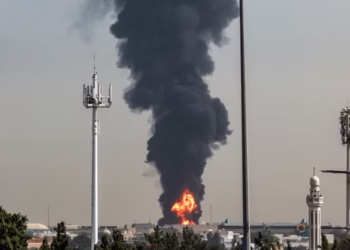 Trump Nato threats expose Iran strategy vacuum
 Philippines energy emergency sparks coal power surge
 Australia Imposes Sudden Travel Ban on Iranian Visitors
 Trump Facing Backlash from Epstein Survivors Over Files
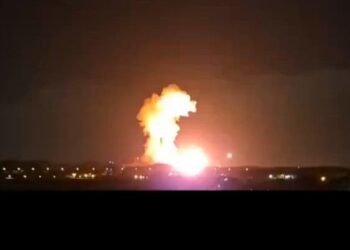 Chain of Fire: US Bunker Busters Strike Major Iranian Ammo Depot in Isfahan
 ‘The Cost of Living’: Asia’s Migrant Workers Debate if Gulf Jobs are Worth the Risk of War
 Russia: The Unforeseen Winner of the Iran Conflict
 Spain Faces Backlash Over Xenophobic Chants in Egypt Draw