Published: 3 April 2026 . The English Chronicle Desk. The English Chronicle Online—Your premier source for cultural heritage and high-stakes art market analysis.
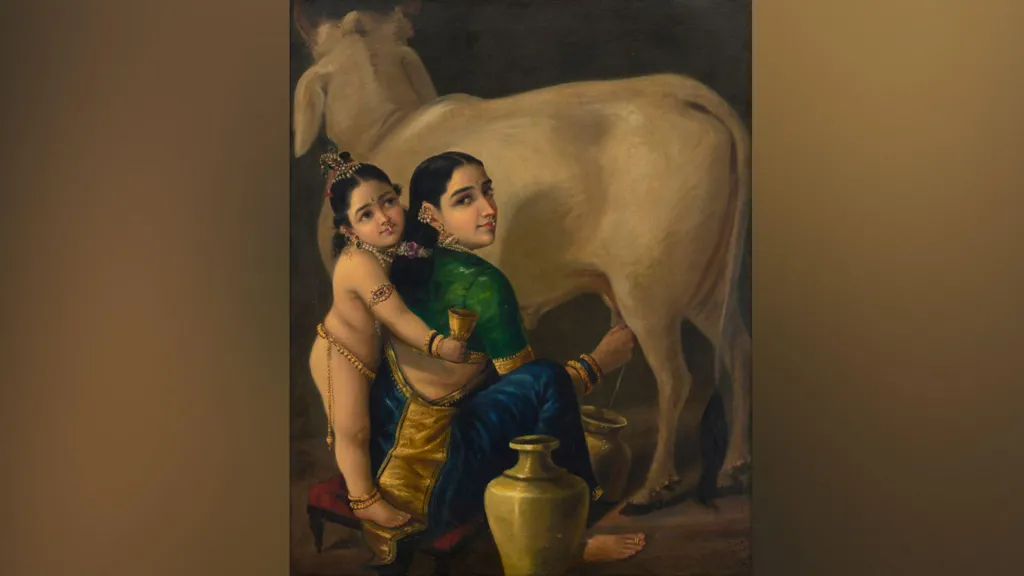
A new era for South Asian art has dawned in New Delhi. On Wednesday, 1 April 2026, the iconic 19th-century oil painting “Yashoda and Krishna” by the legendary Raja Ravi Varma was sold at a Saffronart auction for a staggering ₹167.2 crore ($17.9 million). The sale not only doubled the artist’s previous record but officially established him as the creator of the most expensive Indian artwork ever sold at auction, surpassing the $13.8 million benchmark set by M.F. Husain’s Untitled (Gram Yatra) in 2025.

The masterpiece was acquired by billionaire industrialist Cyrus Poonawalla, founder of the Serum Institute of India. In a statement released through Saffronart, Poonawalla described the work as a “national treasure” and expressed his commitment to ensuring its preservation within the country.
-
Public Access: Poonawalla has pledged to make the painting available for public viewing periodically, stating, “It will be my endeavor to facilitate this going forward.”
-
Non-Exportable Status: Under India’s Antiquities and Art Treasures Act of 1972, works by Varma are classified as “national treasures,” meaning they cannot be exported from India and can only be traded among Indian residents.
Painted in the 1890s at the height of Varma’s career, Yashoda and Krishna captures a tender, intimate moment from the Shrimad Bhagavatam. The scene portrays the infant Hindu deity Krishna hugging his foster mother, Yashoda, as she milks a cow.
-
The Technique: The painting is celebrated for its signature fusion of European academic realism with Indian mythological themes. Varma’s ability to render the “gleam of jewelry, the texture of silk, and the softness of skin” brought the divine into the realm of the relatable, forever changing how generations of Indians visualized their gods.
-
Cultural Resonance: Minal Vazirani, president and co-founder of Saffronart, noted that the valuation is a “powerful reminder of the enduring cultural and emotional resonance” that Varma’s work holds in the Indian psyche.
The record-breaking sale signals a significant shift in the valuation of Indian Modern and 19th-century art. For decades, Indian masterpieces were seen as culturally vital but undervalued compared to Western counterparts.

-
Financial Asset Class: Gallerists believe this sale will cause Indian art to be viewed as a “serious financial asset” on par with global blue-chip names.
-
Rising Tides: The success of the Varma sale follows a trend of surging prices for other Indian masters like Amrita Sher-Gil (whose The Story Teller sold for $7.4 million in 2023) and V.S. Gaitonde.
-
Domestic Strength: The fact that a historic work was sold at an Indian auction house to an Indian collector underscores the growing maturity and self-sufficiency of the domestic art ecosystem.
As Yashoda and Krishna finds its new home in the Poonawalla collection, it stands as a testament to the fact that India’s cultural heritage is no longer just a matter of history—it is a booming sector of the global economy.
The High-Value League: Top Indian Auction Sales
| Artist | Work | Price (USD) | Year |
| Raja Ravi Varma | Yashoda and Krishna | $17.9 Million | 2026 |
| M.F. Husain | Untitled (Gram Yatra) | $13.8 Million | 2025 |
| Amrita Sher-Gil | The Story Teller | $7.4 Million | 2023 |
| V.S. Gaitonde | Untitled (1970s Oil) | $8.2 Million | 2025 |
Related News:
 Man discovers £18k trading card stash in his loft
 Gender Pay Gap Won’t Close for Another 30 Years, Warns Union
 Royal Mail Blames Poor Weather and Sickness for Delayed Deliveries
 Tourism Is Booming in 2026 — Just Not Where You Think
 Singapore Offers to Set Up Single Americans with ‘Epic’ First Dates – There’s Just One Catch
 Revealed: The Billions Given to Charity by Ordinary Indians Every Year
 Popular UK Service Station Announces Closures Amid Another’s Liquidation
 Store at Famous Shopping Village to Close After 18 Years Due to Rising Costs
Tesco Announces New Rule for Customer Parking Spaces – ‘We Need These Everywhere!’
Store at Famous Shopping Village to Close After 18 Years Due to Rising Costs
Tesco Announces New Rule for Customer Parking Spaces – ‘We Need These Everywhere!’
 Fury as Jobless-Migrant Households Receive Benefits Worth £10bn – ‘We Need to End This’
 Closing Factory Workers Paid to Help at Food Bank
 Asos Co-Founder Dies After Thailand Balcony Fall
 Gold Fever Hits South Africa After Lucky Find in Cattle Pen
 How Budget Fast Fashion Is Taking Small‑Town India by Storm
 We Thought Gen Z Was Flocking to Church — The Truth Is More Complicated
 Germany’s Fairy Tale Route: The Real Places Behind the Grimm Stories
 Toddlers in Finland Lead the Fight to Save Sámi Language
 Karen Gillan Reveals What She Misses Most About Scotland’s Food and People
 ‘We Pray for Peace’: Indian Filmmaker From Troubled State Who Won a BAFTA
 BBC Apologises After Racial Slur Aired at BAFTAs by Guest With Tourette’s
 After Decades of Decline, Why Welsh Male Voice Choirs Are Back
 The Little Town Making Nearly All of China’s Lanterns
 South East Water Faces £22m Fine for Supply Failures Affecting Hundreds of Thousands
 The Rewilding Cash Grab Driving Farmers Off the Land
 Why Every Culture Has a Healing Broth
 Sarah Ferguson Loses Another £1.5m Amid Financial Struggles
 Courier Firm Bust After 14 Years as Evri Deliveries Face ‘Temporary Disruption’
 Fuel Costs Are Rising — Drivers on the Frontline of the Price Surge
 ‘Heating Oil Suppliers Are Holding Us to Ransom’ as Prices and Cancellations Surge
 Disabled Girl ‘Felt Like Alien’ in Shoe Row
 Rising Costs Force Families to Rethink Days Out
 Glasgow Central Set for Full Reopening After Fire
 PM Seeks to Reassure Australians Over Fuel Supply
 Fire Crews Battle Major Blaze at Coventry Car Dealership
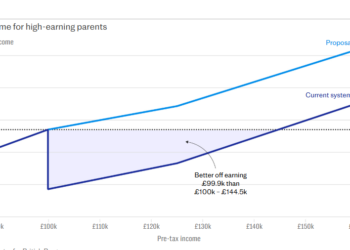 How Labour Can End the £100k Childcare Tax Trap—and Raise £700m a Year
 Michel Rolland: The ‘Spielberg of Wine’ Who Directed the Global Palate
 Gridlock Britain: Easter 2026 Set for Busiest Roads in Four Years
 ‘The Great Reset’: Behind the Wheel of Jaguar’s Most Polarizing Move in 80 Years
 ‘Empty Tanks’: UK Drivers Cry Foul as Petrol Prices Surge Amid $120 Oil Threat
 British Businesses Braced as National Living Wage Hits £12.71 Published: 1 April 2026
 Post Office Scandal Compensation Tops £1 Billion as Victims Finally See Justice
 Big Pharma Investment Freeze Puts UK Life Sciences Sector Under Strain
 Great Britain’s Energy Operator Commits to Strengthening Grid to Prevent Blackouts
 UK House Price Growth Slows as Buyers Exercise Caution Ahead of Autumn Budget
 Kemi Badenoch Unveils ‘Golden Rule’ to Halve Spending Cuts for Deficit Reduction at Tory Conference
 New V-Level qualification to transform post-16 education
 Real living wage set to rise nearly 7% for UK workers in 2026
 Reeves Faces Setback as Labour May Miss Homes Target
 Trump’s UK Ambassador Urges North Sea Drilling to Strengthen US Ties
 Millionaires group urge Reeves to introduce wealth tax to ‘lift kids out of poverty’
 Starmer Says Labour’s Economic Plan Needs Years to Deliver
 Historic £100-Weekly Pension Boost Brings Relief for UK Mineworkers
 US Dollar Hits Four-Year Low Amid Market Turmoil
 UK New Car Discounts Near £6,000 as Prices Are Slashed
 South Africa’s Garden Route Gem Faces Looming Water Crisis
 Labour Utterly Humiliated by Straight-Talking Mum Who Cut Through Keir Starmer’s Insanity
 Pound Sinks and Borrowing Costs Rise as Starmer Fights for Job
 Major UK Clothing Firm Collapses into Administration — 109 Jobs at Risk
 BT Names New Openreach Chief Amid Major Fibre Expansion
 Is Dining Out Dying Out?
 Renters Furious as Decent Homes Standard Delayed Until 2035
 Could Manchester Lead the UK’s Economic Revival?
 Motorists Could Face ‘Mandatory’ Driving Ban for Road Offences Under Tougher Laws
 Snow and Rain Warnings as Cold Snap Continues in the UK
 Lloyds Boss Accepts Concern Over Use of Staff Data in Pay Talks
 Epstein Eyed Record Label Investment to Access Women, Files Suggest
 AI Coding Firm’s ‘Pride’ at Business Award Win
 UK Job Vacancies Hit Five-Year Pandemic Low
 UK Youth Unemployment Surges Amid Tax Changes
 Strong Rebound for UK Housing Market Sees 6% More Homes
 Tracey Emin Says My Bed Would Be ‘Tidy, Clean and Boring’ If Made Today
 Burger King Rolls Out AI Headsets to Track Employee ‘Friendliness’
 ‘It’s Joy in a Pot’: Why Houseplants Could Make You Happier
 Calls Grow to Remove Billboard Following Lyra McKee Graffiti
 ‘Every Day Feels Like a Month’: Iranians Describe Life Under ‘Constant’ US‑Israeli Strikes
 Scotland World Cup Party in Boston Gets Green Light After Security Breakthrough
 Sri Lanka Sets Weekly Shutdown to Save Fuel
 Charity Watchdog Takes Control of Learning Disability Care Home
 US Lawmaker Demands Testimony Over Sarah Ferguson’s ‘Close Epstein Ties’
 The 8 Million Dilemma: Why Britain’s Disability Safety Net is Facing a ‘2026 Reckoning’