Published: 3 April 2026 . The English Chronicle Desk. The English Chronicle Online—Decoding the regulatory shifts of post-Brexit Britain.
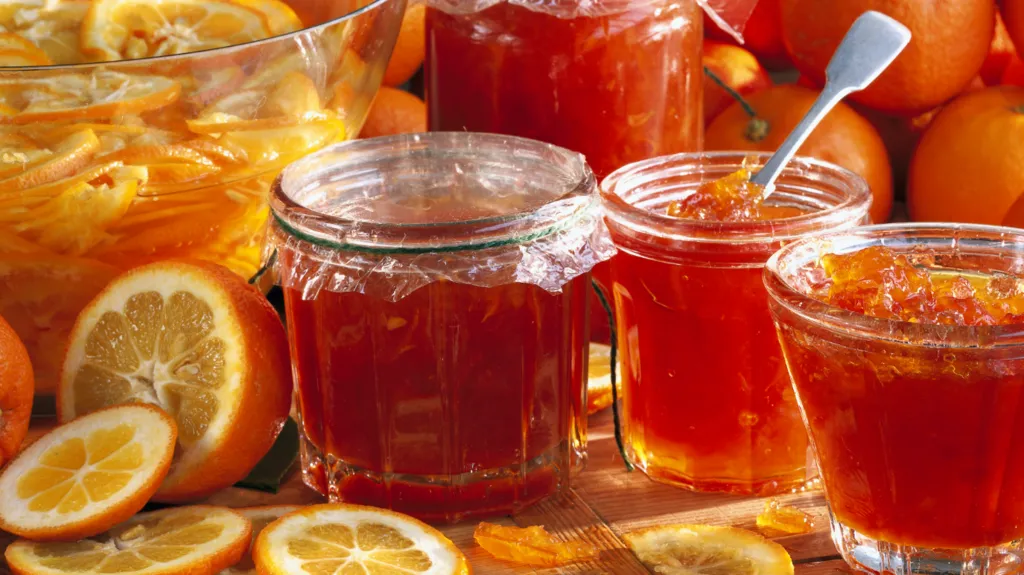
In a move that has stirred the “breakfast tables of the nation,” the UK government has confirmed that one of Britain’s most iconic preserves is set for a legal rebranding. Under the terms of a landmark “Breakfast Directive” alignment—part of the broader UK-EU Sanitary and Phytosanitary (SPS) agreement finalized this spring—the term “Marmalade” will be officially replaced on labels by the more specific “Citrus Marmalade.” The change, aimed at streamlining trade and enhancing consumer transparency, marks the first major overhaul of British jam and preserve labelling in over two decades.

The rebrand stems from the Breakfast Foods (Amendment) Regulations 2026, which bring British food standards back into “dynamic alignment” with updated European Union labeling rules.
-
The New Name: From 14 June 2026, manufacturers will be legally required to use the term “Citrus Marmalade” on all new packaging. Alternatively, the word “citrus” can be replaced by the specific fruit used, such as “Orange Marmalade” or “Lemon Marmalade,” provided it meets the new composition criteria.
-
Fruit Content Hike: To earn the “Marmalade” moniker, the minimum fruit content is being standardized. For citrus marmalades, the product must contain at least 200g of citrus fruit per kilogram of the finished product, with at least 75g coming from the endocarp (the fleshy part of the fruit).
-
The “Jam” Buffer: Interestingly, the deal also clears up a long-standing “linguistic divide.” In much of Europe, the word “marmalade” is used as a generic term for all fruit jams. By adopting “Citrus Marmalade,” the UK ensures its bitter orange exports remain distinct from the “jams” (made from non-citrus fruits) produced by its neighbors.
Environment Secretary Emma Reynolds defended the move as a “mechanical necessity” for the survival of British food exports. By aligning with the EU’s “Breakfast Directives,” British producers can bypass the “mountain of paperwork” and physical checks that have plagued exporters since 2021.

-
Simplified Logistics: The alignment means British-made marmalade can now be sold in Paris, Berlin, and Dublin without the need for bespoke, “EU-only” labels.
-
Reduced Sugar: The new rules also pave the way for “reduced-sugar” fruit juices and preserves, allowing manufacturers to use yeast fermentation to remove up to 30% of natural sugars while retaining the “marmalade” branding.
Despite the economic benefits, the rebranding has faced stiff opposition from traditionalists and small-scale artisanal producers. Critics argue that “Marmalade” is a uniquely British term that has existed in its current form since the 17th century. “To call it ‘Citrus Marmalade’ is like calling a Cheddar ‘Hard Yellow Cheese,'” said one producer from Somerset. “It’s a redundant clarification that chips away at our culinary identity.”
However, with the UK-EU SPS agreement projected to save the agri-food sector over £1.2 billion annually in administrative costs, the government remains firm. For the average consumer, the taste remains the same—but the jar in the cupboard is about to get a lot more descriptive. As the mid-2027 full implementation date approaches, the “Great British Breakfast” is proving to be the ultimate testing ground for Britain’s new, pragmatic relationship with the Continent.
Preserve Labeling: The 2026 Transition
| Product | Current Label | New Mandatory Label (June 2026) | Minimum Fruit Content |
| Orange Marmalade | Marmalade | Citrus Marmalade (or Orange) | 200g per kg |
| Standard Jam | Jam | Jam | 450g per kg (up from 350g) |
| Extra Jam | Extra Jam | Extra Jam | 500g per kg (up from 450g) |
| Jelly | Jelly | Jelly | Variable by fruit |
Related News:
 Fury as Jobless-Migrant Households Receive Benefits Worth £10bn – ‘We Need to End This’
 PM Seeks to Reassure Australians Over Fuel Supply
 How Labour Can End the £100k Childcare Tax Trap—and Raise £700m a Year
 British Businesses Braced as National Living Wage Hits £12.71 Published: 1 April 2026
 Modi’s London Visit Seals Historic UK-India Trade Pact Amid Global Tensions
 Chancellor Rachel Reeves Pushes for Sweeping Changes to Environmental Protections to Accelerate Development
 Senior Tories Condemn Badenoch’s Vow to Repeal Climate Change Act as Catastrophic
 Kemi Badenoch Unveils ‘Golden Rule’ to Halve Spending Cuts for Deficit Reduction at Tory Conference
 Lucy Powell urged ministers to reconsider costly legal case for Labour donor’s firm
 Trump’s UK Ambassador Urges North Sea Drilling to Strengthen US Ties
 MPs Press Rachel Reeves to Hike Gambling Taxes
 Millionaires group urge Reeves to introduce wealth tax to ‘lift kids out of poverty’
 Canada Passes Carney’s First Budget in Tight Parliamentary Vote
 PM Highlights UK Business at G20 in South Africa
 India’s Labour Law Overhaul Sparks Fierce Debate
 Starmer Says Labour’s Economic Plan Needs Years to Deliver
 Starmer links foreign trips to tackling cost of living crisis
 China Dependence Threatens UK Energy Supply Chains and Jobs
 MPs warn AI financial risks threaten UK stability
 MPs warn AI financial risks threaten UK stability
 Labour Must Revive High Streets to Avoid Election Collapse
 UK food industry urges transition if post-Brexit rules reset
 AstraZeneca China Investment Signals Strategic Shift Abroad
 Barclays drops Global Counsel after Mandelson link scrutiny
 Could Manchester Lead the UK’s Economic Revival?
 Royal Mail Blames Poor Weather and Sickness for Delayed Deliveries
 US Civil Rights Leader Jesse Jackson Dies Aged 84
 Reform Plans to Keep UK’s Budget Watchdog in Office
 Last‑ditch Call to Save Police Front Counters in London
 Jenrick: I’ll Back OBR but There’ll Be No More Cosy Consensus
 Another U-turn Ahead as Labour Reconsiders Youth Minimum Wage
 Sanders Condemns Billionaire ‘Greed’ in California Tax Debate
 Store at Famous Shopping Village to Close After 18 Years Due to Rising Costs
 UK Sees Record £30.4bn Budget Surplus, Boosting Reeves’ Position
 Schools in England to Get Budget for Children with Special Needs as Part of SEND Overhaul
 Man discovers £18k trading card stash in his loft
 Ministers Urged to Ban Crypto Political Donations
 Reeves Must Back Defence Plan or Face Dismissal, Says Unite Chief
 Labour’s Employment Shake‑Up ‘Makes Britain Worse Than France’
 Venezuela and US to Work Together on Mining Developments, Rodríguez Says
 Manchester Students Mourn Ayatollah Amid Protest
 Iran War Raises Questions Over China’s Global Plan
 Labour Faces Backlash Over Conscription Warning
 Gulf Oil Shock Sends Global Economic Ripples
 Iran Rejects Ceasefire, Warns Trump With Chilling Message
 US Says 16 Iranian Mine Ships Destroyed in Hormuz
 Sarah Ferguson Loses Another £1.5m Amid Financial Struggles
 SNP Health Secretary Criticised Over NHS Failures Locally
 Courier Firm Bust After 14 Years as Evri Deliveries Face ‘Temporary Disruption’
 Jobless Man on £15k Benefits Accused of Hurling Abuse at Anti-Migrant Demo
 US Launches Probe into Trading Partners Including EU, China, and India
 UK Fuel Tax Hike Plan to Be Kept Under Review Over Iran Conflict
 ‘Heating Oil Suppliers Are Holding Us to Ransom’ as Prices and Cancellations Surge
 Sri Lanka Sets Weekly Shutdown to Save Fuel
 Rising Costs Force Families to Rethink Days Out
 Nepal to swear in ex-rapper as new prime minister
 Missing Cuba-Bound Aid Ships Spark Urgent Search
 ‘Teenage Me Could Not Have Imagined This’ Says First Female Archbishop
 Fire Crews Battle Major Blaze at Coventry Car Dealership
 US Lawmaker Demands Testimony Over Sarah Ferguson’s ‘Close Epstein Ties’
 The Last of the Lords: Two Hereditary Peers to Retain Ceremonial Roles Amid Historic Ousting
 ‘My Daughter is Under the Rubble’: The Human Cost of the Tehran Strikes
 ‘No Surprise’: Ramaphosa Downplays South Africa’s Exclusion from Emergency G7 Summit
 ‘Eye in the Sky’ Blinded: Photos Reveal Destroyed US Radar Jet at Saudi Base
 ‘Full and Immediate Access’: Netanyahu Reverses Palm Sunday Ban on Latin Patriarch
 Badenoch Demands Energy Tax Cuts Over ‘Benefit Street’ Bailouts
 Tories Urge Three-Year VAT Scrap on Energy Bills to Combat Price Spike
 Starmer Launches Labour Local Election Campaign Under Shadow of ‘Bloodbath’ Predictions
 How the King Became the Jewish Community’s Greatest Ally
 No, the RNLI is Not a ‘Taxi Service’ for Migrants – I Would Know
 Michel Rolland: The ‘Spielberg of Wine’ Who Directed the Global Palate
 Zelensky Looks to Gulf to Protect Him from Putin
 Status Quo Restored: Netanyahu Intervenes After Police Block Latin Patriarch from Holy Sepulchre
 The 8 Million Dilemma: Why Britain’s Disability Safety Net is Facing a ‘2026 Reckoning’
 Gridlock Britain: Easter 2026 Set for Busiest Roads in Four Years
 The ‘Peterborough Windfall’: Council Calculator Finds £84,800 in Unclaimed Support
 ‘Empty Tanks’: UK Drivers Cry Foul as Petrol Prices Surge Amid $120 Oil Threat
 India Begins Mammoth Census for 1.4 Billion People
 Can Congress Stop US Sports Teams From Moving Cities?
 National Treasure: Raja Ravi Varma Masterpiece Smashes Indian Art Record with $17.9m Sale