Published: 3 April 2026 . The English Chronicle Desk. The English Chronicle Online—Providing definitive reporting on the escalating conflict in the Persian Gulf.
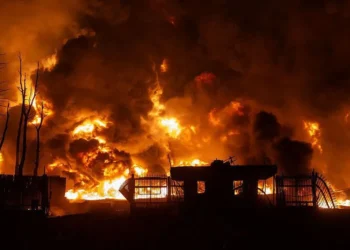
The energy heart of the Middle East has been thrust into a new phase of volatility following a precision drone attack on Kuwait’s massive Al-Zour refinery early Friday morning. The strike, which caused a significant blaze in the facility’s sulfur processing unit, comes as President Donald Trump issued his most severe warning yet to Tehran. In a series of communications, the U.S. President threatened to “systematically dismantle” Iran’s civilian infrastructure—specifically its bridges and power plants—unless the blockade of the Strait of Hormuz is lifted by the 6 April deadline.

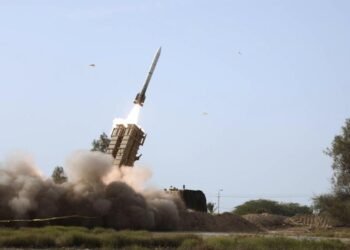
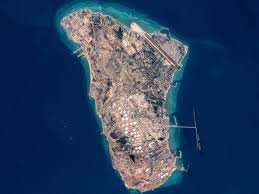
The Al-Zour refinery, one of the largest in the world with a capacity of 615,000 barrels per day, was targeted by at least three “suicide drones” launched from an unidentified location.
-
The Damage: Kuwait Integrated Petroleum Industries Company (KIPIC) confirmed that while the main crude distillation units remain operational, exports of low-sulfur fuel oil have been suspended.
-
The Culprit: While no group has officially claimed responsibility, U.S. intelligence officials suggested the drones were of the “Shahed-variant” typically utilized by Iranian-backed militias. The strike is widely viewed as a “warning shot” to Gulf nations cooperating with the 35-nation maritime coalition currently gathering in London.
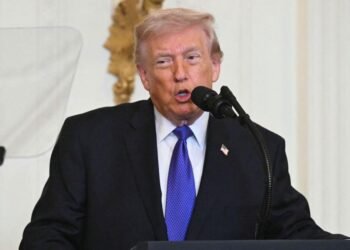
From the White House, President Trump reacted to the regional instability by significantly broadening the scope of potential U.S. targets. Moving beyond the “kinetic” naval skirmishes of March, the President signaled a pivot toward total industrial paralysis of the Iranian state.
-
The Power Grid: Trump warned that the U.S. has mapped every major substation in the Iranian power grid. “We can turn the lights off, and they won’t come back on for a long, long time,” he told reporters.
-
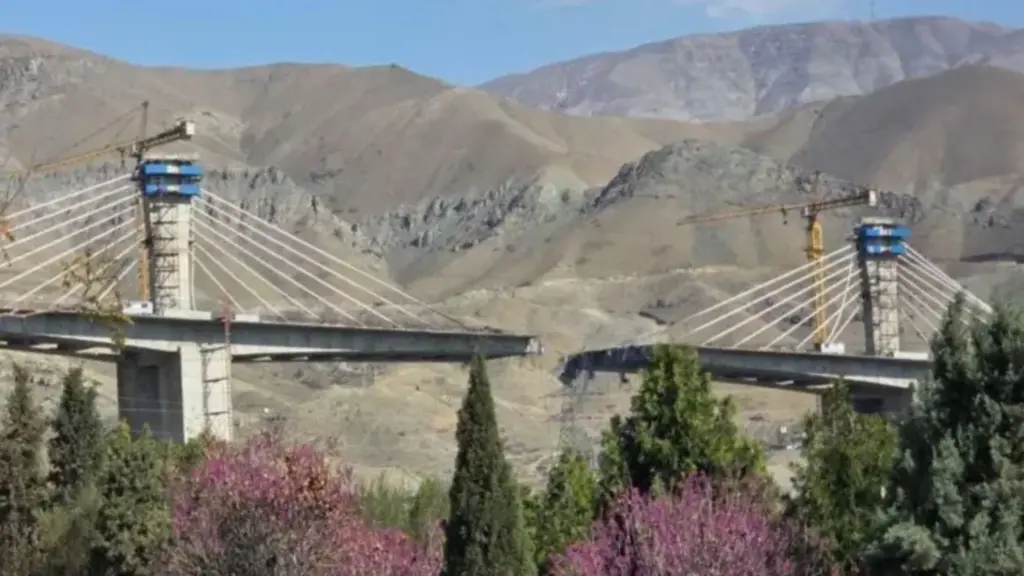
The Bridges: Citing the “strategic necessity” of cutting IRGC supply lines, the President defended the 2 April destruction of the B1 Bridge in Karaj and suggested that every major transit artery connecting Tehran to its industrial satellites is now “on the list.”
-
The Deadline: The President reiterated that the current “pause” in energy strikes ends at 8:00 PM ET on Monday, 6 April. If the Strait is not reopened to all global shipping, he warned, “Iran will be sent back to the Stone Age, industrially speaking.”
The combination of the Kuwaiti refinery hit and the threat to Iran’s domestic power has sent energy markets into a “state of verticality.”
-
Brent Crude: Spiked to $115.40 in mid-day trading, the highest level since the conflict began in February.
-
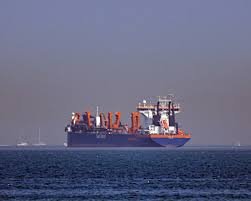
The Insurance Gap: Maritime insurers have reportedly begun “pausing” coverage for any vessel docking in Kuwait or the northern UAE, effectively extending the “High-Risk Zone” across the entire Upper Gulf.
-
The Refugee Crisis: In Iran, the threat to the power grid has triggered a massive internal migration, with hundreds of thousands of civilians attempting to leave major cities for rural areas less dependent on centralized utilities.

As the 35-nation summit in London enters its final day of deliberations, the pressure to find a diplomatic off-ramp has never been higher. However, with Kuwait now directly impacted and the U.S. President doubling down on a policy of total infrastructure targeting, the window for a “limited” conflict appears to have closed. The world now looks to 6 April as the potential “Point of No Return” for the global economy.
Gulf Conflict Status: Infrastructure Targets (April 2026)
| Asset Category | Recent Status | U.S. Stance (Trump) |
| Refineries (Gulf) | Al-Zour (Kuwait) Hit | “Direct retaliation if US assets hit” |
| Bridges (Iran) | B1 Bridge (Karaj) Destroyed | “Legitimate military supply targets” |
| Steel Plants | Mobarakeh/Khuzestan Offline | “Neutralized” |
| Power Grid | Operational (Strained) | TARGETED FOR 6 APRIL |
Related News:
 Japan Braces as Takaichi Begins New Term with Huge Mandate for Low‑Tax, Ultra‑Conservative Agenda
 The Iron Curtain Falls: Iran’s Steel Giants Forced Offline by US-Israeli Airstrikes
 Modi’s London Visit Seals Historic UK-India Trade Pact Amid Global Tensions
 China’s crackdown on civil servant perks sparks economic concerns
 Shein UK Faces Allegations of Shifting Majority of Profits to Singapore to Reduce UK Tax
 British AI Startup Outshines Human Forecasters in Global Prediction Contest
 Indian Court Deals Legal Setback to Elon Musk’s X in Free Speech Battle
 China warns UK over delayed London mega embassy decision
 Rachel Reeves to lead UK trade push in Saudi Arabia amid rights debate
 UPS Cargo Plane Crash in Kentucky Kills Seven
 Canada Passes Carney’s First Budget in Tight Parliamentary Vote
 India’s Labour Law Overhaul Sparks Fierce Debate
 UK New Car Discounts Near £6,000 as Prices Are Slashed
 Starmer Weighs Fast-Tracking Defence Boost
 Macron Rebuked in Franco-German Defence Row
 Facing a Demographic Catastrophe, Ukraine Is Paying for Troops to Freeze Their Sperm
 Tourism Is Booming in 2026 — Just Not Where You Think
 Netflix and Paramount Are Battling for Warner Bros. — Who Is Likely to Win?
 US Build-Up of Warships and Fighter Jets Tracked Near Iran
 The Chinese AI App Sending Hollywood Into a Panic
 US and Indonesia Finalise Deal to Cut Tariffs to 19%
 Live Nation Sees Strong Ticket Sales as Monopoly Lawsuit Looms
 ‘We’re Still on Edge’: Toy Firms Look to US Supreme Court as Tariffs Hit Profits
 Musk Cuts Starlink Access for Russian Forces – Giving Ukraine an Edge at the Front
 US Will Not Back Out of Tariff Deals with UK and Others, Says Trump Trade Representative
 Trump Tower Gold Coast to Redefine Skyline
 What Now for Asia After Trump’s Tariffs Were Struck Down?
 Ukraine war briefing: Russia exporting more oil now than before war despite sanctions – report
 Trump’s tariff strategy collapse sows global chaos and confusion
 Bill Gates ‘Took Responsibility’ Over Epstein Ties in Staff Meeting, Foundation Says
 Why Asian Firms Are Not Cheering Trump Tariff Ruling
 Why Asian Firms Are Not Cheering Trump Tariff Ruling
 RAF Responding to Suspected Drone Strike at UK Cyprus Base
 Oil Prices Rise After Ships Attacked Near Strait of Hormuz
 Flights Cancelled and New Travel Warnings Issued After Iran Strikes
 UK Will Allow US to Use Bases to Strike Iranian Missile Sites, PM Says
 Oil Prices Surge as Iran War Jolts Markets
 Cooper: Joining US Strikes on Iran ‘Not in Britain’s Interest’
 Tehran Makes New Threat to Gulf Shipping as US Says ‘Hardest Hits’ on Iran ‘Yet to Come’
 Trump’s Iran Endgame Unclear After Mixed Messaging on War Aims
 Limited Flights Leave UAE But Disruption Continues Amid Iran Strikes
 Bars Close and Hundreds Lose Jobs as US Firm Buys BrewDog in £33m Deal
 The US Now Has the Medicine for Cheap Swarming Drone Attacks
 Millions of Cubans Plunged Into Darkness Amid Fuel Crisis
 Minister Visits Leonardo After £1bn Deal Secured
 Minister Meets Crews Who Will ‘Take Out’ Iranian Drones
 UK Prepares Aircraft Carrier for Middle East Crisis
 Oil Prices Surge Above $100 Amid Iran War
 G7 Weighs Emergency Oil Reserves as Prices Surge
 UK–US Tensions Ease as Starmer and Trump Hold First Call Since Iran Row
 Gulf Oil Shock Sends Global Economic Ripples
 Iran Rejects Ceasefire, Warns Trump With Chilling Message
 US Says 16 Iranian Mine Ships Destroyed in Hormuz
 Iran War Costs to Be Passed to Consumers, Shipping Boss Warns
 Oil Price Jumps Despite Deal to Release Record Amount of Reserves
 Brazil Floods Warning as Scientists Urge Fossil Fuel Exit
 Asia Scrambles to Confront Energy Crisis Amid Iran War
 UniCredit’s Bold Move to Reshape European Banking
 UK Wage Growth Slows as Jobs Market Holds Firm
 Oil Slides, Stocks Jump on Trump Peace Signals
 PM Seeks to Reassure Australians Over Fuel Supply
 Australia Halves Fuel Tax and Offers Free Transport Amid Crisis
 ‘Horror on the Street’ and ‘Fears Grow over Shortages’
 Jim Ratcliffe’s £3.5bn Chemical Plant Delayed with Parts Stranded in the Gulf
 Michel Rolland: The ‘Spielberg of Wine’ Who Directed the Global Palate
 Zelensky Looks to Gulf to Protect Him from Putin
 Iran Strikes Kuwaiti Desalination Plant, Killing Worker as ‘Water War’ Escalates
 Trump Threatens Iran With Total Infrastructure Destruction
 Epic Fury: The Strategic Logic and Uncertain Horizon of the 2026 Iran War
 ‘Better Off Not Planting’: UK Farmers Face 36% Fertiliser Spike as Gulf Crisis Bites
 Beyond ‘Halfway’: Netanyahu Signals Progress as Iranian Drone Strikes Tanker in Dubai
 ‘Emergency Management’: Korean Air Slashes Costs as Jet Fuel Prices Double
 The ‘Career Ceiling’: One in Five High Earners Say £100k Tax Trap is ‘Ruining’ Their Ambition
 ‘Lego Drones’: Ukraine Hits Back at German Arms Giant Over ‘Housewife’ Slurs
 ‘Patriots, Carry On’: Hegseth Overrules Army to Reinstate Pilots After Kid Rock Flyover
 ‘The 42-Day Rally’: Asian Markets Surge as Trump Signals ‘Rapid’ Iran Exit
 ‘Blue Helmets’ in the Crossfire: Initial Probe Points to Roadside Bomb in Killing of UN Peacekeepers
 ‘The Arch of Anxiety’: How the $116 Oil Price and the Iran War are Reshaping Life in Asia
 Russia: The Unforeseen Winner of the Iran Conflict
 The Bitter Aftertaste: Iran War Threatens to Spike Prices for Indian Beer and Bottled Water