Published: 04 April 2026. The English Chronicle Desk. The English Chronicle Online
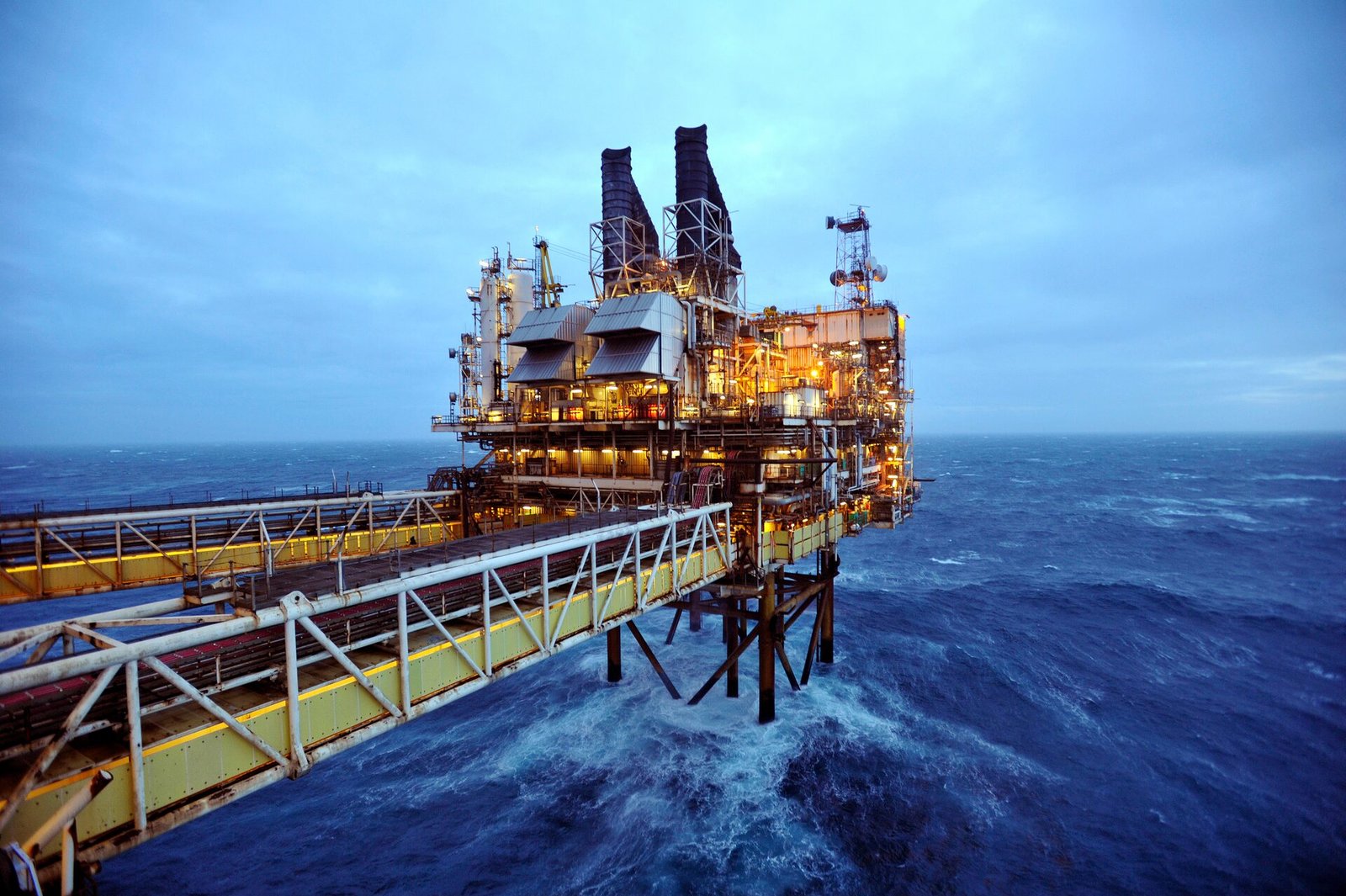
New research suggests that opening major oil and gas fields in the North Sea would have only a minimal impact on the United Kingdom’s dependence on imported fossil fuels, raising fresh questions about the long-term economic and environmental value of further exploration. Analysts argue that even large-scale projects would do little to reduce reliance on foreign energy supplies, while potentially complicating the country’s climate commitments.
The findings focus on two proposed developments in UK waters: the Jackdaw gas field and the Rosebank oil field. According to analysis compiled from publicly available data, the Jackdaw field would account for only about two percent of the UK’s current gas demand over its operational lifespan. Meanwhile, the Rosebank field, which primarily contains oil reserves, would reduce gas import dependency by approximately one percent on average.
The research was highlighted by campaign organisation Uplift, which argues that expanding fossil fuel extraction offers limited benefits in terms of energy security. Experts note that the UK already relies heavily on gas imports, particularly from the Norway, alongside other international suppliers. As domestic reserves decline, new projects are unlikely to significantly alter the overall balance of supply.

Energy policy debates in the UK increasingly focus on the balance between economic needs and environmental commitments. The UK Energy Research Centre has previously indicated that expanding drilling activity is unlikely to lower consumer energy prices, largely because oil and gas are traded on global markets. Prices are influenced by international supply disruptions, geopolitical tensions and broader economic trends rather than domestic production alone.
Political pressure continues to shape the discussion. Ed Miliband, currently serving as secretary of state for energy security and net zero, faces competing demands from industry groups, political parties and trade unions regarding whether to approve new developments. Some policymakers argue that expanding domestic production could support employment and investment in energy infrastructure, while others emphasise the need to accelerate the transition to renewable energy sources.
Debate over North Sea drilling also involves fiscal considerations. Energy companies have reportedly sought tax incentives to offset the higher costs associated with extracting remaining reserves, which are often located in technically challenging environments. Industry analysts note that approximately 90 percent of the UK’s accessible North Sea oil and gas resources have already been extracted, meaning new developments are generally more complex and expensive to exploit.
Economic implications extend beyond energy supply. Recent market data shows rising valuations among major oil and gas companies amid global geopolitical instability. Companies including BP, Shell, ExxonMobil and Chevron have experienced increases in market capitalisation following renewed volatility in global energy markets. Analysts note that such fluctuations highlight the continued sensitivity of fossil fuel markets to international conflicts and supply disruptions.
Environmental groups argue that expanding fossil fuel extraction could complicate the UK’s climate targets. Campaigners warn that burning reserves from major new fields could increase greenhouse gas emissions at a time when governments worldwide are seeking to reduce reliance on carbon-intensive energy sources. Climate policy discussions increasingly emphasise investment in renewable technologies, energy efficiency and electrification as long-term solutions to energy security challenges.
The UK government has stated that any transition away from fossil fuels must be carefully managed to ensure economic stability and employment continuity in regions historically dependent on oil and gas production. Policymakers aim to balance environmental commitments with the need to maintain reliable energy supplies during the transition period.
Recent geopolitical tensions have also underscored the vulnerability of global energy markets. The energy crisis that followed the Russian invasion of Ukraine demonstrated how international events can significantly affect energy prices and supply chains. Analysts suggest that similar disruptions could occur in the future, reinforcing the importance of diversified energy strategies.
Advocacy groups including the End Fuel Poverty Coalition argue that reliance on fossil fuels exposes households to price volatility and increases the risk of energy affordability challenges. Rising fuel costs in recent years have placed financial pressure on consumers, prompting calls for structural reforms to ensure long-term price stability.
The future of North Sea energy production therefore remains closely linked to broader debates about economic resilience, environmental sustainability and national security. Supporters of new drilling emphasise the need for domestic energy supply, while critics argue that investment should prioritise renewable infrastructure capable of providing stable and low-carbon power.

As policymakers consider the potential approval of projects such as Jackdaw and Rosebank, the discussion reflects wider global trends toward balancing immediate energy needs with long-term climate goals. Experts suggest that decisions made in the coming years will shape the direction of the UK’s energy strategy for decades to come.
The evolving debate highlights the complexity of modern energy policy, where economic, environmental and geopolitical considerations intersect. While new drilling projects may provide limited short-term supply benefits, analysts emphasise that long-term energy security will likely depend on technological innovation, infrastructure investment and coordinated international climate action.
Related News:
 Aberdeen Chosen for GB Energy HQ at Marischal Square
 UK Energy Reform Could Cut Bills by £200
 Reeves Faces Setback as Labour May Miss Homes Target
 UK Small Business Owner to Challenge L’Oréal in Tribunal
 Trump’s UK Ambassador Urges North Sea Drilling to Strengthen US Ties
 150-Year-Old Arctic Beer to Be Reborn in Scotland
 Court Hears Challenge Over Water Bills Funding Sewage Fixes
 ABF May Split Primark from Food Division Amid Tough Market
 Rachel Reeves Set to Break Labour Pledge and Raise Income Tax
 UPS Cargo Plane Crash in Kentucky Kills Seven
 M&S Profits More Than Halve After Cyber-Attack
 Tony Blair think tank warns Rachel Reeves must cut taxes if manifesto broken
 Oprah enjoys Meghan’s jam on English muffins
 MPs Press Rachel Reeves to Hike Gambling Taxes
 North Sea oil workers must lose weight or face job loss
 Warning as Britons prepare to spend £4 billion this Black Friday
 Millionaires group urge Reeves to introduce wealth tax to ‘lift kids out of poverty’
 Borough Market Clash Sparks Influencer Backlash
 UK toy market enjoys bumper year as ‘kidults’ fuel demand
 Reeves’s Tax U-Turn Triggers Fresh Jitters in UK Markets
 Global markets drop amid tech sell-off and China slowdown
 PM Highlights UK Business at G20 in South Africa
 Mossmorran Plant Closure Hits Cowdenbeath Hard
 UK Taskforce Unveils Plan to Streamline Nuclear Reactor Rules
 Steel billionaire Lakshmi Mittal reportedly leaves UK
 English Mayors Set to Introduce Tourist Taxes
 Starmer Says Labour’s Economic Plan Needs Years to Deliver
 Virgin Media Fined £23.8m Over Telecare Safety Failures
 Rising Water Bills Lift Troubled Thames Back to Profit
 Sainsbury’s CEO leads business honours in New Year list
 UK Car Sales Pass 2 Million as Chinese Brands Surge
 Starmer Faces Parliamentary Battles Over UK-EU ‘Reset’ Plan
 3,000 Jobs at Risk Without UK Helicopter Order
 China Dependence Threatens UK Energy Supply Chains and Jobs
 ScottishPower Tops List of Worst UK Energy Suppliers
MPs warn AI financial risks threaten UK stability
ScottishPower Tops List of Worst UK Energy Suppliers
MPs warn AI financial risks threaten UK stability
 MPs warn AI financial risks threaten UK stability
 City & Guilds pay surge sparks backlash amid £22m cuts
 UK Disposable Income Growth Transforms Eleven Towns and Cities
 AI job losses UK: Britain faces sharper employment shock
 Labour Must Revive High Streets to Avoid Election Collapse
 Households in England Face Rising Water Bills in April
 UK New Car Discounts Near £6,000 as Prices Are Slashed
 Study Finds One in Seven England Takeaways Are Dark Kitchens
 Riverford sales surge as UK organic market booms
 Barclays drops Global Counsel after Mandelson link scrutiny
 UK Experts Raise Alarm Over Machinery Export to Armenian Firm
 Elliott Takes LSEG Stake, Pressures Strategy Shift
 UK Housing Market Shows Early Recovery Signs
 UK economy struggles as growth stalls at 0.1% in late 2025
 Bank of England Urged to Cut Rates to Spur Growth
 Royal Mail Blames Poor Weather and Sickness for Delayed Deliveries
 UK Unemployment Rate Climbs to 5.2% Peak
 British Steel wins Turkey rail boost
 UK Inflation Surprise Sparks Early Rate Cut Hopes
 UK Sees Record £30.4bn Budget Surplus, Boosting Reeves’ Position
 UK Job Vacancies Hit Five-Year Pandemic Low
 UK Youth Unemployment Surges Amid Tax Changes
 Ministers Urged to Ban Crypto Political Donations
 Strong Rebound for UK Housing Market Sees 6% More Homes
 Scotland’s Climate Plans Face Scrutiny Over ‘Science Fiction’ Targets
 Reeves Must Back Defence Plan or Face Dismissal, Says Unite Chief
 Doom Bar Closure Stuns Cornish Brewing Fans
 John Lewis Cancels £500m Build-to-Rent Project
 Energy Bills to Fall by £117 for Millions from April
 Switching Energy Deal Can Save £200 as Price Cap Falls
 OBR Reform Row Deepens Before Spring Forecast
 UK house prices rise as market steadies
 Grocery Inflation Rises Amid War Fears
 Caffè Nero Warns Coffee Prices May Rise Again
 John Lewis bonus returns after four years as profits rise
 UK Pushes NHS and MoD to Buy British Tech
 Wealthy Britons Flee Gulf War but Avoid UK Taxes
 UK Wage Growth Slows as Jobs Market Holds Firm
 Charity Watchdog Takes Control of Learning Disability Care Home
 Rising Costs Force Families to Rethink Days Out
 The Hidden Highway Heist: Inside the UK’s Cargo Theft Crisis
 UK Aviation Watchdog Clips Heathrow’s Fee Hike Wings
 Fuel Duty Relief Plea Amid Middle East Oil Crisis
 UK Records Earliest Spring as Nature Awakens Fast